EN
A water bottling line does not lose product in just one place. Small losses can begin with unstable incoming flow, become visible as overfill at the filler, and end as rejected bottles when the capper does not close consistently. A well-matched water bottle filling and capping machine gives a production team more control over those handoffs. The practical goal is not a broad claim about zero waste; it is to make loss sources visible, repeatable, and easier to correct.
From a packaging-line engineering perspective, waste control should be assessed across filling, capping, conveying, inspection, and changeover. The useful questions are: Where does liquid leave the intended path? Which containers are being rejected? And does the team have a record that connects an event to a specific process node?
Where product waste starts on a water bottling line
Water loss can be direct, such as spills during filling, foam overflow, drain-down during stops, or bottles rejected after they have already been filled. It can also be indirect: a damaged cap, an incorrect fill level, or a poorly handled closure may turn a saleable bottle into a quality hold. Because the filler and capper work in sequence, treating them as isolated machines can hide the source of the loss.
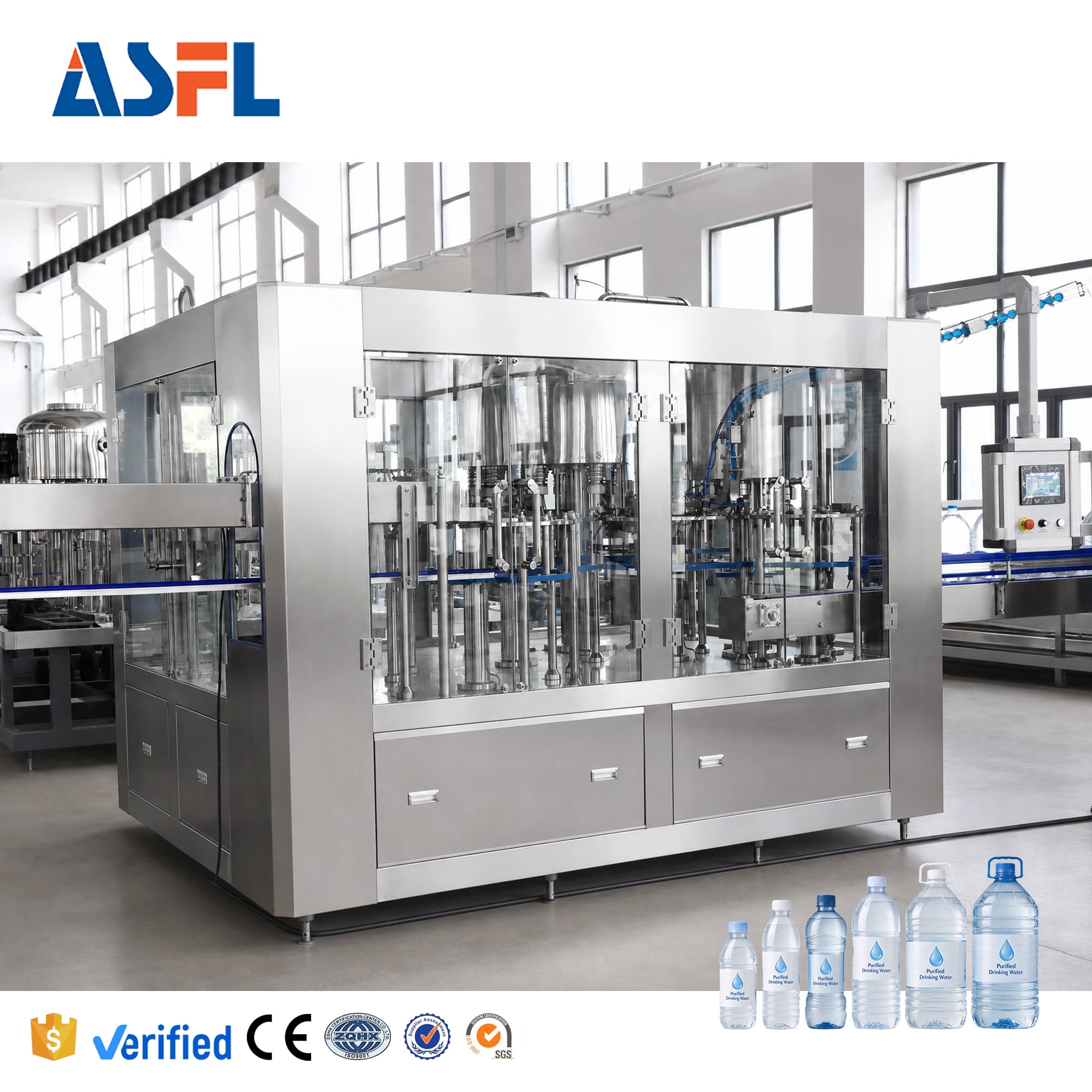
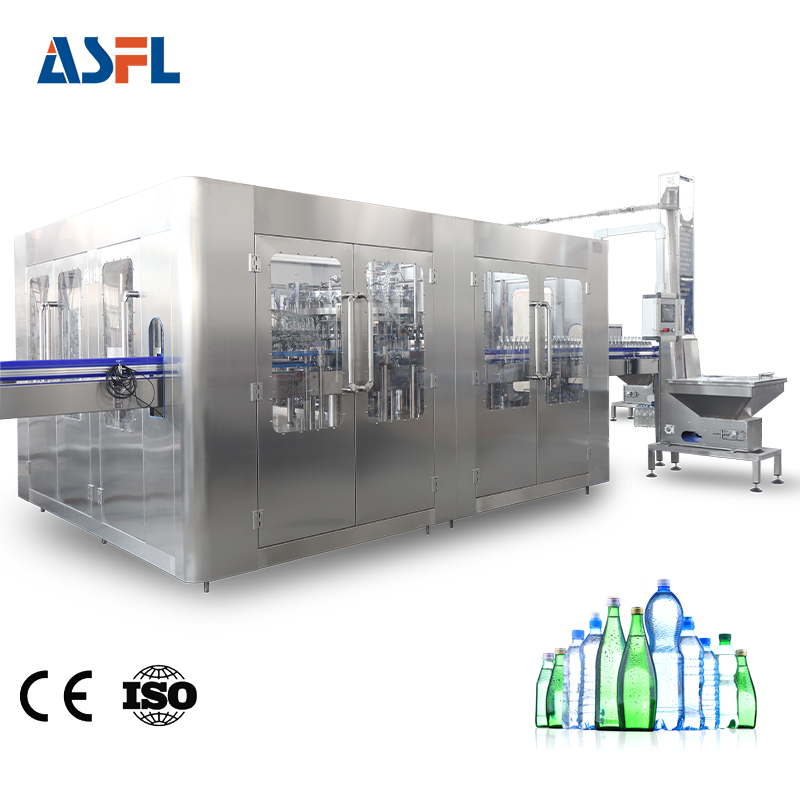
A water bottle filling and capping machine helps operators approach these issues as a connected process. Stable product supply affects liquid level. Bottle presentation affects where the nozzle fills. Cap delivery and bottle-neck alignment affect closure quality. Conveyor timing can amplify a small disturbance from an earlier station. Looking at the line in this order makes troubleshooting more useful than simply raising or lowering a speed setting.
How controlled filling reduces liquid giveaway and rejects
Overfill is an obvious form of product giveaway, but underfill can create rejected bottles and rework. The correct control method depends on the filling principle, bottle geometry, water condition, and target production rate. Before changing a setting, confirm whether the observed variation is tied to the product supply, filling valve behavior, bottle handling, or a measurement method that is not consistent.
For routine operation, teams can establish a repeatable check at startup, after a stop, and after a format change. Sample bottles using the same method each time, note the line condition, and compare the result with the approved process target. A stable feed and consistent bottle positioning allow a water bottle filling and capping machine to repeat its setpoint more reliably. If variation rises when the conveyor backs up or when the supply condition changes, that observation is more actionable than an isolated adjustment at the filler.
- Verify the incoming water condition and pressure stability before chasing fill-level changes.
- Inspect bottle guides, star wheels, and neck handling when variation appears on one bottle format.
- Separate startup loss from steady-state loss in the production record.
- Hold and investigate a trend before it becomes a large group of rejected filled bottles.
Why filler and capper coordination matters
A bottle can leave the filler at an acceptable level and still become waste if the closure is misapplied, damaged, cross-threaded, or insufficiently sealed. That is why a water bottle filling and capping machine should be monitored as a filler-and-capper pair. Bottle-neck positioning, cap-feed consistency, cap placement, and capping-head settings all influence whether a filled bottle remains saleable.
Cap torque should be treated as a verified process condition rather than a generic number copied from another bottle. Too little torque can contribute to leaks, while too much can damage a closure or the bottle-and-cap contact area. The suitable target depends on the cap, bottle finish, liner or seal design, and the producer’s validation method. A short, scheduled torque and visual-inspection routine can reveal drift early, especially after a cap supply change, cleaning activity, or maintenance intervention.
In U.S. bottled-water operations, 21 CFR Part 129.80(f) describes monitoring filler, capper, or sealer performance and visually or electronically inspecting filled containers for proper capping or sealing. Local requirements and customer specifications may differ, but the operating lesson is broadly useful: inspect the closure before losses become downstream leakage, quarantine, or returns.
Cap and container handling protects usable output
Waste control is not limited to the machine settings. Containers and caps must arrive at the point of use in a condition that supports a sound seal. For bottled water governed by U.S. requirements, 21 CFR Part 129.37 calls for single-service containers and caps or seals to be kept clean and handled in a sanitary manner. A plant should apply the rules and standards relevant to its own market, then translate them into clear receiving, storage, and line-side handling steps.
For an operator, that can mean checking that cap chutes are clean, cap feeding is not causing jams or scuffs, and the right closure is loaded for the active bottle. For a supervisor, it means recording rejected-cap reasons separately from fill-level rejects. When those categories are mixed together, the team may adjust a water bottle filling and capping machine for a cap-supply issue and create another source of variation.
Reduce loss during stops, startups, and changeovers
Many lines perform well in steady production but lose product during interruptions. A controlled stop sequence can limit bottle accumulation, reduce uncontrolled discharge, and make restart checks consistent. During a changeover, confirm the bottle guides, nozzle height or handling setup, capper contact parts, and inspection settings before running at normal rate. Faster changeovers are useful only when the checks that protect filled product remain clear.
A practical review is to log each event by process node: product supply, rinser, filler, capper, conveyor, or inspection. Note the symptom, action, and number of bottles affected. Over several runs, this creates a factual basis for deciding whether the water bottle filling and capping machine needs an adjustment, whether a consumable or guide is worn, or whether the issue begins upstream. It also avoids assigning every reject to the filling station.
A simple operating checklist for lower waste
- Before startup: confirm the approved bottle and cap, line cleanliness, product supply condition, and active recipe or settings.
- At startup: inspect fill level, cap placement, seal condition, coding, and bottle handling on a defined sample.
- During production: trend rejects by cause, not only as a total count; examine a rise in spills, low/high fill, cap defects, or conveyor disturbances promptly.
- After a stop or changeover: repeat the same sample checks before returning to normal operating speed.
- At shift review: compare product loss and reject causes with the logged operating events, then assign one clear follow-up action.
Choose controls that match the real line condition
A water bottle filling and capping machine can support lower product loss when its filling control, bottle handling, closure system, and inspection routine match the actual bottles, caps, water process, and production rhythm. More automation does not remove the need for verification. The strongest waste-reduction routine is usually a combination of stable setup, short checks at the right moments, and records that show where variation entered the line.
Before specifying an upgrade or revising operating procedures, validate the proposed settings with the actual container and closure. Review both the filled bottle and the capper result, and include maintenance access and cleaning steps in the plan. That approach gives the production team a measured path to reduce avoidable liquid loss and filled-bottle rejects during operation.
 Hot News