 EN

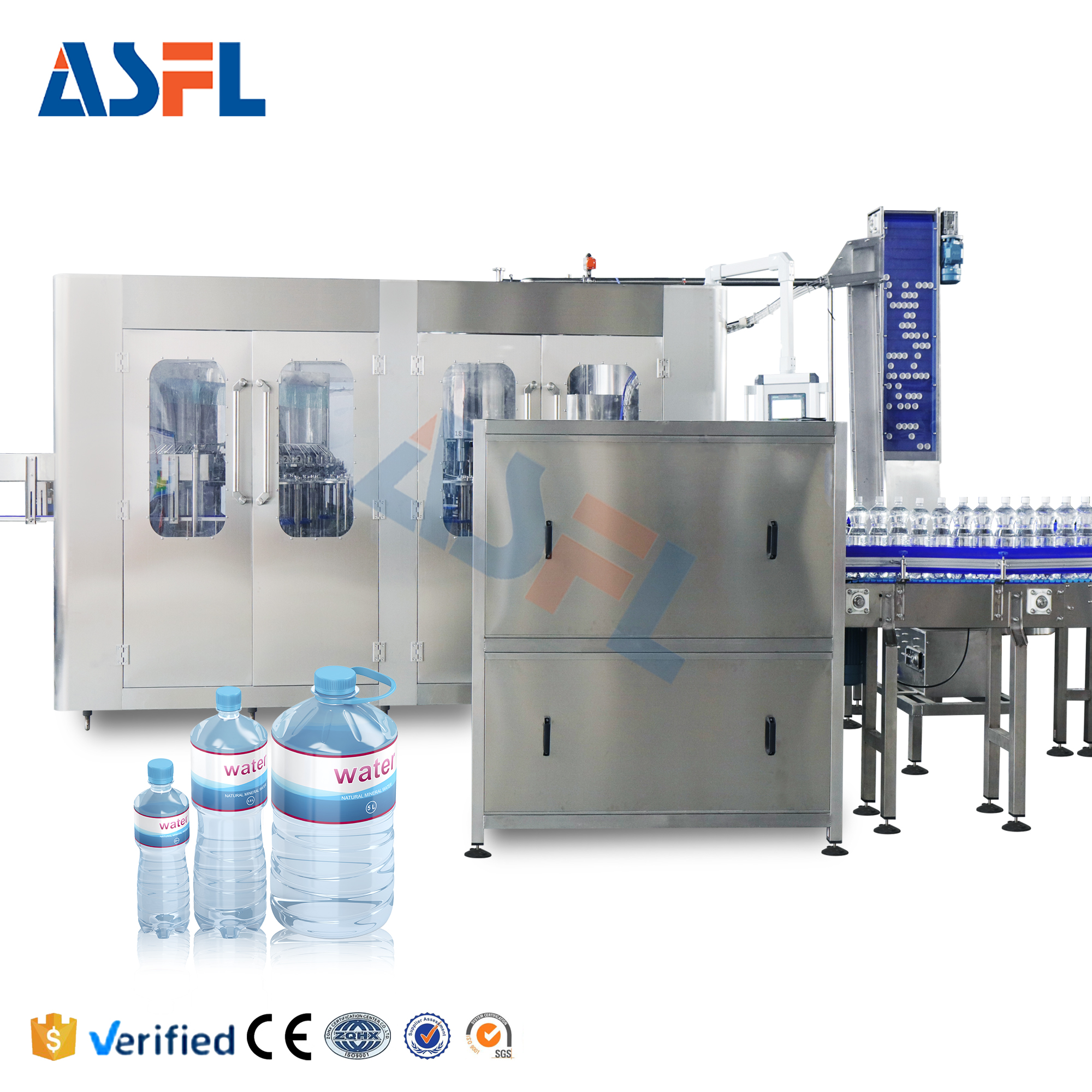
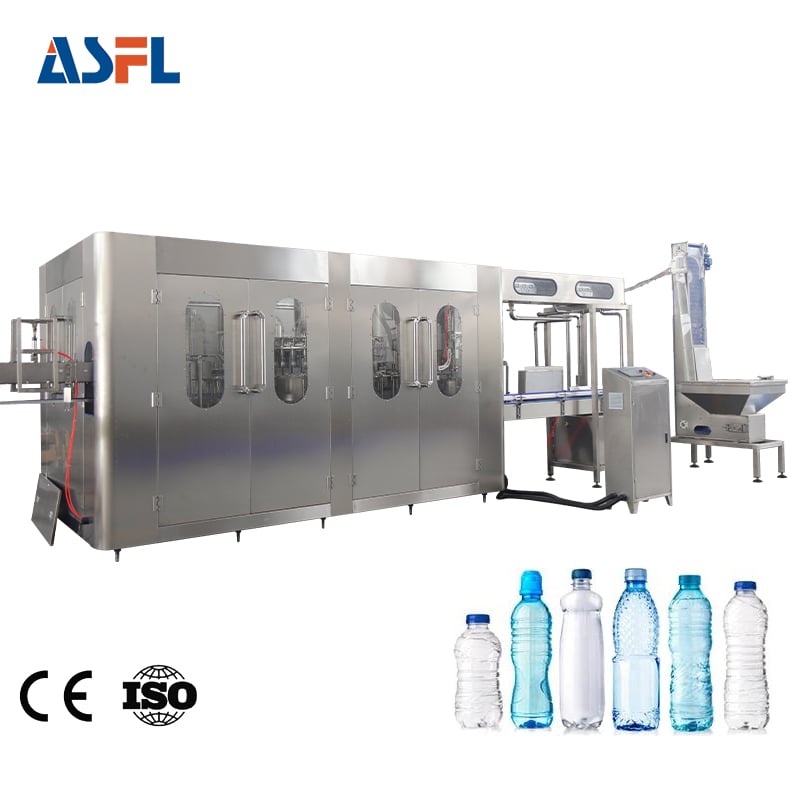
For a returnable big-bottle water business, the filling station is more than a point where water enters a container. It connects barrel washing, rinsing, filling, capping, inspection, and downstream handling. An automatic water bottle filling machine can make that sequence more repeatable when the equipment is configured for the actual barrel, cap, water-treatment flow, and production schedule. From a packaging-line engineering perspective, the useful question is not simply whether a machine runs automatically. It is whether each handoff becomes easier to control and verify.
Why large water barrels create a different production challenge
Large reusable bottles carry more mass, occupy more space, and often return from distribution with variable surface conditions. Their cycle typically includes unloading, external and internal washing, rinsing or sanitizing, filling, cap application, and outbound accumulation. A pause at any one station can create a queue upstream or leave an operator waiting downstream. That is why an automatic water bottle filling machine should be evaluated as part of the full route through the line, not as an isolated speed number.
For businesses supplying five-gallon water, a 5 gallon water filling machine for sale is relevant only after the team has confirmed the bottle dimensions, neck finish, cap style, sanitation procedure, expected production rhythm, and the condition of returned containers. These details determine whether automation removes a recurring bottleneck or merely moves it to another station.
1. A steadier production rhythm with fewer manual handoffs
Manual filling requires people to position containers, start or stop flow, judge the fill point, move filled barrels, and coordinate with capping. Automation can sequence these actions through conveyors, sensors, fill valves, and transfer controls. The practical advantage is consistency: the line follows the same operating logic from container arrival to discharge.
That consistency matters during busy delivery cycles. Instead of assigning staff to repetitive container movement, the plant can focus operators on observing exceptions, replenishing consumables, confirming sanitation steps, and checking that incoming barrels are suitable for processing. It does not remove the need for trained people; it changes their work from repeated handling toward supervision and quality checks.
2. Better control of filling and less rework around the fill point
Water is comparatively easy to move, yet stable filling still depends on compatible valves, bottle positioning, level-control method, and clean product flow. An automatic water bottle filling machine can apply a defined fill sequence to each barrel rather than relying on individual timing. This helps a business create a more repeatable basis for checking fill level and investigating deviations.
More accurately, repeatability should be validated rather than assumed. Ask the supplier to demonstrate the machine with the intended barrel and cap combination, then record the accepted fill-level tolerance and the conditions used during the test. If the water source, bottle type, or target output changes, the original setting may need to be revisited.
3. Stronger sanitation workflow for returnable containers
Reusable large bottles make cleaning discipline central to line design. For U.S. operations, 21 CFR Part 129 is one example of a bottled-water framework: its process-control section states that multiservice primary containers must be washed, rinsed, and sanitized mechanically or by another method that produces adequate sanitary results. Local rules and the plant’s own quality system may differ, so the point is to verify the applicable requirements before choosing equipment.
Automation supports this workflow by making washer, rinser, filler, and capper sequencing easier to document and observe. It can also make it clearer where a container pauses or where a transfer condition needs attention. The advantage is not a compliance promise; it is a more structured process for applying and monitoring the sanitation program already required by the business.
4. Easier line balancing as demand grows
A growing plant may find that the filler is capable of moving more barrels than the washer, capper, labeler, or accumulation area can handle. This is why a high-speed water filling machine should not be selected from its nominal output alone. The equipment needs a compatible pace across every linked station, including container loading and finished-product transfer.
Automatic controls can give the line a cleaner start-stop relationship between stations. When a downstream area reaches its limit, upstream equipment can be configured to respond in a controlled way rather than allowing barrels to pile up unpredictably. Before purchase, map the expected production path and identify the slowest station. Then ask how the proposed filler will communicate with conveyors, washers, cappers, and any inspection equipment.
5. More usable production information for supervisors
Automation can provide operating signals such as machine status, alarms, counts, and stoppage conditions, depending on the selected controls. Those signals help supervisors distinguish a brief container-positioning issue from a recurring interruption. Over time, a plant can use this information to plan maintenance windows, improve operator training, and check whether a change in bottle supply is affecting the line.
The value comes from using the information consistently. A simple review of what stopped the line, when it happened, and what action restored flow can be more helpful than collecting a large amount of data that no one reviews. For a water bottling plant machine investment, agree beforehand on the alarms, counters, and access points the operations team actually needs.
6. A clearer path for labor planning and safer handling
Large water barrels are awkward to lift and move repeatedly. Conveyor-based transfer and automatic indexing can reduce unnecessary manual contact with containers during normal production. This can simplify staffing plans and make it easier to assign people to inspection, material preparation, and exception handling. The result depends on layout, guarding, training, and maintenance practices, so the line should be reviewed as a workplace system rather than as a single machine.
What to verify before selecting an automatic system
Purchasing teams get better results when they turn broad objectives into a verification list. Start with the operating conditions, then compare configurations.
- Container details: Confirm barrel volume, diameter, height, neck finish, material condition, and return-cycle variation.
- Process sequence: Define washing, rinsing, sanitizing, filling, capping, and inspection steps before setting filler requirements.
- Output target: State the required line rhythm and the slowest linked station, rather than requesting a single headline capacity.
- Utility and layout limits: Check available water treatment flow, compressed air, power, drainage, space, and access for cleaning and service.
- Validation plan: Request a run using representative containers and document acceptance criteria for fill consistency, transfers, and changeover.
- Support scope: Clarify commissioning responsibilities, spare-part planning, operator training, and the information needed for remote troubleshooting.
Turning automation into a practical business advantage
An automatic water bottle filling machine can bring meaningful advantages to a big-bottle water business: a steadier production rhythm, more repeatable filling, a clearer sanitation workflow, better line coordination, useful operating information, and less routine manual handling. The benefits become real only when the machine is matched to the barrel, the cleaning process, and the rest of the production line.
For that reason, begin with the operating conditions rather than a catalog specification. A well-defined test and acceptance plan gives the business a sounder basis for comparing an automatic system, estimating its effect on daily work, and preparing the whole line for a controlled scale-up.
 Hot News








