 EN

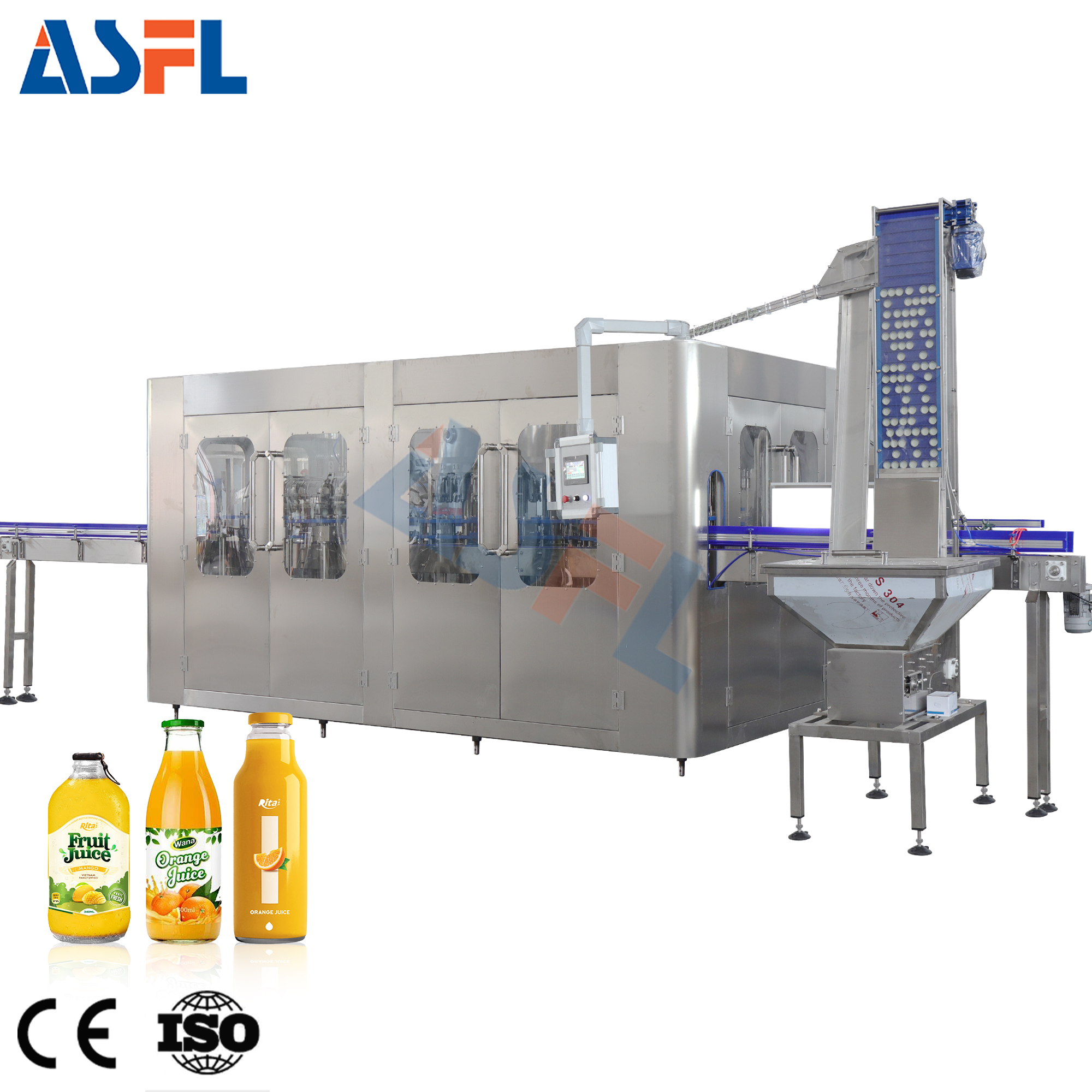
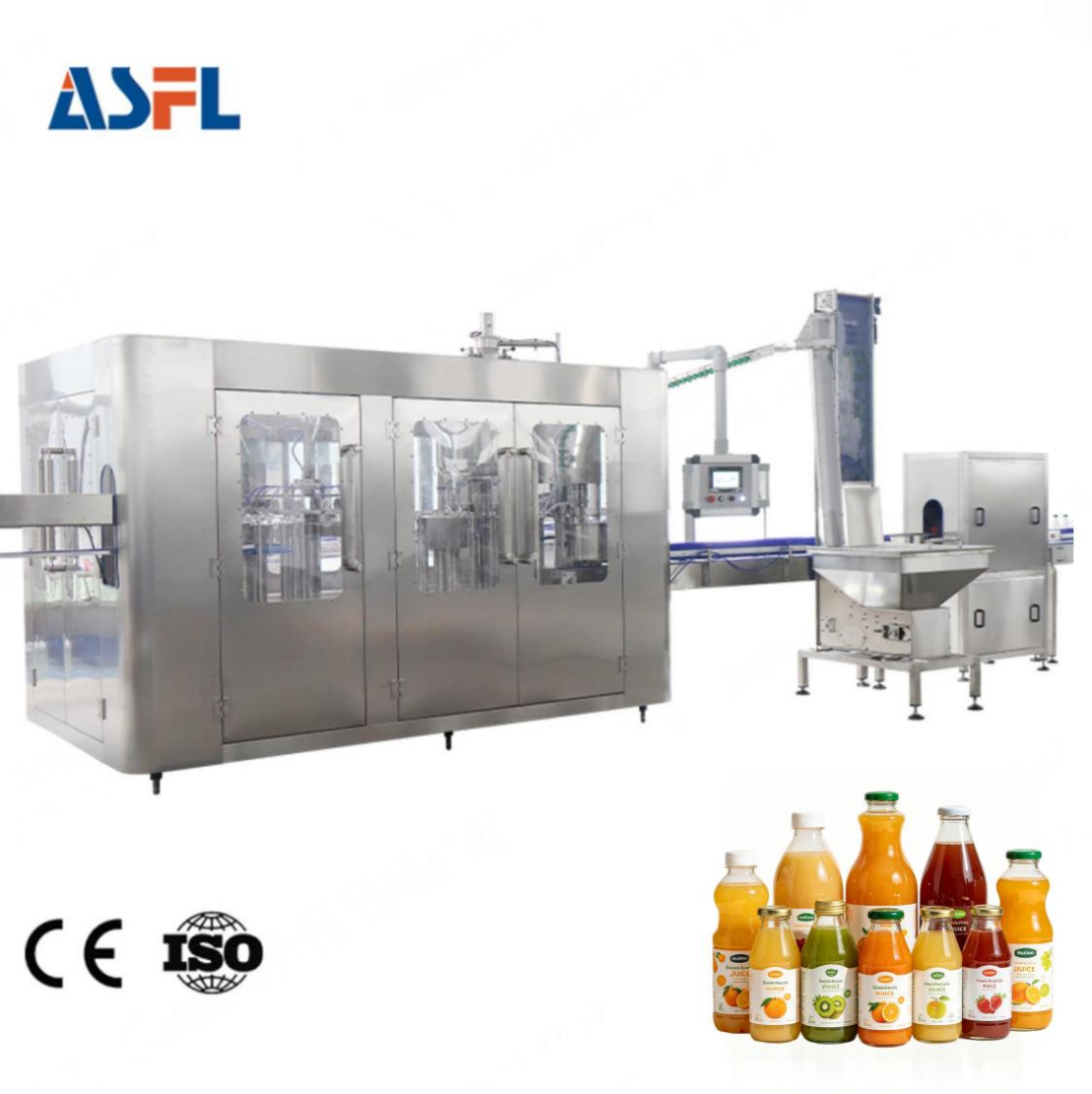
A juice filling machine for sale is often compared by capacity, filling method, bottle range, and quotation. Before choosing a juice filling machine for sale, add one operational question: can the supplier identify and supply the parts that affect a restart? That question turns a general after-sales statement into a procurement check your maintenance team can use.
Spare-parts planning is not a prediction of failure. It is a way to assess lifecycle readiness. Liquid handling, filling, capping, conveying, cleaning, and controls must work together. When one component needs attention, the real issue is whether the correct item, documentation, and support route are clear.
Why spare-parts supply belongs in the purchase review
Product, bottle, closure, hygiene routine, inspection, and downstream handling all affect a line. Therefore, the equipment should be reviewed with a maintenance plan as well as a commissioning plan. An inexpensive part can still prolong a stoppage when the part number, revision, or replacement procedure is unclear.
A useful beverage-line spares framework records the machine, each part’s criticality, expected lead-time method, storage needs, approved alternatives, and use history. Apply that framework to the selected configuration. It produces questions that can be answered before an order is released.
Separate wear items from production-critical parts
Ask the supplier to classify routine consumables and parts whose absence may stop filling, capping, product transfer, a safety sequence, or a control function. The final list must fit the chosen configuration; a generic parts catalog is only a starting point.
- Routine wear items: seals, gaskets, O-rings, springs, filters, nozzles, and comparable items used in liquid filling machine maintenance.
- Product-contact items: components exposed to juice or cleaning media, with material compatibility and traceable identification confirmed.
- Changeover items: bottle guides and handling parts related to a container format.
- Critical operating items: components that can interrupt filling, capping, conveying, or a safety sequence.
- Controls and air-system items: sensors, valves, drives, and connections with a defined support route.
Ask which parts are recommended for start-up, which support the first planned service interval, and which are critical to keep available. This gives purchasing a practical basis for comparing scopes without assuming every plant needs the same inventory.
Request a usable identification record
For each priority item, request the supplier part number, description, quantity per machine, assembly location, and revision detail. These records make liquid filling machine maintenance more controlled because the maintenance team does not need to guess which variant was installed.
For process-contact parts, ask how the replacement item is linked to the selected configuration and what records accompany it. Also ask who receives an order, what machine details are required, and how a technical query is handled before a quotation is issued. A clear answer establishes the boundary of filling and capping machine service without claiming a response time that has not been agreed.
Check the supply path, not just stock claims
Lead time should be linked to part importance and the country where the line will operate. Ask what is normally stocked, what is ordered to specification, and what information is required to identify the correct item. A serial number, configuration record, photo, or revision detail may be needed before a part can be quoted accurately.
Where an alternative is suggested, request written confirmation of the conditions under which it may be used. Avoid informal substitutions simply because two parts appear similar. This is particularly relevant to liquid filling machine maintenance involving seals, valves, product-contact components, and electrical items, where material or program differences may matter.
Include spares in acceptance and handover
The right time to resolve uncertainty is before shipment and installation, when configuration records are current. Include spare parts in the same conversation as manuals, wiring documents, maintenance schedules, and training. That makes handover more valuable to the people responsible for scheduled upkeep after commissioning.
- A configuration-specific recommended list, with quantities and part numbers.
- Inspection and service intervals, including conditions that may change an interval.
- Assembly drawings or location references for identifying an item.
- A defined technical contact route for service and parts orders.
- Storage guidance where cleanliness, humidity, temperature, or shelf life matters.
- Approved substitution records and the decision route for using them.
Changeover and cleaning time are easily overlooked. They affect when an item can be inspected or replaced, so they belong in the maintenance plan rather than being added after acceptance.
Test how the supplier handles a service question
Documentation is essential, but a short practical test helps show how support works. Ask how a hypothetical symptom would be documented and diagnosed. A useful service process should request the serial number, selected configuration, operating condition, and evidence needed to identify the right item.
This check supports maintenance planning because it separates diagnosis from random replacement. The operator reports the symptom, the maintenance team completes basic checks, and the supplier advises on identification, replacement, or escalation. That division of responsibility is more useful than a broad assurance that help is available.
Compare suppliers with a lifecycle checklist
| Question | What to request | Why it matters |
|---|---|---|
| Which parts are critical for this configuration? | Configuration-specific criticality list | Prioritizes stock and restart planning. |
| How are parts identified for maintenance? | Part number, revision, and assembly reference | Reduces mismatched orders. |
| What is the supply path? | Stock approach and order information | Supports realistic planning. |
| Can an alternative be used? | Written conditions and approval route | Keeps substitutions controlled. |
| Who handles technical service? | Contact route and escalation boundaries | Clarifies how an issue moves to action. |
Make readiness part of total ownership
Initial price alone does not describe the operating picture. The selected machine should be evaluated alongside product properties, bottle and closure details, cleaning needs, target throughput, layout, training, and spare-parts readiness. The right result is not an oversized store room. It is an agreed plan in which critical parts are known, routine items have a replenishment method, and records are usable.
Review that plan again after commissioning as operating experience accumulates. Regular upkeep, clear maintenance responsibilities, and a documented technical-service route create a stronger basis for decisions throughout the machine lifecycle.
Frequently asked questions
How many parts should accompany a new machine?
There is no universal quantity. Begin with the supplier’s configuration-specific recommendation, then assess criticality, lead-time exposure, storage, and local maintenance capability.
Should spare parts be included in purchase documentation?
It is sensible to define the agreed list, documentation, and service process in the purchase record, reflecting the selected configuration and each party’s responsibilities.
What should maintenance receive at handover?
Request an identified list, maintenance guidance, drawings or assembly references, ordering contacts, and instructions for reporting the details needed for technical support.

 Hot News








