 EN

For a carbonated-drink producer, a pet bottle soda filling machine is not simply a device that transfers liquid into a package. It is part of a controlled pressure system. Its job is to move a beverage that already contains dissolved carbon dioxide into a PET bottle while giving that gas as few reasons as possible to break out as foam. From a production-line engineer’s perspective, carbonation retention depends on the relationship among beverage temperature, tank pressure, bottle pressure, liquid flow, venting, and closure application.
A well-configured pet bottle soda filling machine manages those conditions in sequence. It does not make one setting universally correct: the workable window depends on the recipe, target carbonation, bottle design, filling speed, and line environment. The useful question is whether the machine keeps pressure changes smooth enough for the product being run.
Why carbon dioxide is vulnerable during PET soda filling
Carbon dioxide stays dissolved more readily when the beverage is cold and under pressure. When pressure falls abruptly, or when the liquid is disturbed as it enters the bottle, some gas leaves the liquid. The visible result is foam; the less visible result can be a lower carbonation level after capping. That is why a pet bottle soda filling machine must coordinate process conditions rather than treat filling volume as the only target.
PET bottles add practical variables. Bottle dimensions, neck finish, stiffness, and handling can affect how consistently containers seal at the filling valve and capper. If bottle presentation is inconsistent, a pet bottle soda filling machine may show irregular pressure behavior even when the carbonator and product tank are stable. Operators should therefore investigate the container, closure, and filler together.
Counter pressure creates a gentler path for the beverage
The core protection mechanism is counter pressure filling, also called isobaric filling. Before product flows, the pet bottle soda filling machine seals the bottle at the filling valve and introduces carbon dioxide into the headspace. The aim is to bring bottle pressure close to the pressure around the carbonated product. With less pressure difference across the valve, the liquid has less tendency to flash into foam when filling begins.
Once pressures are balanced, the valve opens for liquid flow. A controlled gas-return or venting path lets displaced gas leave the bottle as the level rises. The filler then closes liquid flow, relieves pressure in a managed way, and transfers the bottle to capping. This sequence explains why counter pressure filling is relevant to carbonation: it reduces the sudden decompression that encourages dissolved CO2 to escape.
In a rotary carbonated beverage filling machine, that sequence occurs repeatedly at individual stations as bottles travel through the carousel. The number of stations alone does not show carbonation performance. Stable seals, repeatable valve timing, orderly CO2 supply, and product conditions matter more than an isolated equipment description.
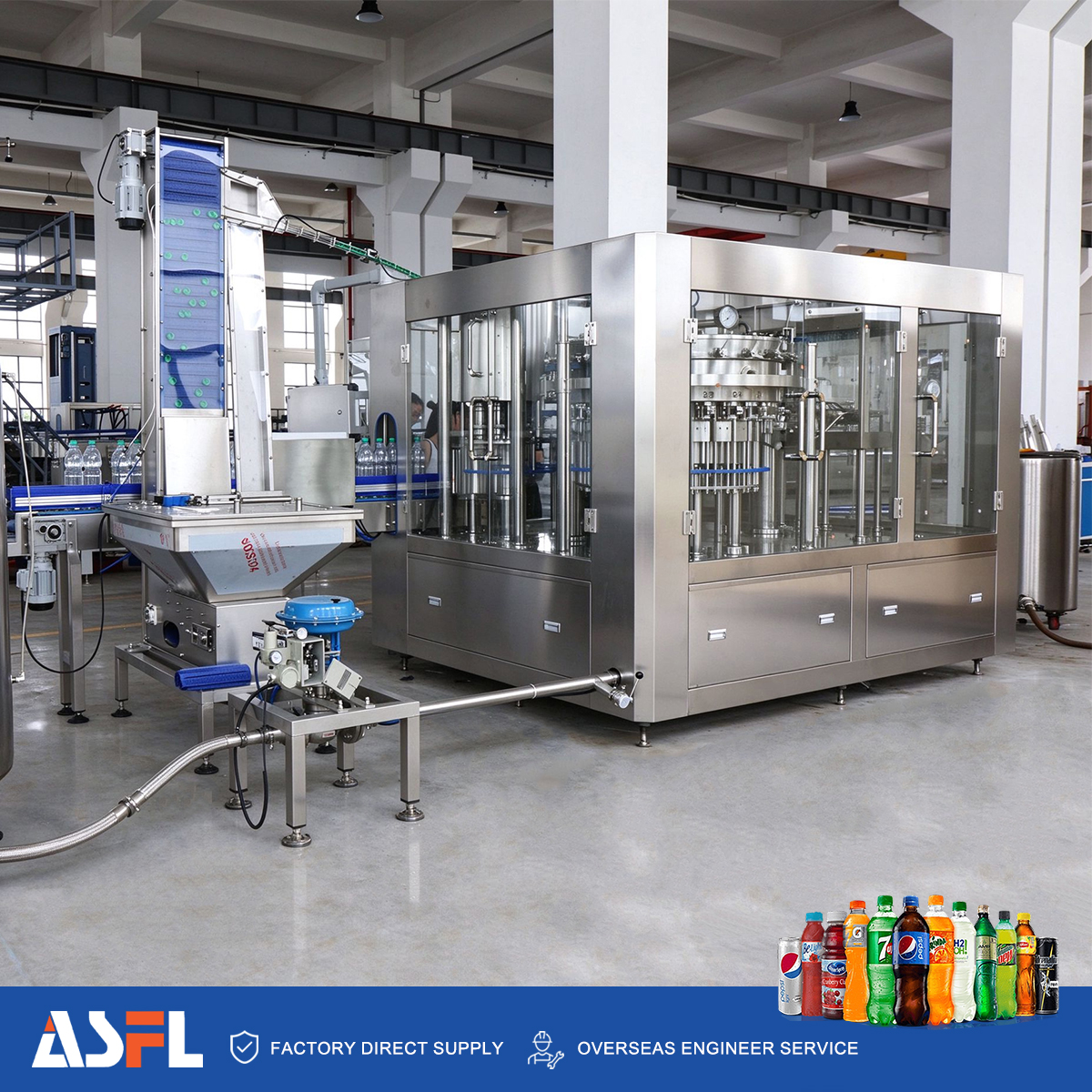
How the filler protects carbonation at each stage
1. Product preparation before the filler
A pet bottle soda filling machine receives the product after carbonation, so it cannot compensate fully for unstable upstream conditions. Product temperature should be held within the beverage process window because warmer liquid holds less dissolved gas. Tank pressure, carbonator output, and transfer conditions should also be reviewed when foam rises across all filling heads. Checking these inputs first helps separate a product-side issue from a filler-side issue.
2. Bottle sealing and CO2 pre-pressurization
At the filling valve, a pet bottle soda filling machine needs a reliable seal between the bottle mouth and the valve seal. A poor seal can leave the bottle under-pressurized, waste gas, and cause local foaming. During commissioning, observe whether one group of heads produces different foam or fill behavior. A repeated pattern may point to valve seals, lifting mechanisms, or bottle-mouth variation rather than the overall recipe.
3. Controlled liquid entry and gas displacement
After equalization, the pet bottle soda filling machine should allow product to enter without excessive turbulence. Bottom-up filling and a controlled flow path are used to limit agitation. The gas displaced by the beverage needs a clear route through the valve system; restricted or poorly timed venting can change fill level and foam behavior. Operators should evaluate flow, venting, and valve timing as one process, not as independent adjustments.
4. Pressure release and immediate closure
When the target fill level is reached, the pet bottle soda filling machine closes liquid flow and manages the final pressure release before capping. A harsh release can create foam at the neck and disrupt the desired headspace. The capper then needs to apply the closure consistently while the bottle is still in the intended condition. If carbonation complaints appear after storage, inspect both filler discharge and closure integrity rather than assuming the filler is the only cause.
Common signs that CO2 control needs attention
- Foam at one or several heads: compare valve seals, lift condition, pressure equalization, and vent paths at those stations.
- Unstable fill levels: review bottle pressure, product temperature, valve timing, and gas-return behavior before changing volume settings.
- Foam at discharge: assess the pressure-release profile and transfer to the capper.
- Flat product after distribution: check closure application, cap and neck compatibility, and the conditions used for carbonation verification.
- Higher gas consumption: inspect leaks at CO2 connections, valves, and bottle seals; production observations should be confirmed with the site’s own instruments.
These symptoms do not establish a single diagnosis. They provide a useful order for investigation: stabilize the beverage, confirm bottle and cap consistency, then tune the pet bottle soda filling machine in a documented trial. A change made to solve a foam issue can affect fill height or capper conditions, so test one controlled change at a time.
A commissioning checklist for a carbonated PET line
- Define the beverage’s target carbonation and the approved product-temperature range with the process team.
- Confirm the CO2 supply is stable and that the product tank conditions match the filling plan.
- Verify PET bottle dimensions, neck finish, and cap specifications for the selected format.
- Inspect every filling-valve seal, bottle lift, gas path, and vent path before a production trial.
- Set up the pet bottle soda filling machine for pressure equalization before product flow, then validate the sequence with the actual beverage.
- Observe foam, fill-level consistency, bottle handling, and cap application across all heads at the planned operating speed.
- Record the settings, observations, and any corrective action so later shifts can compare like with like.
Why line integration matters as much as the filler
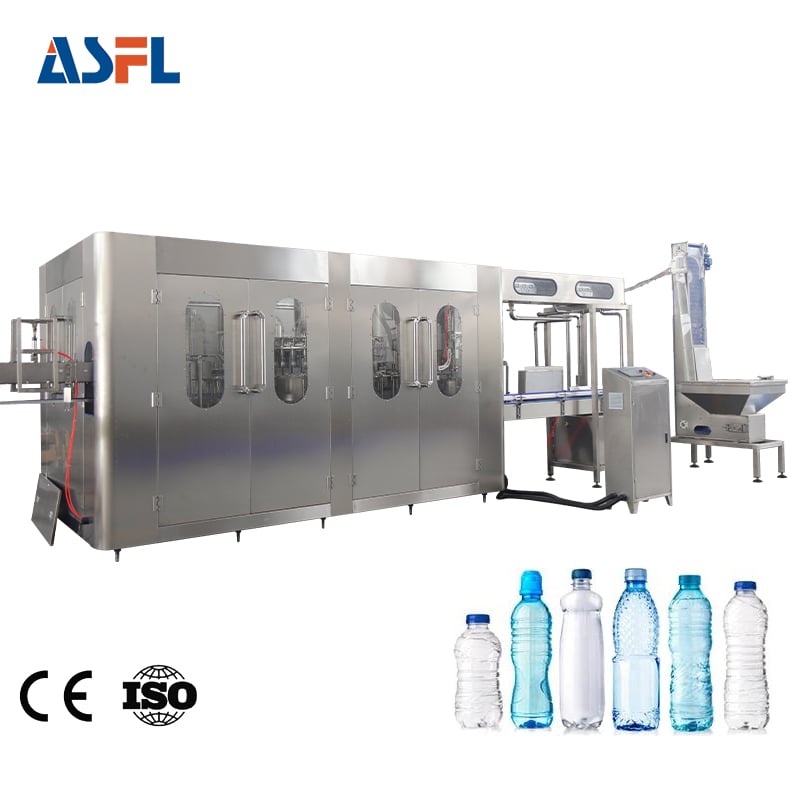
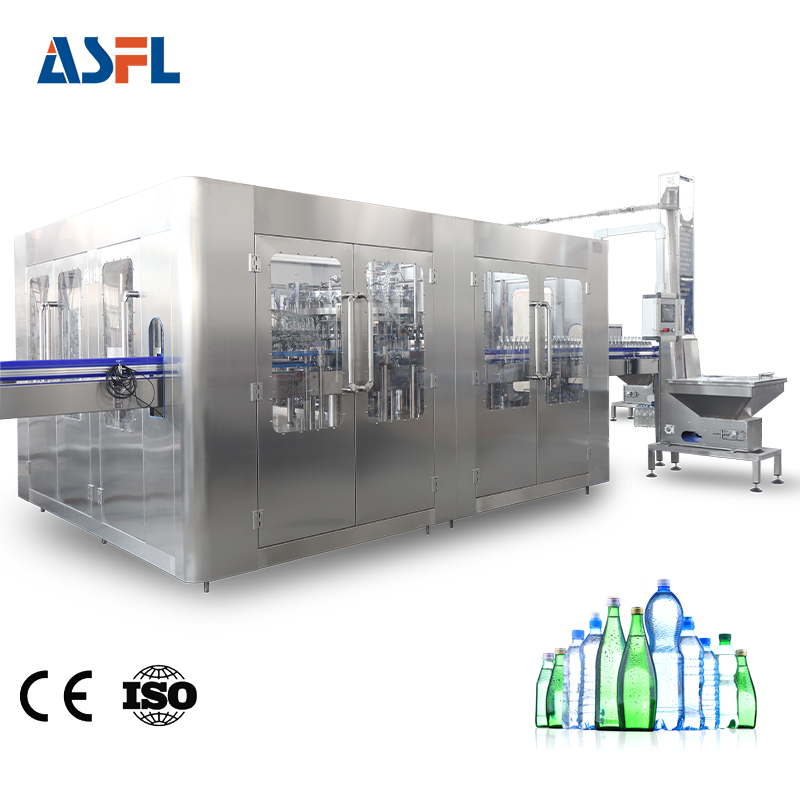
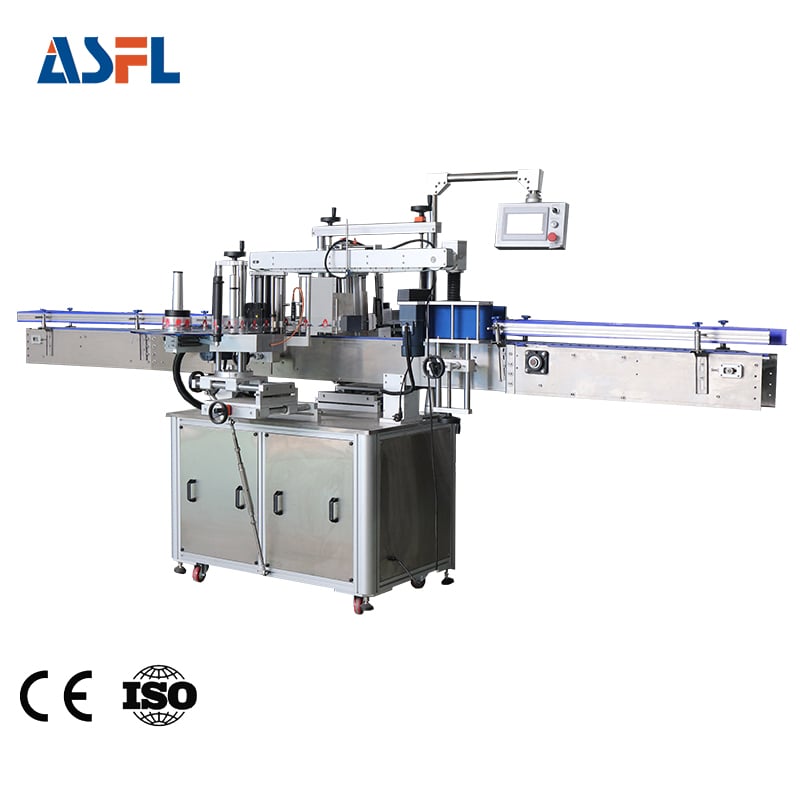
A carbonated beverage filling machine line works as a system: bottle preparation, carbonated-product supply, filler, capper, conveyors, and quality checks all influence the final result. The pet bottle soda filling machine is the pressure-management center, but its performance is easier to maintain when upstream product conditions and downstream closure application are verified at the same time.
For new projects or format changes, provide the equipment supplier with the beverage type, target carbonation, bottle size and neck information, cap style, planned speed, and available utilities. Those inputs allow the team to assess whether the proposed pet bottle soda filling machine configuration and filling-valve process fit the application. Site trials remain important because real liquid behavior and package tolerances must be validated on the line.
Conclusion
A pet bottle soda filling machine protects carbon dioxide by making the bottle and beverage pressures compatible before filling, moving product with controlled flow, venting in an orderly way, and handing each bottle to consistent capping. Counter-pressure filling is the central principle, but dependable carbonation also relies on product temperature, CO2 stability, bottle sealing, valve condition, and closure verification. Treating those factors as one controlled process gives a production team a more practical basis for reducing foam and maintaining the intended drinking experience.


 Hot News








