 EN

A high speed liquid filling machine does not balance output and precision by simply running every motion faster. It balances them by making the liquid supply, container handling, dose control, and inspection sequence stable enough to repeat. From a production-line engineer’s viewpoint, the useful question is not “What is the maximum rate?” but “At what sustained rate can this product, bottle, and downstream line meet its agreed fill criteria?”
That distinction matters because a line can have a fast filler yet still lose usable output through starved nozzles, bottle spacing errors, foaming, rejected containers, or a downstream capper that cannot keep pace. A well-specified high speed liquid filling machine considers each of those conditions part of the filling result.
Speed and precision are one control problem
In a high speed liquid filling machine, cycle time is shared by bottle infeed, positioning, filling, nozzle movement, discharge, and transfer to the next station. Shortening one part of that cycle without controlling the others can raise the number of interruptions. For example, an aggressive infeed may create bottle-to-bottle variation at the filling point; a fast nozzle shutoff may increase drips for one liquid but be acceptable for another.
More accurately, speed is only useful when the process remains inside its operating window. Liquid viscosity, temperature, entrained air, foam tendency, target volume, bottle neck geometry, and allowable fill variation all influence that window. That is why the same high speed liquid filling machine configuration may behave differently with water, syrup, oil, or a viscous sauce.
Start with stable product supply
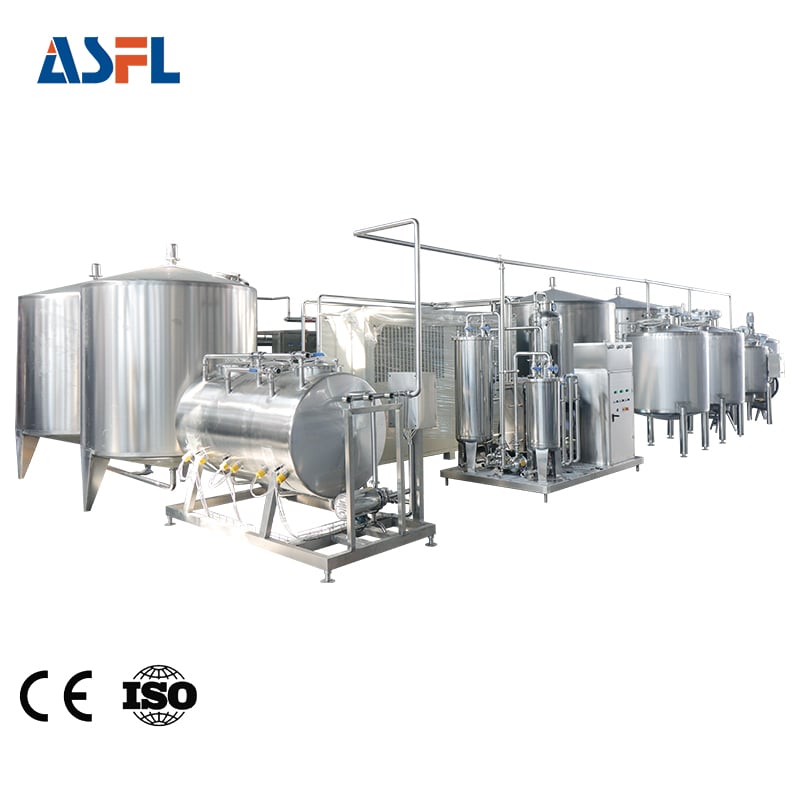
A high speed liquid filling machine can dose repeatedly only if the liquid reaches the filling valves or pumps in a repeatable condition. Changes in head pressure, product level, viscosity, or air content can alter the fill before the machine has a chance to correct it. The supply tank, pump, return path, and pipe layout therefore deserve the same attention as the filling heads.
- Confirm whether the product is free-flowing, viscous, foamy, temperature-sensitive, or contains particulates.
- Define the normal and worst-case supply condition, rather than testing only a calm, freshly prepared batch.
- Check whether a recirculation or return arrangement is appropriate for the product and hygiene process.
- Observe whether level changes upstream coincide with changes in fill results.
For a liquid filling machine high-speed application, supply stability often matters more than adding another control adjustment at the nozzle. If the input is moving, the output will usually move too.
Match the dosing principle to the liquid and target
The dosing method is the second part of the balance. A high speed automatic liquid filling machine may use a volumetric, flow-based, piston, gravity, or other suitable approach depending on the liquid and the requirement being measured. No method is automatically appropriate for every liquid. A level-oriented presentation may suit one package, while a metered volume is the more relevant criterion for another.
Before comparing claimed capacities, define how the result will be checked: net volume, fill level, container weight, or another agreed method. Then define sampling frequency and the conditions under which samples are taken. That gives the high speed liquid filling machine a measurable target rather than an abstract promise of precision.
Where the product foams, a filling profile may need to moderate the initial flow, control nozzle position, or allow settling before final inspection. Where viscosity varies, the proposed dose settings should be tested across the expected process range. These are configuration questions that should be verified with the actual product, not inferred from a generic machine description.
Keep bottles controlled at the filling point
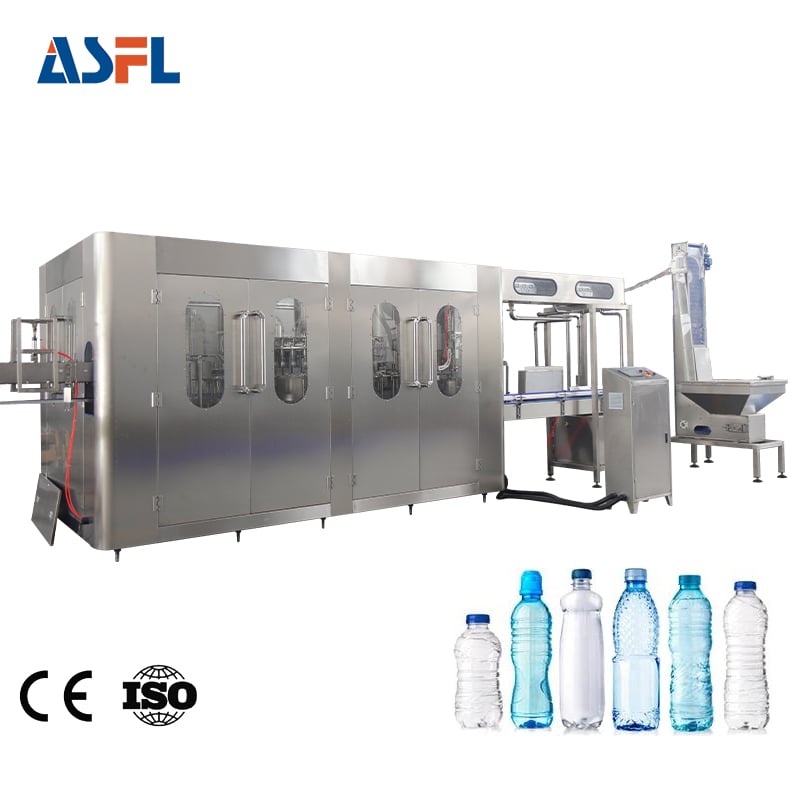
A bottle that arrives late, tilted, or inconsistently spaced changes the relationship between the nozzle and the container. On a liquid filling machine rotary layout, synchronization between the infeed, carousel, bottle support, and discharge becomes especially important because small timing differences repeat through each station. On an inline layout, guide rails, indexing, and conveyor speed need the same disciplined review.
Useful checks include bottle presence detection, neck or body guidance, container support, and a clear response when a bottle is missing or misplaced. The intent is not to add features indiscriminately. It is to make the high speed liquid filling machine pause, reject, or signal in a predictable way when the filling condition is not valid.
Coordinate filling with the rest of the line
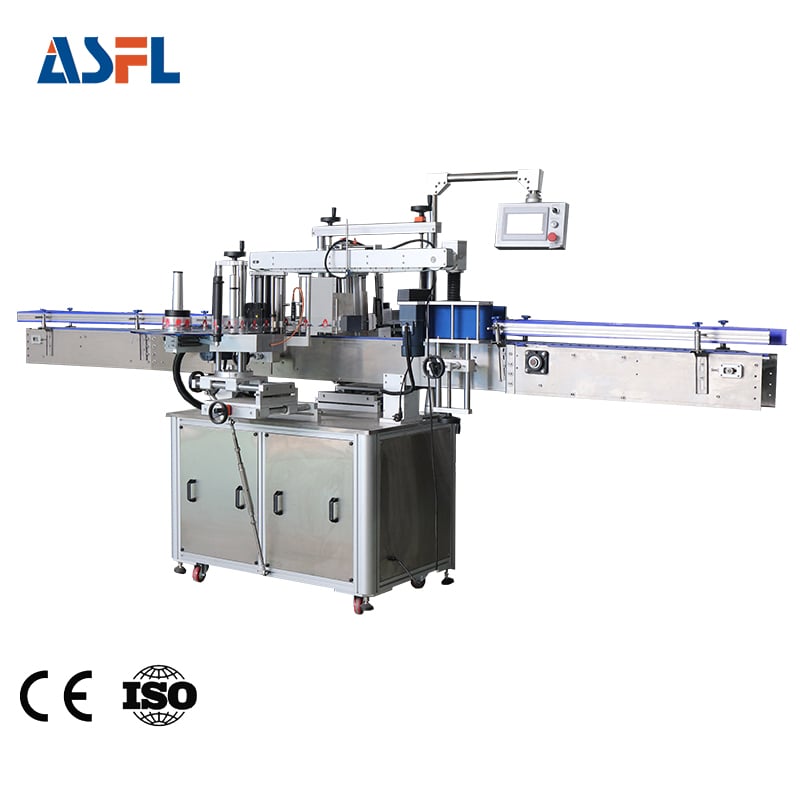
Rated filling speed is not the same as line throughput. A high speed liquid filling machine may wait for empty bottles, accumulate filled bottles, or experience frequent micro-stops if the rinser, capper, labeler, or packer is not synchronized. Looking at the line as a sequence reveals where the real constraint sits.
Review the infeed buffer, discharge buffer, conveyor accumulation, and the handoff to capping. If the capper must slow down after a product change, the filling section needs a defined response. If a downstream queue develops, operators need a safe, repeatable way to avoid overfilling, spills, or unnecessary stops. This is one reason a high-speed automatic liquid filling machine should be evaluated as part of a line, not in isolation.
Use feedback, but verify the measurement first
Controls can help a high speed liquid filling machine maintain repeatability, but feedback is only as useful as the measurement and the response logic behind it. Sensors may confirm bottle presence, product level, pressure, position, or a downstream condition. Their placement, calibration, cleaning exposure, and alarm limits should be included in commissioning.
A practical approach is to record normal operating values during a controlled run, then compare later deviations against those values. When fill variation increases, trace it by process node: product supply, dosing, bottle positioning, valve action, conveyor timing, or inspection. That approach is usually more useful than changing several settings at once and obscuring the source of the shift.
Set acceptance criteria before the trial run
“High speed” should be translated into a trial plan. For a high speed liquid filling machine, define beforehand the product, containers, caps, target rate, run duration, fill measurement method, acceptable variation, reject handling, and planned changeovers. Include normal interruptions where practical, such as an upstream pause or a bottle shortage. A short peak-speed demonstration does not show whether the process can sustain its intended production condition.
- Prepare representative product and packaging materials.
- Run at a defined starting condition and record fill results.
- Increase toward the target rate in controlled steps rather than jumping directly to the highest setting.
- Review rejects, foam, drips, container handling, and downstream handoffs at each step.
- Document the stable operating range and any conditions that require a different configuration or procedure.
This acceptance path makes it easier to compare proposals for a liquid filling machine high-speed project, because the comparison is based on the same conditions rather than on brochure values measured under different conditions.
Questions to ask before specifying the machine
A technical discussion is more useful when it starts with a concise data set: liquid characteristics, fill volume range, container drawings or samples, target production schedule, changeover needs, cleaning requirements, available utilities, and downstream equipment details. Ask how the proposed high speed liquid filling machine will be tested against those inputs and how operators will diagnose variation after installation.
For the supplier conversation, it is also useful to ask which settings are recipe-controlled, what must be adjusted mechanically, which components are wear items, and how the line behaves during a missing-bottle or low-product event. These questions turn a speed claim into an engineering discussion about stable production.
Conclusion
A high speed liquid filling machine achieves useful output when precision is built into the process conditions, not added as an afterthought. Stable liquid supply, an appropriate dosing method, controlled bottle movement, coordinated line timing, meaningful feedback, and a documented trial plan work together. When those elements are verified with the real product and containers, a production team can identify a sustainable operating range and make a better equipment decision.

 Hot News








