 EN

A small water bottling plant often has to fit production, cleaning, storage and people into the same limited building. A compact automatic filler can be attractive because it brings several repetitive tasks into a controlled sequence without requiring a large dedicated hall. That does not mean every small operation should buy the smallest machine: the useful question is whether the whole line can meet the required output, hygiene and access needs.
From a purchasing perspective, the comparison starts with actual bottles, available utilities and a realistic production schedule. Only then does the footprint on a supplier's drawing become meaningful.
Why compact automation appeals to a small water bottling plant
Automatic bottle handling, filling and capping can reduce the number of manual transfers between stations. Depending on the configuration, an operator may spend more time monitoring supply, checking filled containers and responding to alarms rather than repeating the same filling movement. Staffing requirements still depend on bottle feeding, packing, inspection and the chosen equipment; automation does not make those tasks disappear.
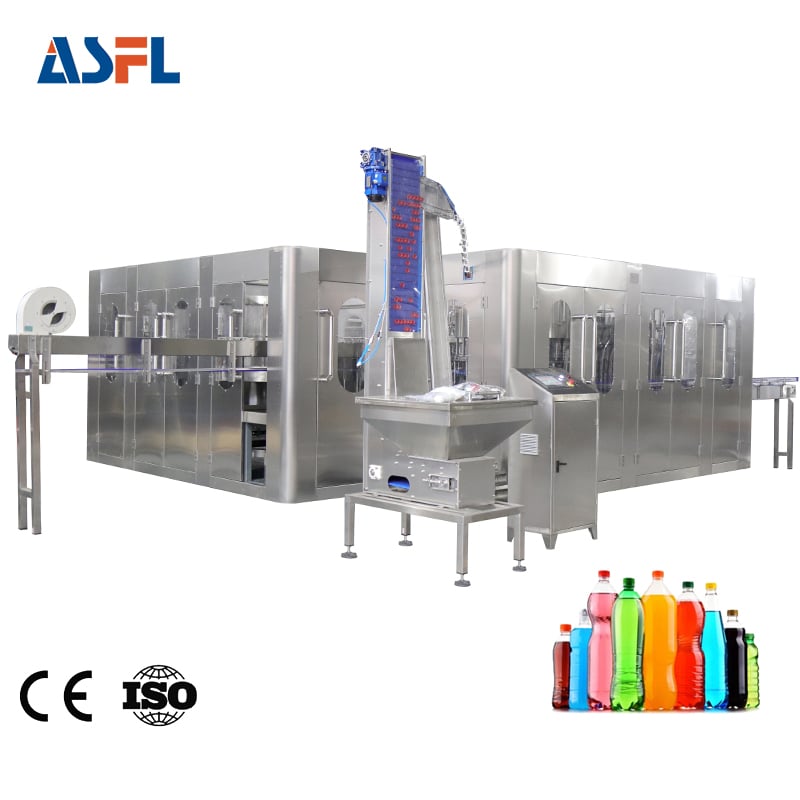
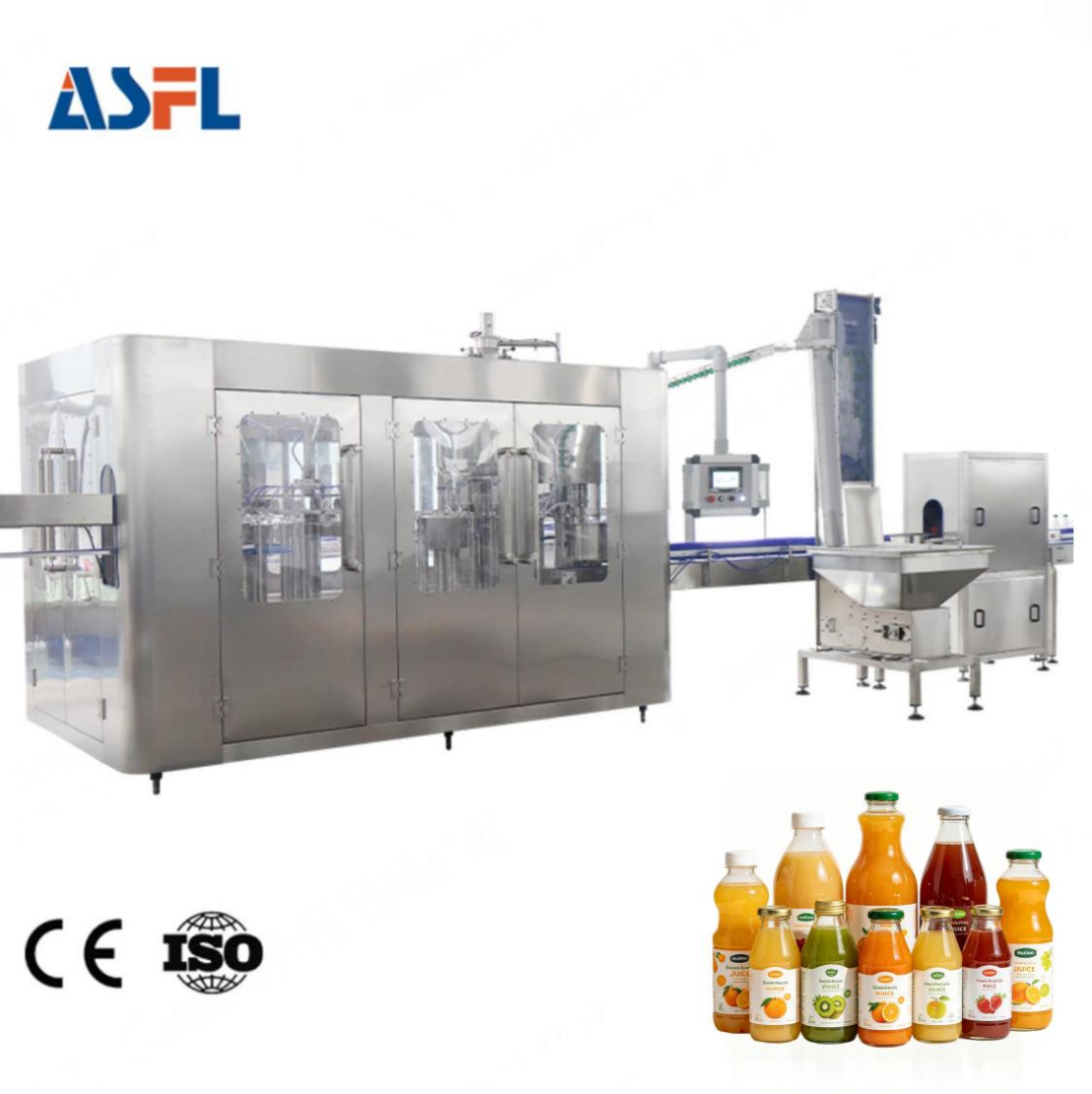
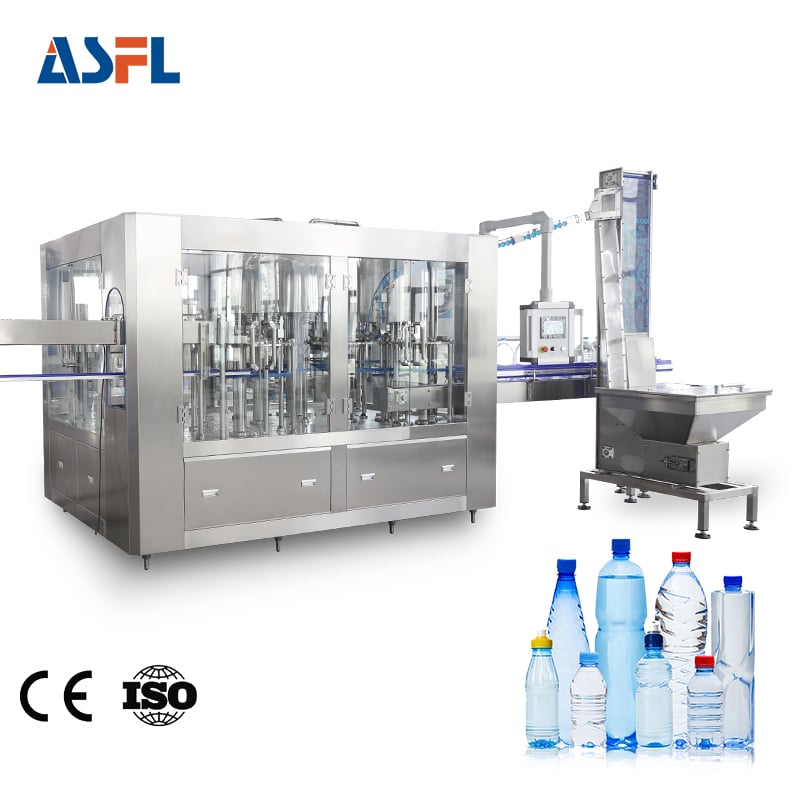
Compact equipment can also make the route from empty bottle to capped bottle easier to plan. A small water bottling plant can place the filler near its water supply and downstream packing area, provided there is enough space for safe movement and cleaning. Some compact designs combine functions on one frame; others use separate modules. Ask the supplier to identify exactly which operations are included rather than assuming that the word automatic covers the complete line.
The trade-off is access. A tight enclosure may save floor area yet make a valve, drain or cap feeder difficult to reach. Evaluate the working envelope, not just the machine's length and width. Doors, removed guards, service tools and the path used to bring in spare parts all need room.
Size the line around the working day
Before comparing a small water filling machine with a larger line, turn the sales forecast into a shift requirement. Divide the expected number of saleable bottles by the hours genuinely available for filling. Exclude planned cleaning, breaks, changeovers and other scheduled interruptions from those hours. This is a planning calculation, not a promise of output.
For example, a target of 4,000 saleable bottles in a day with five hours available for filling calls for an average of 800 saleable bottles per hour. If rejects or interruptions occur during those five hours, the running rate must be higher than that average. The actual allowance should come from a trial and the plant's operating experience, not an assumed efficiency percentage.
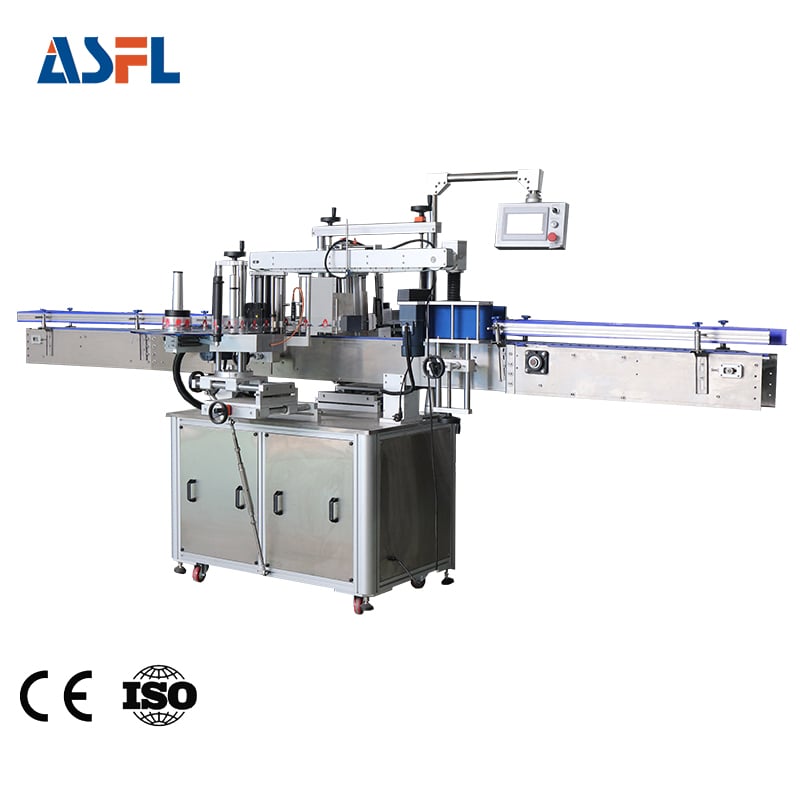
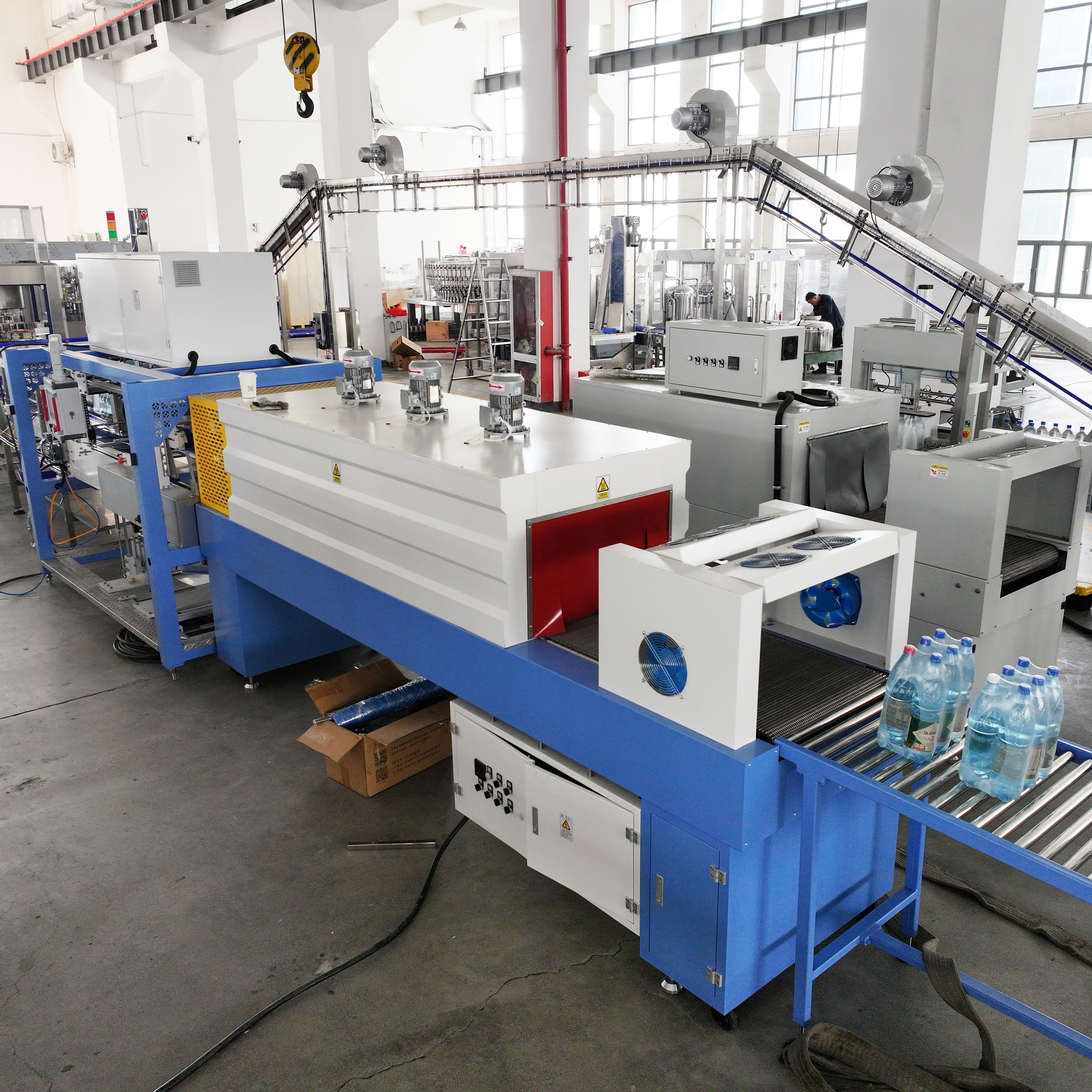
A small water bottling plant should compare that requirement with the rate of the entire proposed system. Bottle preparation, conveying, capping, labeling and packing can each limit finished output. A fast filler cannot compensate for an undersized cap supply or a packing station that regularly stops the conveyor. Ask each supplier to describe the test bottle, fill volume, cap and operating conditions behind any quoted speed.
Check the bottle path and the plant layout
Measure the room before accepting a footprint claim. Mark entry doors, floor drains, power connections, compressed-air supply if needed, water lines and clear routes for operators. Include space for empty containers and packed stock; these may occupy more area than the filler itself. A layout drawing should show the direction bottles travel and the hand-off points between equipment.
For a small water bottling plant using more than one bottle size, request a changeover list. Which guides, star wheels, nozzles or capping parts must be adjusted or replaced? Where are those parts stored? A short demonstration with the actual containers and closures can reveal whether a compact machine is convenient to operate or merely compact on paper.
Also check what happens when bottles fall, caps are missing or the downstream conveyor backs up. Operators need clear instructions for stopping, clearing and restarting the line. Interlocks, guarding and emergency-stop arrangements should be evaluated against the applicable safety requirements at the installation site.
Keep hygiene and water quality in the decision
A small water bottling plant needs a cleaning process that suits its water treatment, production environment and local rules. Ask for a product-contact materials list, accessible cleaning points, drainage details and written cleaning instructions. Determine whether cleaning is manual, uses a dedicated circulation arrangement or requires equipment outside the quotation. A compact footprint alone says nothing about sanitation performance.
For bottled drinking water operations in the United States, 21 CFR 129.40 requires product-water contact surfaces to be made of nontoxic, nonabsorbent material that can be adequately cleaned and sanitized. Other jurisdictions have their own requirements. The plant remains responsible for confirming the rules that apply to its site and for validating its cleaning and water-quality controls.
Water treatment and filling are connected but distinct decisions. Verify the required inlet quality, flow and pressure with the equipment supplier, and agree on sampling and inspection procedures with the plant's quality team. Do not infer that a filler by itself purifies water or establishes regulatory compliance.
Compare cost over the working life
The purchase price of a small water filling machine is only one line in the budget. A small water bottling plant should request a clear scope covering delivery, installation, commissioning, training, change parts and the interfaces to existing equipment. Utilities, consumables, spare parts and planned service can materially change the comparison.
Ask how faults are diagnosed and which parts the plant can replace locally. Check the availability of drawings, manuals and remote support before signing. A compact system may be a sensible choice when production is modest and space is constrained, but a higher-capacity or modular arrangement can be more suitable if demand is stable and expansion is imminent. Compare the cost and disruption of adding capacity later with the cost of installing it now.
A practical supplier and acceptance checklist
Send the same brief to each supplier so proposals are comparable. For a small water bottling plant, the following information helps turn a general quotation into a testable scope:
- Expected daily saleable volume, working hours, planned downtime and growth scenario.
- Bottle drawings or samples, fill volumes, cap specifications and any planned size changes.
- Available room dimensions, access routes, utilities and water-treatment interfaces.
- Cleaning method, contact-material documentation and applicable local requirements.
- Required included equipment, hand-off points, guarding, training and spare parts.
- Acceptance test conditions, agreed run duration, counting method and responsibilities for corrective work.
During an acceptance run, count finished bottles and rejects, note interruptions and observe both a routine cleaning task and a format change if relevant. Agree beforehand how results will be recorded and what happens if the equipment does not meet the agreed criteria. A trial cannot predict every operating day, but it gives both parties a common basis for resolving questions before handover.
Choose the right compact configuration
A compact automatic system can support a small water bottling plant when its working envelope, hygiene access and actual line output match the operation. It is less persuasive when the quoted speed depends on a bottle or staffing arrangement that the plant will not use. Start with the production brief, compare complete scopes, and verify the proposed configuration with real containers. Ace-Filling works in liquid and beverage packaging machinery; a supplier discussion can begin with those practical requirements rather than a machine label alone.
 Hot News








