 EN

For a small beverage project, choosing a liquid filling machine small enough for the available floor space is only the first decision. The more useful question is whether one compact machine can coordinate filling and capping with fewer handoffs, while still matching the drink, bottle, cap, cleaning routine, and expected production rhythm. That is where a monoblock design can be worth evaluating.
From a procurement perspective, equipment selection should start with the product and container rather than a headline speed. A small liquid filling machine may suit a pilot line, a regional brand, or a new SKU launch, but its fit depends on stable operating conditions. A monoblock can simplify the path between filled bottle and cap application; it does not remove the need to verify liquid behavior, bottle handling, or acceptance criteria.
What a monoblock changes in a small beverage line
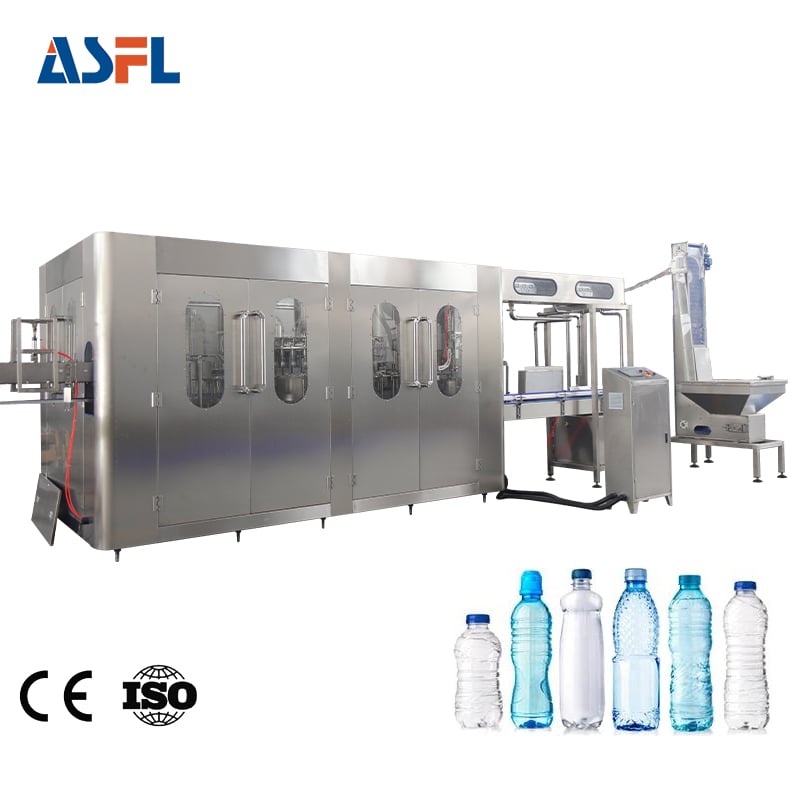
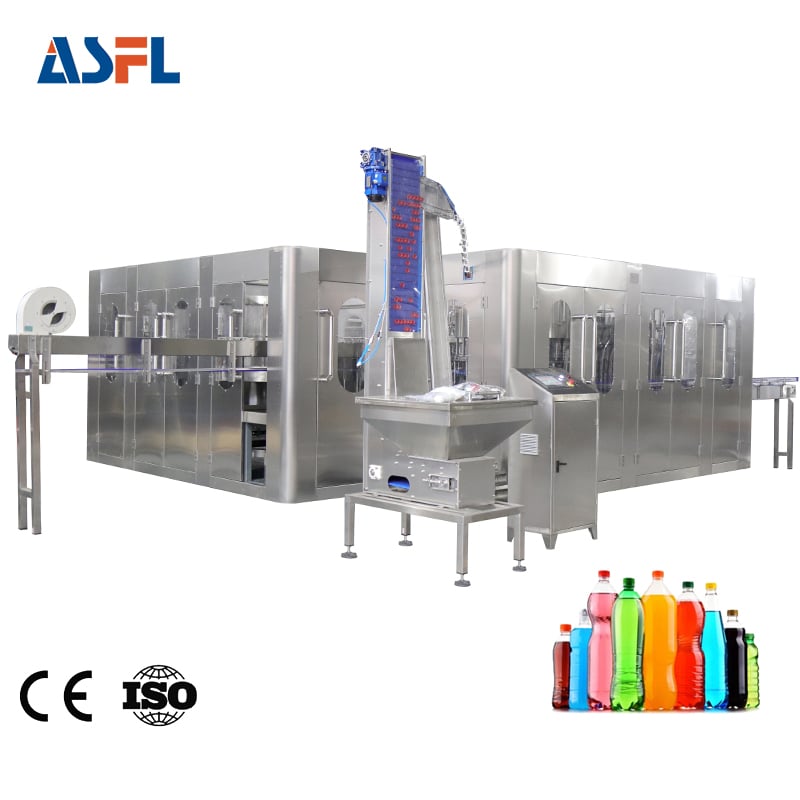
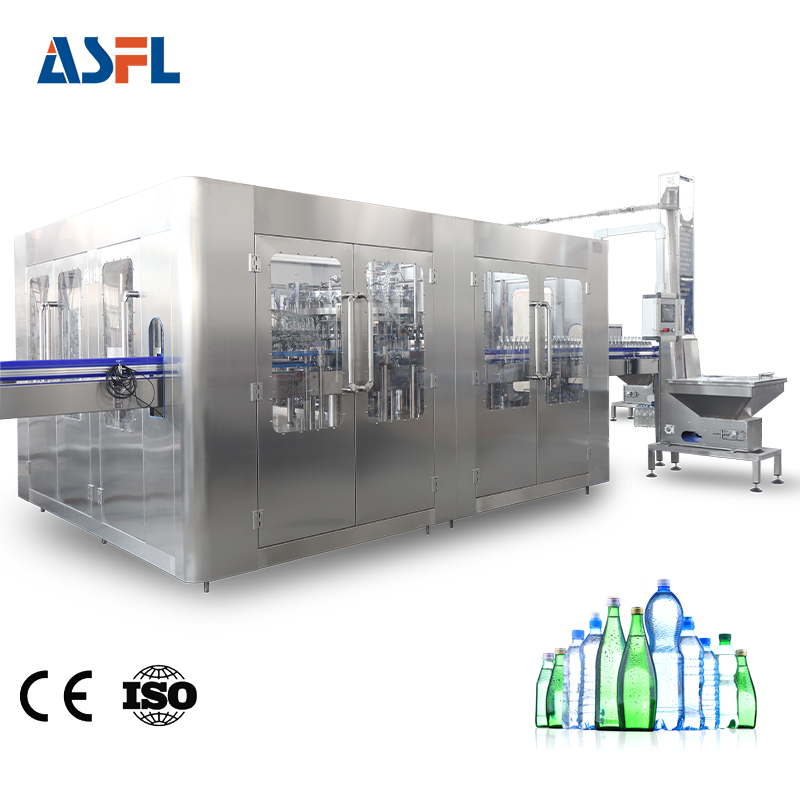
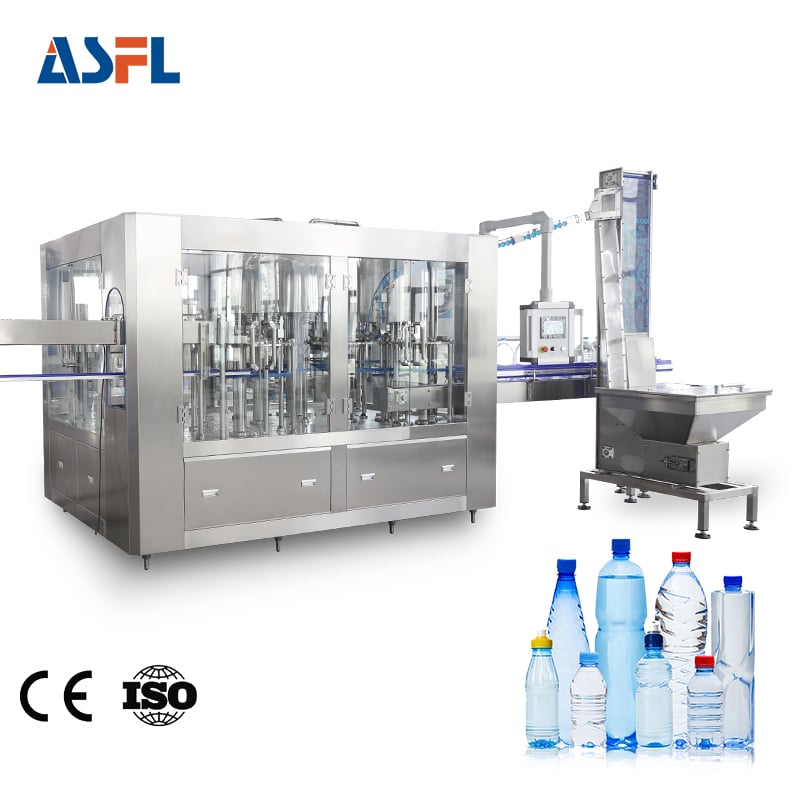
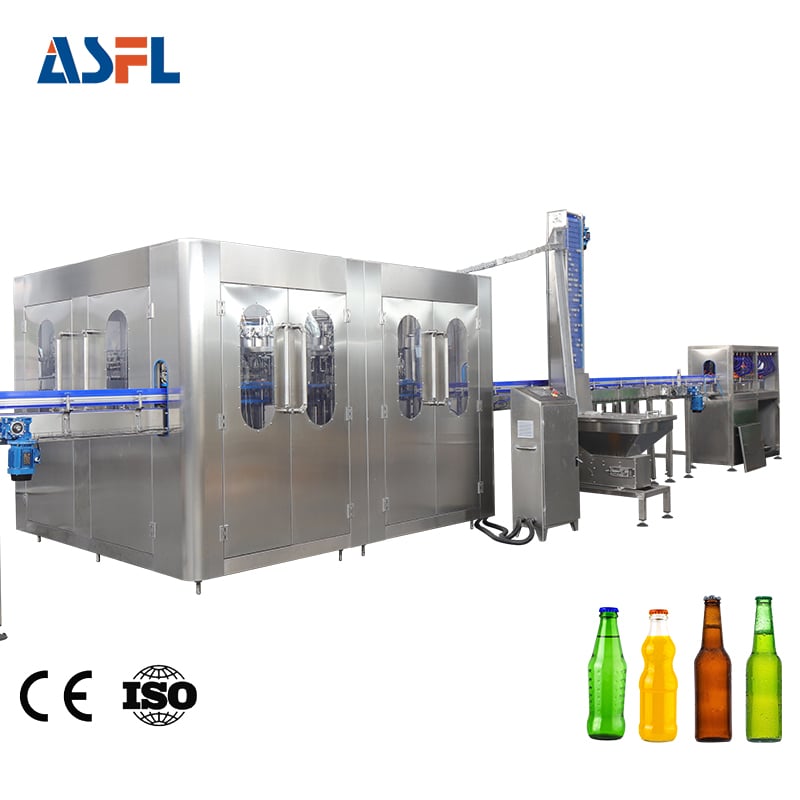
A monoblock commonly combines two or more adjacent packaging functions in one coordinated frame, such as bottle rinsing or handling, filling, and capping. For a compact project, this arrangement can reduce the number of transfers between separate machines. Fewer transfers may make layout planning simpler and may reduce the points at which bottles can back up, tip, or wait uncovered. The value is practical rather than automatic: the combined stations still need to run at compatible speeds.
That is why a liquid filling machine small project is often better assessed as a short process rather than as a single purchase. Map the route from empty bottles to filled, capped bottles, then ask where product supply, bottle infeed, fill control, cap feeding, inspection, and discharge can slow one another down. A compact monoblock can be a sensible answer when those interfaces are straightforward and the expected formats are limited.
When a monoblock is a sensible choice
A monoblock deserves serious consideration when the project has a repeatable product and package combination. Examples include a water, juice, tea, or other beverage program with a defined bottle family, a small number of fill volumes, and caps that can be supplied consistently. In these cases, a shared control sequence can make routine operation easier to coordinate than separate filling and capping stations.
- Limited floor space: The layout can be more compact than a line built from several standalone units, provided there is still safe access for cleaning, cap loading, inspection, and maintenance.
- A defined production sequence: Filling and capping can be matched around one target rhythm instead of relying on manual transfer between machines.
- Frequent quality checks: Operators can observe fill level, bottle position, cap presentation, and discharge in a concentrated area.
- Controlled format range: A small liquid filling machine is easier to validate when bottle geometry and closure styles are known before configuration.
There is a useful distinction here. A monoblock is not automatically the right answer simply because production is small. If a site changes bottle sizes, closures, or beverage types very often, the time and work required for changeover may outweigh the benefit of a tight layout. Ask the supplier to describe each adjustment, the tools involved, the verification steps, and who performs them.
Match the filling method to the beverage, not the catalog label
The phrase liquid filling machine small covers different filling principles. A thin, still beverage may call for a different approach than a foaming, pulpy, acidic, carbonated, or higher-viscosity drink. The relevant questions are whether the product has particles, how it behaves during filling, whether it foams, whether it is hot-filled, and what level of fill consistency the project needs. These are process questions, not optional details.
A small beverage manufacturer should provide representative samples and record the intended temperature range, fill volume, bottle neck finish, and expected cap type. A meaningful trial should observe filling, capping, bottle transfer, and recovery after a normal pause. In other words, do not treat a theoretical output figure as the project result. Stable output should be demonstrated with the actual liquid and packaging conditions wherever possible.
Use cleanability as a design check
For beverage projects, cleanability should be examined early because it affects daily labor, changeovers, and food-safety controls. In the United States, 21 CFR 117.40 states that food-processing equipment must be adequately cleanable and maintained to protect against contamination; it also addresses corrosion resistance and suitability of food-contact surfaces for their intended environment and cleaning procedures. This does not establish that a particular machine complies with a specific market requirement. It does provide a useful evaluation lens.
Ask to see the product-contact route, tank and piping access, valve design, drain points, seals, and the documented cleaning approach. If the product range includes bottled water, also confirm the rules that apply in the target market; U.S. bottled-water operations have additional current good manufacturing practice provisions under 21 CFR Part 129. The final compliance decision belongs with the manufacturer and relevant regulatory advisers, but the equipment inquiry should not wait until installation.
Evaluate the whole operating rhythm
The attractive feature of a monoblock is coordination, so the evaluation should test coordination. A compact small liquid filling machine can run smoothly only when upstream bottle supply, product feed, cap supply, and downstream collection keep pace. Watch for bottle-neck positioning, cap placement, liquid level stability, and the response to a short stoppage. A filling issue and a capping issue should be examined together before either station is blamed alone.
| Verification point | Why it matters for a small project | What to request |
|---|---|---|
| Actual beverage sample | Foam, viscosity, temperature, and particles can change fill behavior. | A trial with the intended liquid and target fill volume. |
| Bottle and cap set | Neck finish and bottle tolerance affect positioning and closure application. | Testing with representative containers and closures. |
| Changeover steps | Short runs can lose time when adjustments are numerous. | A written sequence, tools list, and verification points. |
| Cleaning access | Daily sanitation and product changes affect usable production time. | A review of contact parts, drains, seals, and cleaning instructions. |
| Acceptance conditions | Catalog output is not the same as reliable project throughput. | Agreed checks for fill, cap, rejects, running time, and stoppage recovery. |
Build a usable supplier brief
A liquid filling machine small inquiry is easier to evaluate when it defines the operating window rather than merely asking for a price. A small liquid filling machine brief should state the beverage, temperature, target fill volume, bottle drawing, cap type, expected run length, utilities, cleaning approach, and available floor area. This gives the supplier a basis for proposing a configuration and gives the buyer a record against which to assess the trial.
- For liquid filling machine small selection, provide samples of the beverage and representative bottles and caps.
- For liquid filling machine small evaluation, define the fill-volume tolerance and visual quality checks.
- For liquid filling machine small trials, include normal pauses, restart behavior, and cap replenishment.
- For liquid filling machine small changeovers, list every format likely in the first production phase.
- For liquid filling machine small cleaning review, ask for access to valves, seals, drains, and contact parts.
- For liquid filling machine small layout planning, reserve clearance for operators and service work.
- For liquid filling machine small acceptance, agree how stable output is measured after ordinary checks and stops.
- For liquid filling machine small expansion planning, identify only the next likely package or downstream connection.
- For liquid filling machine small training, clarify who adjusts formats and who owns daily inspection.
- For liquid filling machine small maintenance planning, document wear parts and the support route.
- For liquid filling machine small purchasing, compare the documented scope and verification plan, not just the headline speed.
Make the decision with a trial and an acceptance list
A monoblock can be a strong fit for a small beverage manufacturing project when filling and capping need to work as one compact, repeatable process. Its value is clearest when the product, bottle, and closure are reasonably defined; cleaning can be managed; and the team agrees on how output and quality will be tested. The decision should be based on a demonstration using representative conditions, not on a single maximum-speed number.
Before committing, turn the project brief into a supplier discussion list: beverage sample, bottle and cap drawings, target volumes, operating temperatures, cleaning expectations, floor layout, utilities, operator access, and acceptance checks. That preparation gives a small liquid filling machine evaluation the context it needs and helps determine whether a monoblock is the right level of integration for the next stage of production.
 Hot News








