 EN

A low purchase price can look attractive when a new beverage line is under budget pressure. Yet a carbonated bottling machine works at the point where product pressure, bottle handling, filling accuracy, closure performance, hygiene, and line speed meet. If one of those systems is poorly specified or weakly built, the cost often reappears as lost production time, rejected packs, extra labor, and difficult investigations.
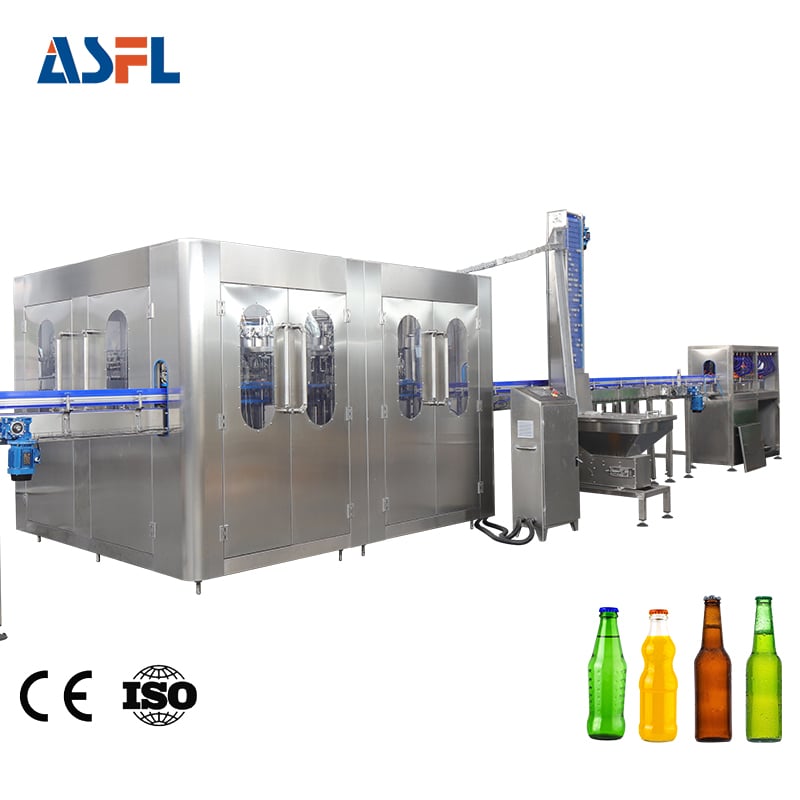
From a B2B procurement perspective, the practical question is not whether a carbonated bottling machine can run during a brief demonstration. It is whether it can run your beverage, bottle, closure, pressure range, and cleaning routine steadily. A trial run is useful precisely because rated speed is not the same thing as stable output.
Why carbonated filling amplifies equipment weaknesses
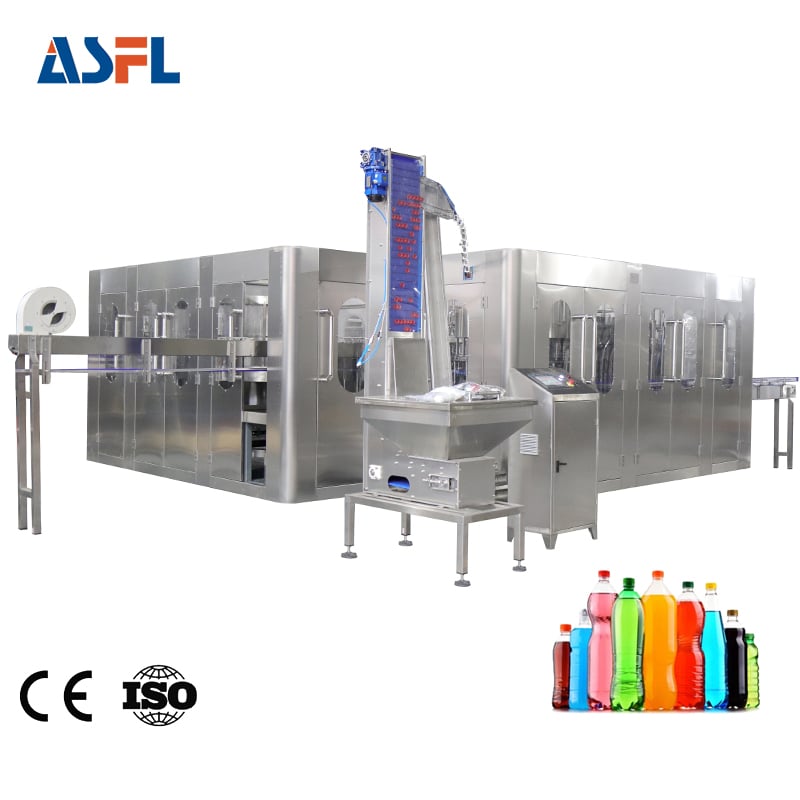
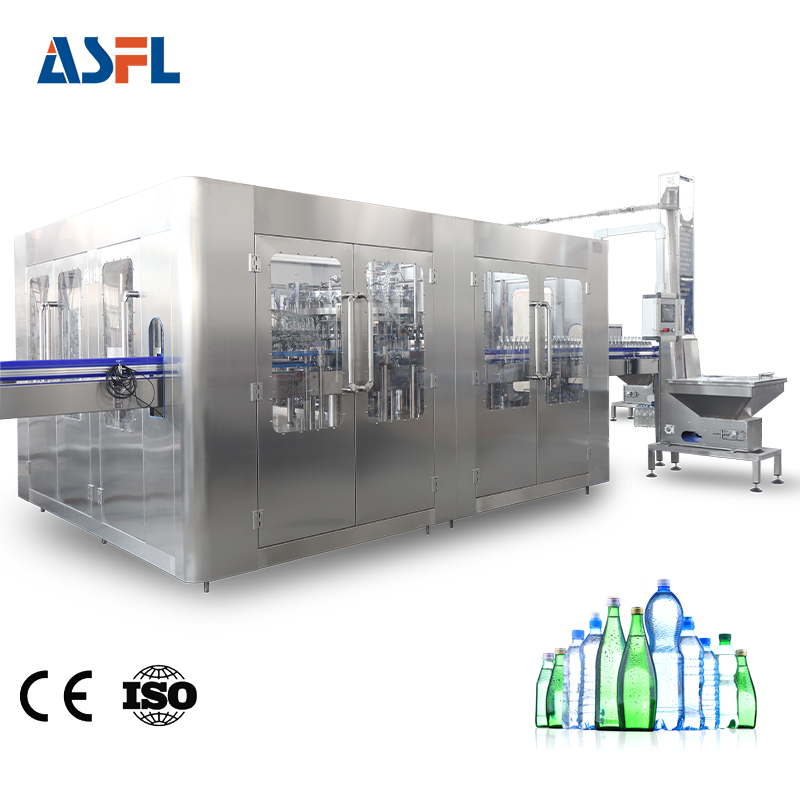
A carbonated bottling machine must handle a liquid that can foam or release dissolved gas when pressure, temperature, fill timing, or bottle conditions drift. Counter-pressure filling is commonly used to keep the filling process pressure-balanced and to limit carbonation loss. A low quality carbonated bottling machine may not hold those conditions consistently across all filling valves. The visible symptoms can be inconsistent fill levels, foaming, wet bottles, cap-area contamination, or variable product appearance.
That matters commercially. A small instability at the filler can force slower operation, more frequent intervention, or tighter rejection settings downstream. Rather than accepting a generic capacity claim, ask the supplier to show the carbonated bottling machine operating with your carbonation level, package format, target fill level, and expected line rhythm.
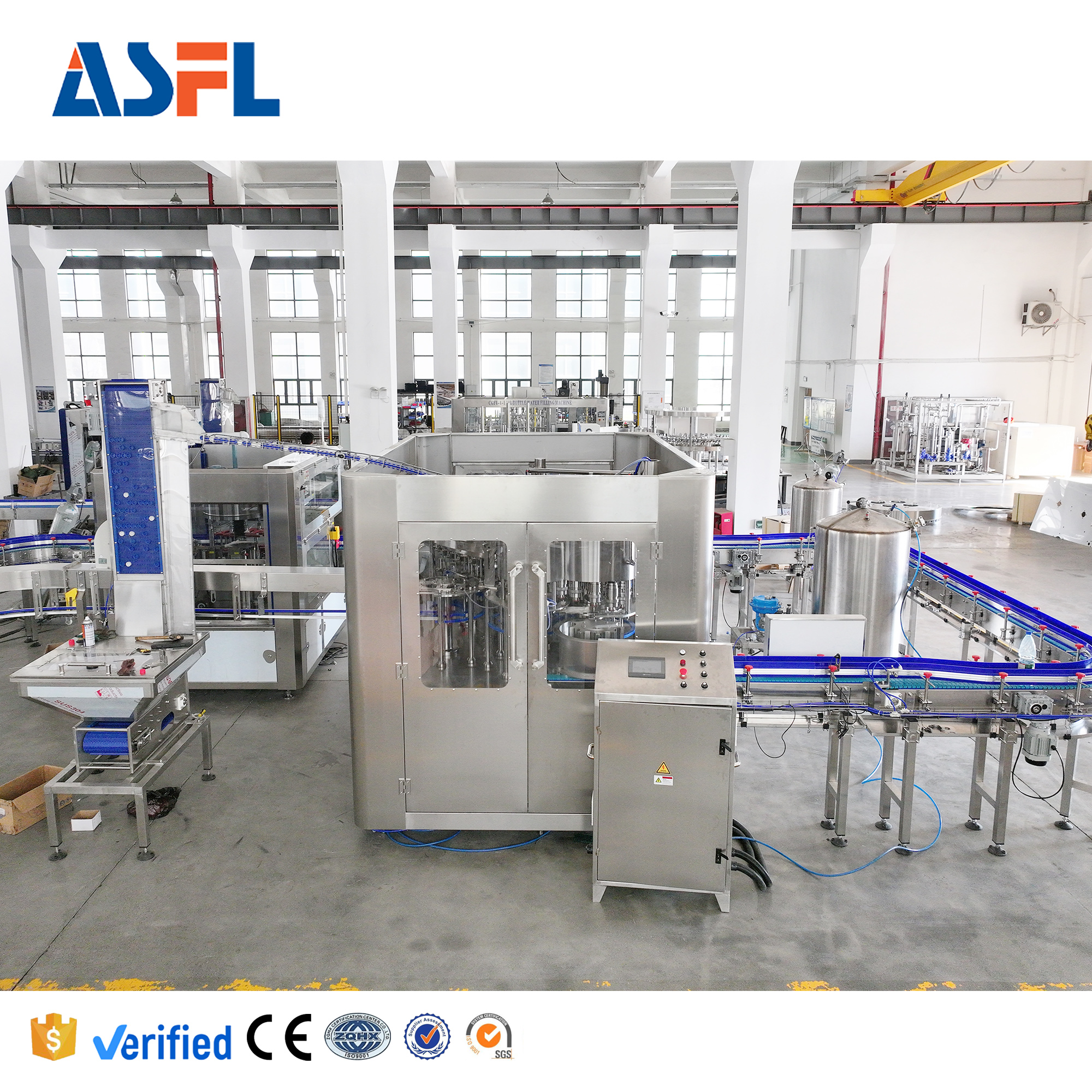
1. Product-quality and package-integrity risk
When a carbonated bottling machine has poorly controlled filling valves, unstable pressure control, or unreliable bottle lifting, product quality can vary from bottle to bottle. Underfills can create compliance and customer-service concerns; overfills can add cost and create messy transfer conditions. Excess foaming may also disrupt capping and make it harder to maintain a clean, repeatable package presentation.
Do not assess the filler in isolation. Bottle-neck geometry, cap torque, closure supply, conveyor transfer, and product temperature all influence the outcome. A supplier may show a carbonated bottling machine high-speed configuration at a nominal rate, but your acceptance criteria should define a sustained run, allowed reject rate, fill-level tolerance, carbonation-related observations, and the bottle sizes to be tested. This turns a sales claim into an observable production condition.
2. Food-safety and cleanability risk
Low-grade construction can create difficult-to-clean joints, rough or damaged product-contact surfaces, poor drainage, inaccessible valves, and seals that wear sooner than expected. Food equipment should be designed so that it can be adequately cleaned and sanitized. If a carbonated bottling machine makes that work difficult, operators may need longer cleaning windows, more manual disassembly, or repeated checks after a sanitation cycle.
Ask to see the actual product path, not just exterior stainless panels. Review valve design, gasket locations, dead-end areas, drainability, cleaning access, and the cleaning procedure supplied with the machine. “Stainless steel” alone is not enough information. A practical evaluation of a carbonated bottling machine includes material documentation for product-contact parts and a walk-through of how the team can inspect, clean, reassemble, and verify the relevant areas.
3. Downtime and maintenance risk
Cheap components can shift the cost to maintenance. Bearings, seals, sensors, pneumatic parts, drives, and filling-valve components may require attention more often when fit, protection, or spare-parts support is weak. The result is not merely a repair bill. An unexpected stop can leave product in the system, upset the upstream mixer or downstream capper, and consume time while technicians diagnose an intermittent fault.
Maintenance access deserves the same scrutiny as output. Can a technician reach wear parts without removing unrelated assemblies? Are lubrication points clear? Is there room to isolate and service the carbonated bottling machine safely? For facilities subject to OSHA requirements, servicing equipment with hazardous energy calls for energy-isolation procedures and verification. Even where a different legal framework applies, accessible lockable isolation points and clear machine documentation are sensible procurement checks.
4. The automation trap
A carbonated drink filling machine automated line can reduce repetitive handling, but automation does not remove the need for stable mechanics, calibrated sensors, trained operators, and recoverable fault logic. In a low quality carbonated bottling machine, poorly placed sensors or unclear alarms can turn a simple jam into a prolonged reset sequence. Operators may begin bypassing alarms or making adjustments by feel, which makes output less predictable.
During review, ask for a fault-recovery demonstration. Have the supplier show what happens after a bottle jam, low closure supply, pressure deviation, or sensor interruption. Record the steps, tools, access required, and time needed to return the carbonated bottling machine to normal operation. That exercise often reveals more than a speed demonstration.
5. Installation and integration risk
Carbonated drink filling machine installation is more than positioning a filler on the floor. The machine must connect with product supply, CO₂ control, rinsing or bottle handling, capping, conveyors, electrical supply, compressed air, drainage, and safety guarding. A weak supplier drawing or incomplete connection list can lead to late changes, improvised pipework, poor access, and commissioning delays.
Before release, build an connection-point checklist: utility requirements, footprint, floor loading, bottle-flow direction, elevation changes, guard clearances, drainage points, data signals, and responsibility at each handoff. Then verify that the carbonated bottling machine can support the intended changeover process. A faster machine is not necessarily more useful if format changes consume an excessive share of the available shift.
6. Hidden lifecycle cost
The purchase price of a carbonated bottling machine is only one part of the decision. Include foreseeable costs for rejected product, cleaning labor, spare parts, utility use, service travel, operator training, changeovers, and lost output during unplanned stoppages. Low-cost equipment can be suitable for a narrow duty cycle, but the assumption should be tested against your actual schedule and maintenance capability.
Ask for a recommended spare-parts list, component brands or specifications where appropriate, electrical and pneumatic diagrams, maintenance intervals, and response expectations for technical support. If the supplier cannot make these items clear before purchase, the buyer will have little basis for planning ownership after installation.
A buyer’s acceptance checklist
- Run the carbonated bottling machine with representative beverage, bottle, closure, and carbonation conditions.
- Define a sustained test duration, not only a short peak-speed display.
- Measure fill consistency, rejects, foam behavior, closure results, and restart behavior.
- Inspect product-contact areas, cleaning access, drainage, seals, and documentation.
- Verify guarding, emergency stops, isolation points, service access, and operator instructions.
- Confirm utilities, line connection points, changeover tasks, spare-parts plan, and handover training.
Make the decision on evidence
Selecting a carbonated bottling machine on price alone can expose a plant to quality variation, sanitation difficulty, downtime, integration problems, and rising ownership cost. A more reliable approach is to convert each concern into an acceptance test and obtain written confirmation of the configuration being supplied. If the machine cannot demonstrate stable operation under representative conditions, the apparent saving deserves closer review before the purchase order is released.
 Hot News








