 EN

Labor shortages place a particular strain on beverage plants because production depends on many small, time-sensitive handoffs. Empty bottles must arrive in the right orientation, product must reach the filler steadily, closures must be applied correctly, and finished packs must leave the line without creating a backup. An automated bottling line does not remove the need for capable people. It reduces the number of repetitive touchpoints that must be staffed continuously, so a smaller team can focus on running, checking, and improving the process.
From a packaging-line engineering perspective, the useful question is not “How many people can an automated bottling line replace?” It is “Which recurring tasks can the line perform consistently, and where should skilled operators remain involved?” That distinction matters when a factory needs dependable output despite absences, recruitment pressure, or seasonal demand changes.
Where labor pressure builds on a beverage bottling line
Manual bottling operations often rely on people to feed containers, watch fill levels, position caps, move bottles between stations, inspect labels, and carry cartons or trays. Each job may look simple in isolation. Together, they create a chain in which one missing operator can slow every downstream station. The problem is not only headcount; it is the need to keep every handoff synchronized for an entire shift.
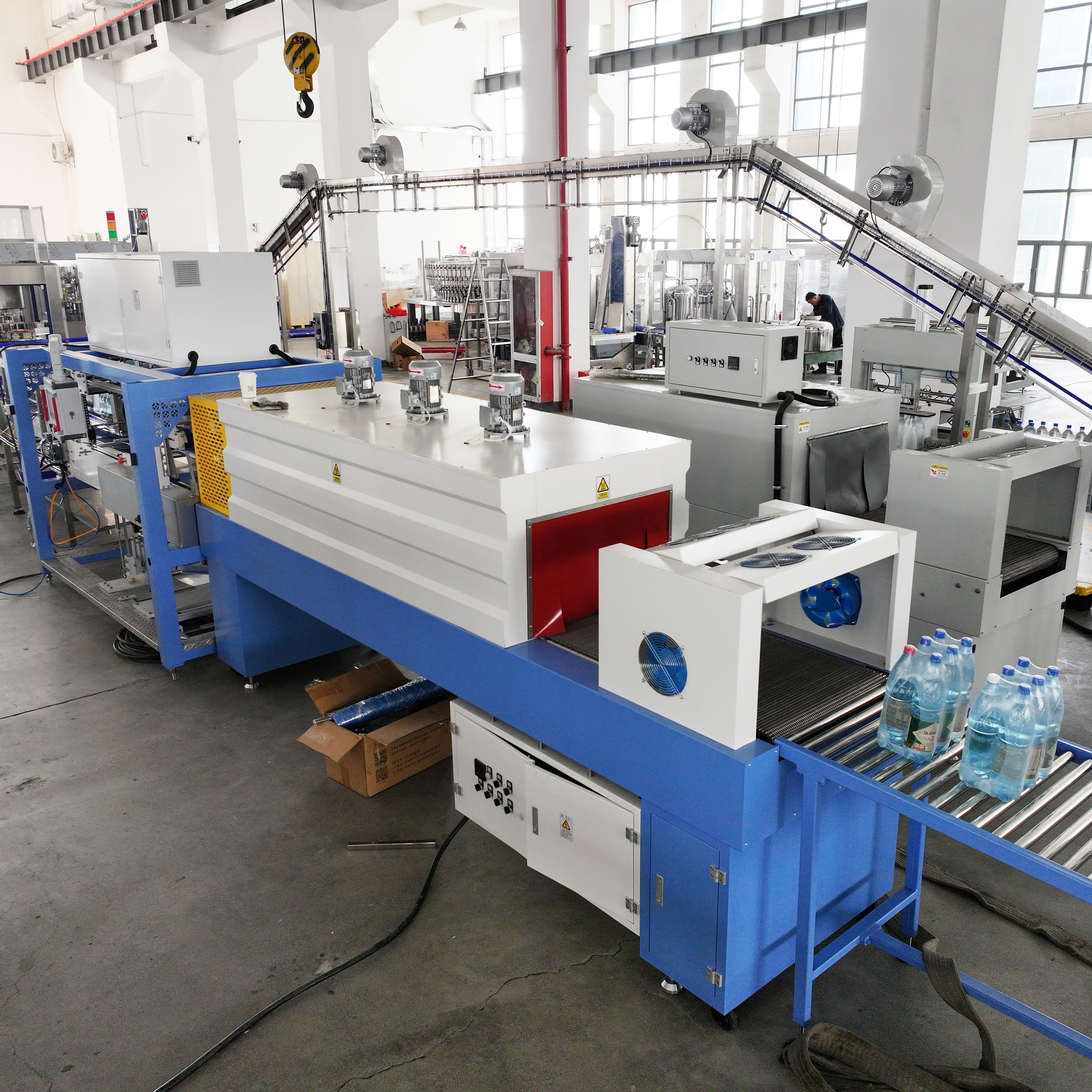
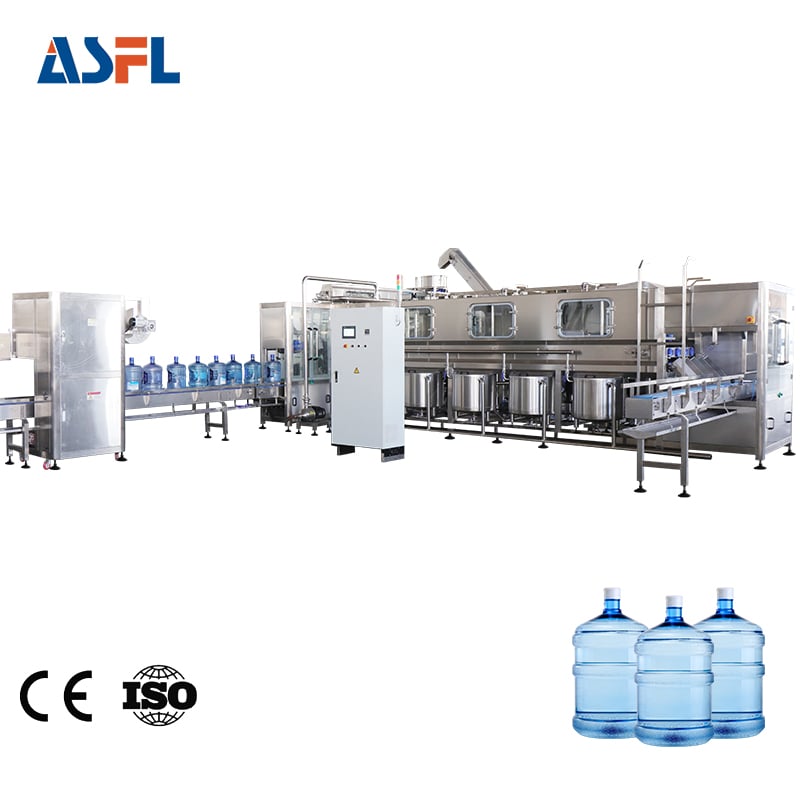
An automated bottling line links bottle handling, rinsing where required, filling, capping, conveying, labeling, and end-of-line preparation through coordinated controls. Rather than assigning people to move bottles from one machine to another, the system can maintain the transfer sequence. This gives supervisors a clearer view of where a stop begins and which condition needs attention.
An automatic bottling line is therefore most useful when it addresses repetitive motion and transfer work that is difficult to staff reliably. It is less useful when a project ignores the real sources of instability, such as inconsistent bottle supply, foaming product, poorly matched conveyors, or slow changeovers.
How an automated bottling line changes the daily work mix
The main labor benefit of an automated bottling line is task redeployment. Operators can spend less time performing constant manual transfers and more time on work that needs judgement. Depending on the process, that can include confirming material readiness, checking cap and label quality, monitoring fill performance, completing sanitation tasks, responding to alarms, and documenting deviations.
This does not mean that an automated bottling line should run without oversight. Beverage production still needs trained staff to verify the product, container, closure, and packaging materials. Operators also need to review the line after adjustments, clean relevant areas according to the plant procedure, and decide whether a recurring fault indicates a mechanical, material, or process issue.
Put another way, an automatic bottling line can reduce dependency on constant manual handling, while the remaining team takes on more valuable control and verification work. That approach is usually more realistic than treating automation as a simple staffing substitute.
Stable handoffs matter more than a nameplate speed
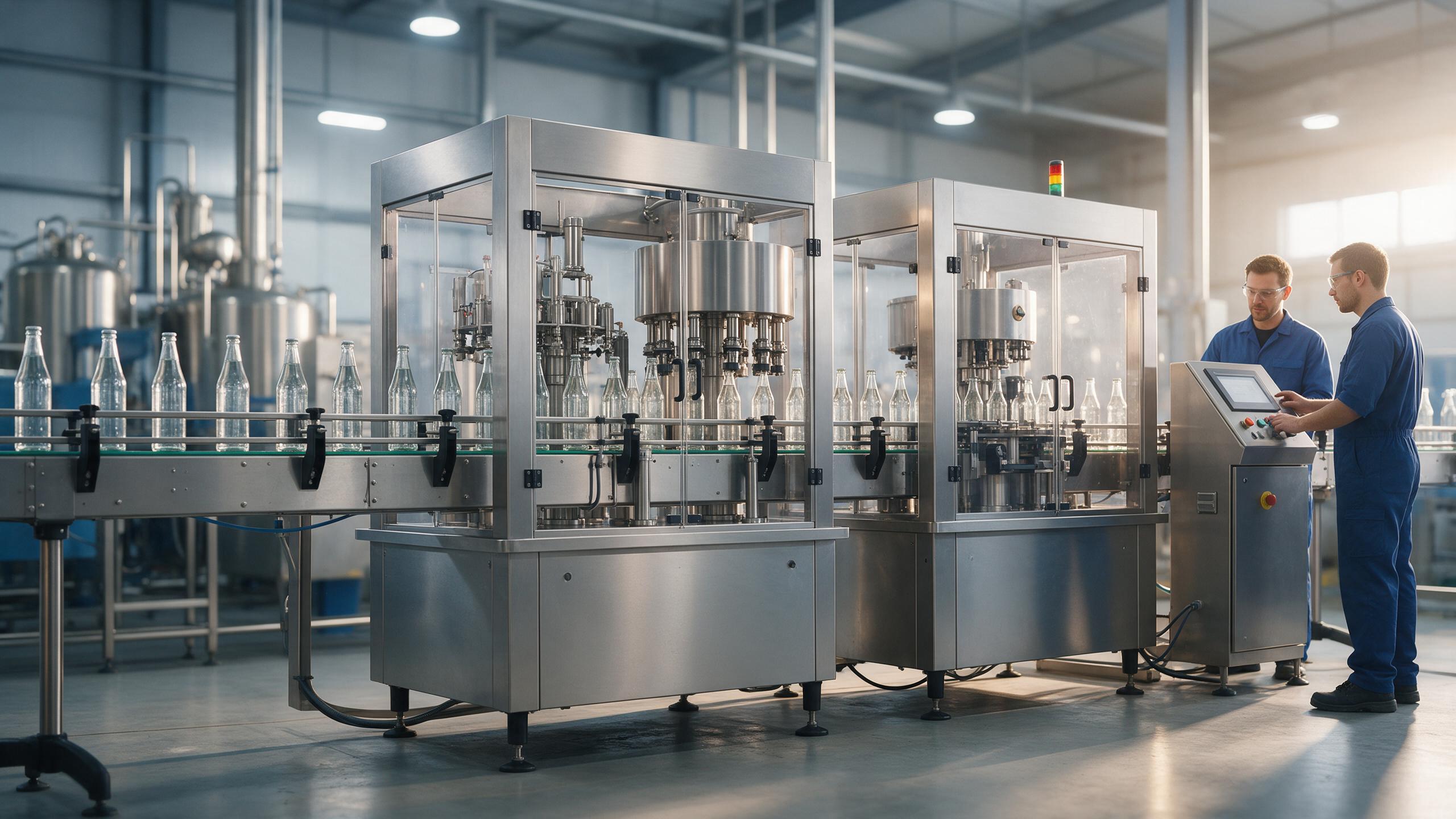
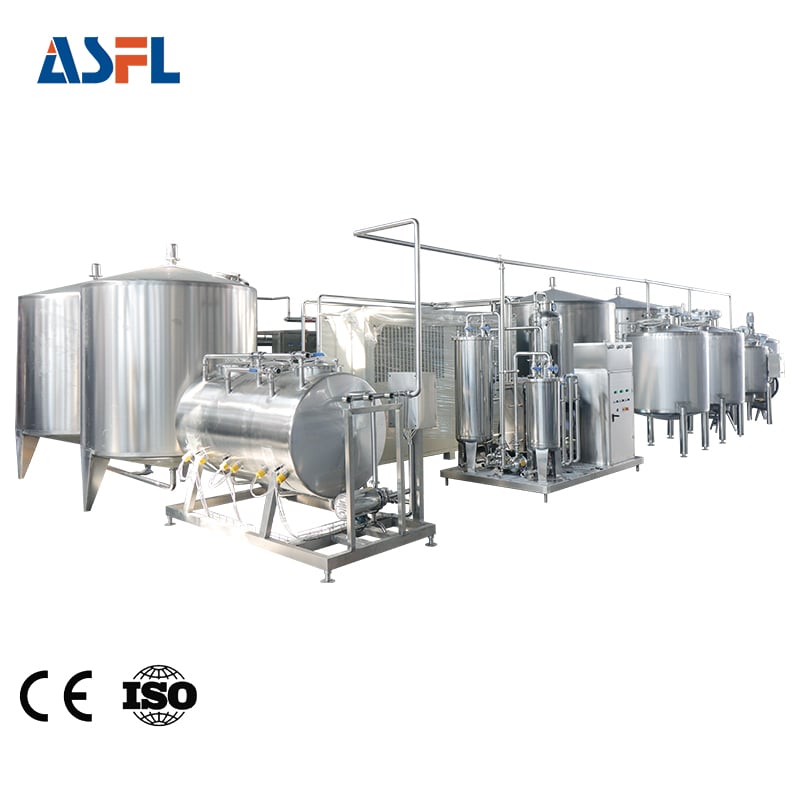
When evaluating an automated bottling line, factories should look beyond the filler itself. A line operates as a connected system. Bottle infeed, product supply, filling, capping, discharge, labeling, and packing must work at compatible rhythms. If one station cannot accept product or containers at the required moment, upstream equipment may stop and operators may return to manual intervention.
For this reason, a practical review begins with the conditions around the automated bottling line:
- What bottle shapes, sizes, and material tolerances will enter the line?
- How stable is product supply, especially for carbonated, foaming, or temperature-sensitive beverages?
- Which cap, label, and secondary-pack formats must the equipment handle?
- Where can bottles accumulate safely when a downstream station pauses?
- How will the team confirm output quality during startup, changeover, and normal running?
These questions help turn a broad labor-shortage discussion into a configuration and validation plan. An automatic bottling line may reduce repetitive work, but its staffing advantage depends on stable operating conditions.
Why controls and alarms support a smaller operating team
When a line includes coordinated sensing and controls, operators can receive a clearer signal when bottles back up, caps run low, a station stops, or a transfer is out of sequence. An automated bottling line cannot diagnose every problem by itself, but well-organized status information can shorten the time needed to locate the affected area.
This matters during a labor shortage because experienced people are often covering several responsibilities. Instead of standing at every machine, the team can monitor key conditions, intervene where the issue begins, and confirm the line has returned to normal operation. The most useful controls are those that fit the plant’s actual response process rather than adding screens with no agreed action behind them.
Automation also requires training and maintenance discipline
An automated bottling line changes the skills a factory needs. Staff may need training in recipe selection, change-part handling, basic fault recognition, safe restart procedures, and routine inspection. Maintenance planning also becomes important: worn guides, poorly adjusted sensors, contaminated components, or delayed replacement of consumable parts can create recurring stops that erase the expected labor benefit.
Machine safety must be part of the plan as well. Integrated equipment should be assessed for guarding, emergency-stop access, and safe operating procedures before production begins. General machine-guarding requirements, including OSHA 29 CFR 1910.212 in applicable U.S. settings, illustrate why safeguarding needs to be considered alongside productivity. Local rules and the factory’s own risk assessment remain the controlling requirements.
A practical way to scope an automated bottling line
Before selecting an automated bottling line, map the present process from empty-bottle arrival to finished-pack handoff. Note where people repeatedly lift, position, inspect, or wait for another station. Then identify which tasks need physical automation, which need better conveying or accumulation, and which still require human verification.
- Define the beverage, bottle, closure, label, and pack formats.
- Record target operating conditions, including planned changeovers and cleaning needs.
- Identify the handoffs that currently depend on continuous manual attendance.
- Agree on quality checks and escalation steps for the remaining operating team.
- Review the proposed automatic bottling line under representative production conditions before final acceptance.
A beverage factory coping with limited labor does not need an abstract promise of automation. It needs an automated bottling line designed around its containers, product behavior, shift pattern, maintenance resources, and safety process. When those conditions are clarified, automation can make the line easier for a lean team to supervise and keep stable.
 Hot News








