 EN

A beer bottling line performs several linked jobs in a short time: bottle handling, rinsing, filling, capping, conveying, and often inspection or labeling. A useful maintenance plan therefore follows production exposure and operating condition, not the calendar alone. From a maintenance-planning perspective, the practical goal is to give each beer bottling line component a clear owner, a repeatable inspection point, and an escalation route before a small drift becomes a long stop.
There is no universal interval that suits every beer bottling line. Run hours, bottle format, beer foam behavior, cleaning chemistry, water quality, ambient conditions, and the original equipment manual all matter. The schedule below is a starting framework for a brewery to adapt with its OEM instructions, risk assessment, and validated sanitation procedure.
Build the cycle around four layers
Rather than treating maintenance as one monthly event, split a beer bottling line plan into shift checks, weekly care, monthly inspection, and condition-based service. This separates work that operators can observe during normal running from tasks that need qualified maintenance staff or a planned shutdown. It also makes the record useful when recurring faults need investigation.
- Every shift or every production day: clean, inspect, listen, and record deviations.
- Weekly: check adjustment, lubrication points, fasteners, guards, and wear patterns.
- Monthly or by run hours: inspect critical wear parts, drives, sensors, and process stability.
- Condition-based or planned shutdown: replace parts and complete deeper work when measured condition, trend data, or OEM limits call for it.
Here is the key distinction: sanitation frequency and mechanical maintenance frequency are related, but they are not the same. A beer bottling line may be cleaned after production while a seal, chain, or gearbox follows a separate inspection or service interval. Keeping those records distinct helps teams see whether an issue follows a cleaning cycle, a bottle change, or accumulated run time.
Shift checks: protect hygiene and spot drift early
At the start, during, and end of a shift, operators should walk the beer bottling line in process order. Look for broken bottles, product residue, unusual vibration, air leaks, loose guards, missing fasteners, and changes in conveyor flow. A short inspection sheet is more valuable when it asks for observable conditions rather than a simple pass/fail signature.
On the rinser and filler, inspect visible spray patterns or rinse performance where safely observable, check that valves and filling heads return consistently, and look for drips around seals and fittings. On a counter-pressure system, changes in foam, fill level, or bottle handling should be recorded with the relevant product and speed condition. These observations do not diagnose every cause, but they help maintenance compare one beer bottling line shift with the next.
For the capper, verify cap feed, bottle-neck guidance, and closure appearance using the brewery’s approved quality checks. For conveyors, remove debris, check transfer points, and note scuffing or bottle accumulation. An operator should not adjust guarded or energized components outside site procedures; the point is to flag a condition while it is still easy to trace.
Weekly checks: focus on motion, alignment, and accessible wear
A weekly beer bottling line routine is a sensible place to inspect items that change gradually. Follow the OEM lubrication chart, using only approved lubricants and the specified quantity. More grease is not automatically helpful; excess can collect soil or reach areas where it does not belong. Record the point serviced, material used, date, and person completing the task.
- Inspect chains, guides, star wheels, rails, and transfer plates for wear, alignment, and bottle-contact marks.
- Check pneumatic preparation units, visible hoses, fittings, and pressure stability according to site safety rules.
- Inspect accessible belts, couplings, and guards for tracking, tension indications, damage, or loose mounting hardware.
- Review filler and capper change parts for scoring, cracks, or a fit that no longer matches the active bottle format.
Weekly review is also a good time to compare stoppage notes. A beer bottling line that slows at the same transfer point after a specific bottle change may need an alignment check, not just another restart. Put another way, the line bottleneck may not sit at the filler.
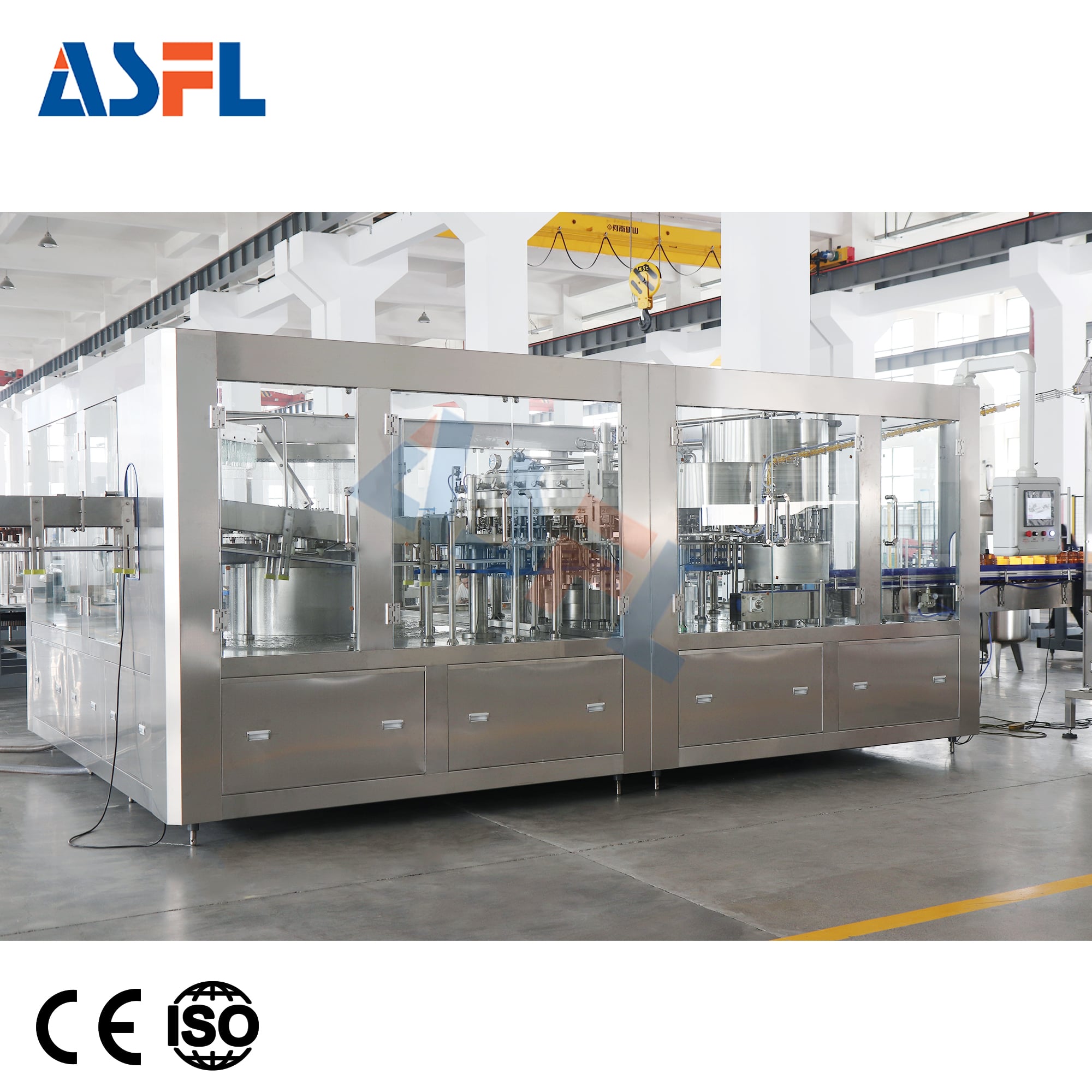
Monthly or run-hour checks: verify the core machines
Use a monthly date, a run-hour threshold, or whichever comes first to plan deeper inspection of the beer bottling line. The correct trigger should be agreed in the maintenance plan because a high-utilization brewery can reach a run-hour limit long before the next calendar review.
| Area | What to verify | Typical decision |
|---|---|---|
| Rinser and filler | Valve movement, seals, filling consistency, accessible bearings, and signs of leakage | Clean, adjust, or schedule replacement to the OEM limit |
| Capper | Heads, chucks, guides, cap delivery, and closure-check trends | Inspect wear parts and confirm setup with approved samples |
| Conveyors | Drive condition, sprockets, rails, wear strips, transfer timing, and bottle stability | Correct alignment and replace worn contact parts during a planned stop |
| Utilities and controls | Air quality, electrical enclosures, sensors, cables, and safety devices | Clean, test, and escalate faults to qualified personnel |
For a beer bottling line, a monthly review should include trend evidence: downtime by station, rejected-bottle reasons, fill-level variation, closure findings, and repeated alarms. That evidence supports a condition-based decision better than replacing every part on the same date.
Plan sanitation-related maintenance with cleanability in mind
Beer contact zones need cleaning and sanitation that follow validated brewery procedures, chemical supplier instructions, and equipment documentation. The European Hygienic Engineering & Design Group publishes guidance on assessing in-place cleanability and on hygienic design in wet-cleaned food-processing environments. For a beer bottling line, that is a reminder to inspect whether cleaning can reach intended surfaces and whether seals, fittings, and accessible joints remain in sound condition.
Do not copy chemical concentration, temperature, or contact-time figures from another brewery or a homebrewing source. Those parameters depend on soil load, equipment materials, the cleaning program, and site validation. After a cleaning cycle, check for residual product, leakage, damaged seals, and any new abnormal movement before returning the beer bottling line to production.
Use condition signals to change the interval
A calendar is only the default. Shorten an interval when the beer bottling line shows rising stops, recurrent bottle damage, unstable cap application, abnormal noise, increased leakage, or more difficult cleaning. Extend an interval only when documented inspections, run-hour history, and OEM guidance support it. Automatic equipment still needs human observation, especially after changeovers or maintenance work.
Assign each core component a simple history: installed date, hours or cycles, inspection result, work performed, parts used, and follow-up owner. This helps a brewery separate a one-time incident from a beer bottling line pattern. It also helps purchasing and engineering plan spares around actual consumption rather than emergency requests.
Turn the framework into a workable routine
Start with a one-page matrix for the beer bottling line: list the rinser, filler, capper, conveyors, utilities, and controls; add daily, weekly, and run-hour tasks; then link each task to the correct procedure and responsible role. Review the first few weeks of records with operators and maintenance staff. If one check produces no useful information, refine it. If a recurring issue appears, make its inspection point more specific.
For buyers comparing a beer bottling machine for sale, maintainability deserves the same early discussion as throughput and bottle range. Ask how change parts are inspected, which items are consumable, what access is needed for service, and which intervals are tied to run hours. A beer bottling line maintenance cycle works when it is realistic for the available team, verified by records, and aligned with the supplied machine documentation.

 Hot News








