 EN

Oxidation control is not a single adjustment at the filler. It is a chain of decisions that starts with product preparation and continues until the lid is seamed. An automatic beverage filling machine can help a beverage producer make that chain more repeatable by coordinating can handling, fill timing, liquid delivery, and the handoff to seaming. The useful question is not whether automation removes oxygen by itself. It is whether the line keeps unwanted air exposure under control for a particular beverage, can format, and operating speed.
From a production-line engineer’s viewpoint, the first step is to map where oxygen can enter. Dissolved oxygen is oxygen carried in the beverage; headspace oxygen is the oxygen left in the sealed package space. Together, they are often considered total package oxygen. Looking at both measurements gives a more useful diagnostic picture than relying on one number alone. A change in the liquid reading may point toward product preparation or filling conditions, while a headspace change can direct attention to can purging, lid handling, or seam timing.
Why oxygen pickup needs a process view
Many drinks are sensitive to air contact after blending or carbonation. The outcome may be flavor change, color change, altered aroma, or reduced stability over the intended shelf-life period. The exact sensitivity depends on the recipe, dissolved gases, temperature, and packaging specification. For that reason, an automatic beverage filling machine should be evaluated as part of a controlled canning process rather than as an isolated speed upgrade.
The main exposure points are usually product transfer, the filler bowl or tank, the route through valves and nozzles, the can headspace, and the interval before seaming. A small inconsistency at any one point may be manageable. Several small inconsistencies together can create a visible shift in package results. This is why filling teams should record conditions by process node instead of treating every oxygen result as a generic filler problem.
How an automatic beverage filling machine supports lower air exposure
1. Stable product feed reduces avoidable disturbance
An automatic beverage filling machine works more consistently when product feed pressure, temperature, and flow are stable. Turbulence, intermittent supply, or an air pocket in the product path can disturb the fill. For beverages that foam or carry carbonation, that disturbance can also change the relationship between liquid level, foam behavior, and headspace. Before pursuing a higher line rate, verify that the upstream tank, piping, pump settings, and return paths provide repeatable conditions at the filler inlet.
This is a practical distinction: a rated speed is not the same as stable operation. A line can run quickly yet produce variable results if the feed conditions wander. Trend product conditions alongside oxygen readings during a controlled trial, especially after changeovers or recipe changes.
2. Can preparation and headspace management matter
Depending on the beverage and line configuration, the process may use an inert-gas purge or another verified method to reduce air in the can before filling. The objective is to establish a controlled package atmosphere, not to assume that one setting suits every product. An automatic beverage filling machine can apply consistent timing at this station, but the result still depends on gas supply, can position, nozzle condition, and actual line synchronization.
Operators should inspect whether the can is presented correctly and whether the purge and fill sequence remains aligned as speed changes. If headspace oxygen rises while upstream liquid readings remain steady, the investigation should include the can-preparation stage before changing liquid-side settings.
3. Controlled filling helps limit splashing and foam variation
The filling valve is where a carefully prepared beverage meets the package. A correctly selected automatic beverage filling machine can use repeatable valve motion, fill level control, and machine timing to reduce variation from can to can. That does not mean every product should use the same filling profile. Thin still drinks, carbonated drinks, and foam-prone beverages can respond differently to pressure, fill speed, and temperature.
When reviewing an automatic filling machine, ask how the filling method matches the liquid’s behavior. Observe fill height, foam pattern, drips, and valve closure at normal operating conditions. A smooth-looking fill is helpful, but it is not a substitute for package measurement. The process needs both visual checks and oxygen data.
4. Fast, synchronized transfer to seaming protects the package window
After filling, the can should reach the seamer with predictable timing. An automatic beverage filling machine contributes by keeping can movement and discharge consistent, yet conveyor spacing and seamer readiness are equally important. Excess delay, unstable transfer, or stoppages at this point leave more opportunity for package conditions to change before closure.
Filling and seaming should therefore be observed as one operating window. If a line shows higher headspace oxygen after a conveyor adjustment, inspect transfer timing, lid feed, and seam operation together. Do not assume the filler is at fault merely because the symptom appears after filling.
Use measurements to locate the issue
A practical verification plan takes samples at defined points: product before filling, filled and sealed cans, and repeat samples after a planned operating interval. Record product temperature, line speed, filler conditions, gas-related settings where applicable, and recent maintenance or changeover activity. This gives the team context when results move.
- Higher dissolved oxygen before filling: review blending, transfer, tank management, and any air entry in the product path.
- Stable liquid reading but higher headspace oxygen: review can preparation, purge timing, fill-to-seam transfer, lids, and seams.
- Variable results across heads: inspect valve condition, nozzle alignment, can positioning, and head-specific timing.
- Shift after a changeover: confirm the approved recipe, can format settings, sanitation reassembly, and startup checks.
The target limits should come from the beverage specification and the producer’s quality plan. An automatic beverage filling machine supplies repeatability; it does not replace product-specific validation or calibrated measurement equipment.
What to verify before choosing or tuning equipment
Build the discussion around operating conditions rather than a short list of features. Provide the beverage characteristics, carbonation status where relevant, can sizes, required throughput, allowable changeover pattern, cleaning method, and the measurements the quality team intends to use. It is also useful to define how the filler, conveyors, and seamer will be tested as a system.
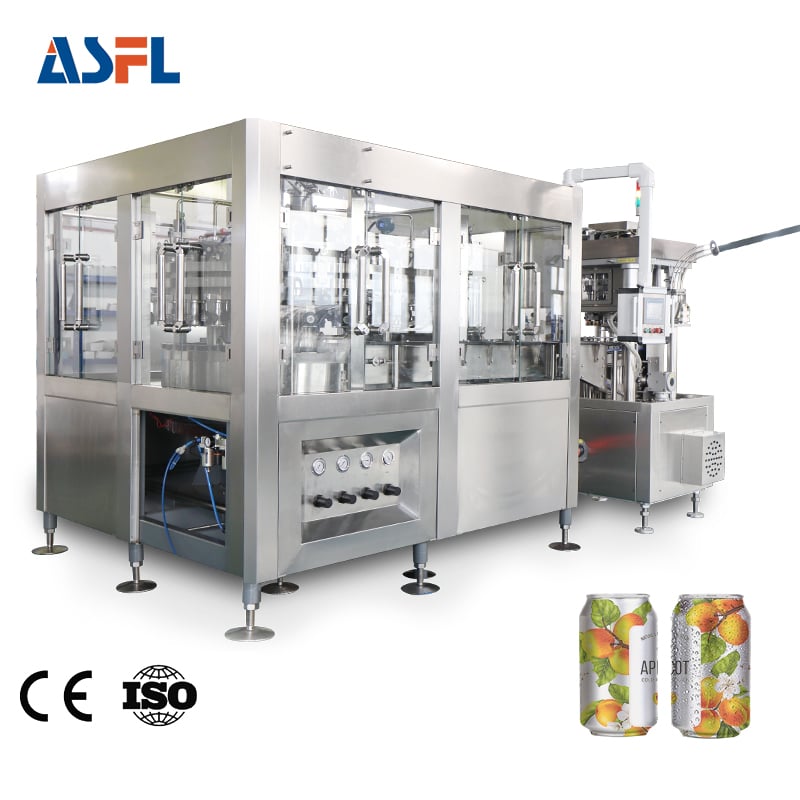
For an automatic beverage filling machine, the most useful factory or site trial checks are repeatable can positioning, stable product supply, consistent valve performance, handoff timing to the seamer, access for cleaning and inspection, and traceable sample records. Ask the team to test normal output and realistic changeover conditions. The goal is evidence that the configuration fits the process, not a claim based on the highest possible speed.
Turn automation into a controlled canning routine
An automatic beverage filling machine helps minimize oxidation when it is configured around the beverage and verified with package data. Stable feed conditions reduce disturbance before the valve. Controlled can preparation and filling reduce variation around the package. Coordinated transfer and seaming shorten the vulnerable interval after filling. Finally, measurements of dissolved and headspace oxygen help the team distinguish an upstream issue from a package-side issue.
In practice, the durable improvement comes from a routine: document baseline readings, make one controlled adjustment at a time, compare results by process node, and retain the setting and maintenance history. That approach gives operations, quality, and engineering teams a shared way to evaluate an automatic beverage filling machine without extending conclusions beyond the conditions actually tested.

 Hot News








