EN
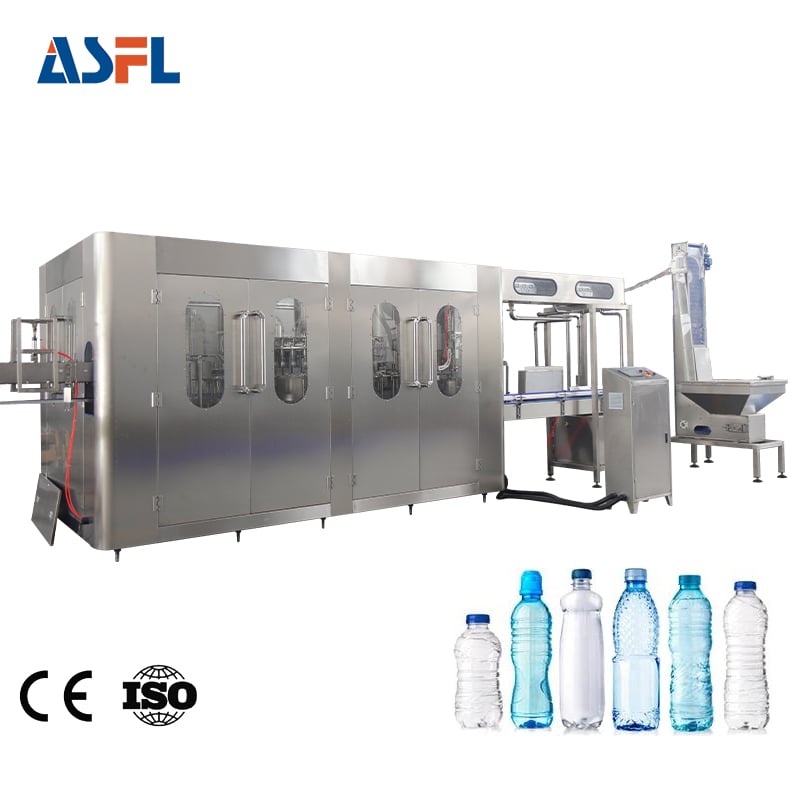
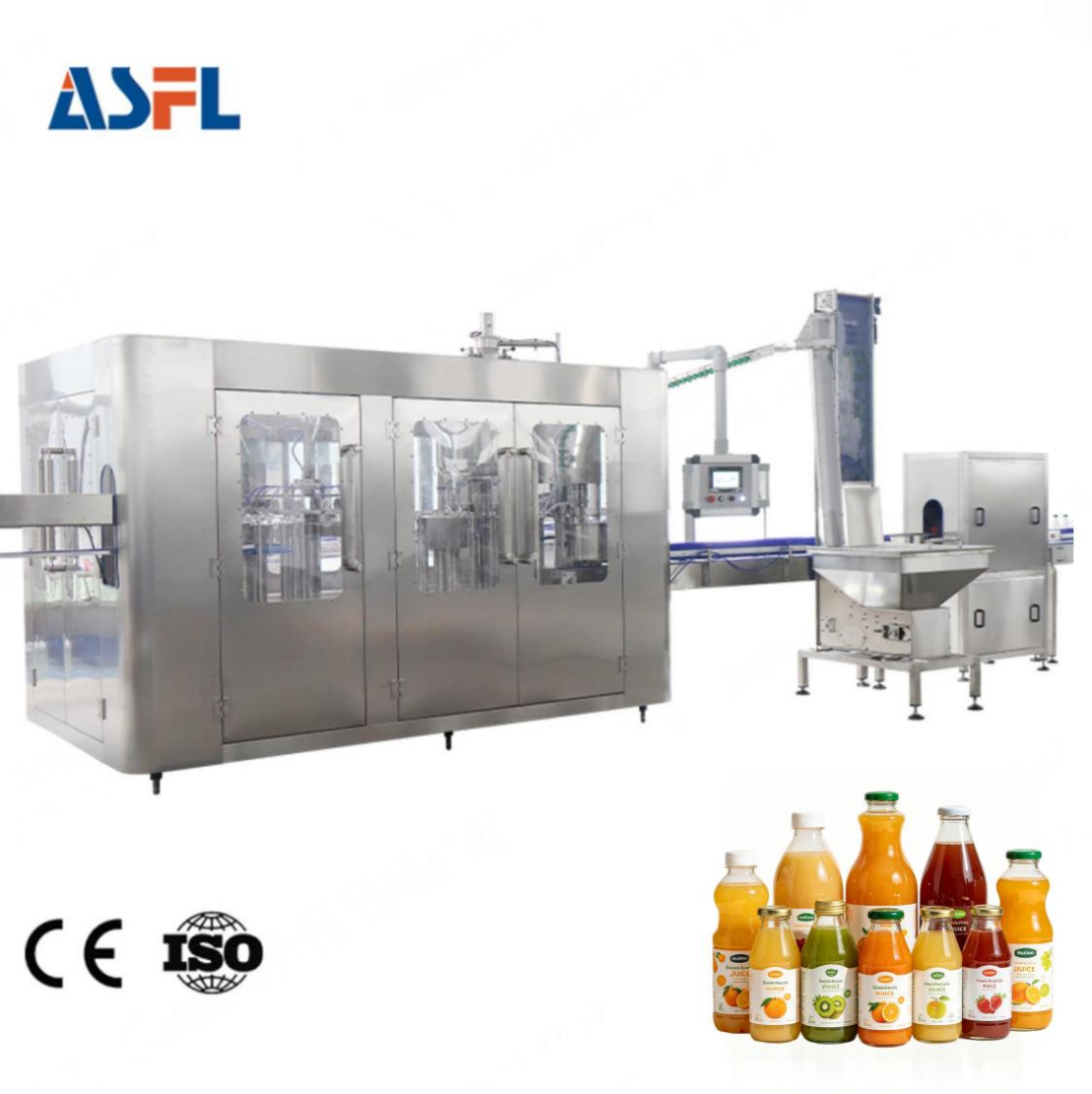
When a beverage becomes thicker, filling it consistently is less about chasing a headline speed and more about controlling a repeatable volume under stable process conditions. A servo based liquid filling machine gives the filling cycle a controlled motion profile, which can make a useful difference for syrups, fruit drinks, concentrates, dairy-style beverages, and other viscous products. It does not make every process variable disappear. Instead, it gives the production team a more controllable way to manage the dosing step.
From a process-fit perspective, the first question is not simply whether a servo based liquid filling machine is accurate. It is whether the product, container, temperature range, feed system, and target throughput have been defined well enough for accuracy to be measured. A servo liquid filling machine is most useful when those inputs are treated as part of the filling system rather than as afterthoughts.
Why viscous drinks make filling accuracy harder
Low-viscosity water-like liquids tend to move readily through pipes, valves, and nozzles. Viscous drinks behave differently. Their flow can change with product temperature, solids content, mixing condition, entrained air, and the distance between the product tank and the filling valve. A change in any one of these conditions can affect how quickly a measured dose enters the bottle and how cleanly the nozzle closes.
This is why a servo based liquid filling machine should be evaluated as part of a process, not as an isolated machine. If a hopper level rises and falls widely, a pump starves, or the product becomes warmer later in a shift, even a well-programmed filler may show different results. More accurately, servo control creates a stable command for the metering action; it still needs stable material supply and sound mechanical setup to translate that command into repeatable filled containers.
How servo-controlled dosing supports repeatability
In a typical piston or positive-displacement arrangement, the fill volume is associated with a controlled displacement. The servo motor moves the metering component through a programmed stroke or rotation. A servo based liquid filling machine can therefore use repeatable position control rather than relying only on a fixed mechanical drive relationship.
That control helps in several practical ways. First, the motion profile can be adjusted for a thick product. A gentler start may reduce abrupt product movement, while a controlled finish can help limit stringing or drips at the nozzle. Second, a servo based liquid filling machine can support recipe-based settings so that a known product-and-bottle combination can be recalled after validation. Third, the operator can make deliberate changes to a defined setpoint instead of compensating informally with mechanical adjustments.
The distinction matters: a servo based liquid filling machine improves control of the dosing motion, but overall fill accuracy also depends on cylinder condition, seal wear, valve timing, nozzle design, bottle positioning, and the actual product behavior. For viscous drinks, that boundary should be clear before a purchase or FAT plan is approved.
Where the accuracy gain comes from in practice
Consistent stroke or rotation control
Once a recipe is set up, a servo based liquid filling machine repeats the commanded movement from cycle to cycle. This gives the team a defined reference point for troubleshooting. If fill weights drift, the investigation can start with feed pressure, product temperature, air pockets, seals, valves, and nozzles rather than assuming the command itself changed.
Adjustable fill speed and cutoff behavior
Viscous products often benefit from a fill profile that is not simply fast from start to finish. With a servo based liquid filling machine, engineers can review acceleration, the main filling speed, the approach to the end of a dose, and nozzle shutoff timing. The right values must be confirmed with the real drink and bottle. A setting that works for a smooth syrup may not suit a pulpy beverage or a formulation that foams after dispensing.
Recipe discipline across changeovers
A servo liquid filling machine can support a structured recipe process when different viscosities, fill volumes, or containers are produced on one line. The value is not just faster data entry. It is the ability to document what was tested, what material condition was used, and what result was accepted. That record makes later changeovers easier to review and reduces reliance on memory alone.
Process conditions that still need control
A servo based liquid filling machine cannot compensate indefinitely for inconsistent product supply. Before evaluating fill results, confirm that the beverage has a defined temperature window, sufficient agitation where needed, an appropriate transfer path, and a stable tank level. Check whether long suction runs, restrictive fittings, or an undersized product pump are creating uneven feed conditions.
Container handling matters too. A servo based liquid filling machine may meter the same volume repeatedly, yet apparent variation can still arise if bottles are not presented consistently under the nozzle, if neck finish dimensions vary, or if filling height causes splashback. Here it helps to separate two questions: is the metered dose stable, and is the complete bottle-handling process stable?
Cleaning requirements also belong in the discussion. Thick drinks can leave residue in product paths, valves, and nozzles. The selected configuration should allow the team to inspect contact parts, define cleaning steps, and verify that the post-cleaning condition is suitable for the beverage being packed.
A practical validation checklist for viscous drinks
Before approving a servo based liquid filling machine, prepare a test plan that uses representative product and packaging conditions. A useful plan includes:
- the target fill volume and an agreed measurement method;
- the actual drink formulation or a documented representative sample;
- the expected product temperature range during filling;
- the bottle, cap, neck finish, and conveyor conditions intended for production;
- the planned operating speed, including startup and steady-running observations;
- checks for bubbles, drips, strings, splashback, and nozzle cleanliness;
- a defined sampling pattern and acceptance criteria agreed before the trial.
Run the trial long enough to observe more than a few initial cycles. Ask the supplier to show how recipe values are changed, how operators confirm the active recipe, and how wear items are inspected. A servo based liquid filling machine should be judged by controlled, repeatable results under the agreed conditions, not by an isolated demonstration.
Choosing the right configuration
When comparing a servo based liquid filling machine, provide the supplier with the drink viscosity behavior, particulate information if relevant, fill volume, bottle drawings, required output, cleaning expectations, and available utilities. This converts a broad accuracy request into configuration questions about metering method, nozzle count, product feed, valve style, controls, and change parts.
For many viscous-drink projects, the strongest outcome comes from moving from a quote comparison to a validation checklist. A servo based liquid filling machine may offer a capable control platform, but the proposed settings should be verified with the production beverage and packaging. That approach gives purchasing, engineering, and operations a shared basis for deciding whether the line is appropriate.
Conclusion
A servo based liquid filling machine can improve filling accuracy for viscous drinks by making the dosing motion programmable and repeatable. Its real contribution is control: controlled displacement, controlled fill profile, and controlled recipe handling. The final result still depends on material consistency, product supply, container handling, hygiene design, and a meaningful trial. Start with the beverage and container conditions, then use those conditions to validate the machine configuration and the acceptance method.
 Hot News