 EN

A carbonated beverage filler is not simply a vessel that transfers soda into a bottle. It is the part of the line that must manage a moving, pressurized liquid without turning dissolved carbon dioxide into uncontrolled foam. When a packaging team sees low carbonation readings, variable fill levels, or wet bottles after capping, the cause is often a mismatch among product temperature, bowl pressure, bottle pressure, and venting behavior rather than one isolated setting.
From a production-engineering perspective, a carbonated beverage filler works by keeping the bottle environment close to the conditions that keep CO2 dissolved in the product. The aim is stable transfer, not an abrupt rush of liquid. That distinction explains why a line can appear to run normally while still losing gas at the filler.
Why dissolved CO2 is vulnerable during soda filling
Carbon dioxide remains dissolved more readily when the beverage is cold and under pressure. As temperature rises, the liquid has less capacity to hold dissolved CO2. When pressure falls suddenly, or when liquid is disturbed by turbulent flow, gas comes out of solution as bubbles. In a soda bottling process, those bubbles occupy space, push foam upward, and send product and CO2 out of the intended fill path.
A carbonated beverage filler therefore needs to control both the liquid path and the gas path. It does not create carbonation at the filling valve; it protects the carbonation established upstream. A properly coordinated carbonated beverage filler gives the bottle a compatible gas atmosphere before liquid enters, then releases pressure progressively after the target fill is reached.
The counter-pressure sequence that limits gas breakout
Most industrial carbonated beverage filler designs use an equal-pressure or counter-pressure sequence. Although valve details differ, the operating logic is consistent:
- Seal the bottle to the filling valve. A reliable seal creates a controllable space above the bottle opening. A damaged sealing ring, poor bottle lift, or an out-of-tolerance finish can allow early leakage before the cycle has stabilized.
- Purge and pressurize the bottle. The carbonated beverage filler introduces CO2 to displace much of the air and bring bottle pressure toward the pressure of the beverage bowl. This pressure matching reduces the force that would otherwise make liquid flash and foam on entry.
- Open the liquid path under a small pressure difference. Once pressures are compatible, product can flow with less turbulence. The carbonated beverage filler is designed to guide the beverage down the bottle wall or through a controlled flow path rather than splash it into an unpressurized container.
- Close at the intended level and vent gently. After the liquid valve closes, the gas phase is released in a managed step often called snifting. A carbonated beverage filler that vents too rapidly can trigger foam at the very end of an otherwise stable cycle.
This is why counter pressure should be understood as a process sequence, not just a machine label. Each phase affects the next one. For example, increasing bowl pressure may not fix foaming if bottle pressurization time is too short or the snift setting remains aggressive.
How a carbonated beverage filler controls the main gas-loss points
| Potential loss point | What happens | What the filler process should control |
|---|---|---|
| Before filling | Air remains in the bottle or pressure is too low. | A carbonated beverage filler should provide consistent purge and pressurization time. |
| Liquid entry | A large pressure difference causes rapid flow and foam. | The carbonated beverage filler should equalize pressure before admitting product. |
| Near final level | Unstable flow changes foam height and apparent fill. | The carbonated beverage filler should maintain predictable valve timing and a clean liquid path. |
| Pressure release | Fast venting expands bubbles after valve closure. | The carbonated beverage filler should use a controlled snift stage suited to the bottle and beverage. |
| After filling | Delay before closure allows pressure and product loss. | The carbonated beverage filler and capper need stable handoff and cap application timing. |
Temperature, pressure, and flow must be tuned together
Operators sometimes adjust one variable in isolation. A colder beverage can improve CO2 retention, but it does not compensate for a leaking bottle seal. A higher bowl pressure can support the process, but it cannot correct rough bottle handling or a blocked gas return. The most useful approach is to treat the carbonated beverage filler as part of a linked control window.
Start with verified product temperature and carbonation conditions upstream. Then compare bowl pressure, bottle pressure during pre-pressurization, filling time, and snift behavior at a stable production speed. If the carbonated beverage filler is running multiple bottle formats, repeat the checks after changeover because neck finish, internal volume, and lift geometry can change the pressure response.
Product composition matters as well. Dissolved CO2 behavior can change with temperature and formulation. This is why a carbonated beverage filler should be commissioned with the actual product conditions and package format rather than only with water or an uncarbonated trial liquid.
Practical checks when foam or low carbonation appears
A disciplined troubleshooting routine is more useful than increasing pressure immediately. Watch a short series of bottles at the same valve position, then compare them with the rest of the carousel. A localized issue can point to a valve, seal, lift cylinder, or gas passage; a line-wide issue more often points to product temperature, bowl conditions, or shared settings.
- Check whether the carbonated beverage filler reaches consistent bottle-lift height and seals before gas admission.
- Look for damaged or contaminated seals, worn centering parts, and bottle-finish variation.
- Confirm that CO2 purge, pressurization, liquid flow, and snift timing are repeatable from valve to valve.
- Inspect gas passages and return paths for restrictions that could cause uneven pressure equalization.
- Track beverage temperature at the filler inlet rather than relying only on a tank reading.
- Compare carbonation and fill-level results before and after any adjustment to the carbonated beverage filler.
These checks also help distinguish a filling fault from an upstream carbonation issue. A carbonated beverage filler can preserve only the CO2 delivered to it. If carbonation entering the bowl is already unstable, the line team needs to address the upstream condition before changing filler settings repeatedly.
What to evaluate in carbonated beverage bottling equipment
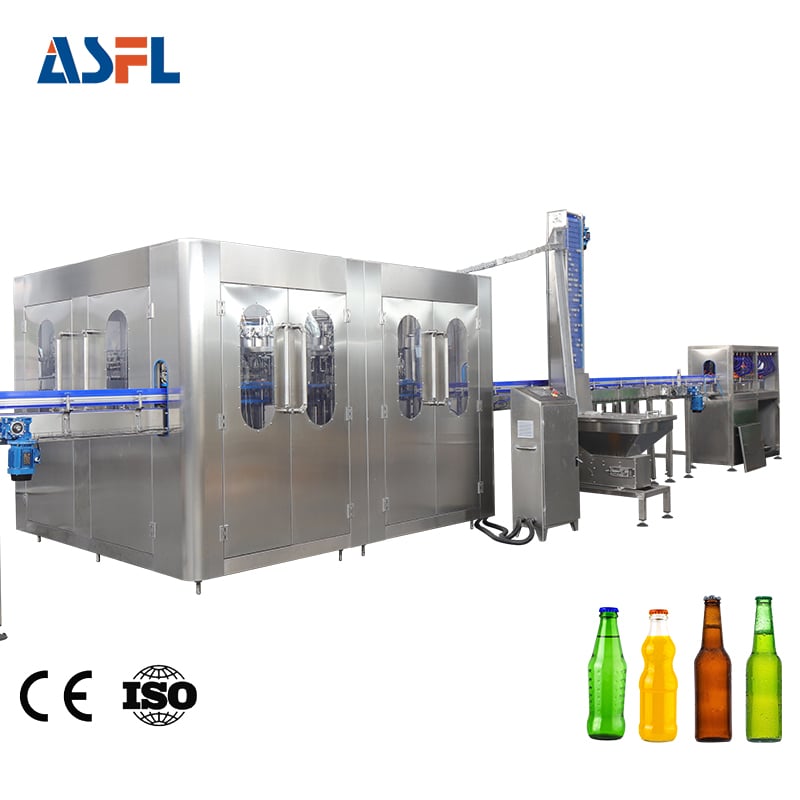
When reviewing carbonated beverage bottling equipment, focus on the controls that make the pressure sequence observable and repeatable. Useful questions include whether operators can verify bottle pressurization, adjust venting gradually, isolate an underperforming valve, and maintain seals and gas passages without prolonged disruption. The right carbonated beverage filler configuration also has to match the selected package, production rate, beverage temperature range, and capper handoff.
It is equally important to define acceptance checks before commissioning. Instead of relying on a general claim about performance, specify the beverage, bottle, temperature range, target carbonation, operating rate, fill-level tolerance, and sampling plan. Those conditions turn a carbonated beverage filler review into a meaningful process test.
Conclusion
A carbonated beverage filler protects soda carbonation by reducing abrupt pressure changes from bottle sealing through controlled venting. Stable product temperature, reliable pressure equalization, smooth liquid admission, and measured snift behavior all work together to reduce foam and retain more of the CO2 already dissolved in the beverage. For a packaging team, the practical task is to confirm those conditions at production speed, valve by valve, rather than treating carbonation loss as a single pressure-setting problem.
 Hot News








