 EN

A liquid filling machine has to do more than move product into a bottle. In a beverage plant, it must repeat a target dose while the product, supply conditions, container format, and cleaning schedule change. This is why a volumetric approach is often worth evaluating. A volumetric filling machine meters a defined quantity per cycle rather than relying only on a visible fill level, giving engineers a practical starting point for products that require consistent nominal volume.
That does not mean one filler setting suits every beverage. The useful question is whether the metering principle, product path, nozzles, and controls can be configured for each beverage’s behavior. A production-line engineer should begin with the liquid, then the required rate—not the other way around.
What a volumetric liquid filling machine controls
At its core, a volumetric system dispenses a preset quantity through a piston, pump, or another controlled metering arrangement. For beverage production, the target is repeatable volume at the container, but repeatability depends on conditions surrounding the dose. Product viscosity, temperature, dissolved gas, suspended ingredients, foam tendency, and inlet stability can all change how the liquid behaves between the supply tank and the nozzle.
That distinction matters when comparing a liquid filling machine with a simple level-based process. A level fill can be useful where a uniform visual fill line is the priority. A volumetric filling machine is more relevant when nominal contents, product cost, and recipe-to-recipe adjustment require the dose itself to be managed. The final choice should still be verified with the actual beverage, package, cap, and operating speed.
Why beverage producers can apply volumetric dosing across product types
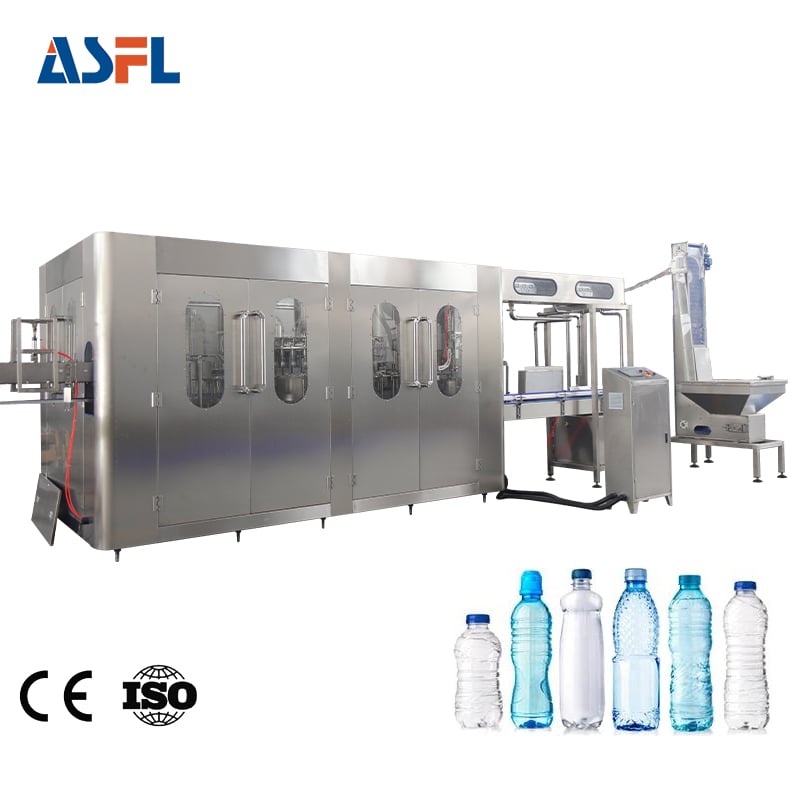
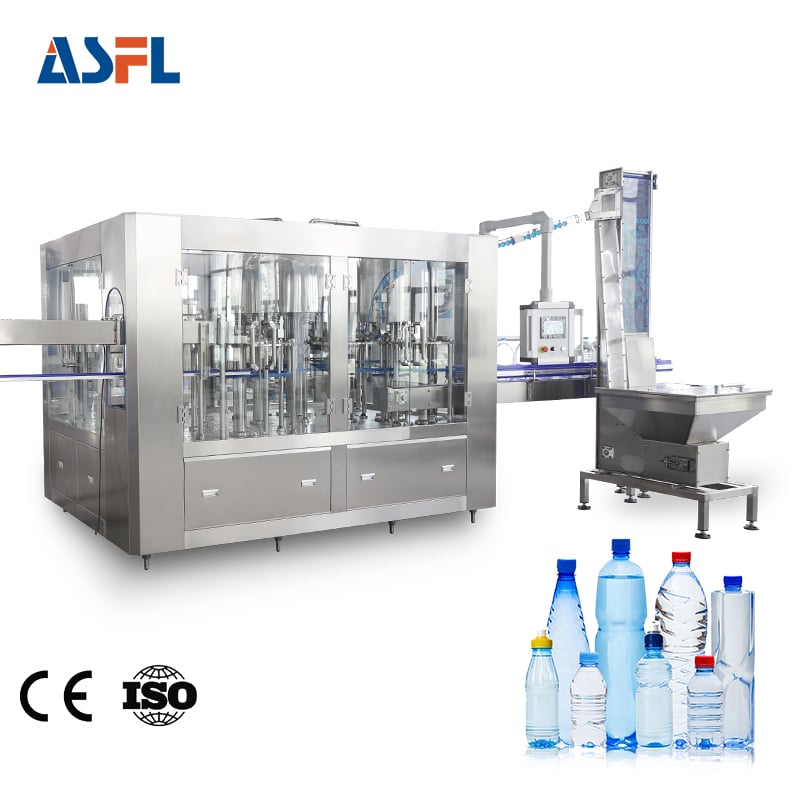
Water and still drinks
Low-viscosity water, flavored water, tea, and many still beverages can move quickly through a liquid filling machine. Their apparent simplicity can hide a common issue: a fluctuating product supply can make otherwise sound settings inconsistent. Stable tank level, inlet pressure, valve timing, and bottle positioning should be checked together. When a volumetric filling machine is commissioned on a still beverage, the team should validate fills after the line has reached normal operating conditions, not only during a short start-up trial.
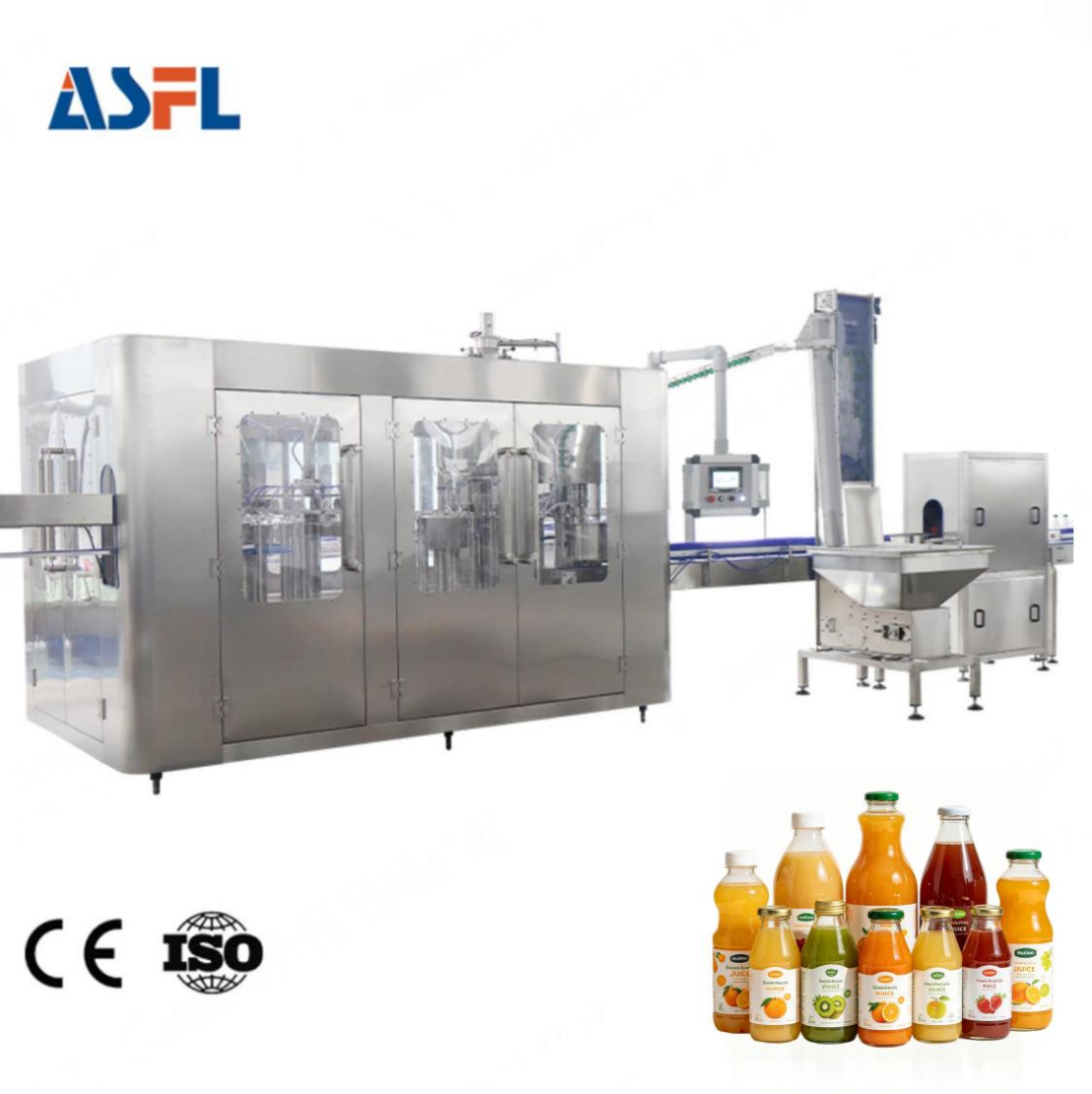
Juice, pulp-containing products, and syrup-based beverages
Products with higher viscosity or fine particulates require a more detailed review. The pump or piston arrangement must handle the product without creating excessive shear or leaving material in difficult-to-clean areas. Nozzle diameter, flow path, suction conditions, and the relationship between dose speed and container geometry all deserve attention. A liquid filling machine may be adaptable, but the supplier and plant team should confirm the product range rather than assuming that a water setting transfers to a thicker drink.
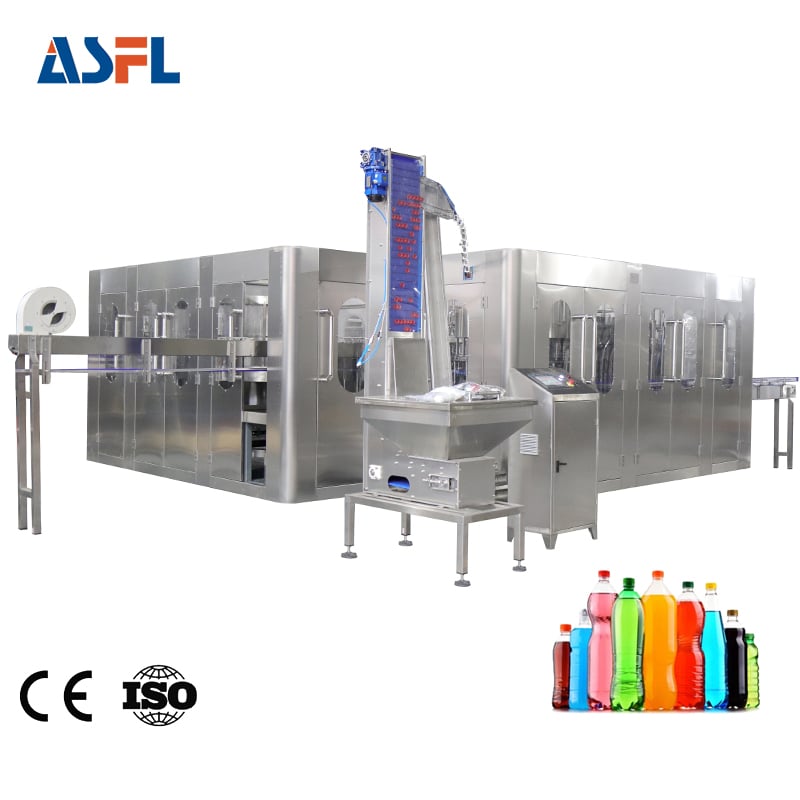
Foaming and carbonated beverages
Foam is not merely a cosmetic concern. It can influence dosing, splash control, capper synchronization, and the time needed for a container to settle before closing. For carbonated beverages, pressure management and filling method require a separate engineering review; volumetric metering alone does not resolve gas-retention requirements. When assessing a volumetric filling machine for products that foam, run trials at realistic product temperature and line speed, then observe the full filling-and-capping sequence.
Hot-filled or temperature-sensitive beverages
Temperature changes viscosity and can change the response of seals, hoses, and product-contact components. A liquid filling machine intended for hot product should therefore be assessed as a system: product temperature at the filler, contact-material suitability, thermal expansion effects, sanitation sequence, and downstream package performance. The volumetric principle can remain useful, yet settings must be validated at the planned process temperature.
Where flexibility comes from—and where it does not
A volumetric filling machine can support a broader beverage portfolio when changeover is designed into the equipment and the operating procedure. Useful flexibility usually comes from adjustable recipes, controllable dose parameters, suitable nozzles, accessible product-contact parts, and clear validation routines. It does not come from a promise that every liquid will run well with the same pump, speed, or cleaning cycle.
- Metering range: Confirm that the required bottle sizes fall within the intended dosing range.
- Product compatibility: Review viscosity, acidity, particulates, foam, and temperature with the actual formulation.
- Container control: Check bottle stability, neck guidance, and nozzle-to-bottle alignment. Small positioning variation can affect filling consistency.
- Feed stability: A consistent dose begins upstream. Tank level, transfer pump behavior, and pipe layout can amplify or reduce variation.
- Changeover work: Compare the time and verification steps needed to move between recipes, volumes, and bottle formats.
- Cleaning access: Confirm the product path and cleaning procedure fit the plant’s hygiene plan. Clean-in-place capability should be reviewed as a validated process, not treated as a label.
A practical evaluation sequence for beverage projects
Rather than selecting a liquid filling machine from a brochure alone, use a staged review. First, document the beverage family and its operating limits: viscosity at filling temperature, particulate size if applicable, foam behavior, target volumes, package types, and planned production window. Next, identify whether volumetric control is the appropriate basis for your fill objective. Then run representative samples through the proposed configuration.
- Define the target fill volume and acceptable production control criteria for each SKU.
- Provide real products or technically representative samples for testing.
- Test at the intended temperature, with realistic supply conditions and bottle formats.
- Observe filling, settling, capping, and container transfer as one process.
- Agree on cleaning, changeover, and verification steps before factory acceptance.
- Repeat the check after installation, because conveyor timing and upstream supply can change line behavior.
This approach makes a volumetric filling machine easier to evaluate honestly. It shifts the discussion from headline speed to the stable conditions needed to maintain quality over a normal production shift.
Questions to ask before specifying a volumetric filling machine
| Question | Why it matters |
|---|---|
| Which beverages will run now and later? | Defines the required product-handling range and changeover plan. |
| What is the fill objective: controlled volume, visible level, or both? | Helps determine whether volumetric metering is the right primary method. |
| How stable is the upstream product supply? | Feed fluctuations can affect dose repeatability and line rhythm. |
| Which bottles and closures are planned? | Package handling and capping must work with the filling sequence. |
| How will cleaning and product changeovers be verified? | Supports hygienic operation and reduces uncertainty between beverage families. |
Conclusion
A liquid filling machine based on volumetric dosing can be a sound option for producers handling several beverage types because it gives the process a defined quantity to control. The value lies in configuring and validating that control for the real product conditions. Water, juice-based drinks, syrup blends, foaming products, and temperature-managed beverages may all need different settings or hardware choices. Evaluate the complete flow path, supply stability, package handling, cleaning needs, and acceptance checks before treating flexibility as proven.
For a beverage project, the most useful next step is to prepare a SKU-by-SKU test sheet. It gives the engineering team a clear basis for deciding whether a volumetric filling machine fits the present line and the product changes expected later.

 Hot News








