 EN

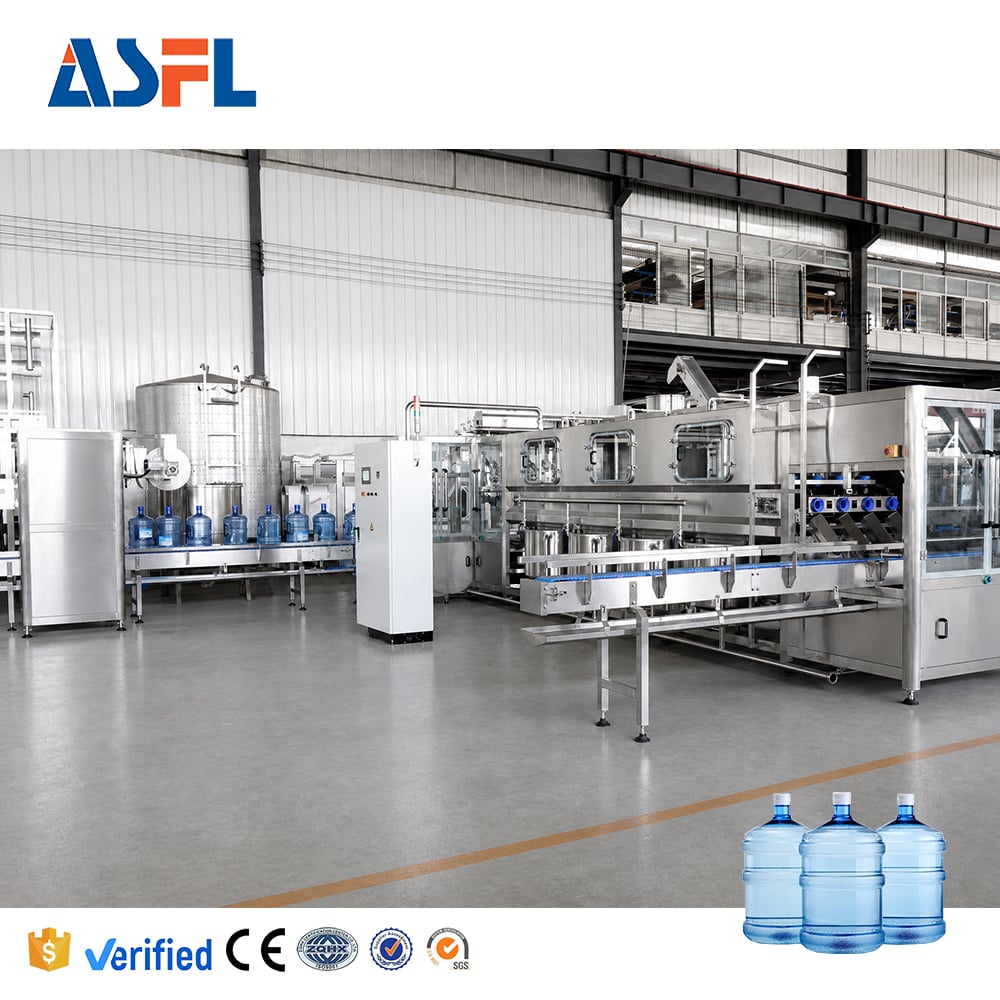
A factory acceptance test (FAT) is the point where a buyer turns a proposed 5 gallon bottle filling machine into a witnessed operating system. The aim is not simply to see bottles move. It is to confirm that the agreed bottle format, wash sequence, filling conditions, capping method, controls, and safety functions work together under a documented test plan.
For a production-line engineer, the useful question is: what evidence shows that the 5 gallon bottle filling machine is ready for shipment and commissioning? The answer should be tied to the purchase specification, approved drawings, and acceptance criteria. If a condition cannot be reproduced during the FAT, record it as an open item instead of assuming it will be resolved later.
Start with the FAT scope and test conditions
Before power is applied, compare the machine on the factory floor with the agreed configuration. Confirm the bottle type and neck finish to be used, the target output basis, utilities available for the trial, water quality or test medium, cap type, and the inspection method for each result. A stated speed has little value without a cycle duration, bottle condition, staffing assumption, and reject count.
Ask the supplier to identify every test instrument used for pressure, level, conductivity, timing, or electrical checks. Where measurement affects acceptance, note the instrument ID and calibration status in the FAT record. This establishes a practical baseline for the later site acceptance test.
Inspect the bottle infeed and handling system
Large returnable bottles can vary in wear, base shape, and neck condition. Watch the loading area, conveyor, guides, star wheels, grippers, and bottle positioning devices with representative empty bottles. Check that bottles enter consistently without tipping, scuffing, neck interference, or repeated manual correction.
- Verify guide adjustments and change parts against the agreed bottle dimensions.
- Observe accumulation and release so upstream variation does not cause unstable entry to the washer or filler.
- Test sensor response for missing, fallen, or mispositioned bottles.
- Inspect accessible guards, covers, and surfaces for pinch-point exposure and cleaning access.
A 5 gallon bottle filling machine may run smoothly with a small sample but behave differently during a continuous trial. Include enough consecutive bottles to reveal whether bottle transfer remains stable after the machine reaches normal operating rhythm.
Witness washing, rinsing, and sanitation-related functions
For most returnable-bottle applications, the wash and rinse section deserves the same attention as the filling valves. Confirm the sequence specified for internal and external washing, rinsing, drainage, and bottle inversion where applicable. The FAT should demonstrate that each programmed stage is called in the correct order and that nozzles, manifolds, filters, pumps, and drains respond as intended.
Inspect spray patterns visually where safe and practical, then check for blocked nozzles, leaks, standing liquid, and areas that are difficult to access for cleaning. Do not treat a brief water flow as evidence of cleaning performance. The agreed acceptance method may require time, temperature, concentration, conductivity, or other process records; use the method stated in the project specification.
Check the filling section for control and consistency
The filling station is where a 5 gallon bottle filling machine must show repeatable operation, not merely fill one bottle. Confirm the number of active heads, bottle-present logic, valve opening and closing sequence, and any level-control method included in the order. Run a representative sample and compare fill results using the agreed weighing or volume method.
Document the test conditions before judging variation: bottle tare condition, product or water temperature, supply pressure, hold time, and target fill level can all influence the result. Also watch for drips after valve closure, splashing, overflow, or inconsistent bottle seating. These observations help separate a filling issue from an unstable infeed or supply condition.
Evaluate cap handling and closure verification
Filling and capping should be observed as one process. Confirm cap feeding, orientation, chute access, cap-present detection, placement, and the closing method supplied with the machine. Inspect a sample of capped bottles for correctly seated caps, visible damage, cross-threading where relevant, and consistent closure appearance.
If the project defines torque, pull, leak, or retention tests, witness them using the agreed procedure and record the sampling plan. A cap that looks acceptable at the machine outlet may still need an agreed downstream test before acceptance. This is why the FAT checklist should identify both immediate visual checks and any verification that must occur after a defined settling period.
Test controls, alarms, and safety interlocks
A 5 gallon filling machine is easier to commission when its control logic is verified before dispatch. Review the HMI screens against the approved functions: operating modes, status messages, setpoints, counters, recipes if included, alarms, and manual controls. Test normal start, controlled stop, fault reset, and recovery from a short interruption without bypassing safety devices.
- Trigger selected bottle, cap, low-level, overload, door, and emergency-stop conditions that are safe to test.
- Confirm that the fault message identifies the condition clearly enough for the operator to act.
- Check that guards and access doors stop or inhibit motion as specified.
- Verify electrical labeling, pneumatic identification, cable routing, drainage, and the accessibility of routine service points.
Automation does not remove the need for operator checks. The FAT should show who can acknowledge a fault, which functions remain inhibited, and what conditions must be restored before restarting.
Run an integrated trial and close the documentation
End the FAT with an integrated run through bottle handling, washing or rinsing, filling, capping, discharge, and rejection functions that apply to the machine. Capture the start time, end time, total bottles, accepted bottles, rejected bottles, stoppages, and cause of each stoppage. The result should be compared with the agreed performance basis, not an informal expectation.
Before release, compile the signed FAT protocol, test records, electrical and pneumatic drawings, operating and maintenance documents, spare-parts list, and open-item list. Photograph or record configuration details that will help the site team verify the delivered 5 gallon bottle filling machine. Clear ownership and target dates for open items make the FAT useful long after the visit.
A practical FAT decision rule
Accept the machine when the witnessed evidence meets the agreed criteria, safety functions operate as specified, and remaining items are clearly categorized. If a result depends on site utilities, production water, or a downstream unit not available at the factory, document that limitation and carry the exact test forward to site acceptance. This measured approach gives the buyer a more reliable basis for accepting a 5 gallon filling machine and preparing for commissioning.



 Hot News








