 EN

Technical Foundations of Operator Cleaning Optimization
Streamlining daily washdown procedures through intelligent liquid filling and packing machine design is a critical factor in maximizing packaging uptime and maintaining strict biological compliance. In modern beverage, dairy, and liquid pharmaceutical plants, manual machine sanitization represents one of the largest sources of labor overhead and unplanned operational risk. When a packaging system forces floor technicians to spend hours disassembling piping, scrubbing internal valve threads, and wiping down flat machine bases, productive capacity drops dramatically. Modern engineering teams prioritize features that simplify operator cleaning work, converting tedious manual washdowns into repeatable, standardized cleaning cycles.
Optimizing sanitary filler design efficiency requires integrating hygienic design principles established under EHEDG (European Hygienic Engineering & Design Group) and FDA 21 CFR 177 standards. By eliminating internal dead legs, utilizing self-draining structural profiles, and deploying automated CIP (Clean-in-Place) recirculation manifolds, an automated CIP liquid packaging line reduces chemical wash water consumption while safeguarding fluid channels against bacterial biofilm buildup. Machinery manufactured by ACE-FILLING incorporates these operator-friendly sanitary engineering standards directly into the structural frame, allowing plant managers to cut changeover downtime, protect product safety, and improve overall equipment effectiveness (OEE).
EHEDG Hygienic Standards and Structural Mechanical Engineering
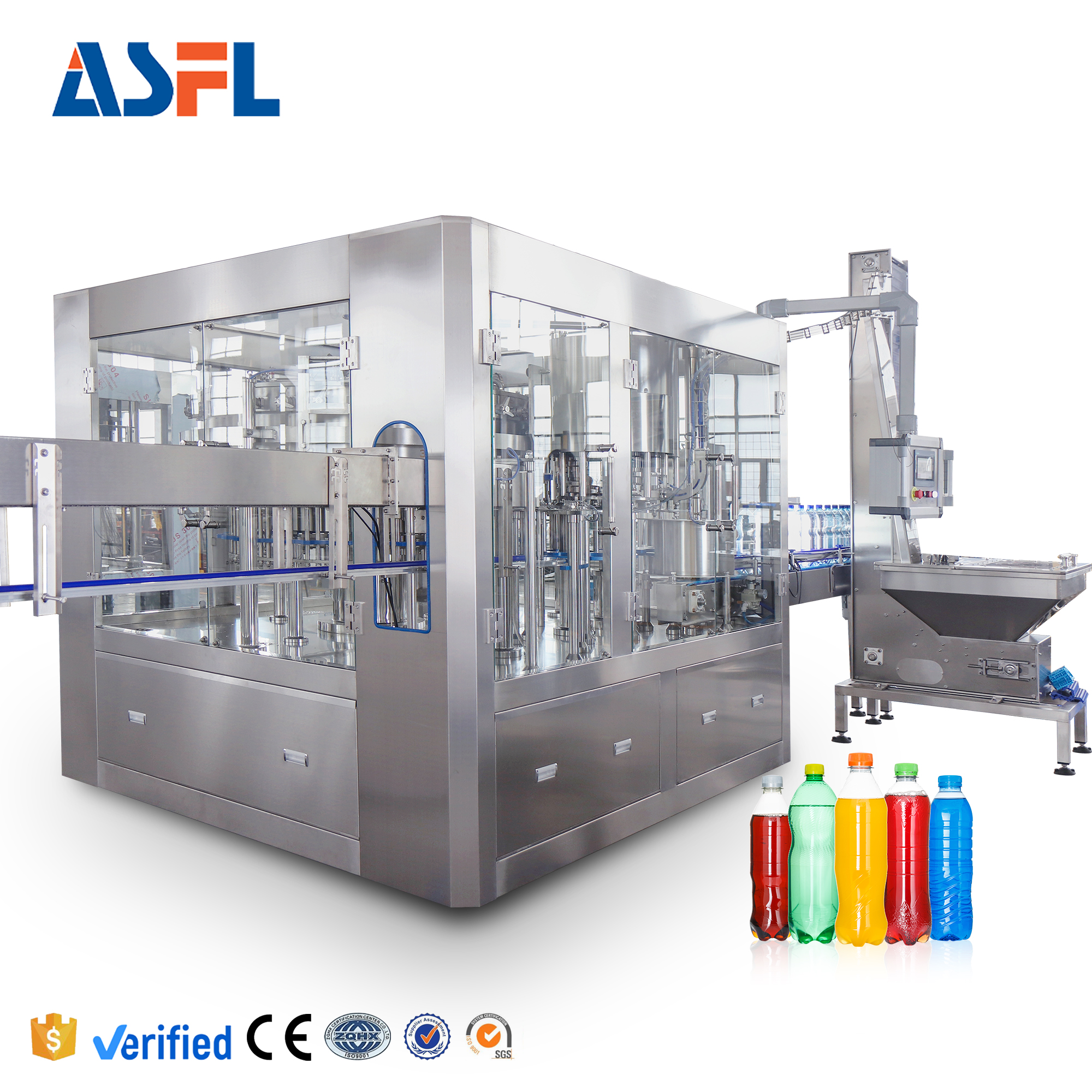
Evaluating how liquid filling and packing machine design impacts washdown speed requires examining physical surface geometry and component accessibility. Traditional liquid packaging equipment often features exposed bolt threads, flat horizontal surfaces, and unsealed cabinet seams where liquid residue, yeast, and dust collect over time.
-
Sloped Stainless Machine Bases: Base frames feature sloped AISI 304/316L stainless steel surfaces with integrated drainage channels. Water and cleaning solutions shed off immediately, eliminating standing liquid pools and supporting efforts to simplify operator cleaning work.
-
Radius-Corner Fluid Channels: Internal product bowls and fluid piping incorporate smooth internal radii where all inside corners feature rounded profiles. This geometry prevents product entrapment and optimizes sanitary filler design efficiency.
-
Tool-Less Disassembly Fittings: Sanitary Tri-Clamp connections certified under ISO 2852 replace threaded pipe unions. Operators disassemble fluid distribution lines without hand wrenches, significantly reducing teardown time during deep cleaning shifts.
-
Hermetically Sealed Cabinet Housing: Electrical panels and pneumatic solenoids reside within IP67/NEMA 4X washdown-rated enclosures, allowing operators to execute high-pressure water spraydown without damaging sensitive electronic controls inside an automated CIP liquid packaging line.
The following engineering matrix illustrates how specific physical design choices impact washdown speed and sanitary safety:
| Subsystem Component | Legacy Structural Engineering | Operator-Centric Sanitary Design | Impact on Sanitary Filler Design Efficiency |
|---|---|---|---|
| Machine Frame Geometry | Flat horizontal steel plates | Sloped self-draining AISI 304 surfaces | Eliminates standing wash water to simplify operator cleaning work |
| Fluid Line Connections | Standard threaded pipe couplings | ISO 2852 zero-dead-leg Tri-Clamp fittings | Prevents crevice corrosion and speeds up manual teardown procedures |
| Valve Cleaning Access | Manual dismantling of valve stems | Automated pneumatic CIP dummy cups | Automates internal flushing within an automated CIP liquid packaging line |
| Structural Surface Finish | Standard cold-rolled stainless | Polished AISI 316L (Ra less than or equal to 0.4 micrometers) | Minimizes biofilm adhesion, enhancing overall liquid filling and packing machine design |
Automated CIP Integration and Ergonomic Operator Workflows
Relying on manual operator cleaning work creates significant variability in hygiene quality. Human error during chemical dosing, inadequate flush durations, or missed valve contact points can compromise an entire beverage batch. Modern liquid filling and packing machine design transfers cleaning execution from manual labor to automated PLC recipes.
Integrating automated CIP return cups and multi-stage fluid manifolds enables an automated CIP liquid packaging line to execute hot caustic washes, intermediate rinses, and hot water sanitization cycles at 85 degrees Celsius without requiring operators to manually disconnect product lines.
-
Automated Pneumatic CIP Fake Cups: Pneumatic actuators lower sanitization cups over filling valve nozzles automatically, forming a closed fluid loop that circulates sanitizing chemicals through all dynamic valve seats.
-
HMI One-Touch Cleaning Recipes: Operators select pre-configured CIP wash routines directly from the central touchscreen interface, controlling pump flow rates, chemical concentration monitoring, and cycle times automatically.
-
Ergonomic Component Positioning: Heavy components, fluid filters, and manual valve handles are situated between waist and chest height, reducing physical strain and helping simplify operator cleaning work.
-
Reduced Chemical and Water Consumption: Closed-loop recirculation systems recover wash water and sanitizing chemicals, lowering utility expenses while enhancing sanitary filler design efficiency.
Human Error Reduction, OEE Optimization, and Hygiene Compliance
Simplifying daily cleaning procedures delivers direct financial returns by reducing operational downtime and protecting product quality across multi-shift bottling plants.
-
Minimizing Operational Downtime: Reducing daily sanitization cycles from 3 hours to 45 minutes recovers over 2 hours of active production time daily, directly increasing line throughput.
-
Preventing Cross-Contamination: Standardized CIP routines ensure that product flavor switches—such as transitioning from carbonated soft drinks to purified mineral water—occur without residual flavor carryover or biological contamination.
-
Extending Dynamic Seal Lifespan: Gentle, automated flushing sequences protect EPDM and PTFE seals from mechanical damage caused by aggressive manual scrubbing tools.
-
Ensuring Regulatory Audit Readiness: Automated PLC logs record CIP temperature, pressure, and flow rates continuously, providing verifiable compliance records for FDA, BRC, and ISO 22000 audits.
Prioritizing ergonomic engineering within liquid filling and packing machine design ensures that plant operators complete cleaning routines thoroughly and consistently, safeguarding commercial production schedules.
Quality Verification and Pre-Shipment Cleaning Validation
To verify that sanitary filler design efficiency meets strict operational standards, ACE-FILLING subjects every bottling machine to rigorous factory cleaning validation trials prior to shipment.
-
Riboflavin Spray Coverage Testing: Technical teams spray internal liquid contact surfaces with fluorescent riboflavin solution, executing an automated CIP cycle to confirm 100% removal of trace residues under ultraviolet light.
-
Drainage Performance Inspection: Machine frames and liquid channels undergo high-volume water flushing to verify zero liquid pooling along sloped drainage gutters.
-
Thermal Expansion Cycling: Automated CIP manifolds undergo 85 degrees Celsius hot water circulation tests to confirm dynamic seal stability and thermal expansion compliance.
-
CIP Flow Rate and Pressure Verification: Electromagnetic flow meters verify that CIP wash solution maintains a minimum fluid velocity of 1.5 to 2.0 meters per second through all valve manifolds to ensure turbulent scouring action.
Beverage plant managers and project engineers looking to streamline plant operations can inspect complete machinery specifications and customized sanitary line options at the official

 Hot News








