 EN

In modern high-speed packaging plants, floor space is a premium asset, and operational efficiency directly dictates profit margins. Traditional packaging lines utilize separate, standalone machines for rinsing, liquid dosing, and cap sealing, interconnected by long conveyor belts. This linear layout creates large physical footprints, increases container transfer bottlenecks, and heightens the risk of open-container contamination. To solve these spatial and operational challenges, high-performance bottling operations rely on a monoblock liquid filling machine.
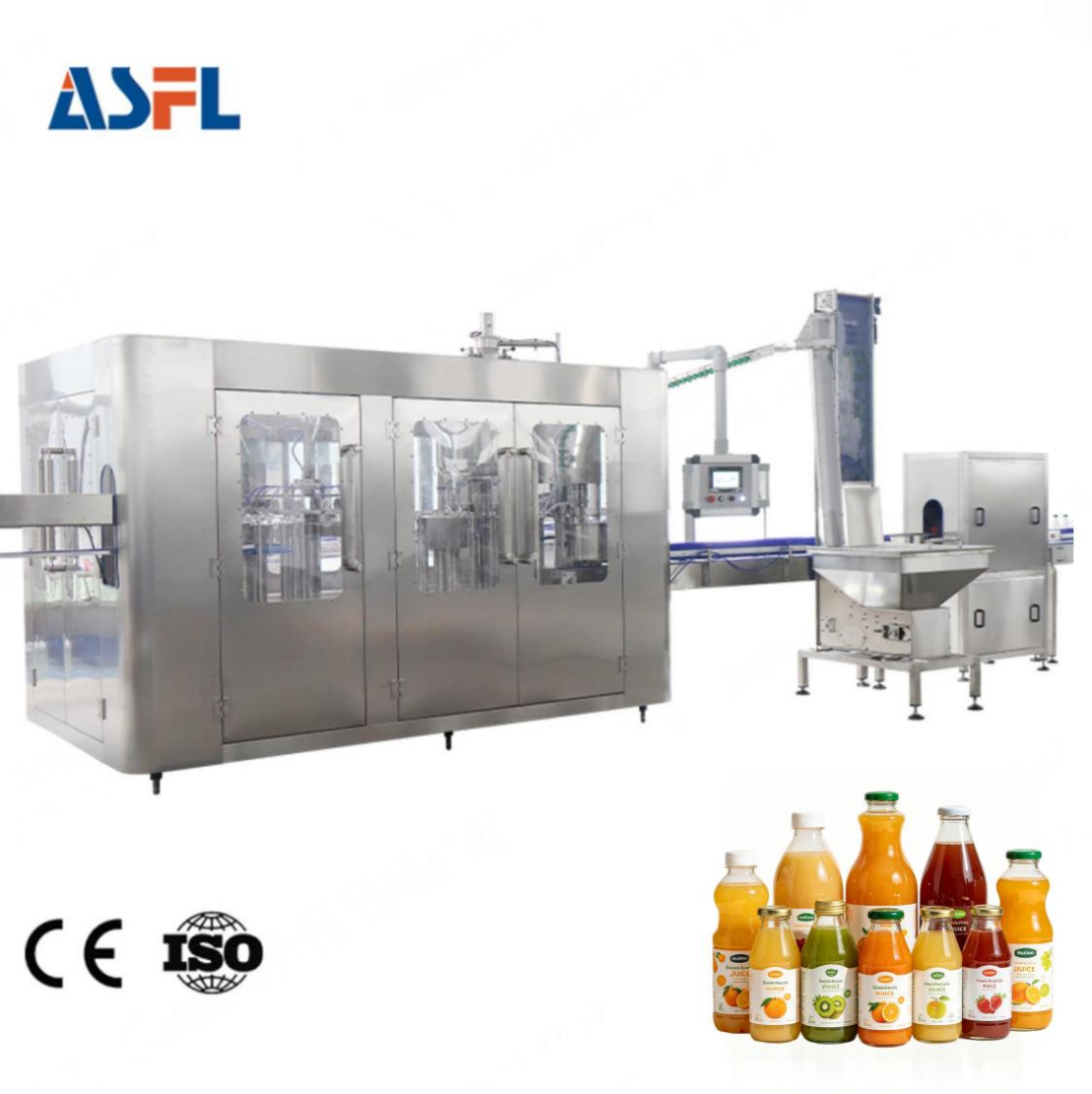
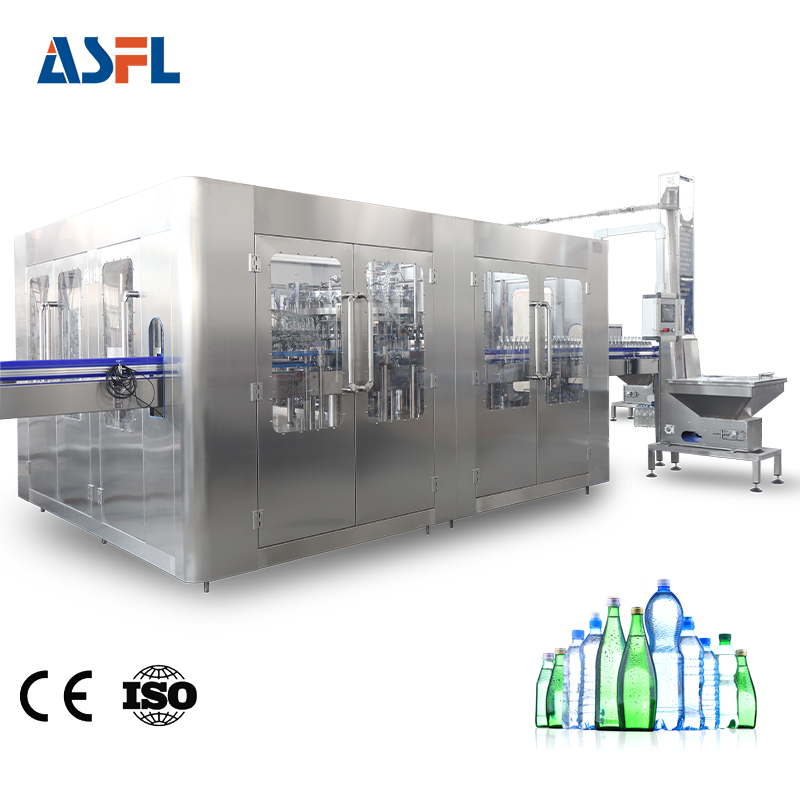
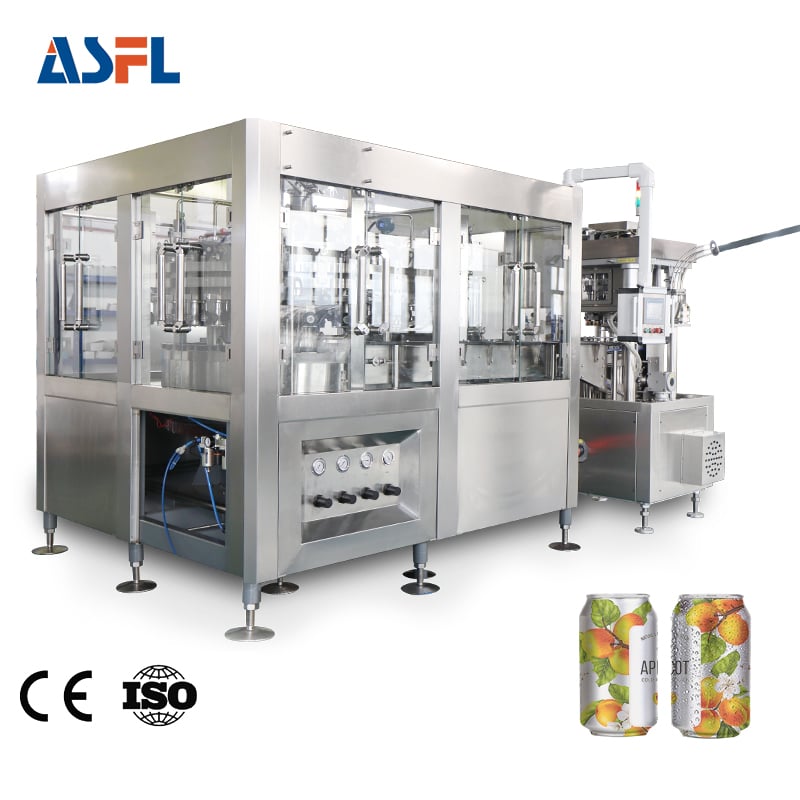
By consolidating bottle rinsing, precision liquid dosing, and cap sealing onto a single structural frame driven by a synchronized main drive shaft, a monoblock liquid filling machine fundamentally reshapes plant efficiency. As an industry leader in automated liquid packaging engineering,
Spatial Engineering: Eliminating Conveyor Footprints
The most immediate operational advantage of upgrading to an integrated monoblock system is the drastic reduction in total equipment footprint. Traditional multi-machine layouts require tens of meters of intermediate buffer conveyors to link standalone rinsing, filling, and capping machines.
-
Single Frame Integration: A monoblock liquid filling machine houses bottle rinsing nozzles, volumetric filling valves, and capping turrets inside a unified enclosure. This direct starwheel-to-starwheel container handoff eliminates long interconnecting accumulation conveyors, reducing the overall machinery footprint by up to 60%.
-
Optimized Cleanroom Management: In pharmaceutical, beverage, and personal care facilities, maintaining sterile cleanroom environments incurs high energy and HEPA filtration costs per square meter. Compact machinery allows operators to fit complete packaging lines inside smaller cleanroom footprints, lowering plant heating, ventilation, and air conditioning (HVAC) operating expenses.
-
Streamlined Utility Routing: Single-frame construction centralizes electrical cabinets, pneumatic manifolds, and liquid supply lines, reducing factory wiring complexity and lowering utility installation expenses.
Kinematic Synchronization and Productivity Optimization
Beyond footprint savings, a monoblock liquid filling machine achieves superior line throughput by eliminating container transfer friction and transfer delays between separate operational stations.
Synchronized Starwheel Handoffs
In standalone lines, bottles accelerate and decelerate between separate conveyors, leading to tipping, scratching, or bottle jams at high speeds. Monoblock architectures utilize precision-machined starwheels driven by a single gear train or synchronized servo system. Bottles pass directly from the rinsing turret into the filling carousel, and then immediately into the capping head without pausing or changing pitch.
Zero-Delay Capping and Exposure Minimization
In liquid packaging, every second an open container spends traveling on a conveyor increases the risk of airborne dust, microbial contamination, or volatile aroma loss. By moving filled bottles directly into the capping turret within milliseconds, a monoblock liquid filling machine minimizes environmental exposure, safeguarding product purity and extending shelf life.
Technical Comparison: Standalone Packaging Line vs. Monoblock Integrated Machine
Selecting between separate machines and a unified monoblock platform impacts long-term operational costs and plant capacity. The table below details key performance metrics between standalone equipment lines and an ACE-FILLING monoblock liquid filling machine engineered to save space and boost productivity.
| Operational Parameter / Metric | Standalone Multi-Machine Line | Monoblock Liquid Filling Machine |
| Required Factory Floor Area | Large (15 to 25 meters total line length) | Compact (4 to 8 meters total frame length) |
| Container Transfer Method | Interconnecting accumulation conveyors | Direct pitch-matched starwheel handoffs |
| Overall Equipment Effectiveness (OEE) | Moderate (Frequent conveyor jam delays) | High (Continuous synchronized rotation) |
| Open-Bottle Air Exposure Time | 8 to 15 seconds (On intermediate belts) | Under 1.2 seconds (Direct turret transfer) |
| Changeover Complexity | High (Adjusting multiple separate machine bases) | Low (Toolless starwheel & guide rail adjustment) |
| Operator Requirement | 3 to 4 operators across separate stations | 1 operator at a centralized HMI panel |
Real-World Case Study: High-Speed Beverage Line Modernization
To illustrate how integrated machinery enhances production economics, consider a commercial fruit syrup manufacturer upgrading their bottling facility to expand capacity.
-
The Challenge: The company operated separate linear rinsing, filling, and screw-capping machines connected by 18 meters of conveyor lines. Bottled product throughput was capped at 3,200 bottles per hour due to frequent bottle tipping on intermediate belts. Furthermore, floor space constraints prevented adding a second production line.
-
The ACE-FILLING Solution: The manufacturer replaced the legacy line with a high-speed 3-in-1 ACE-FILLING monoblock liquid filling machine featuring servo-driven volumetric dosing and automated cap sorting.
-
The Outcome: The integrated system occupied less than 6 meters of line space, freeing up enough factory floor area to install a second complete packaging line. Production throughput surged from 3,200 to 8,500 bottles per hour, container tipping dropped to zero, and total line efficiency increased by 45%.
Regulatory Compliance and Hygienic Design Frameworks
Operating an integrated packaging system in regulated industries requires strict compliance with sanitary engineering guidelines and international machinery standards.
-
Clean-in-Place (CIP) Integration: An ACE-FILLING monoblock liquid filling machine features integrated CIP fluid circuits. Automated drainage troughs lower beneath filling nozzles during wash cycles, circulating sanitizing solutions through all contact parts without disassembling the machine frame.
-
Compliance Standards: Machine construction utilizes electro-polished SUS316L stainless steel for all liquid contact zones, adhering to FDA 21 CFR, cGMP, EHEDG sanitary guidelines, and ISO 9001 quality management standards.
Conclusion
Upgrading to a high-efficiency monoblock liquid filling machine provides an immediate competitive advantage for liquid packaging facilities looking to maximize output within existing facility footprints. By combining rinsing, filling, and capping into a single synchronized system, plant managers can significantly save space, eliminate transfer bottlenecks, and boost productivity across every operating shift. To explore customized monoblock packaging machinery configurations for your plant, visit
 Hot News








