 EN

Why Is the Demand for Aluminum Can Filling Machines Growing in the Soft Drink Industry
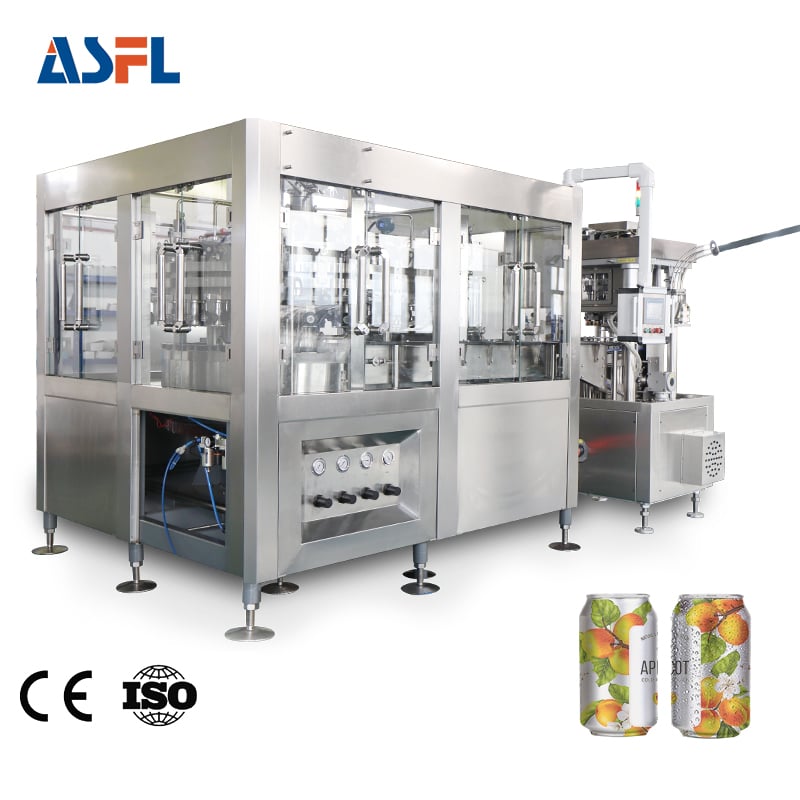
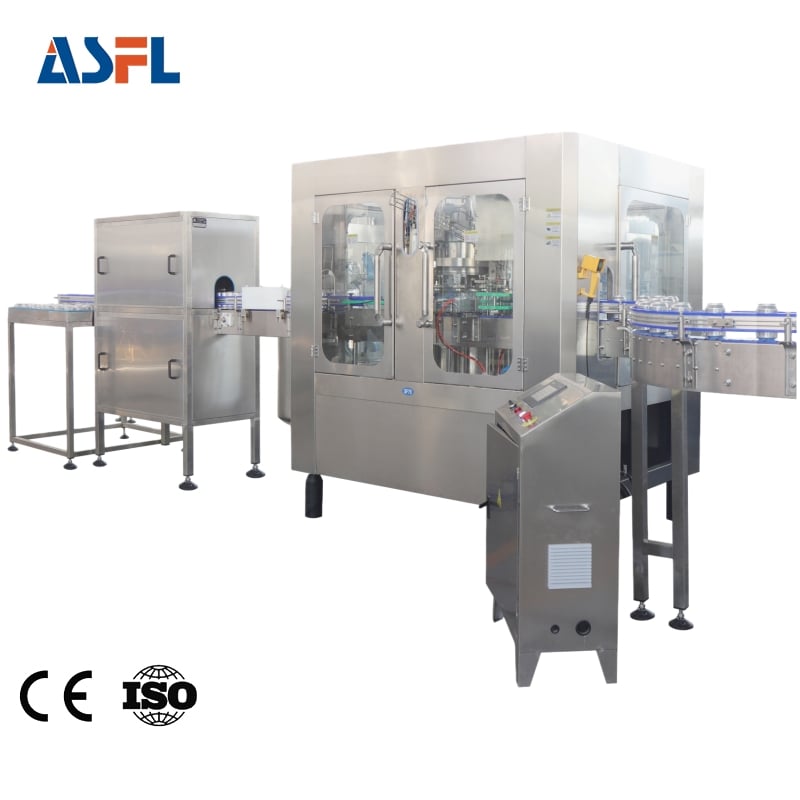
Aluminum cans are becoming a more important format for carbonated soft drinks, flavored sparkling water, energy drinks, and smaller-batch launches. That shift is increasing interest in an automatic soft drink filling machine that can work as part of a coordinated canning line rather than as an isolated piece of equipment. The reason is not simply that cans are popular. Producers are responding to packaging goals, a wider range of beverage formats, and the need to make repeatable filling, seaming, inspection, and changeover decisions at practical line speeds.
From a packaging-line engineering perspective, the first question is not “How fast can the machine run?” It is whether the beverage, can format, upstream supply, and downstream handling can remain stable together. That distinction explains much of the growing demand for automated can-filling solutions.
More soft drink brands are choosing aluminum cans
Soft drink producers increasingly use cans for products that benefit from portability, rapid chilling, shelf visibility, and a compact format. Cans also fit the expansion of single-serve carbonated drinks, functional beverages, and limited seasonal varieties. Third-party market estimates point in the same direction: one 2026 market report valued the aluminum beverage-can market at US$43.8 billion in 2025 and projected 5.2% annual growth through 2033. That estimate should be treated as directional, not as a forecast for every region or factory, but it helps explain why canning capacity is receiving attention.
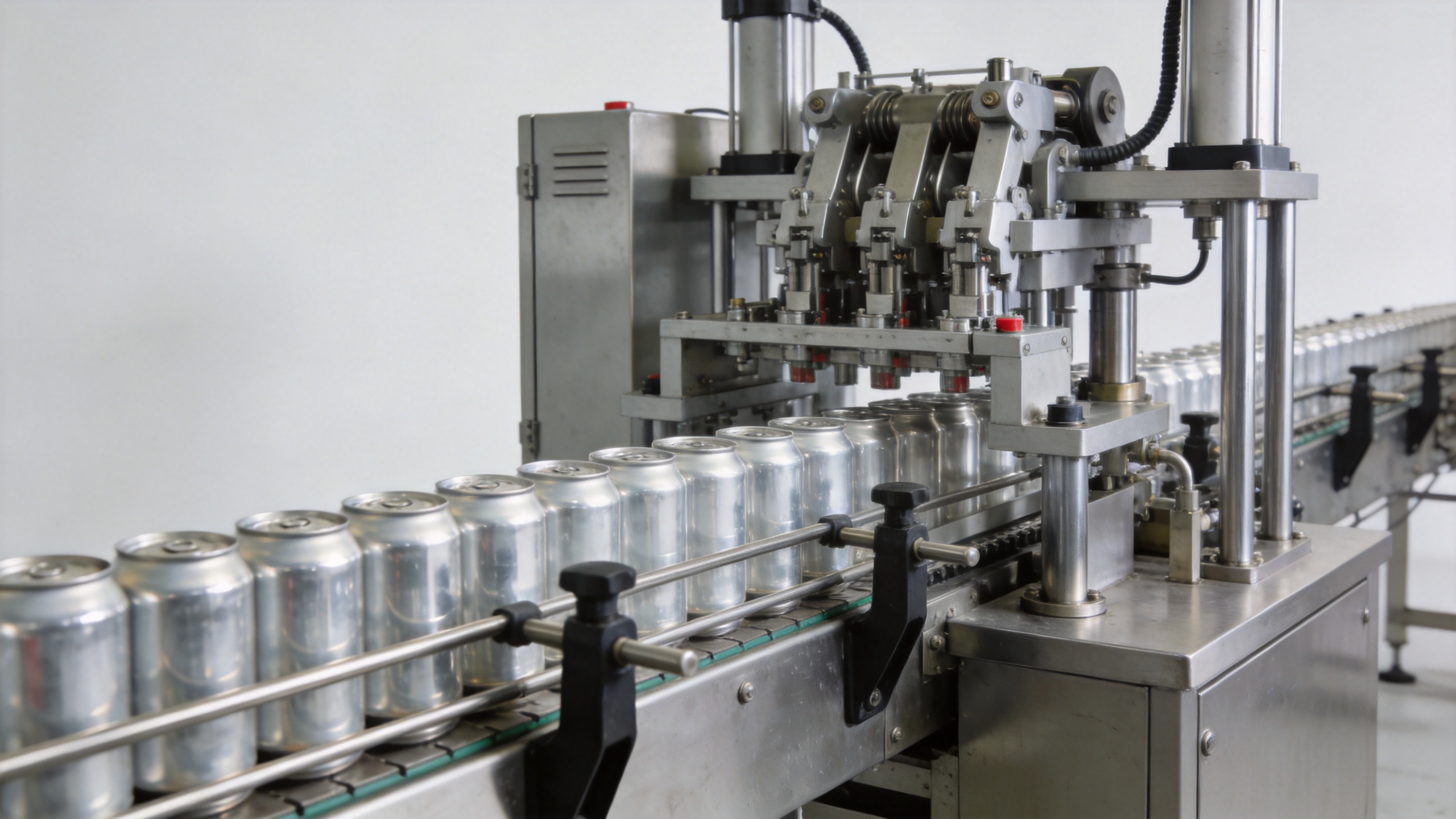
For an operations team, more can formats mean more than a new package. They can change the production workflow: depalletizing or can feeding, rinsing, product filling, lid handling, seaming, coding, inspection, and packing all need to be synchronized. An automatic soft drink filling machine becomes attractive because it helps organize those repeatable actions around a defined operating sequence.
Automation answers the pressure for consistent line coordination
Manual intervention can be workable for trials and very small runs, but it becomes harder to manage as output, SKU variety, and quality checks increase. A soft drink filling machine is usually evaluated for how it coordinates timing and controls across the process, not just for the filling action itself. Producers commonly look for a workflow that can support stable container movement, controlled product delivery, and consistent handoffs to the seaming and inspection stages.
Put another way, a higher nameplate speed is not automatically a better result. Conveyor timing can amplify upstream variation, and the true constraint may sit at lid supply, seam verification, pasteurization, packing, or accumulation. For that reason, buyers increasingly assess an automatic soft drink filling machine as a line-integration decision. The useful specification is the stable, verified output of the whole line under the actual beverage and can conditions.
Carbonated beverages make process control especially relevant
Many soft drinks bring carbonation, foaming behavior, temperature sensitivity, or changing syrup formulations into the discussion. These conditions affect how a filling process should be reviewed. Filling level, foam management, and can handling should be confirmed through trials and acceptance criteria rather than assumed from a generic machine description. The same is true of the transition from filling to seaming: filling and closure performance need to be observed together.
This is one practical reason demand rises for a more automated soft drink filling machine. Automation can make a defined process easier to repeat and monitor, but it does not remove the need to validate beverage behavior. A producer should still document the liquid characteristics, target fill level, can dimensions, lid specification, and intended production rhythm before finalizing a configuration.
Packaging sustainability changes equipment conversations
Aluminum’s recyclability is an important consideration for many brand owners, especially where collection infrastructure and packaging policies make material recovery visible to consumers and retailers. A can-format decision often sits alongside broader sustainability goals, but it also creates practical manufacturing questions: What can sizes will be used? How frequently will the line change format? What scrap or quality checks should be tracked? How will material flow be maintained during peak demand?
Those questions favor a more systematic approach to equipment selection. Instead of comparing only an initial machine price, a buyer can compare the expected changeover path, operator access, cleaning routine, spare-parts planning, and the checkpoints used to confirm product and package quality. An automatic soft drink filling machine can support such a framework when its controls and mechanical layout suit the intended formats, but it should not be presented as a substitute for process design.
Food safety and hygiene expectations also raise the bar
Soft drink production is still food production. In the United States, 21 CFR Part 117 provides a regulatory context for current good manufacturing practice, hazard analysis, and preventive controls for human food. Requirements vary by market and product, so this reference is not a claim that one machine design meets every rule. It does illustrate why buyers ask detailed questions about cleanability, food-contact surfaces, maintenance access, sanitation procedures, records, and verification.
A well-defined automated workflow can help teams standardize their operating steps, but the design review must remain specific. It is better to ask how cleaning time, dead-space risks, access points, and sanitation validation will be handled than to assume that a stainless-steel label alone proves suitability. For a soft drink filling machine, hygienic performance depends on the full product path and the documented operating method.
Smaller runs and more SKUs make flexibility valuable
Today’s soft drink portfolio may include several flavors, zero-sugar versions, functional variants, or promotional can graphics. That does not mean every producer needs maximum flexibility; frequent changeovers can introduce their own losses and controls. Still, as SKU count rises, production teams often want to understand which adjustments are required for each can size and product condition.
This is where a changeover checklist becomes more useful than a broad claim of “easy operation.” A practical checklist can cover can and lid compatibility, guide-rail settings, fill-volume verification, cleaning requirements, code changes, seam checks, and first-off inspection. When these steps are measurable, an automatic soft drink filling machine can be assessed for repeatability rather than marketing language.
Why demand is growing: the combined business case
The market pull for aluminum cans and the factory need for controlled, repeatable production reinforce each other. More canned products create demand for equipment that supports predictable movement through filling and closure. At the same time, brands and co-packers need to protect product quality while handling practical issues such as labor allocation, format planning, line balance, and maintenance windows.
- Format growth: canned soft drinks and adjacent beverage categories widen the potential use cases.
- Line consistency: automated sequencing can help reduce variation when it is matched to the actual process.
- Quality verification: teams can define checkpoints for filling, seaming, coding, and package handling.
- Portfolio management: planned changeovers matter more as brands introduce more formats and SKUs.
- Hygiene discipline: cleanability and documented operating procedures remain central to food-and-beverage production.
How to assess an automatic soft drink filling machine before purchase
Demand growth should not lead to a rushed equipment decision. The most reliable approach is to translate commercial plans into testable line requirements. Start with the beverage profile, can dimensions, anticipated mix, target operating window, and available plant utilities. Then map the interfaces before and after filling. Finally, agree on acceptance criteria that distinguish a brief demonstration from sustained, stable operation.
- Define the beverage properties and the intended can and lid formats.
- Identify the production rate needed after allowing for realistic changeovers and verification checks.
- Review interfaces for can feeding, product supply, seaming, inspection, coding, packing, and accumulation.
- Specify sanitation, access, maintenance, and operator-training requirements.
- Use a documented trial and acceptance checklist to validate key assumptions.
The demand for aluminum can filling machines is therefore growing because soft drink producers are buying a process capability, not merely a faster machine. An automatic soft drink filling machine is most valuable when its configuration is matched to the beverage, container, production plan, and quality-verification process. That disciplined approach helps turn can-format momentum into a line that can be evaluated and improved over time.
 Hot News








