 EN

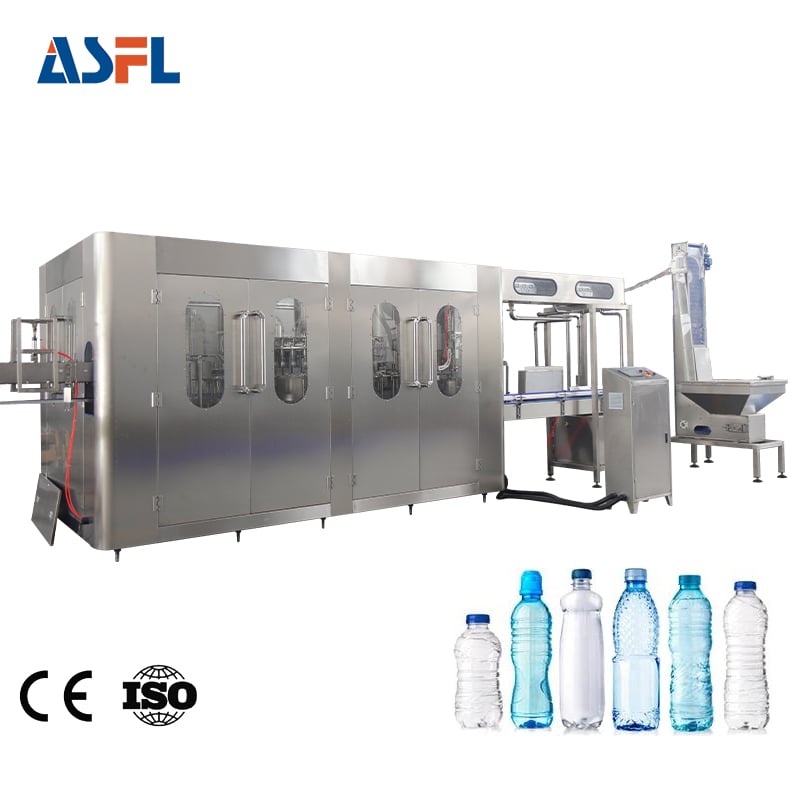
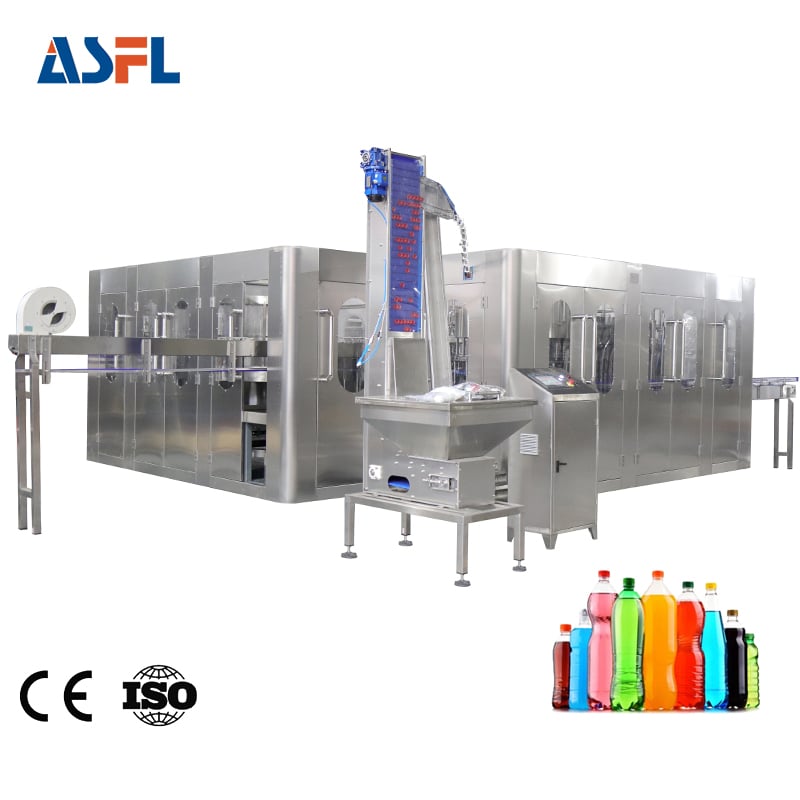
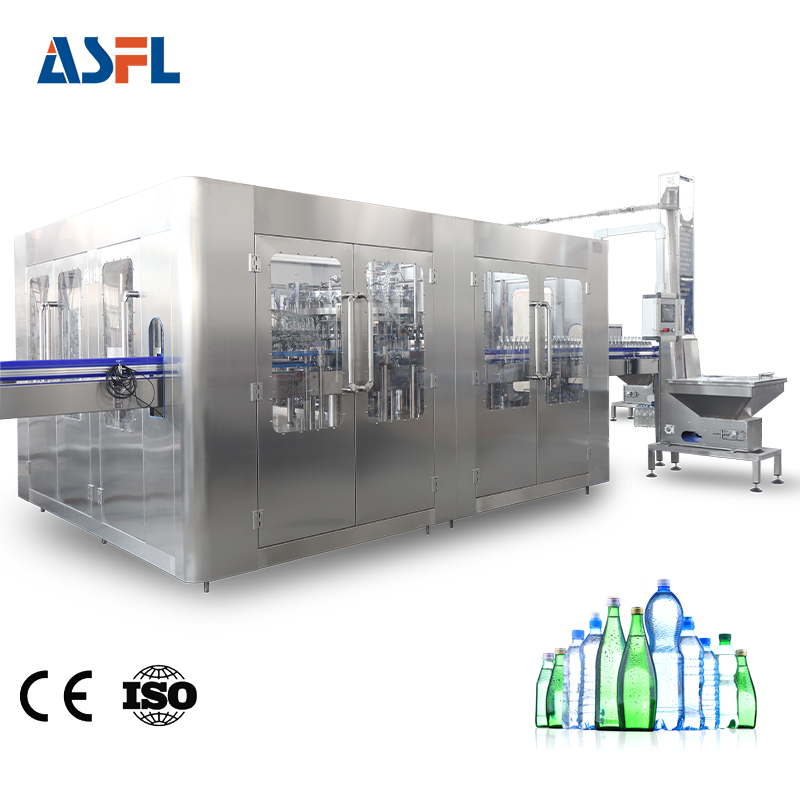
In high-capacity liquid packaging operations, selecting the correct machinery architecture directly governs daily throughput, line efficiency, and long-term capital profitability. While a linear liquid filling machine serves low-to-medium output lines with exceptional cost-effectiveness and flexibility, high-speed beverage, personal care, and pharmaceutical plants quickly hit operational ceilings with stop-and-go linear indexing. To achieve continuous multi-shift output exceeding 6,000 to 36,000 bottles per hour (BPH), facility managers consistently transition to a rotary bottle filling machine.
By dispensing liquid continuously while containers move smoothly along a circular carousel, rotary architectures eliminate the kinetic inertia delays inherent to intermittent linear conveyor stops. As a premier manufacturer of automated packaging systems,
Kinematic Kinematics: Continuous Motion vs. Intermittent Indexing
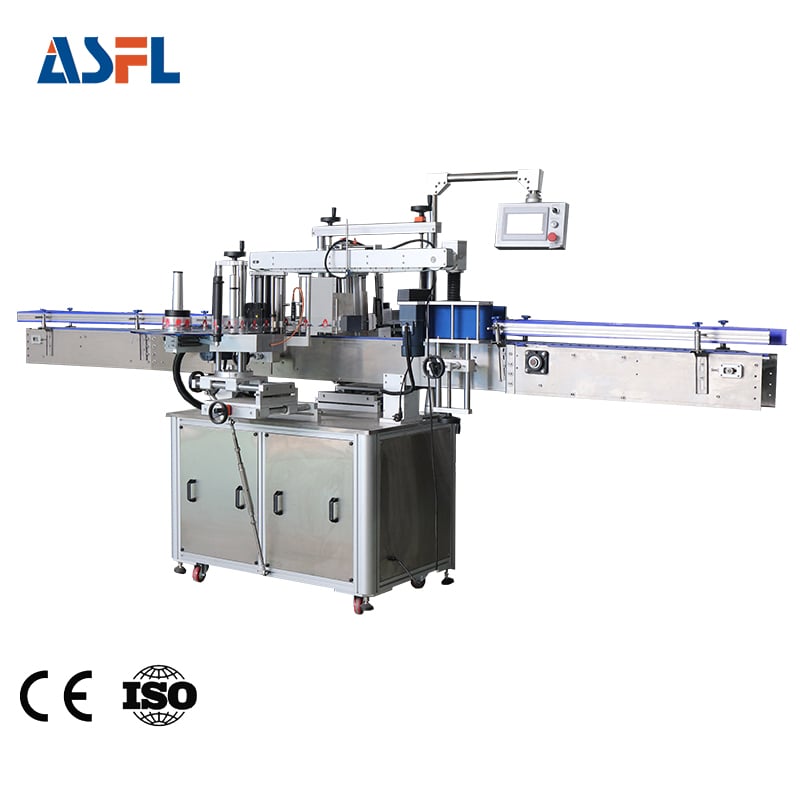
The fundamental limitation of a linear liquid filling machine during high-speed runs lies in its motion dynamics. Linear machines operate on an intermittent indexing cycle: containers travel down a conveyor, stop under fixed nozzles, receive liquid, and accelerate away.
-
Inertial Fluid Sloshing: Stopping and starting containers rapidly at high line speeds causes liquid inside open bottle necks to slosh, leading to spillage, inaccurate fill volumes, and dirty bottle exteriors.
-
Continuous Carousel Rotation: A rotary bottle filling machine operates on a continuous motion principle. Starwheels transfer bottles smoothly onto a constantly rotating carousel. Because the filling nozzles rotate in perfect synchronization with the traveling containers, the liquid is dispensed while in continuous motion, eliminating fluid inertia and bottle tipping.
-
Extended Dosing Duration: Because the liquid filling process spans nearly 270 degrees of the circular carousel path, each bottle receives a longer fill duration without slowing down overall line output. This allows for gentle, foam-free dosing even at speeds exceeding 20,000 BPH.
Footprint Optimization and Scalability for Mass Production
Expanding plant output with linear equipment typically requires placing multiple machines in parallel, which consumes vast amounts of factory floor space and complicates utility distribution.
Multi-Nozzle Carousel Efficiency
Rotary carousels scale output by adding filling heads around the circumference of the central turret (ranging from 12 to 72+ filling heads). A 36-head rotary bottle filling machine achieves output rates that would require three to four separate 12-nozzle linear machines, while occupying less than half the combined physical footprint.
Centralized Motor Drive and Sync
Rotary systems utilize a single heavy-duty main drive motor linked via gear trains or electronic shaft synchronization to up-and-down stream starwheels. This unified mechanical drive lowers overall energy consumption and eliminates conveyor transfer friction during heavy-duty mass production.
Parameter Comparison: Rotary vs. Linear Filling Architectures
Selecting the optimal filling configuration depends on your plant's volume targets, container variability, and throughput demands. The table below compares key performance parameters between a linear liquid filling machine and a rotary bottle filling machine.
| Performance Metric / Parameter | Linear Liquid Filling Machine | Rotary Bottle Filling Machine |
|---|---|---|
| Primary Motion Profile | Intermittent (Stop-and-Go indexing) | Continuous rotation (Non-stop carousel) |
| Typical Throughput Capacity | 1,000 to 6,000 Bottles per Hour (BPH) | 6,000 to 36,000+ Bottles per Hour (BPH) |
| Liquid Sloshing & Foaming Risk | High at speeds above 4,000 BPH | Ultra-Low (Continuous smooth motion) |
| Floor Space Footprint per Output Unit | High (Requires long linear conveyors) | Low (Compact circular pitch design) |
| Changeover Time & Complexity | Fast & simple (Adjustable guide rails) | Moderate (Requires pitch-matched starwheels) |
| Ideal Manufacturing Operational Environment | Small batches, high product variability | High-speed mass production & dedicated lines |
Real-World Case Study: Bottling Line Expansion for Purified Water
To illustrate the productivity gain of switching filling architectures, consider a commercial water bottling plant transitioning from mid-scale distribution to nationwide supermarket supply chains.
-
The Challenge: The facility operated two 8-nozzle linear filling machines achieving a combined output of 4,800 BPH. Attempting to accelerate conveyor speed caused water sloshing, leading to variable fill levels and a 3.6% bottle rejection rate. Factory space constraints prevented adding a third linear line.
-
The ACE-FILLING Solution: The plant replaced both linear units with a single ACE-FILLING 24-head rotary rotary bottle filling machine integrated into a compact monoblock frame.
-
The Outcome: Production throughput spiked to 14,000 BPH on a smaller footprint than the two original machines combined. Fill accuracy locked to within +/- 0.3%, fluid sloshing was completely eliminated, and overall packaging line efficiency increased by 68%.
Quality Assurance and International Engineering Standards
High-speed mass production demands strict adherence to sanitary manufacturing standards and quality control protocols to ensure zero batch contamination.
-
SUS316L Stainless Steel Construction: All product contact pipelines, manifolds, and rotary distribution joints in an ACE-FILLING rotary bottle filling machine are crafted from electro-polished SUS316L stainless steel, featuring smooth interior finishes (Ra < 0.4 um) that prevent biofilm accumulation.
-
Clean-in-Place (CIP) Integration: Integrated CIP spray rings flush all rotary valves simultaneously during product changeovers, cutting sanitation downtime and maintaining strict compliance with FDA 21 CFR, cGMP, EHEDG, and ISO 22000 food safety management standards.
Conclusion
When scaling liquid packaging operations for continuous mass production, choosing a rotary bottle filling machine over a linear liquid filling machine provides unmatched line speed, eliminates fluid sloshing, and optimizes valuable plant floor space. By replacing intermittent stopping with continuous carousel rotation, industrial packagers achieve maximum line efficiency and long-term operational profitability. To explore custom rotary packaging machinery engineered for your facility, visit

 Hot News








