EN

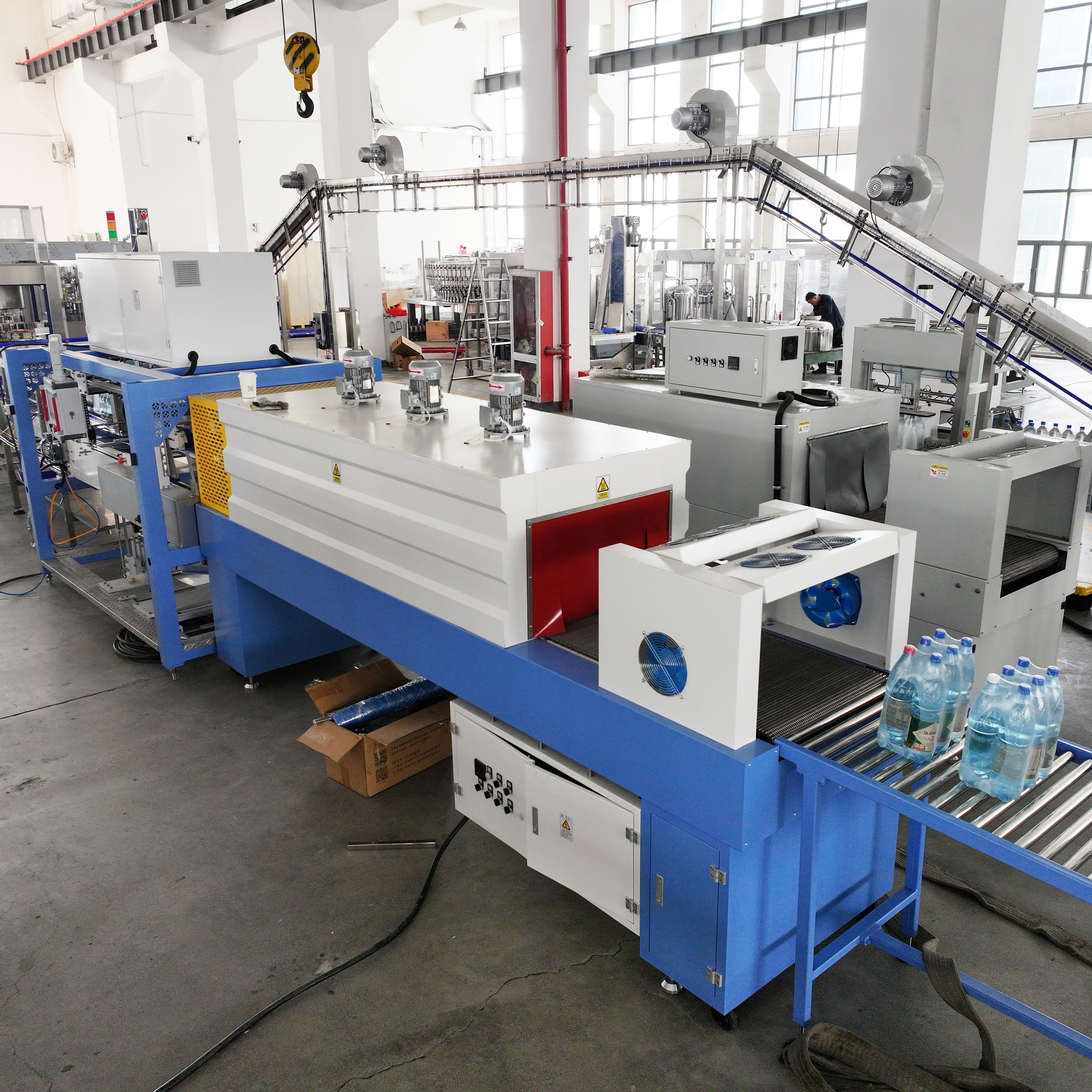
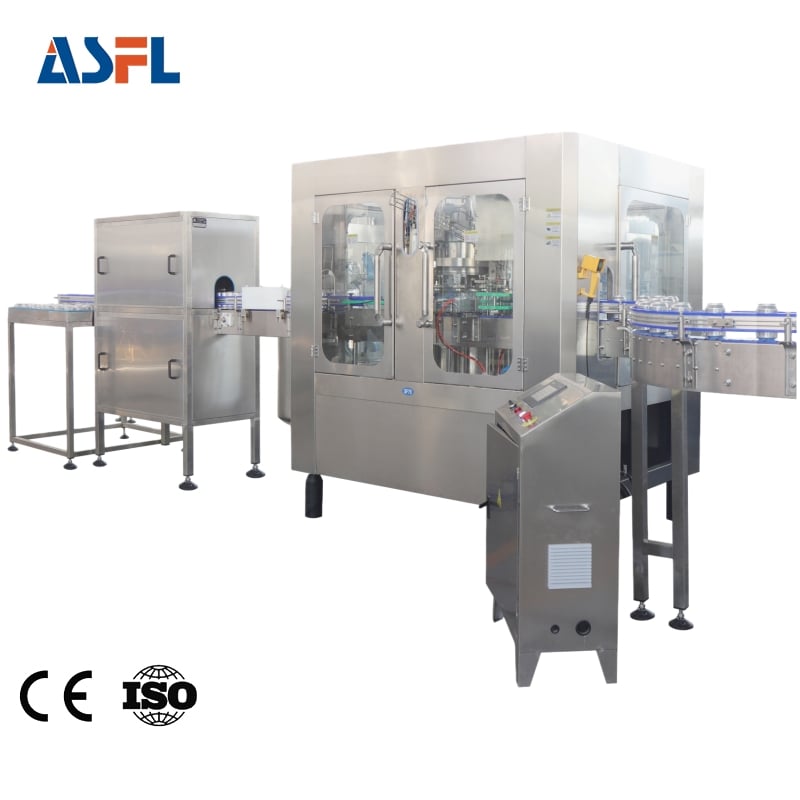
When launching a new beverage manufacturing facility or upgrading an existing packaging line, the Factory Acceptance Test serves as the most critical milestone before equipment delivery. For modern beverage processors handling fruit juices, nectars, and functional drinks, conducting a meticulous juice filling line factory acceptance test is essential to verify that custom-engineered machinery performs exactly as specified in the procurement contract. This pre-shipment evaluation allows plant managers, quality control directors, and lead engineers to examine every mechanical, pneumatic, and electronic system under controlled conditions at the manufacturer's facility, eliminating costly surprises during on-site installation.
The primary objective of this evaluation phase is to catch any discrepancies, alignment errors, or control logic bugs before the machinery is disassembled and loaded onto transport containers. A well-structured evaluation protocol goes beyond basic visual checks; it provides a comprehensive assessment of sanitary compliance, dosing precision, and operational speed. By systematically executing established beverage bottling FAT inspection points, your engineering team ensures that the integrated hardware and software comply with both internal corporate benchmarks and strict international food safety regulations.
To explore advanced engineering architectures and turnkey beverage packaging solutions that incorporate rigorous pre-shipment quality gates, you can visit our main resource portal at ACE-FILLING juice filling machinery. Aligning your internal inspection protocols with factory testing standards guarantees a smooth transition from manufacturing floor to commercial production.
Mechanical Integrity and Hygienic Design Verification
The structural foundation of any high-speed beverage packaging facility relies heavily on superior mechanical engineering and uncompromised sanitary design. Because fruit juices contain natural sugars, acids, and pulpy particles, any structural flaw or microscopic crevice in the fluid pathway can lead to bacterial growth, product contamination, and premature equipment wear. During the physical inspection phase of the evaluation, quality inspectors examine every component that comes into direct or indirect contact with the beverage.
Key mechanical and hygienic verification steps include:
-
Verifying that all product-contact surfaces are constructed from premium austenitic stainless steel, typically grade 316L, to resist corrosion from acidic fruit formulations.
-
Measuring surface finish smoothness using high-precision profilometers to ensure interior Ra values meet or exceed required hygienic cleanliness standards.
-
Conducting boroscopic inspections of orbital pipe welds to confirm complete penetration, smooth root beads, and the absence of sugar-trapping pits or voids.
-
Inspecting rotary valve manifolds, filling bowls, and capping heads for ergonomic design, ensuring swift disassembly for routine cleaning and maintenance.
Checking these mechanical details during a comprehensive juice filling line factory acceptance test protects your brand against microbial contamination risks and ensures long-term operational resilience under demanding multi-shift schedules.
Automation Architecture, Control Systems, and Safety Interlocks
Modern beverage lines depend on sophisticated programmable logic controllers, human-machine interface terminals, and precision servo drives to coordinate high-speed bottle transport, volumetric dosing, and capping synchronization. During the pre-shipment evaluation, the automation and electrical control systems undergo rigorous stress testing to confirm that safety interlocks, emergency stop loops, and data logging functions operate flawlessly.
The table below outlines the core automation parameters, target acceptance criteria, and their direct impact on overall line efficiency.
| Evaluation Parameter | Testing Method | Acceptance Criteria | Operational Benefit |
| Emergency Stop Response | Triggering light curtains and safety fence doors | Immediate power cut to moving drives within milliseconds | Protects operators and prevents severe mechanical collisions |
| Volumetric Dosing Precision | Running multi-cycle sample fills using mock liquid | Deviation strictly within plus or minus 0.5 percent | Eliminates costly product giveaway and ensures net content accuracy |
| Clean-In-Place Sequence | Automated execution of wash and sterilization cycles | Complete program completion without software faults or valve lag | Guarantees absolute sterility between product flavor changeovers |
| Network Communication | Monitoring data packet exchange between PLC and HMI | Zero packet loss and instantaneous dashboard feedback | Enables seamless integration with plant supervisory and data acquisition systems |
Verifying these electronic safeguards during specialized aseptic juice filling machine testing ensures that operators maintain intuitive, reliable command over the entire packaging ecosystem from the moment production commences.
Fluid Dynamics, Dosing Accuracy, and Sterilization Protocols
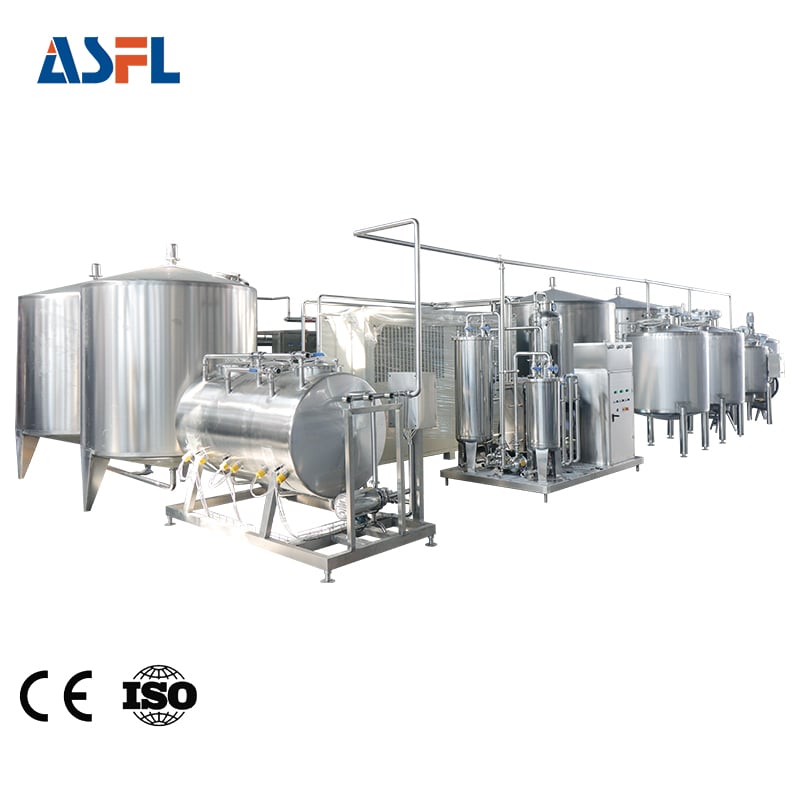
Beverage manufacturing requires precise control over fluid dynamics to prevent foaming, splashing, and air entrapment during high-speed container filling. For sensitive products like ambient or cold-filled juices, thermal processing and aseptic barrier integrity are paramount. During the pre-shipment evaluation, engineers simulate actual product flow rates, viscosity parameters, and pressure conditions to validate the performance of filling nozzles and flow meters.
Key fluidic and sterilization verification protocols involve:
-
Testing the automated Clean-In-Place and Sterilization-In-Place circuits to verify that cleaning fluid temperatures, concentrations, and contact times are precisely maintained.
-
Evaluating anti-foaming mechanisms and bottom-up filling nozzle retraction profiles to ensure clean container rims prior to capping.
-
Measuring volumetric dosing repeatability across different bottle volumes to confirm consistent fill levels without overfilling.
-
Verifying sterile air barrier pressures and positive-pressure enclosure seals designed to protect vulnerable aseptic filling zones from external airborne contaminants.
Executing these fluid-handling evaluations provides undeniable proof of performance, supporting rigorous liquid packaging quality validation before the equipment leaves the manufacturing plant.
Performance Simulation, Speed Trials, and Output Validation
The culmination of the pre-shipment evaluation is the live simulation run, where the entire machinery line operates at rated commercial speed using test bottles and mock liquid. This phase bridges theoretical engineering design and physical reality, proving that the system can sustain continuous operation without mechanical jams, bottle tipping, or premature wear.
During these high-speed operational trials, the engineering team closely monitors several performance indicators:
-
Running a continuous speed trial for a minimum of two uninterrupted hours to verify thermal stability and mechanical endurance.
-
Testing capping head torque consistency to ensure secure seal application without damaging bottle necks or causing leakage during transit.
-
Evaluating fast-format changeover capabilities to measure the time required to adjust guide rails, starwheels, and capper chucks for different bottle sizes.
-
Monitoring container transfer smoothness across conveyor transitions, pneumatic gates, and accumulation tables.
These rigorous output trials validate that the equipment is fully prepared to deliver rated commercial efficiency upon arrival at your manufacturing site.
Documentation Handover, Compliance, and Final Sign-Off
A successful evaluation concludes with a comprehensive review of all technical documentation, material certifications, and regulatory compliance dossiers. Regulatory authorities require complete traceability for every component integrated into food and beverage manufacturing facilities.
Essential documentation verified during this phase includes:
-
Material test certificates confirming the chemical composition of all stainless steel contact parts and elastomer seals.
-
Complete electrical schematics, PLC backup programs, and comprehensive equipment user manuals.
-
Calibration certificates for all integrated flow meters, temperature sensors, pressure transducers, and load cells.
-
Regulatory compliance declarations, such as CE, UL, or regional food contact safety certifications.
Ensuring every detail on the inspection checklist is documented and approved guarantees seamless regulatory clearance and streamlines long-term maintenance management for your plant engineering team.
 Hot News