EN

In today's globalized manufacturing economy, initial technical evaluations and vendor negotiations almost always occur over digital channels. Procurement managers, plant engineers, and brewery directors frequently conduct supplier discovery via video calls, email exchanges, and digital portals. Knowing what specific technical parameters to explore during beverage filling machine manufacturer online communication is the single most effective strategy for identifying competent equipment builders and eliminating unreliable vendors early in the sourcing process. A superficial inquiry yields generic marketing responses, whereas a structured, highly technical line of questioning reveals a supplier's true engineering capability, material quality standards, and manufacturing integrity.
When evaluating overseas packaging equipment vendors, asking vague questions about price or delivery time often masks critical hidden variables such as component origins, weld quality, sanitary certification, and post-purchase remote support capabilities. By utilizing a rigorous liquid bottling machine technical inquiry guide, buying teams can systematically evaluate how transparently a manufacturer addresses technical risks, customized bottle format changeovers, and Clean-In-Place sanitation protocols. This disciplined communication framework protects capital investments and ensures that the machinery delivered to your facility integrates seamlessly into your production line.
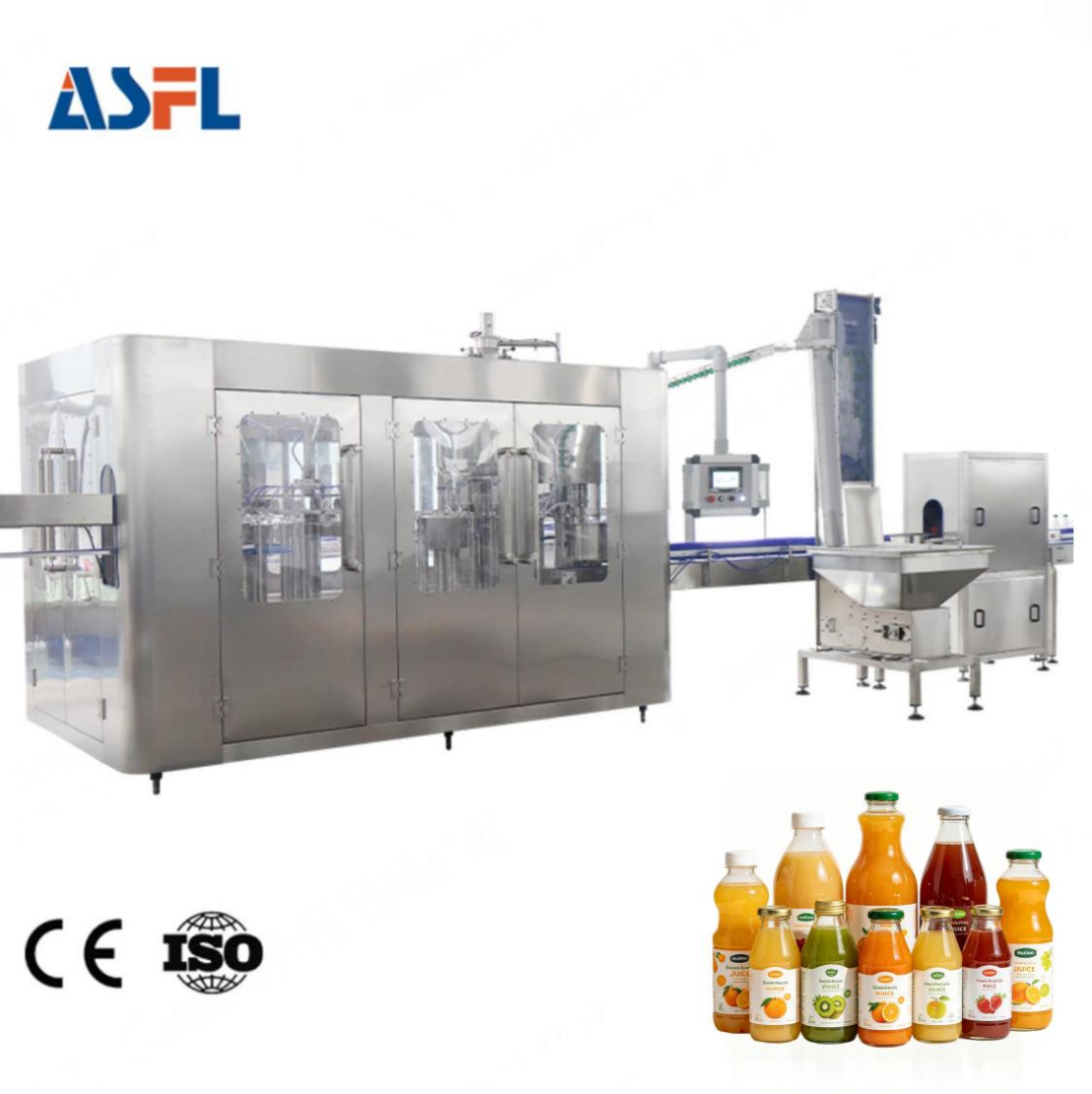
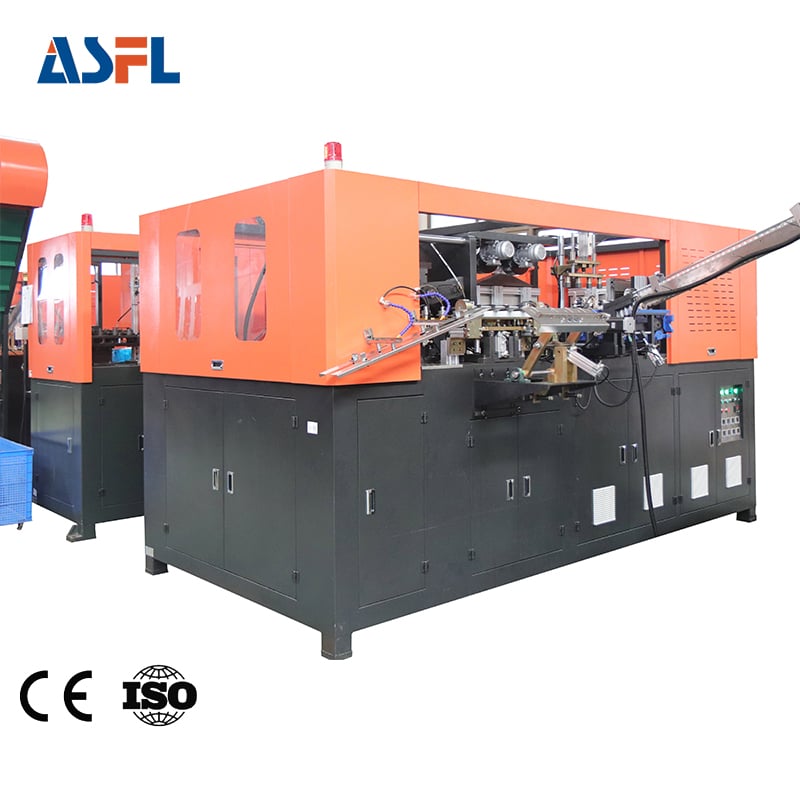
To explore comprehensive engineering specs, custom line designs, and verified equipment manufacturing standards, you can review our core technical portfolio at ACE-FILLING beverage bottling machinery. Establishing clear technical expectations during virtual meetings ensures a smooth procurement lifecycle from initial quote to final factory commissioning.
Technical Questions Regarding Engineering and Material Standards
The physical durability, hygiene, and product safety of a liquid packaging line depend directly on material metallurgy, component selection, and sanitary engineering principles. During virtual discussions, asking target questions about metallurgy and component sourcing quickly separates high-tier industrial machinery builders from low-quality assembly shops.
Essential material and technical questions include:
-
What specific stainless steel grades are utilized for direct product-contact wetted parts versus structural machine frames, and are mill test certificates provided for 316L components?
-
What surface finish roughness average (Ra) value is guaranteed for internal fluid channels and filling valve bowls, and is electropolishing applied post-machining?
-
Which specific global brands manufacture the primary automation components, such as the programmable logic controller, servo drives, pneumatic cylinders, and optical sensors?
-
Are orbital welding methods used for fluid manifolds, and do you perform boroscopic weld inspections to confirm zero micro-porosity where bacteria could accumulate?
Integrating these questions into your initial beverage machinery supplier evaluation checklist forces vendors to provide concrete engineering data rather than vague sales assertions, giving you clear insight into build quality.
Comparative Questioning Matrix for Vendor Qualification
Structuring your online inquiries into specific technical categories allows your engineering team to score and compare multiple equipment builders objectively. The matrix below outlines key operational domains, essential questions to present during video meetings, and the technical benchmarks that signify a qualified equipment manufacturer.
| Operational Domain | Critical Online Question to Ask | Ideal Supplier Response Benchmark | Risk Indicator of Unqualified Vendor |
| Hygienic Design & Cleanability | How does the machine handle CIP/SIP cycles, and are there any internal dead legs or manual wash points? | Fully automated CIP loop integration with self-draining 316L pathways and zero un-drained pockets | Manual disassembly required for basic sanitation or presence of unpolished internal pipe welds |
| Dosing Precision & Speed | What is the exact volumetric dosing variance at maximum rated commercial speed using our target viscosity? | Guaranteed fill weight precision within plus or minus 0.2 to 0.5 percent verified by checkweigher data | Unwillingness to guarantee fill volume accuracy or providing speed metrics using only water |
| Factory Acceptance Testing (FAT) | What specific testing protocols, fluid simulations, and continuous run hours are included in the pre-shipment FAT? | Minimum two-hour continuous speed run using customer containers, video documentation, and full FAT report | Brief dry-run testing without liquid, or refusing live video inspection before container loading |
| Software & Remote Diagnostics | Does the control panel support secure IoT remote diagnostics, and how are PLC program updates deployed overseas? | Encrypted cloud VPN gateway allowing real-time remote engineering login and immediate PLC diagnostics | No remote diagnostic capability, requiring physical technician visits for basic software bugs |
Applying this structured approach during beverage filling machine manufacturer online communication ensures that every candidate vendor is thoroughly vetted against objective operational standards.
Key Questions on Post-Sales Support and Overseas Spare Parts
For international equipment buyers, purchasing packaging machinery is only half the battle; ensuring long-term operational uptime requires a dependable post-sales technical framework. Asking targeted questions about spare parts availability, warranty execution, and remote technical support prevents catastrophic production delays when unexpected component wear occurs.
Vital after-sales and operational questions include:
-
What is your standard contractual response time for emergency technical support queries originating from different global time zones?
-
Does the machinery incorporate standard off-the-shelf industrial components available through global distribution networks, or are you using proprietary custom parts?
-
What specific wear-and-tear spare parts kit is included with the initial shipment, and what is the expedited dispatch timeline for critical replacement valves or seals?
-
What structured virtual training packages are provided to educate local maintenance personnel on routine calibration, mechanical adjustments, and preventive servicing?
Focusing on these long-term operational factors when vetting beverage packaging equipment suppliers ensures that your facility maintains high overall equipment effectiveness (OEE) long after the installation phase is complete.
Regulatory Compliance and Documentation Requirements
Operating a commercial liquid packaging facility requires strict adherence to international food safety and machinery safety regulations. Before signing a procurement contract, buying teams must confirm that the vendor can deliver all necessary compliance dossiers, engineering schematics, and material certifications required by local government inspectors.
Crucial documentation questions to present during virtual meetings include:
-
Can you provide CE declarations of conformity, UL-compliant electrical panel wiring, and FDA material compliance certificates for all elastomeric seals and contact plastics?
-
Will the equipment arrive with complete, translated user manuals, electrical schematics, pneumatic diagrams, and a comprehensive spare parts catalog?
-
How are machine risk assessments conducted, and what safety interlocks, light curtains, and emergency stop circuits are integrated into the machine frame?
Demanding verifiable answers to these regulatory questions during beverage filling machine manufacturer online communication guarantees that your new equipment arrives fully prepared to pass facility health audits and regulatory safety inspections smoothly.
 Hot News