 EN

What Are the Critical Points of Factory Acceptance Test for Juice Filling Line?
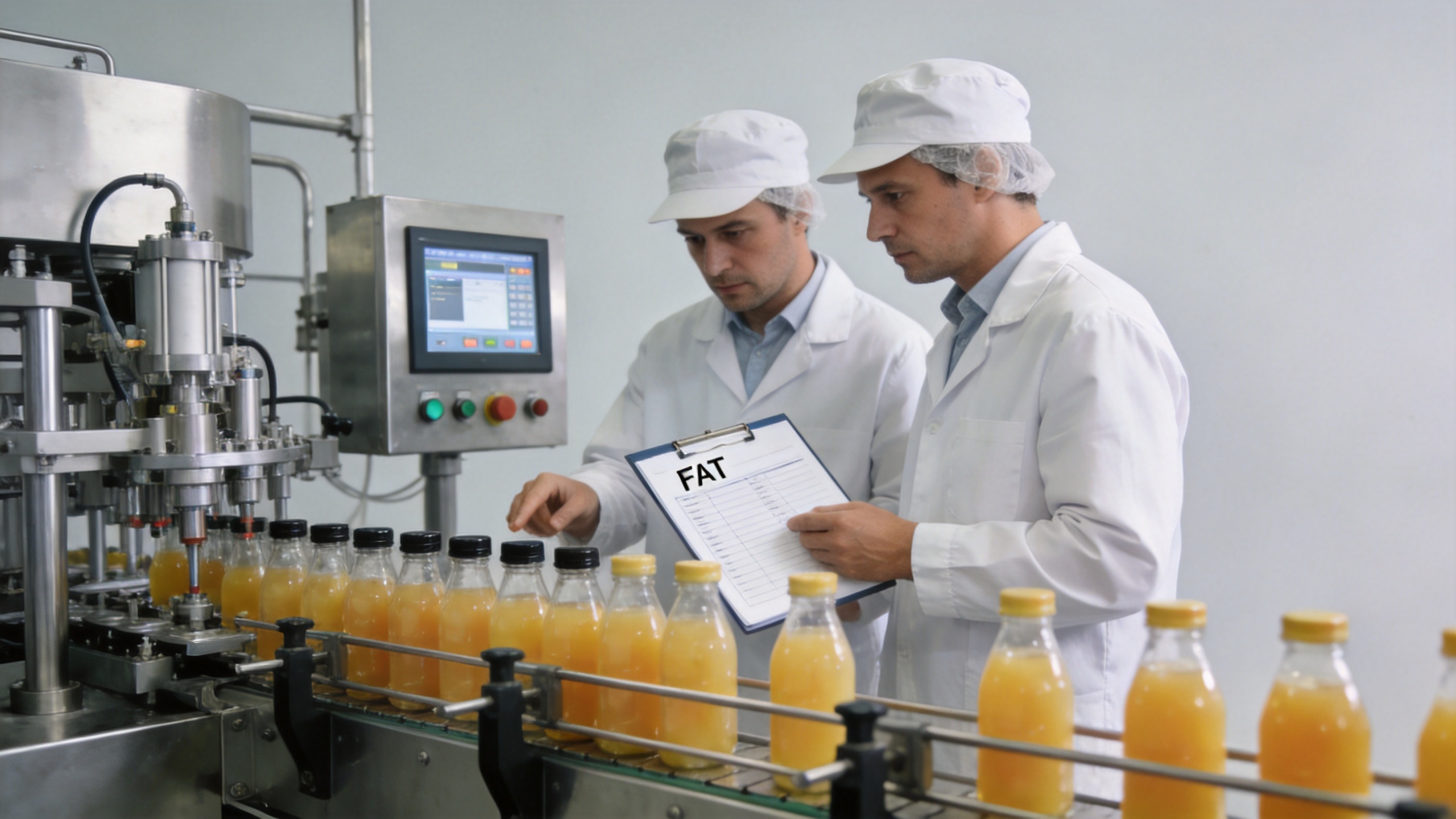
A factory acceptance test (FAT) is the point where a juice filling line stops being a quotation and becomes a demonstrable production system. From a production-line engineer’s perspective, the most useful FAT does not merely show that motors turn and bottles move. It proves, under agreed conditions, that the line can process the specified juice, package, closure, speed range, and cleaning routine in a controlled way.
For a juice filling line, acceptance should be based on a written test matrix agreed before the visit. That matrix should state the juice condition, bottle and cap specifications, target output, test duration, allowable rejects, utilities, responsibilities, and evidence to be supplied. Otherwise, a smooth short demonstration can hide the issues that only appear during a sustained run.
1. Freeze the FAT scope before equipment is built
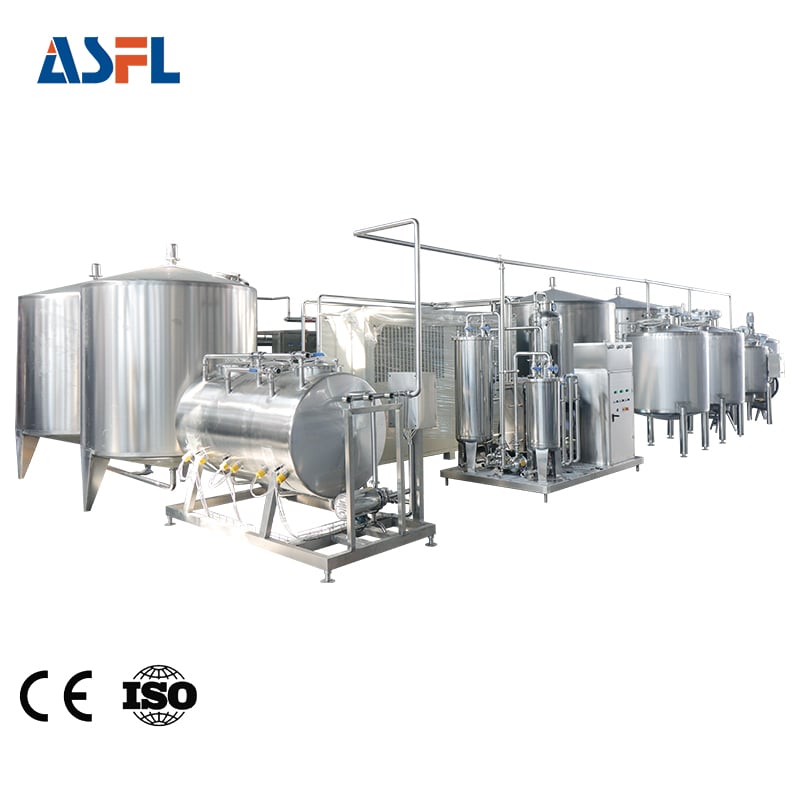
The first critical point is alignment between the purchase specification and the FAT protocol. List every supplied module in the juice filling line: product preparation interface, bottle infeed, rinsing or air treatment where applicable, filler, capper, conveyors, coding interface, inspection devices, and controls. Mark what will be physically tested at the factory and what cannot be tested until site commissioning.
Define the actual test product or a documented substitute. A substitute may be reasonable, but it must match the relevant process behavior: viscosity, pulp content, foaming tendency, temperature, carbonation if applicable, and cleaning demand. More accurately, first confirm liquid behavior, then discuss speed. A line that runs water well may require different settings for a foaming or pulp-containing juice.
2. Verify the complete material and container path
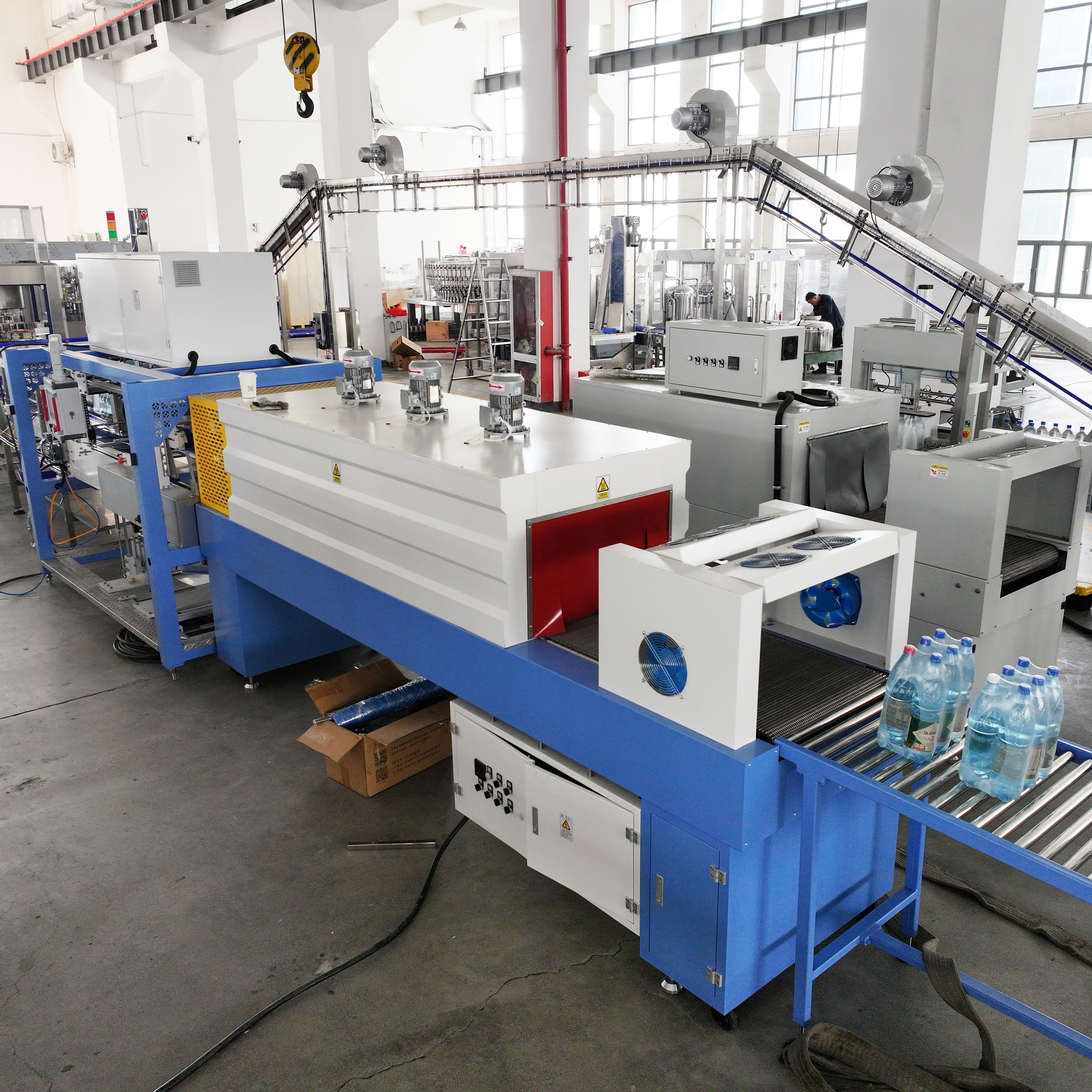
Walk the product path and bottle path in order, rather than reviewing each machine in isolation. Confirm bottle orientation, transfers, guide adjustments, container support, neck handling where used, filling-valve engagement, cap delivery, cap application, discharge, and accumulation. Record the approved bottle, cap, label zone, and change parts by drawing or part number.
For the juice filling line, observe at least one normal run and one planned changeover. Ask the team to show the steps, tools, adjustments, recipe selection, and checks needed to change to another approved format. A changeover is not accepted simply because it can be done; it should be repeatable, safe, and documented. Do not treat a successful one-off adjustment as proof of production readiness.
3. Test output as sustained performance, not a peak reading
Specify how output will be calculated: good accepted bottles divided by the timed production period, with planned stops and abnormal stops identified separately. A short high-speed display is not the same as stable output. Run the juice filling line long enough to reveal bottle backup, cap-feed interruptions, fill-level drift, sensor faults, and recovery behavior.
The FAT record should capture start and end time, target and actual rate, total bottles, good bottles, rejects by reason, downtime, operator interventions, and the line section that caused a stop. Faster does not automatically mean more stable. If the filler reaches its rated speed while the capper or discharge conveyor repeatedly restricts flow, the practical line result is lower than the filler display suggests.
4. Check fill quality and closure integrity with an agreed sampling plan
Define the measurement method before testing: gravimetric weight, volume, fill height, or a combination. Agree the sample frequency, sample size, product temperature, tolerances, and how out-of-tolerance bottles are handled. Take samples at start-up, during stable production, after adjustments, and near the end of the trial. This reveals whether the juice filling line holds its settings rather than producing one acceptable sample set.
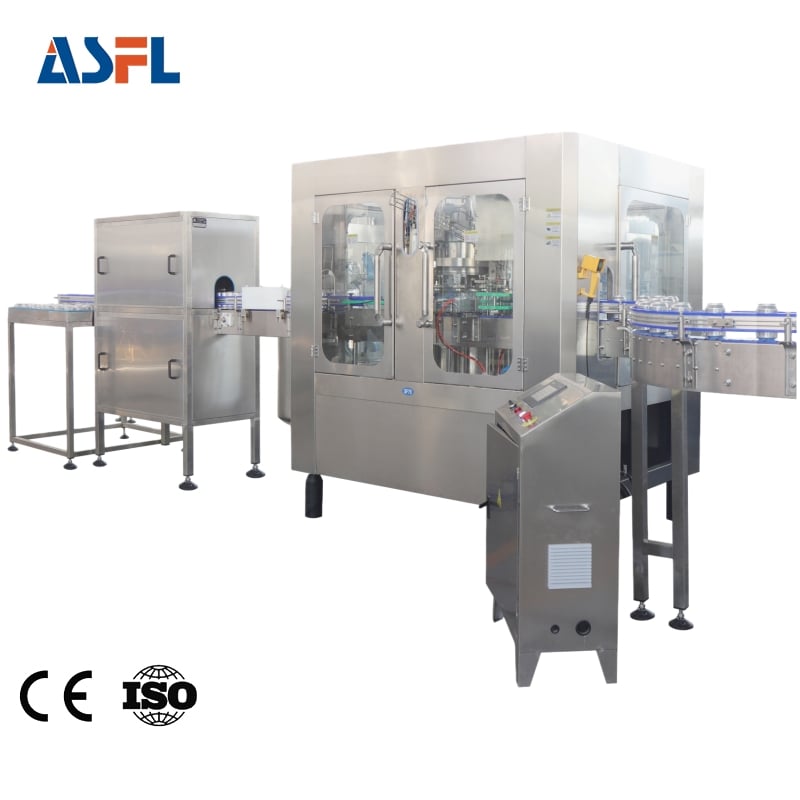
Review closure quality at the same time. The filler and capper must be observed together because apparent filling issues can arise from poor cap handling, and cap defects may be amplified by bottle positioning. Confirm cap presence, application consistency, torque or other specified closure checks, visual defects, and reject-device operation. For an automated filling and capping machine, the evidence should show both the fault detection and the physical removal of rejected containers.
5. Make hygiene, cleanability, and CIP evidence part of the FAT
Sanitation is a functional acceptance item, not a paperwork add-on. Inspect product-contact surfaces, seals, valves, pipe routing, drainability, accessible inspection points, and any blind areas that could complicate cleaning. For projects serving a U.S. food operation, 21 CFR Part 117 is a useful reference: food equipment must be adequately cleanable and maintained, while food-contact surfaces must suit the intended food and cleaning conditions. Destination-market requirements and the signed specification still take priority.
If CIP is included, verify the agreed sequence, interlocks, flow path, return path, parameters available to the operator, alarms, and records. Do not claim microbiological performance from a mechanical FAT unless that validation is explicitly within scope. Instead, document what is demonstrated at the factory and what remains for site validation. This distinction is particularly important for an aseptic beverage filling machine, where the boundaries between mechanical testing, sterilization validation, and site qualification must be explicit.
6. Challenge controls, alarms, and safe recovery
A good FAT deliberately creates safe, controlled faults. Test emergency stops, guard interlocks, low bottle supply, low cap supply, bottle jams, product supply conditions, sensor faults, rejected-container collection, alarm messages, and restart logic. The practical question is whether the juice filling line stops safely, tells the operator what happened, and restarts without releasing a stream of questionable product.
Review recipes, user permissions, operating screens, manual-mode restrictions, and backup procedures. Check that labels, electrical drawings, pneumatic diagrams, spare-parts lists, and operating manuals match the delivered configuration. A FAT should also confirm that calibration certificates and test records required by the contract are available.
7. Close with evidence, exceptions, and shipment conditions
End the test with a signed evidence package, not just a meeting note. It should include the FAT protocol, completed test sheets, output and quality data, photos or video where agreed, software version, drawings, document list, training records if provided, and a punch list. Each open item needs an owner, corrective action, due date, and acceptance method.
Classify exceptions clearly. A safety, hygiene, or core performance issue should normally be resolved before shipment. A cosmetic item or site-only interface may be accepted as a controlled open point if both parties agree on the closure criteria. This is the practical value of a juice filling line FAT: both buyer and supplier know how expectations will be measured before the equipment leaves the factory.
Practical FAT checklist
- Approved juice, bottle, cap, speed, utilities, and acceptance criteria are written into the protocol.
- The complete juice filling line is run as an integrated system, not as disconnected machines.
- Output, rejects, fill quality, closures, alarms, and changeover steps are documented with objective records.
- Cleaning design and CIP functions are verified within the agreed scope.
- Every exception has an owner, deadline, and observable closure test.
Before scheduling the visit, circulate the FAT matrix to the operations, quality, engineering, and purchasing teams. Their questions often reveal missing conditions early, when they are easier to correct than after shipment. A carefully witnessed juice filling line FAT cannot replace site commissioning, but it gives commissioning a much stronger starting point.
 Hot News








