
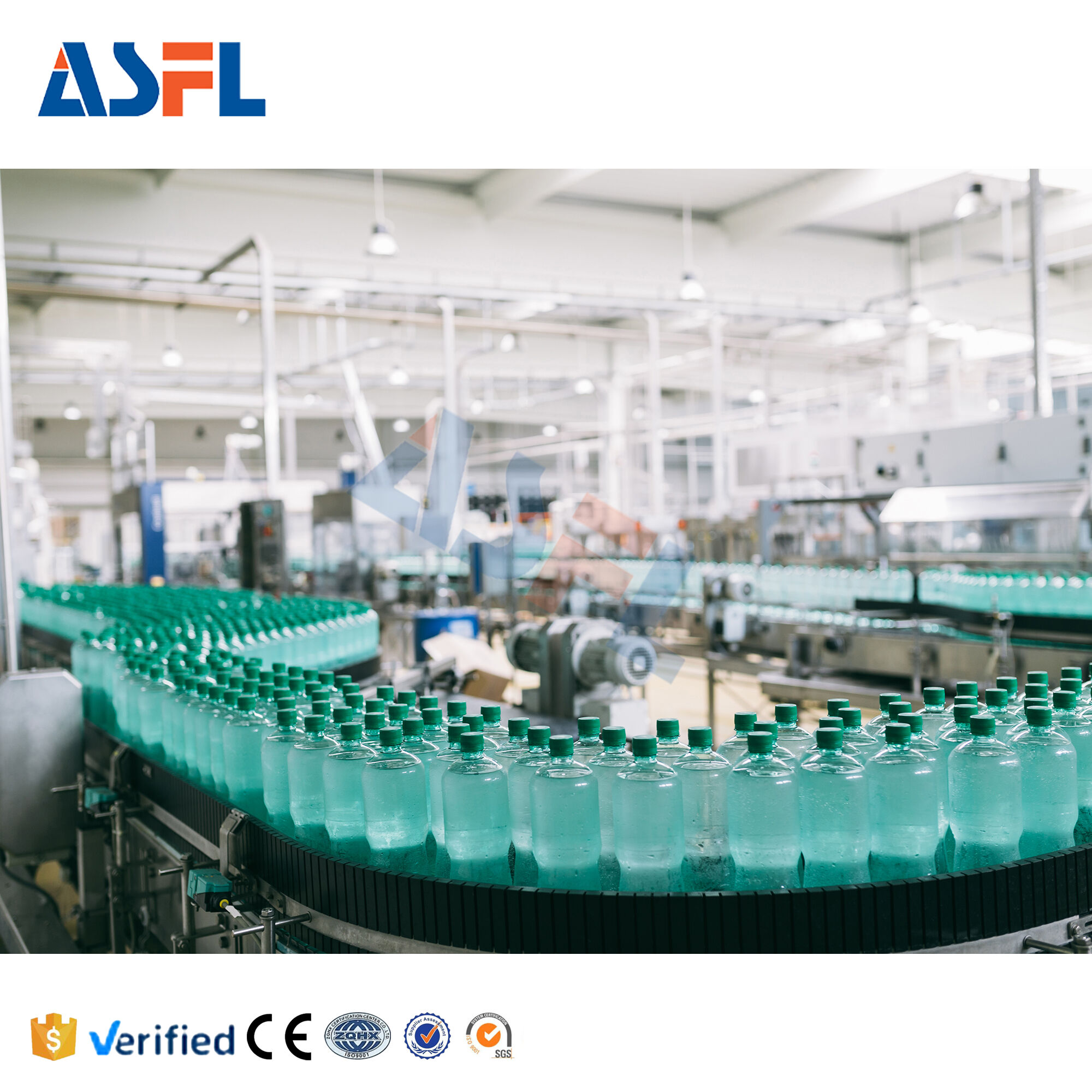
The Pulpy Beverage Challenge for Drink Filling Machines Viscosity—Particle Interplay Disrupting Flow Consistency Beverages with pulp content, think orange juice with bits or those thick fruit smoothies, create real headaches for automated filling eq...
VIEW MORE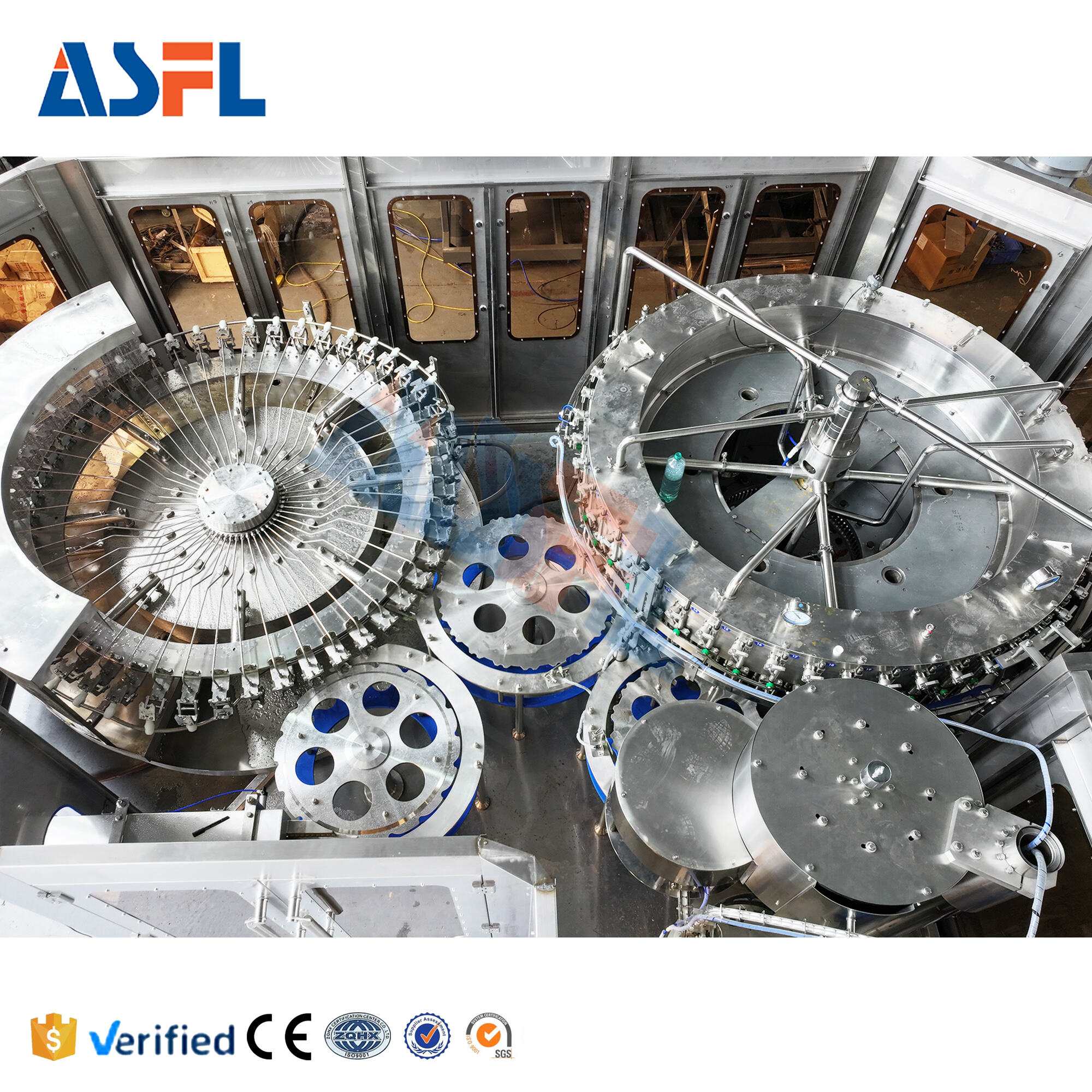
Operator Training for the Carbonated Drink Filling Machine Machine Startup, CO2-Integrated Filling Cycles, and Batch Handover Procedures When new staff start working on the line, they go through a comprehensive training program divided into three ma...
VIEW MORE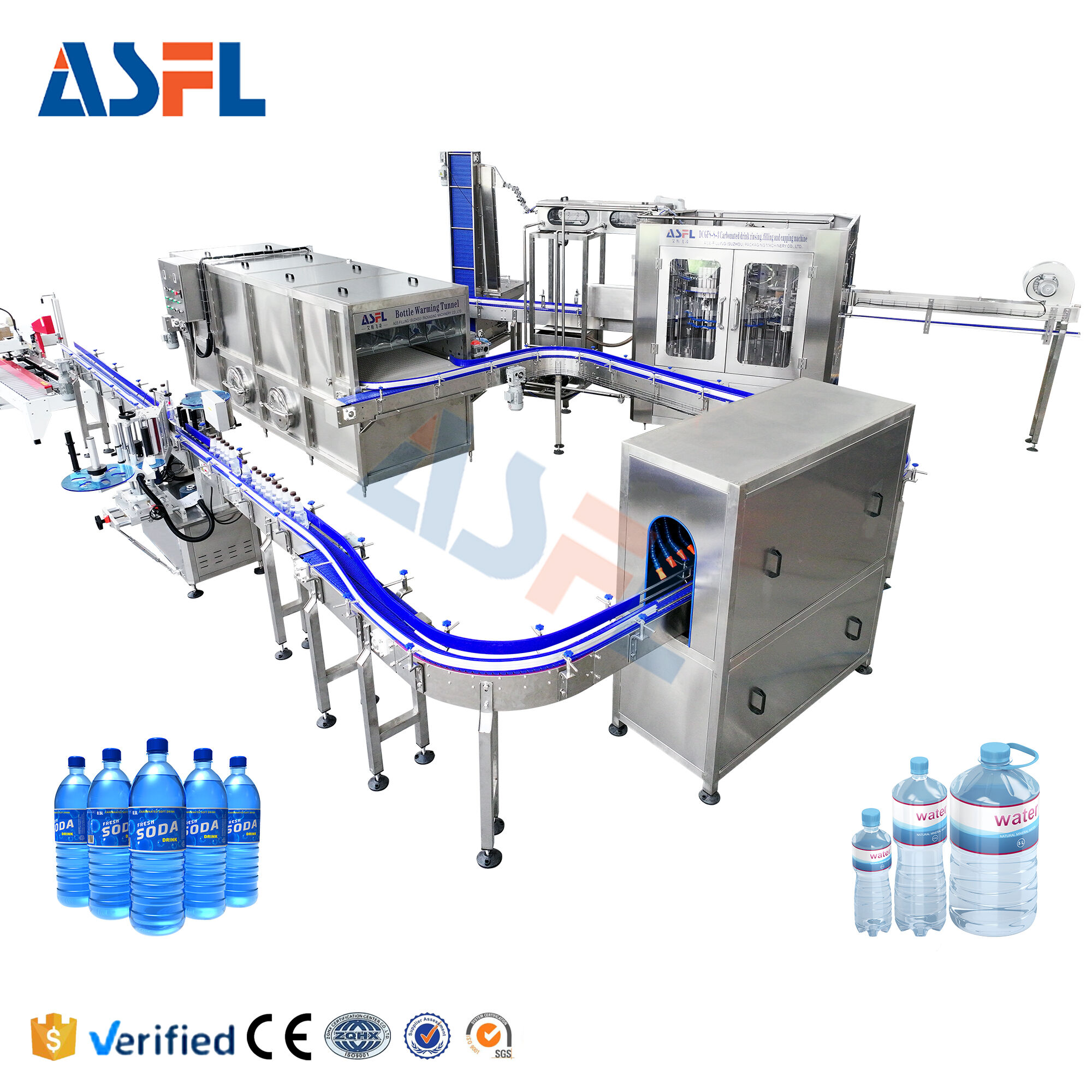
Gravity vs. Pressure Filling: Matching Principle to Beverage Type How gravity filling uses head pressure for cost-effective, low-viscosity drink applications The gravity filling method works by using the weight of the liquid itself. Basically, they ...
VIEW MORE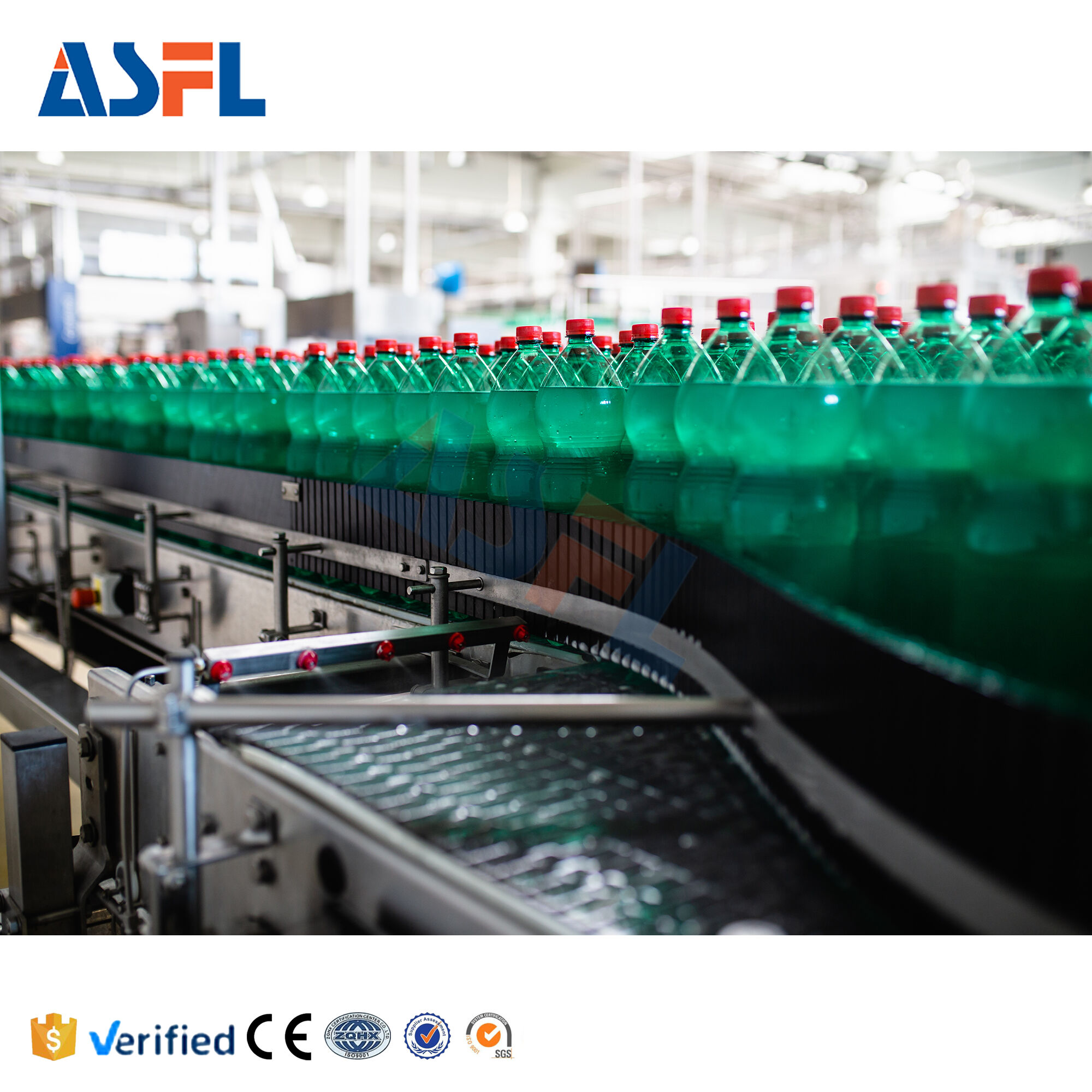
Core Operational Status and Real-Time I/O MonitoringColor-Coded Input/Output Indicators for Valves, Sensors, and ActuatorsOperators can tell what's going on with the equipment at a glance thanks to the color coded HMI interface. Green means valves ar...
VIEW MORE
Daily Cleaning to Prevent Residue Buildup and Valve Sticking Removing Syrup Residue and CO2-Induced Crystallization from Nozzles The nozzles on carbonated drink fillers tend to collect syrup leftovers that mix with CO2 in the system and create tough ...
VIEW MORE
CO₂ Stability and Foaming: The Core Science Behind Temperature Sensitivity How CO₂ Solubility Drops with Rising Temperature – and Why It Drives Foam When it comes to how much CO₂ stays dissolved in drinks, there's this thing called Henry's Law...
VIEW MORE
Production Throughput and Speed Performance of Water Filling Machines Rotary Water Filling Machines: Optimized for High-Volume, Continuous Operation The rotary water filling machine is basically king when it comes to high volume operations thanks to...
VIEW MORE
Understanding Small-Scale Water Bottle Filling Machine Output Capacity How Automation Level and Design Type Affect Bottles Per Hour (200–2,000 bph) The output range for small scale water bottle filling machines typically falls between 200 and ...
VIEW MORE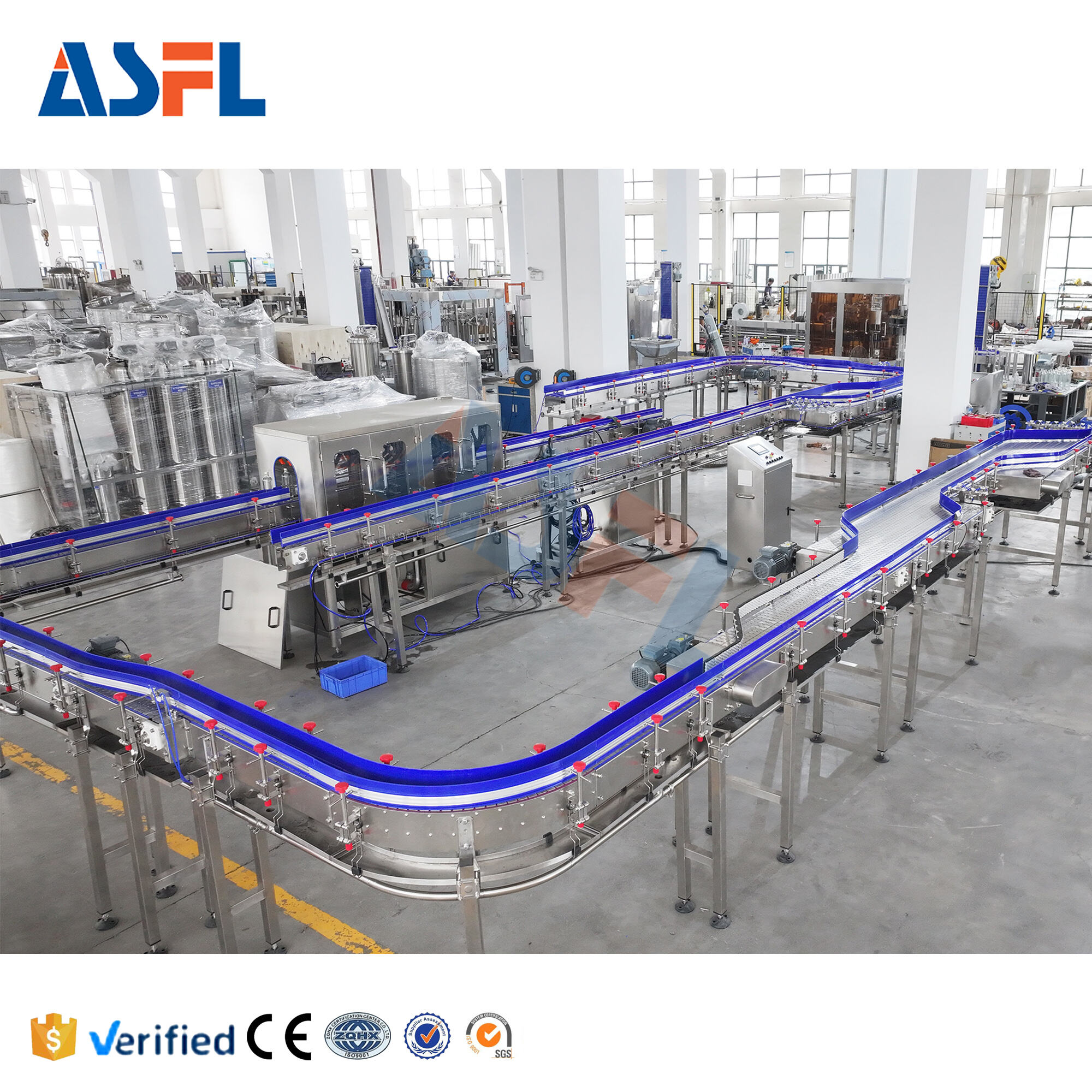
Assessing Capacity Gaps and Scalability Readiness Identifying Bottlenecks: When Demand Outpaces Your Current Beverage Filling Machine Throughput When sales take off fast, production lines tend to hit their limits pretty quickly. A beverage filling ...
VIEW MORE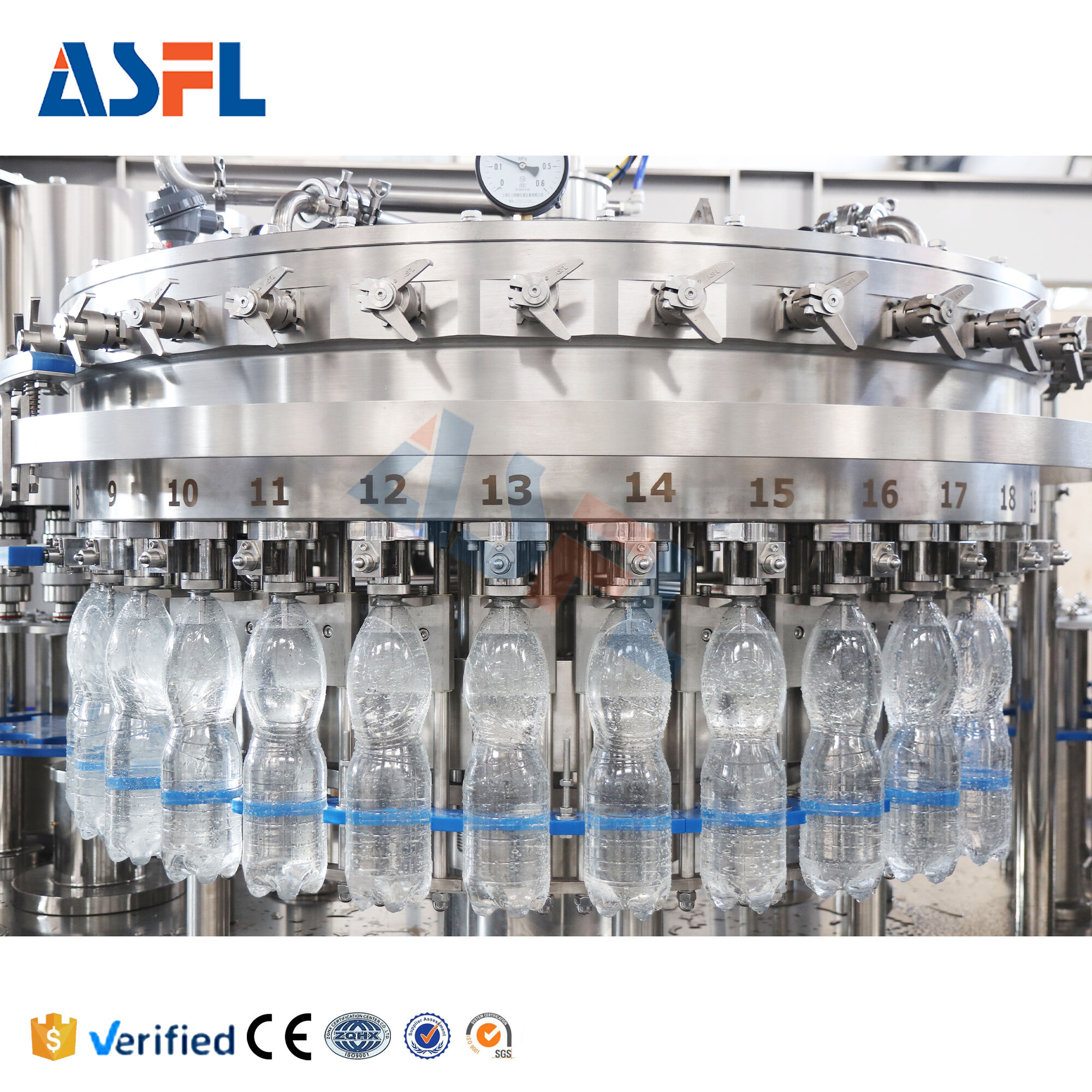
How Flow Control Ensures Precision in Drink Filling Machines The role of flow control in drink filling machine operations The flow control system in beverage filling equipment works much like the brain controlling body functions, turning erratic liq...
VIEW MORE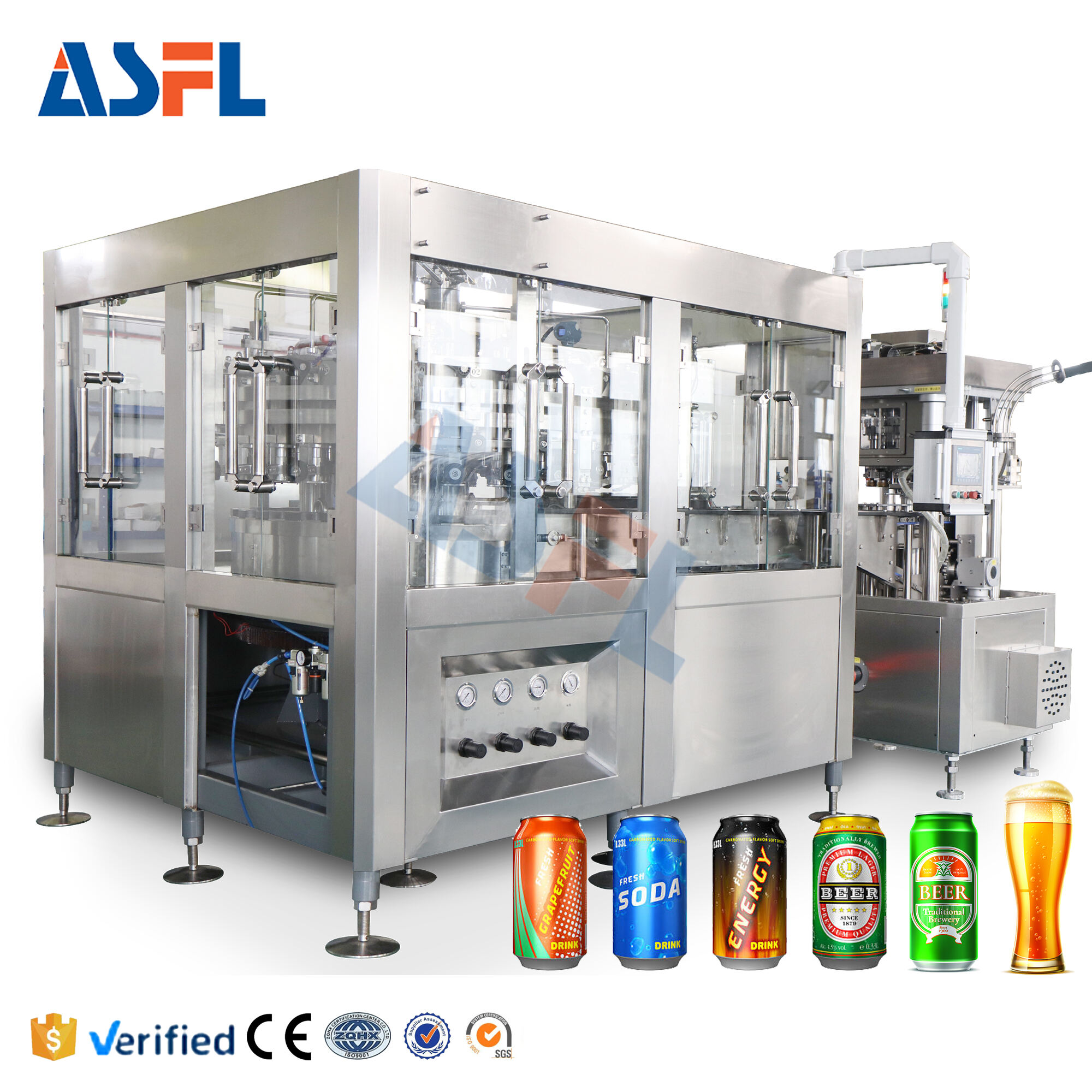
How Can Filling Machines Work: Core Mechanisms and Types Understanding the operational principles of can filling machines is essential for optimizing beverage production lines. These systems employ distinct mechanisms to achieve precise volumetric fi...
VIEW MORE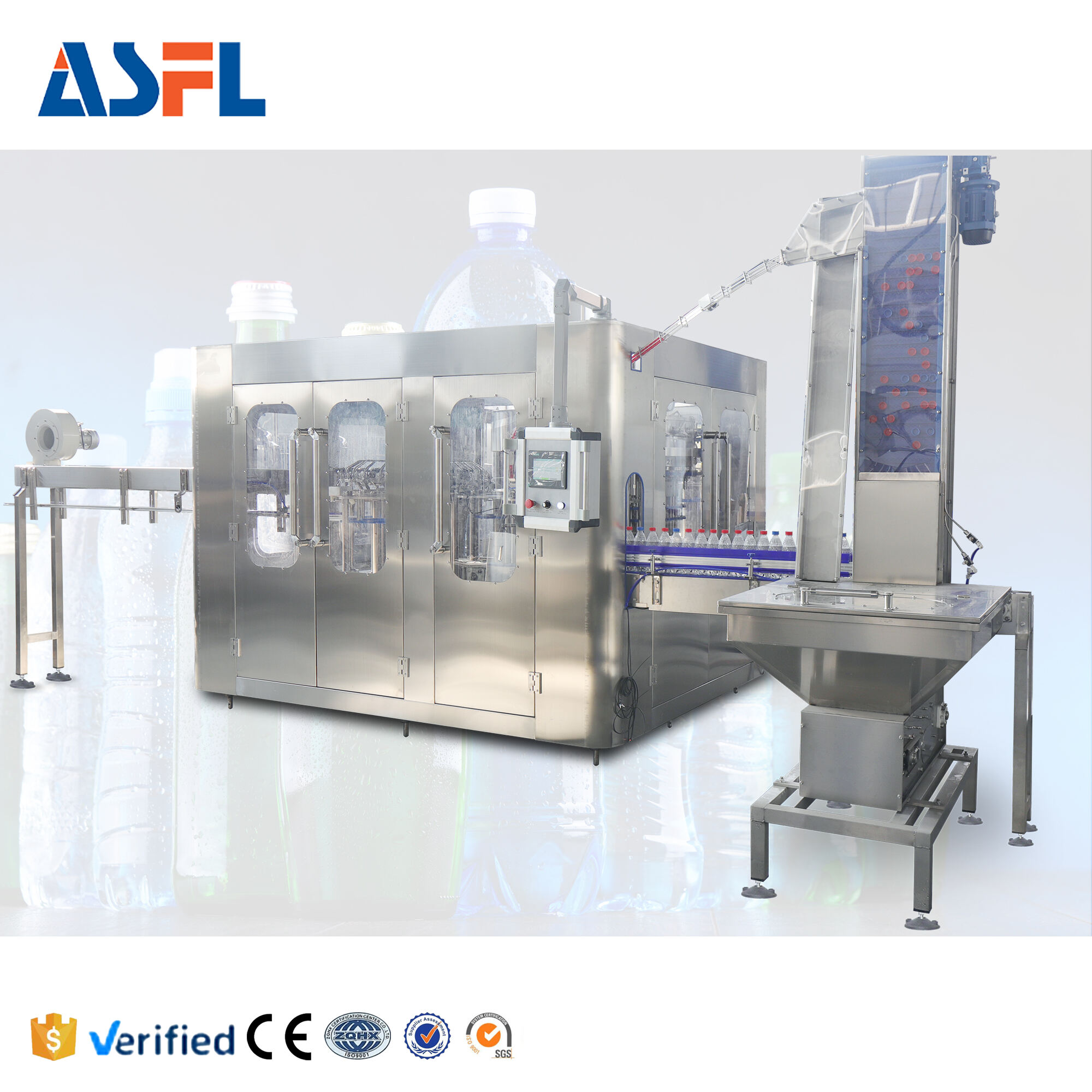
Space Efficiency Through Integrated Monoblock DesignReduction in Production Line Footprint by Replacing Multiple Standalone MachinesMost traditional beverage plants still run with separate machines for cleaning bottles, filling them, and putting on c...
VIEW MORE EN
EN