EN
EN

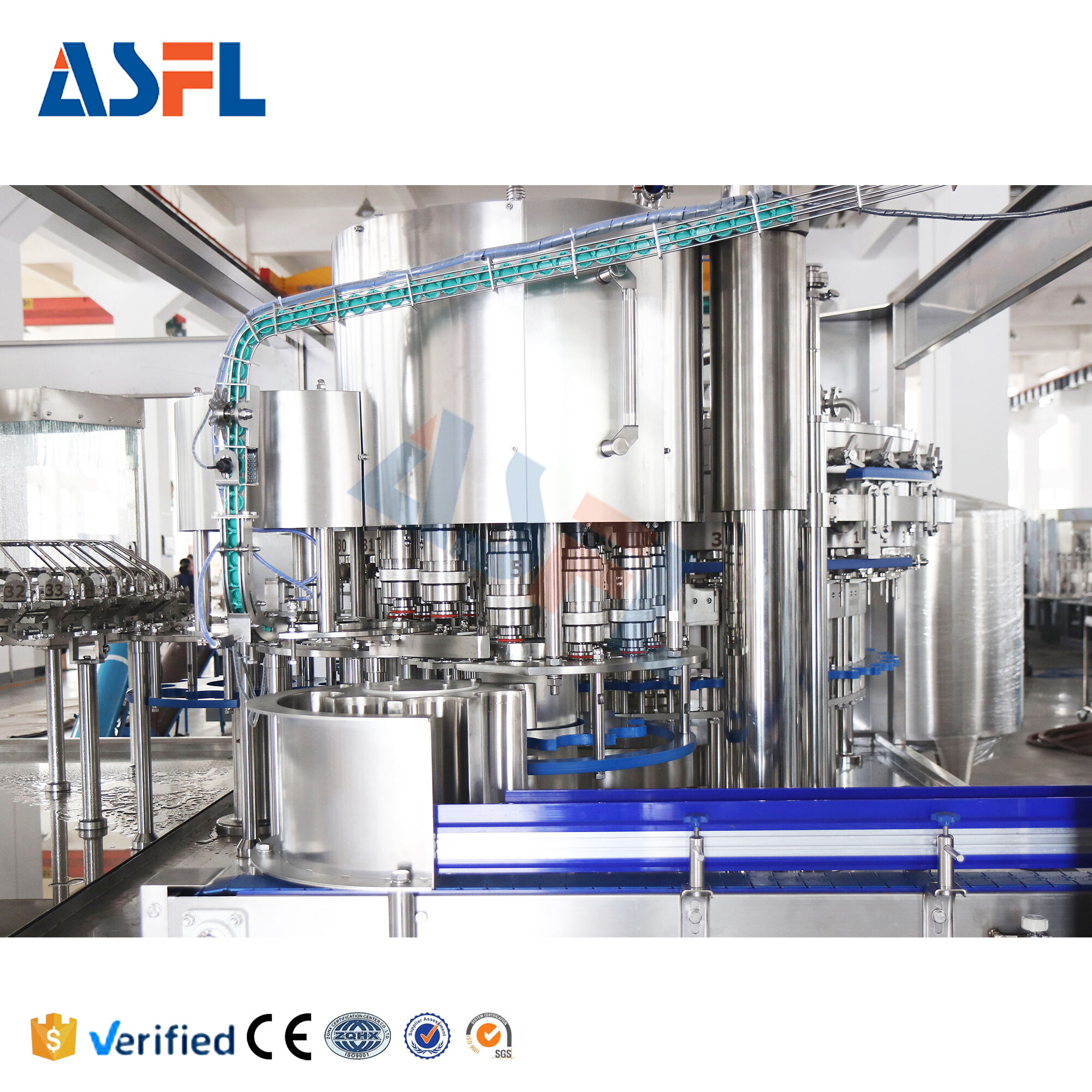
Daily Cleaning to Prevent Residue Buildup and Valve Sticking
Removing Syrup Residue and CO2-Induced Crystallization from Nozzles
The nozzles on carbonated drink fillers tend to collect syrup leftovers that mix with CO2 in the system and create tough crystal deposits. These deposits cause valves to stick and result in uneven product distribution. Cleaning needs to happen right when shifts wrap up because waiting past eight hours makes those deposits much harder to remove later on. Begin by running warm water through at around 140 to 160 degrees Fahrenheit to get rid of any loose sugar particles first. Then apply a gentle food safe cleaner that breaks down the sugar buildup without damaging equipment surfaces. When dealing with really stubborn crystals, reach for soft nylon brushes instead of anything made from metal which could scratch important internal parts and mess up the flow path. Finish things off with an ultraviolet light check to spot any remaining residue spots. Plants that stick to this routine see about a 40 percent drop in valve problems each year according to industry reports. Most notably, mineral scale buildup causes roughly seven out of ten breakdowns in these kinds of machines as noted in recent studies published last year.
Ultrasonic Cleaning Protocol and Safe Nozzle Disassembly Steps
Regular cleaning just doesn't cut it sometimes, so when that happens, ultrasonic cleaning steps in to tackle those hard to reach spots deep inside blind cavities and tiny features that normal methods miss. First things first, make sure everything is completely depressurized before taking apart those nozzles. Got to use those special torque limited tools here otherwise threads might get bent out of shape and cause bigger problems later on. Now put all the parts into this warm bath (around 120 degrees Fahrenheit) filled with enzyme based cleaner while running the ultrasonic waves at about 40 kilohertz frequency for roughly 15 to 20 minutes. There are several important safety measures worth keeping in mind when breaking down equipment like this, but we'll get to those details shortly.
- Capturing O-ring orientation via digital imaging to ensure correct reinstallation
- Using labeled, dedicated trays to prevent part mixing
- Excluding elastomers (e.g., O-rings, gaskets) from ultrasonic exposure to avoid swelling or degradation
After cleaning, air-dry all components completely before reassembly—trapped moisture accelerates corrosion and compromises seal integrity. Plants adopting this method extend nozzle service life by 30% and eliminate manual scrubbing—related injuries (Safety in Beverage Plants Report, 2024).
Seal Integrity Management for Carbonated Beverage Filling Machines
Detecting Micro-Cracks and Compression Fatigue in EPDM/FKM Seals
Tiny micro cracks forming in EPDM or FKM seals tend to be the main reason why CO2 escapes from those high pressure filling systems we see everywhere these days. These little flaws are almost impossible to spot just by looking at them. When the system runs at pressures above 5 bar, those tiny imperfections become like highways for gas to sneak out. And things get worse over time because of compression fatigue. Tests according to ASTM D395-23 have shown that after around 10,000 cycles, there's usually between 1.5% and 2.5% permanent deformation happening. This means the seal gets weaker and weaker each time it's used. For detecting these problems, quarterly checks using ultraviolet dye work best. What happens is they inject some fluorescent stuff into the pressurized lines then shine UV light on everything. This reveals those super small cracks below 50 microns which end up causing about 70% of all seal related leaks specifically in carbonated drinks production areas.
Data-Driven Seal Replacement Schedule (ASTM D471 & ISO 23529 Compliance)
Seal replacement must be guided by performance metrics—not calendar-based assumptions. Monitor three key parameters:
- Compression set: Replace when exceeding 25% (per ASTM D395)
- Elongation at break: Retire if values fall below 250% (ISO 37:2023)
- CO2 permeability: Discard if rates increase >15% from baseline
Cross-reference these readings with runtime logs. Under continuous operation, EPDM seals typically require replacement every 6–8 months; FKM variants last 10–14 months. Adherence to ASTM D471 (fluid resistance) and ISO 23529 (standardized testing protocols) ensures replacements maintain ≤0.01% leakage rates—preserving carbonation stability and meeting regulatory fill-volume requirements.
Leakage Detection and Correction in High-Pressure Carbonated Beverage Filling Valves
Pressure Decay Testing to Isolate CO2 vs. Product Leakage
Pressure decay testing helps find out exactly what's causing leaks, telling apart CO2 gas escaping from actual product leakage. When doing this test, operators typically bring the sealed valve up to around 40-60 PSI, which matches normal operating pressures, and watch how the pressure changes over about 3 to 5 minutes. If the pressure drops quickly, faster than 15% per minute, that usually means there's a problem with the seals or maybe some tiny cracks letting CO2 escape. Slower pressure loss tends to indicate product is actually getting past worn out nozzle seats instead. Getting this right matters a lot, especially when checking equipment during production audits since CO2 loss can look just like containers being filled too little. At one bottling plant, regular pressure tests cut down wasted product by nearly a third in just half a year. After running these tests, techs take apart the valves to check for issues like seals losing their springiness, O-rings getting squished out of shape, and scratches on the valve stems. They also apply food-safe lubricants approved by NSF standards when putting everything back together, which helps reduce wear caused by friction over time.
Calibration Verification and Sticking Resolution for Consistent Fill Accuracy
Root-Cause Analysis: Residue, Lubrication Failure, or Solenoid Degradation
When valves get stuck, there's a systematic approach needed to figure out what's going on. Most often, it's sugar crystals left behind after processing that cause problems. These crystals form faster when CO2 is present, and they block valve movement in about three out of four cases according to Packaging Engineering Review from last year. Lubrication issues come next on the list. Using the wrong type of grease or skipping regular maintenance just makes things worse, creating extra friction that wears down seals over time. Third on our concern list is solenoid problems. These show up as erratic valve operation times, something technicians can spot by looking at voltage changes or measuring coil resistance. Once resistance goes beyond what the manufacturer says by around 15 percent, it's time for a new solenoid. Following this order helps prioritize fixes: start with ultrasonic cleaning to remove buildup, then apply proper NSF H1 certified lubricants to manage friction, and save solenoid replacements until electrical tests actually confirm damage.
Gravimetric Calibration Checks (±0.5% Tolerance per ISPE Guidelines)
When it comes to checking fill accuracy, gravimetric methods are still considered best practice by most industry professionals. The process involves weighing containers after filling using high precision scales that can detect changes down to about 0.1 grams. For carbonated beverages, technicians also need to account for differences in CO2 density during these measurements. According to standards set by ISPE, the acceptable range should stay within half a percent of what's intended. This small margin matters a lot financially speaking. Research from the Ponemon Institute back in 2023 showed companies could lose over seven hundred forty thousand dollars each year if they let their tolerances slip beyond this limit through issues like giving away free product, dealing with customer complaints, or facing fines from regulators. Regular equipment checks and proper calibration make all the difference in staying compliant while keeping those costs under control.
- Underfilling that triggers customer dissatisfaction and recalls
- Overfilling that generates 3–5% unnecessary product waste
- Non-conformance events during FDA or BRCGS audits
Modern automated systems log each check, generating time-stamped, auditable records for quality assurance and regulatory submissions.
FAQ Section
Why is daily cleaning necessary for carbonated drink fillers?
Daily cleaning is crucial because syrup residues mixed with CO2 form tough crystal deposits that can lead to valve sticking and uneven product distribution.
What safety measures should be taken during ultrasonic cleaning?
Ensure all parts are depressurized, use torque-limited tools, and avoid ultrasonic exposure for elastomers like O-rings, as it can cause swelling.
How are seal integrity issues detected in these machines?
Seal integrity issues can be detected using ultraviolet dye inspections, revealing micro-cracks that may be invisible to the naked eye.
What is pressure decay testing used for?
Pressure decay testing isolates CO2 gas leaks from product leakage by monitoring pressure changes in the valve over a few minutes.
Why is gravimetric calibration important in beverage filling?
Gravimetric calibration ensures consistent fill accuracy, preventing issues like underfilling or overfilling that lead to customer dissatisfaction or product waste.
Table of Contents
- Daily Cleaning to Prevent Residue Buildup and Valve Sticking
- Seal Integrity Management for Carbonated Beverage Filling Machines
- Leakage Detection and Correction in High-Pressure Carbonated Beverage Filling Valves
- Calibration Verification and Sticking Resolution for Consistent Fill Accuracy
- FAQ Section