EN
EN

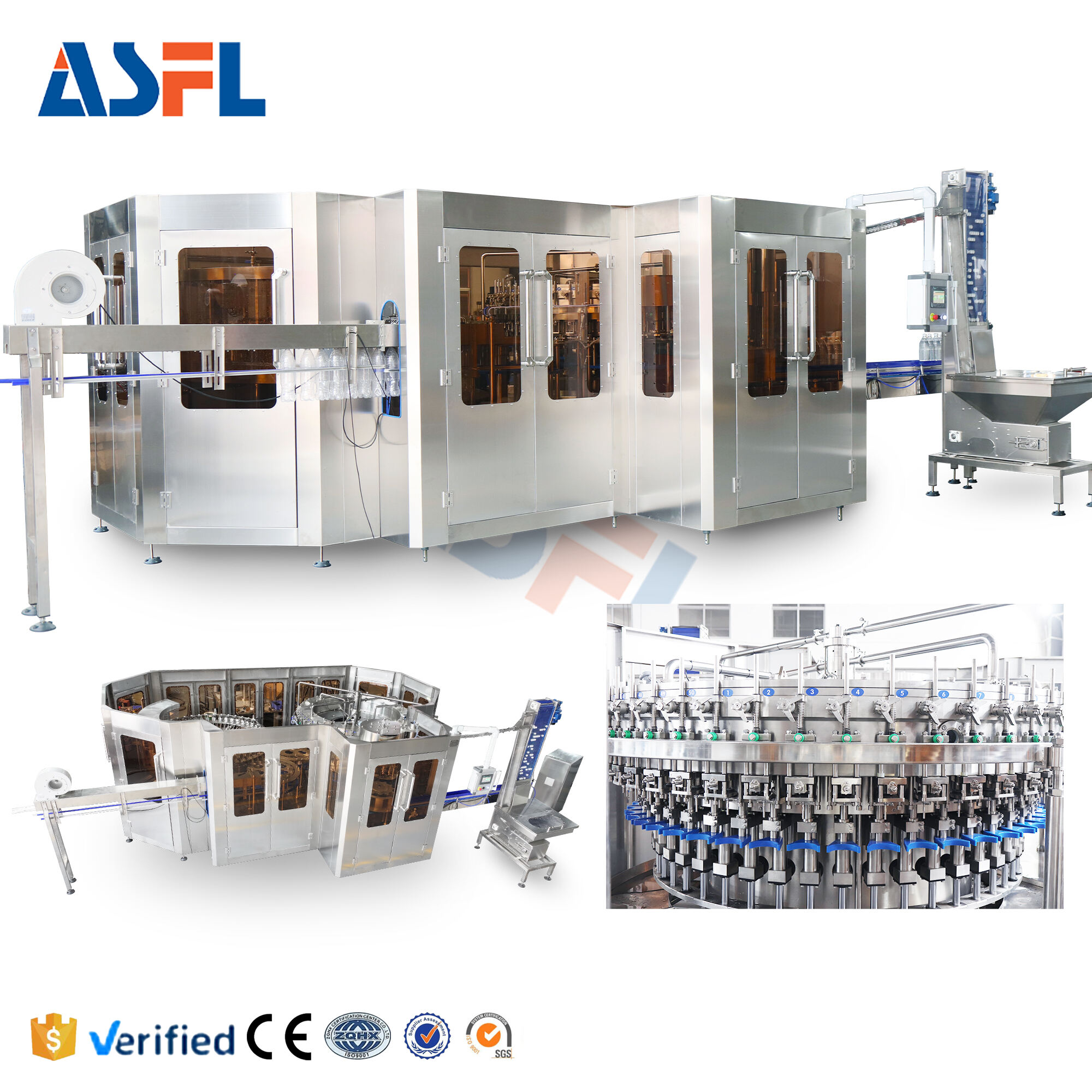
CO₂ Stability and Foaming: The Core Science Behind Temperature Sensitivity
How CO₂ Solubility Drops with Rising Temperature – and Why It Drives Foam
When it comes to how much CO₂ stays dissolved in drinks, there's this thing called Henry's Law at work. Basically, warmer temperatures mean less gas stays mixed in the liquid. Every time the temperature goes up around 10 degrees Celsius, about 15% of the dissolved CO₂ just starts coming out of solution, forming those pesky little bubbles we all know too well. What happens next is pretty interesting from an industrial standpoint. These tiny bubbles grow quickly when the drinks get shaken or agitated during the filling process in carbonated beverage production lines. And guess what? All this foaming creates major headaches for manufacturers. Fill levels end up inconsistent, sometimes leading to overflows down the production line, and worst of all, it can actually break the seals on containers before they even reach store shelves.
The 2°C Threshold: Quantifying Foaming Onset in Carbonated Drink Filling Machines
The numbers tell us there's a real problem spot when things get too hot. If the fill temp goes just 2 degrees above what it should be, bubbles start growing at an alarming rate of around 22%. Once we cross that line, carbon dioxide becomes much more unstable, leading to noticeable foaming issues even when everything else seems pressurized properly. For those running fast production lines, the consequences hit right away problems with inconsistent fills, blocked nozzles, and sometimes as much as 7.3% wasted product. Keeping operations below 4 degrees Celsius isn't just good practice anymore it's practically necessary if manufacturers want to avoid those dangerous chain reactions where tiny bubbles multiply uncontrollably throughout the system.
Optimal Temperature Ranges for Carbonated Drink Filling Machines
Standard Target Range (0–4°C) and Its Thermodynamic Rationale
Carbonated drink filling machines typically operate within a 0 to 4 degree Celsius range because of how carbon dioxide behaves under different temperatures. When it gets colder, gases dissolve better in liquids according to Henry's Law principles, which means the amount of CO2 that can stay dissolved goes up around 15% for every 5 degree drop. At 4 degrees, drinks maintain between 3 and 5 volumes of CO2 without any bubbles forming; but if the temperature climbs to 10 degrees, solubility drops by about 30%. This small temperature window keeps things from getting foamy when filling bottles at speed. Go below freezing and the liquid becomes too thick to work with properly. Rise above 4 degrees though, and CO2 starts coming out of solution much faster, creating those unwanted bubbles everyone hates. Getting this right matters a lot in practice. Top bottling companies report they hit their target fill levels about 98% of the time only when temperatures stay within half a degree of this critical range.
How Carbonation Level, Package Type, and Line Speed Adjust the Ideal Fill Temp
Three variables dynamically influence optimal fill temperature:
- Carbonation level: High-CO₂ drinks (5+ volumes) require 0–2°C for stability; low-carbonation beverages (2–3 volumes) tolerate up to 4°C
- Package type: PET bottles demand 1–2°C lower temperatures than glass due to higher CO₂ permeability
- Line speed: At >30,000 bottles/hour, fill temperatures must remain ±2°C to counter turbulence-induced foaming
Faster lines show exponential thermal sensitivity—every 0.5°C increase beyond target thresholds can raise waste by 4–7%. Thermal adjustments must be calibrated to these operational parameters to sustain yield.
Real-World Impact: Yield Loss, Downtime, and Quality Risks from Poor Control
Audit Data: 7.3% Average Waste Increase Above 4°C on High-Speed Lines
When carbonated drinks get filled at temperatures above 4°C, manufacturers see real drops in productivity. Industry data shows that on fast production lines, waste jumps by around 7.3% once temps go past this mark—that's roughly 73 wasted bottles out of every thousand made. The problem comes down to CO₂ stability issues. Warmer liquids just don't hold carbonation as well, leading to big foaming problems. This causes containers to overflow, messes up seals, and gets conveyors stuck. Production has to stop while workers clean up all that foam and reset machines. Quality issues pile up too: containers end up short on product because of foam taking space, seals leak from being contaminated, and carbonation levels become all over the map. At plants making 20k bottles each hour, these kinds of breakdowns can cost about $18k worth of lost sales every single hour, plus customers start rejecting products at higher rates, sometimes up to 12% more than normal.
Modern Temperature Control Solutions for Carbonated Drink Filling Machines
Glycol Chillers vs. Direct Refrigeration: Precision, Scalability, and ROI
The temperature stability offered by glycol chillers is really impressive, around ±0.2°C, which makes them perfect for those carbonated drink filling machines that require such precision. These chillers work through secondary coolant loops, something that becomes especially important when dealing with large scale operations needing tight temperature control. On the flip side, direct refrigeration systems do cool things down quicker, but they usually can't hit better than ±1.5°C accuracy in busy production settings. According to reports from several manufacturers, switching to glycol systems cuts down product waste by about 30% when running at speeds above 24,000 bottles per hour. While these systems cost more upfront, most companies see their return on investment within 18 months. Plus, modular glycol units give businesses much more flexibility for growth. Expanding capacity by just 10% with these units ends up costing roughly 60% less compared to trying to retrofit old direct refrigeration setups, which gets expensive fast.
Smart Monitoring Integration: Real-Time Fill Temp Feedback Loops
Today's programmable logic controllers work hand in hand with internet connected sensors to adjust temperatures in tight loops as often as every 40 milliseconds. When these systems notice that fill temps go beyond 0.3 degrees Celsius off target, they tweak the cooling system automatically before any foam starts forming on product lines. The analytics running behind the scenes slash down on trouble shooting efforts by around two thirds, which stops that pesky 7.3% loss in production quality caused by temperature fluctuations. A big name beverage company saw their carbonation levels stabilize at nearly perfect 99.8 percent once they put in those special thermocouples designed to compensate for vibrations. These devices keep temperature measurements within plus or minus 0.1 degree even when production speeds fluctuate wildly throughout shifts.
FAQs
What causes CO₂ to be less soluble in higher temperatures?
The solubility of gases like CO₂ decreases with rising temperatures due to Henry's Law, which states that gas solubility in liquid diminishes as temperature increases.
Why is maintaining a temperature below 4°C crucial in carbonated drink production?
Maintaining a temperature below 4°C is essential to prevent excessive foaming and ensure CO₂ remains stable within the liquid, leading to consistent fill levels and reduced product waste.
What are the benefits of using glycol chillers over direct refrigeration systems?
Glycol chillers offer more precise temperature control around ±0.2°C, which significantly reduces waste and improves efficiency in high-speed production lines compared to direct refrigeration systems, which are less accurate.