EN
EN
Gravity vs. Pressure Filling: Matching Principle to Beverage Type
How gravity filling uses head pressure for cost-effective, low-viscosity drink applications
The gravity filling method works by using the weight of the liquid itself. Basically, they position a tank higher up than the filling nozzles so gravity does most of the work creating pressure naturally. When containers come past on the conveyor belt, valves pop open letting the product flow in until it hits the right level. This setup works best for drinks that aren't fizzy and have a thin consistency like water, some fruit juices, and cooking oils. Since there aren't many moving components and no need for extra pressure from outside sources, these systems tend to save around 20 to 30 percent on both energy bills and maintenance compared to other methods that require pressurization. They can't handle stuff that tends to foam up or has carbonation though. But when everything goes smoothly, gravity fillers manage about 300 bottles every minute while keeping things pretty straightforward operationally speaking.
Why pressure filling is essential for carbonated drinks to preserve CO₂ and prevent foaming
When it comes to keeping carbonation intact during bottling, pressure filling works wonders by matching the pressure levels between the beverage tank and the empty bottles right before transferring the liquid. The process starts with bottles getting a head start on pressure from CO2, followed by filling them while maintaining around 15 to 30 pounds per square inch. This matters a lot because soda and sparkling water need at least 4.5 volumes of dissolved gas to stay properly carbonated. If things get out of balance, all that CO2 escapes suddenly, leading to big foaming problems that mess up consistent fills and waste precious product. According to what we see in the industry, these pressure controlled systems cut down on wasted foam by roughly 70 percent. They also manage to keep fill amounts accurate within plus or minus 1.5%, even when machines are running fast enough to bottle over 5,000 units every single hour.
Overflow and Isobaric Configurations: Ensuring Fill Consistency and Carbonation Integrity
Overflow filling for uniform fill volume in irregular or heat-sensitive containers
When using overflow filling techniques, containers get submerged during the filling process which helps maintain both visual appeal and accurate volume measurements. Any extra liquid simply flows back into the reservoir system. This setup handles those small differences we see in plastic (PET), glassware, or oddly shaped bottles pretty well. It also prevents heat damage that might otherwise weaken the containers over time. The waste reduction numbers look good too around 3 to 5 percent compared to traditional open filling methods according to what manufacturers report. What makes this approach so popular is how straightforward the mechanics are. Switching between different bottle sizes happens quickly without needing all sorts of adjustments. That's why many producers stick with overflow systems when packaging things like bottled water, fruit drinks, and certain types of oil products where having that uniform liquid level at the top really matters for maintaining brand image standards.
Isobaric (counter-pressure) filling: maintaining equilibrium to protect carbonation in soft drinks and sparkling water
The isobaric filling method helps keep carbonation levels intact by making sure the pressure in the beverage matches exactly what's inside the container before any filling happens. The process works in three main stages first they purge out all the air with CO₂, then transfer the liquid while maintaining that counter pressure, and finally stabilize everything so nothing gets lost. What this does is maintain carbonation levels really close together, usually within about 0.2 volumes difference, which means each batch keeps its fizziness and taste consistent. Modern systems now come equipped with sensors that constantly monitor pressure changes on the fly. These allow manufacturers to run at impressive speeds sometimes hitting over 150 bottles a minute without compromising quality standards set by the industry for carbonated drinks.
Measurement-Based Drink Filling Machine Types: Volumetric, Gravimetric, and Flow Meter Systems
Volumetric fillers (piston, auger, peristaltic): balancing speed, accuracy, and viscosity adaptability
Volumetric filling equipment works by moving exact amounts through mechanical means. For thick liquids like milk or sauce, piston systems are typically used. Dry powder products such as protein mixes require auger fillers instead. And when dealing with delicate drinks like cold pressed juice that can break down easily, peristaltic pumps become necessary. The accuracy here ranges around plus or minus half a percent, which holds true whether we're talking about something as thin as water or something thicker than honey. Production rates can hit up to 300 bottles every minute depending on what's being filled. What makes these machines so popular among mid-sized operations is their simple installation process and easy adjustments. They really shine when companies need to handle products with similar thickness levels throughout their production runs, like going back and forth between regular citrus juice and various types of herbal tea blends.
Gravimetric systems for premium or density-variable beverages – achieving ±0.2% weight accuracy
Gravimetric fillers work by using those super accurate load cells to actually measure how much product goes into each container. This gets rid of all those pesky errors that happen when things like craft soda, maple syrup, or those trendy CBD drinks have different densities. The better machines out there now have these smart systems that can tweak the amount being filled while the machine is running, which helps when the stuff getting filled changes viscosity or warms up during production. Most manufacturers report saving around 3 to 5 percent in wasted product every year, which adds up nicely for expensive ingredients. Sure, these gravimetric systems aren't as fast as their volumetric cousins, but most folks in the business will tell you that achieving that ±0.2% accuracy is worth it when regulations demand it, labels need to be spot on, or when a company's whole reputation depends on getting the dosage right.
Automation and Integration: From Manual Drink Filling Machine Setups to Fully Automatic Monobloc Lines
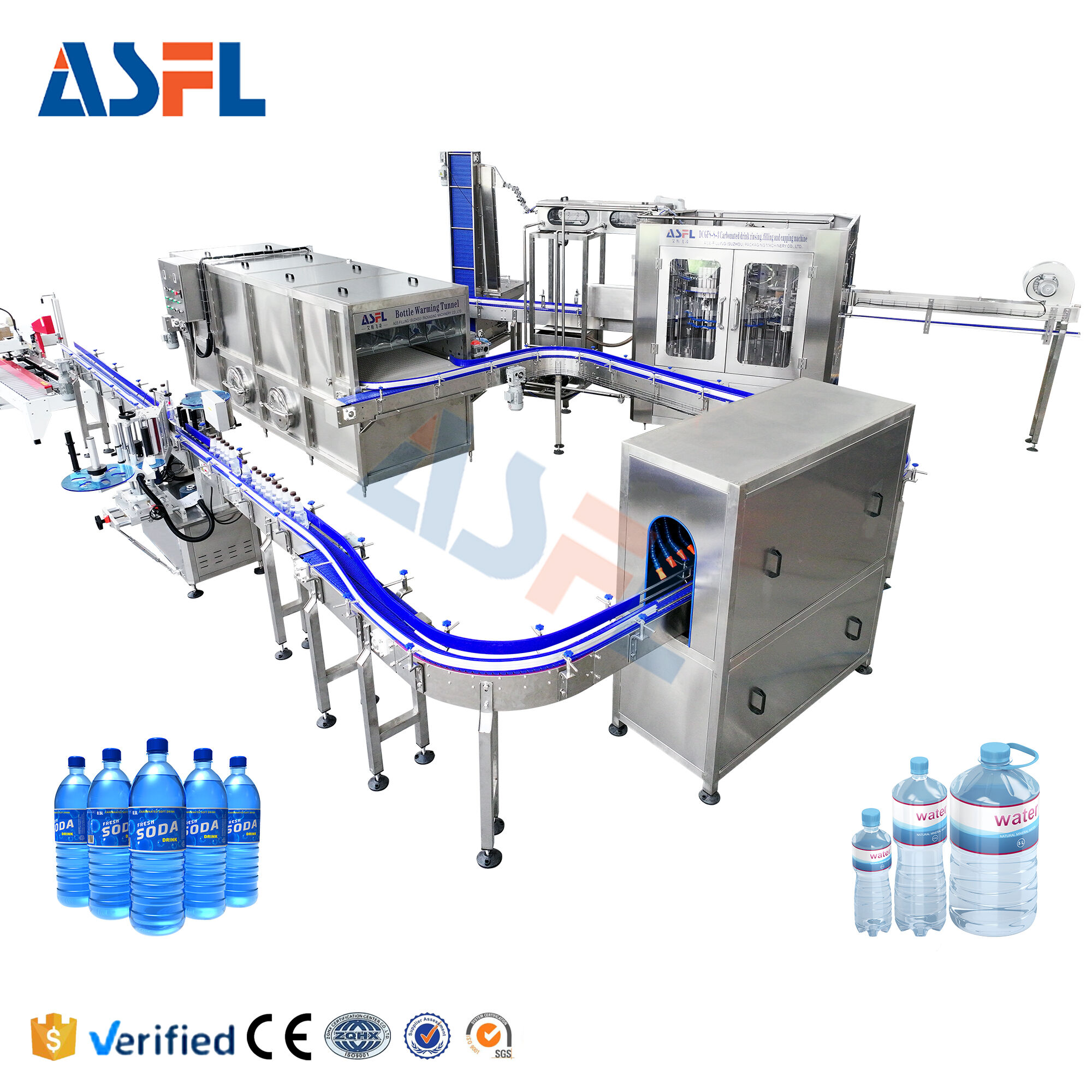
When it comes to automation, beverage makers pick different levels based on how big their operation is and what they need to do. Small craft breweries often stick with manual systems since they work great for limited runs. Semi-auto machines handle dispensing but still require people to load and unload containers manually. For larger operations, fully automatic monobloc lines bring everything together in one system - filling bottles, putting on caps, applying labels, and checking quality all at once without stopping. These advanced systems use PLC controlled conveyors and servos to move things along, letting them produce over 30 thousand bottles per hour while keeping fill amounts within about half a percent accuracy. Less human touch means fewer chances of contamination too. A recent report from XuebaPack shows these monobloc installations can boost production by anywhere from 30 to 60 percent compared to separate machines doing each task individually. But there's a catch worth noting. The initial investment costs are much higher than traditional setups, plus these machines need special maintenance attention. Companies thinking about scaling up should really crunch the numbers carefully before making the switch.
FAQ
What is the main difference between gravity and pressure filling?
Gravity filling relies on the weight of the liquid to fill containers, making it ideal for non-carbonated beverages with thinner consistency. In contrast, pressure filling uses controlled pressure levels to preserve carbonation in fizzy drinks like soda and sparkling water.
Why is isobaric filling important for carbonated drinks?
Isobaric filling maintains the equilibrium of pressure between the beverage and the container, ensuring that carbonation is preserved and taste remains consistent across batches.
When should a company consider using gravimetric filling systems?
Gravimetric filling systems are ideal for premium beverages or products with varying densities, as they achieve high accuracy in fill weight, making them suitable for industries where precision is crucial.
What are the benefits of fully automatic monobloc lines?
Fully automatic monobloc lines integrate multiple processes in one system, enhancing productivity and reducing contamination risks by minimizing human contact. However, they require higher initial investments and specialized maintenance.
Table of Contents
- Gravity vs. Pressure Filling: Matching Principle to Beverage Type
- Overflow and Isobaric Configurations: Ensuring Fill Consistency and Carbonation Integrity
- Measurement-Based Drink Filling Machine Types: Volumetric, Gravimetric, and Flow Meter Systems
- Automation and Integration: From Manual Drink Filling Machine Setups to Fully Automatic Monobloc Lines
- FAQ