EN
EN

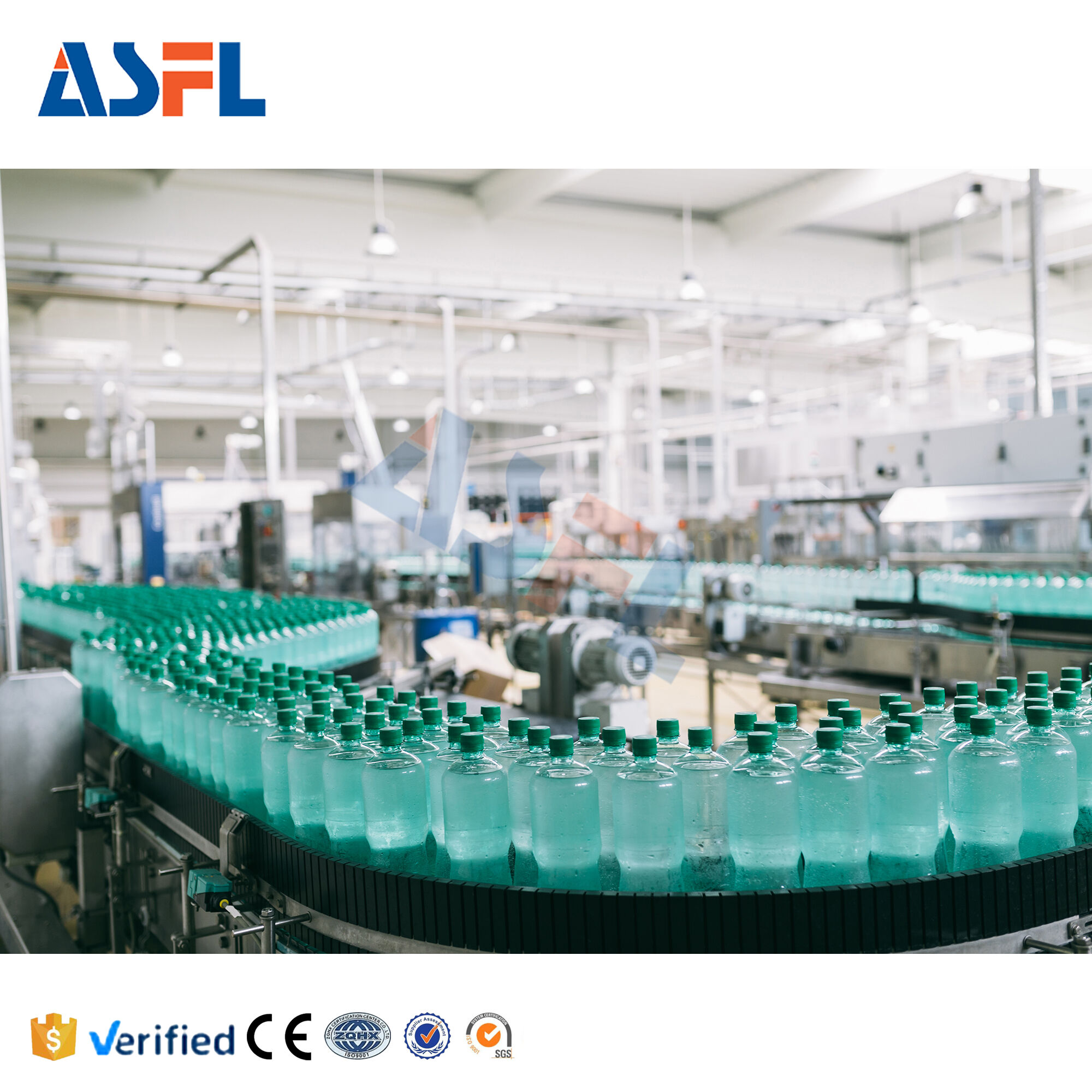
The Pulpy Beverage Challenge for Drink Filling Machines
Viscosity—Particle Interplay Disrupting Flow Consistency
Beverages with pulp content, think orange juice with bits or those thick fruit smoothies, create real headaches for automated filling equipment because they don't behave like regular liquids. When these drinks are moved around during processing, the suspended particles actually change how viscous the mixture becomes. Take mango nectar for instance it gets thicker when agitated, making it harder to pump through standard filling systems designed for simpler fluids. The back and forth between particle movement and liquid thickness leads to all sorts of problems on production lines. Filling machines end up dispensing too much or too little product, sometimes off by over 5% according to data collected by packaging industry experts at PMMI. This kind of inconsistency costs manufacturers money and customer trust alike.
Nozzle Clogging and Fill-Volume Inaccuracy in Standard Systems
Standard gravity fill machines have real trouble handling drinks with particles in them since those narrow channels just love getting blocked. Little bits of seeds from berries or chunks of citrus pulp tend to collect right there in the dispensing nozzles. Sometimes this causes complete clogs that stop production dead in its tracks. Other times it creates partial blockages which mess with how fast the liquid flows out. When these problems happen, containers often end up underfilled meaning companies lose money on free product giveaways. Worse still, pressure builds up and causes messy overflows across the production line. A recent report from Ponemon Institute looked at all these headaches facing beverage makers back in 2023. They found manufacturers were losing around $740k every year due to waste and unexpected shutdowns. Regular equipment simply isn't built for drinks with texture unless they incorporate special agitation features or have designs that resist clogging.
Specialized Drink Filling Machine Types for Particulate Liquids
Piston Fillers: High-Precision Handling of Pulpy Juices and Smoothies
Piston fillers tackle those tricky pulpy beverage challenges by using what's called positive displacement volumetric control. The system works with a sealed cylinder that pulls in product, including those big chunks of pulp, then pushes out an exact amount into every container. We're talking about fill accuracy within plus or minus 1%, even when dealing with particles as large as half an inch across. What makes this approach so good is how it handles sensitive materials. The mechanical movement doesn't damage delicate fibers through shearing forces, and it keeps air from getting mixed in, which matters a lot for things like cold pressed juices that react badly to oxygen exposure. These machines can run pretty fast too, handling around 120 fills each minute while still maintaining that level of precision. For manufacturers working with thick, chunky drinks, piston based systems offer both accurate measurements and sufficient production speed to meet commercial demands.
Auger and Peristaltic Fillers for Non-Newtonian, Particle-Laden Beverages
Auger fillers work by using rotating screws that carefully measure thick, mixed-up liquids such as chia seed beverages or tomato paste. The spiral design moves the product along without squishing any solid bits, and speed controls help adjust for how these products get thinner when stirred. Then there are peristaltic fillers, also called tube fillers, which are great for keeping things clean especially important for delicate probiotic smoothies. These machines basically squeeze food safe tubes to push the product through without anything touching it directly. What makes both options stand out is their ability to keep particles suspended properly during filling. They handle different sized particles and various thickness levels pretty well too, which means switching between products takes about 40% less time than older equipment would require. This saves manufacturers a lot of downtime when changing production runs.
Critical Design and Maintenance Strategies to Ensure Reliable Pulpy Beverage Filling
Clog-Resistant Features: Large-Bore Nozzles, Agitated Hoppers, and Pulse-Flow Control
Getting reliable filling of pulpy beverages requires special equipment designed for the job. Big nozzles help move thick mixtures without clogging since they create less resistance. The hoppers need agitation too, either through gentle paddles that don't damage particles or ultrasonic tech that keeps everything mixed properly. When things start to get stuck, pulse flow systems kick in briefly to clear minor blockages before they become major problems. All these components work together so that fill amounts stay consistent within about 3% accuracy, which matters a lot when dealing with dense smoothie products whose thickness can change throughout the manufacturing process.
Preventive Maintenance and CIP Protocols for Particulate-Prone Drink Filling Machines
For systems handling particulate beverages, preventive maintenance isn't something to skip over. Daily Clean-in-Place (CIP) cycles with enzymatic cleaners really work at breaking down those stubborn organic residues that build up in hoppers, pumps, and all along the transfer lines. Checking nozzles on a weekly basis helps spot problems early before they turn into major clogging issues. Most plants find that seals and gaskets need replacing every month or so because those abrasive pulp fibers just wear them out faster, especially in piston and auger systems where the action gets pretty rough. Plants that stick to this kind of maintenance schedule typically see around a 70% drop in unexpected shutdowns and their equipment lasts much longer too. The American Society of Mechanical Engineers' Food Engineering Division has tracked these results across multiple facilities in the industry.
FAQ
Why do pulpy beverages pose challenges for drink filling machines?
Pulpy beverages are challenging for drink filling machines because the suspended particles can alter the viscosity of the liquid, leading to inconsistencies in flow and fill levels.
What problems do standard gravity fill machines face with particulate beverages?
Standard gravity fill machines often face nozzle clogs and fill-volume inaccuracies due to narrow channels getting blocked by pulp or seeds, which can lead to production halts and container underfilling.
How do piston fillers improve accuracy in filling pulpy drinks?
Piston fillers use positive displacement volumetric control to manage pulpy drinks with precision. They ensure fill accuracy within plus or minus 1%, even with particles up to half an inch.
What are auger and peristaltic fillers?
Auger fillers use rotating screws to manage thick liquids without squishing particles, while peristaltic fillers use food-safe tubes to move product without direct contact, ensuring cleanliness and particle suspension.
Why is preventive maintenance crucial for these systems?
Preventive maintenance is key to reducing shutdowns and extending equipment lifespan by preventing clogs and residue buildup through regular cleaning and nozzle checks.
Table of Contents
- The Pulpy Beverage Challenge for Drink Filling Machines
- Specialized Drink Filling Machine Types for Particulate Liquids
- Critical Design and Maintenance Strategies to Ensure Reliable Pulpy Beverage Filling
-
FAQ
- Why do pulpy beverages pose challenges for drink filling machines?
- What problems do standard gravity fill machines face with particulate beverages?
- How do piston fillers improve accuracy in filling pulpy drinks?
- What are auger and peristaltic fillers?
- Why is preventive maintenance crucial for these systems?