EN
EN
Bottle Geometry's Direct Effect on Bottle Filling Machine Efficiency
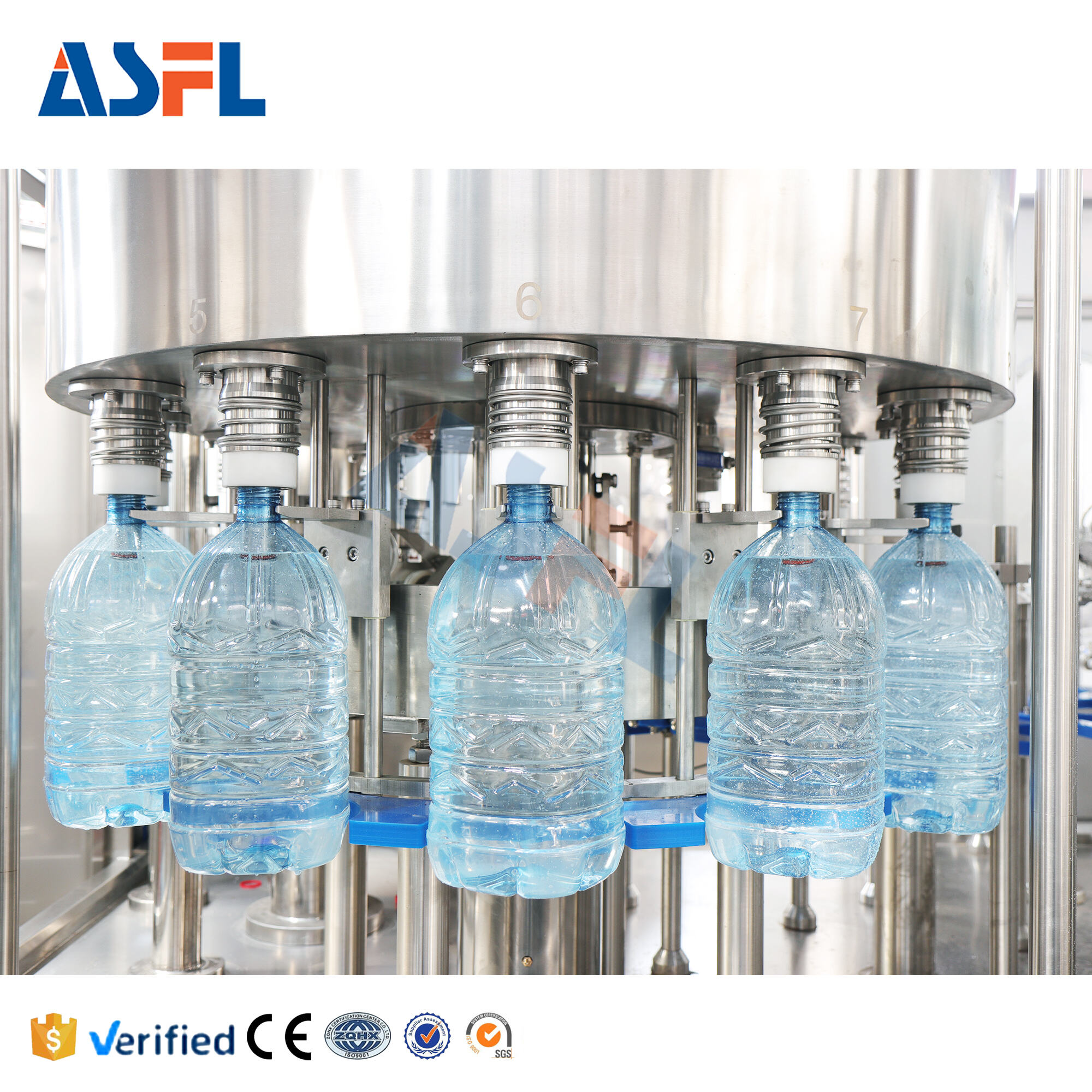
Bottle shape and dimensions critically influence filling precision and operational stability. Non-uniform geometries disrupt alignment during conveyance, causing splash, spillage, and nozzle-to-neck interference. Industry studies show that irregular profiles can degrade volumetric accuracy by ±0.1–0.3%, necessitating costly recalibrations.
Misalignment, Splash, and Neck Interference from Non-Standard Profiles
Angled shoulders or flared necks disrupt laminar flow during filling cycles, increasing turbulence and product aeration. This mismatch forces operators to reduce line speeds by 15–20% to mitigate spill risks. Narrow bottlenecks also impede sensor detection, triggering false "low-fill" rejections.
Geometric Mismatch Increases Mechanical Stress and Sensor Errors at High Speeds
At rates exceeding 300 bottles/minute, even minor dimensional deviations amplify vibration in gripper arms and filling nozzles—accelerating wear on seals and bearings and raising maintenance costs by $7,200 annually per line (Packaging Digest 2023). Concurrently, inconsistent light refraction across curved surfaces confuses optical sensors, elevating error rates by 11%.
Optimizing Bottle Filling Machine Parameters for Container–Product Compatibility
AI-Driven Real-Time Adjustment Using Bottle Contour Scanning
Today's bottle filling equipment uses smart 3D scanning tech powered by artificial intelligence to adjust automatically when containers vary in shape. When bottles zip along production lines faster than 200 per minute, built-in sensors take super accurate measurements of their shapes down to the tiniest details like neck sizes that might differ by just 0.3mm or so, plus any odd angles on the bottle shoulders. These readings happen instantly and tell the machine exactly where to position its nozzles, which cuts out all those time consuming manual adjustments needed when switching between different bottle styles. According to recent reports from pharma companies who've adopted these systems, there are about 40% fewer problems with bottles not lining up properly compared to older methods. What makes this tech really stand out is how well it works with tricky shapes like those oval perfume bottles or the narrow top serum vials that always gave trouble with regular mechanical guide systems before.
Dynamic Dwell Time Control to Prevent Foaming in Tall, Narrow Vials
Products sensitive to foaming, such as various protein solutions, need careful adjustment of how long they sit after filling in those tall, narrow containers where height is more than three times the width. Modern filling equipment has gotten pretty smart these days, actually changing how fast the nozzles pull back after dispensing depending on what the viscosity sensors detect and the shape of the container itself. When dealing with really foamy stuff below 50 mPas viscosity, giving it an extra 0.8 to 1.2 seconds before sealing makes a big difference. The bubbles have time to pop instead of getting sealed in, which cuts down on wasted product by around 19% over older fixed timing methods. Research into fluid movement shows something interesting too: those narrow neck vials create about 23% more foam during filling compared to regular bottles. That's why getting these timing parameters right matters so much in production settings.
Modular Nozzle Systems: Enabling Versatility Without Compromising Sanitary Integrity
Balancing Nozzle Adaptability and Aseptic Compliance in Pharmaceutical Bottle Filling Machines
Getting pharmaceutical bottle filling right requires both sterility and flexibility when dealing with all sorts of containers. That's where modular nozzle systems come in handy. They let operators switch configurations quickly without compromising the sterile environment. The real magic happens with these quick disconnect parts that allow nozzle changes in about half a minute. PharmaTech Journal reported last year that this cuts down on changeover time by around 70% compared to older methods, and still keeps things within ISO Class 5 standards for cleanrooms. What makes all this work? Material choice matters a lot. Most manufacturers go with 316L stainless steel because it doesn't have those tiny pores where microbes might hide. Plus, it stands up to those harsh cleaning and sterilization processes that happen regularly in production facilities.
| Compliance Factor | Modular Advantage |
|---|---|
| Contamination Risk | Hermetic seals during nozzle transitions prevent airborne particle ingress |
| Material Durability | Corrosion-resistant alloys withstand aggressive sanitizers without degradation |
| Validation Simplicity | Standardized interfaces streamline FDA 21 CFR Part 11 documentation |
Today's equipment features tapered nozzles paired with gasket systems that adjust themselves based on how wide or narrow container necks happen to be, which cuts down on those pesky particles caused by splashing. What makes this setup really useful is that one line can manage everything from tiny 2mL vials all the way up to big 1 liter IV bags, keeping fill accuracy within about 0.1% most of the time. Another important thing worth mentioning is the counter pressure filling method that keeps bottles from getting stressed at their neck areas, so containers stay intact even when machines are running fast. Finding the right mix between being able to configure these systems and keeping things clean has made modular nozzles absolutely essential in making medicines. They give manufacturers flexibility without sacrificing what matters most for patients: safety first always.
FAQ
Why is bottle geometry important in filling machines?
Bottle geometry affects filling precision and operational stability, influencing alignment during conveyance, splash, spillage, and nozzle-to-neck interference.
How do non-standard profiles influence filling machine efficiency?
Non-standard profiles like angled shoulders or flared necks can disrupt laminar flow, increase turbulence, and require operators to reduce line speeds to mitigate spill risks.
What role does AI play in modern bottle filling machines?
AI-driven 3D scanning systems in modern machines automatically adjust nozzle positions based on precise bottle shape measurements, reducing manual adjustments and improving alignment efficiency.
What benefits do modular nozzle systems offer?
Modular nozzle systems allow quick configuration changes without compromising sterility, reducing changeover time by up to 70% while maintaining aseptic standards.