EN
EN
How Flow Control Ensures Precision in Drink Filling Machines
The role of flow control in drink filling machine operations
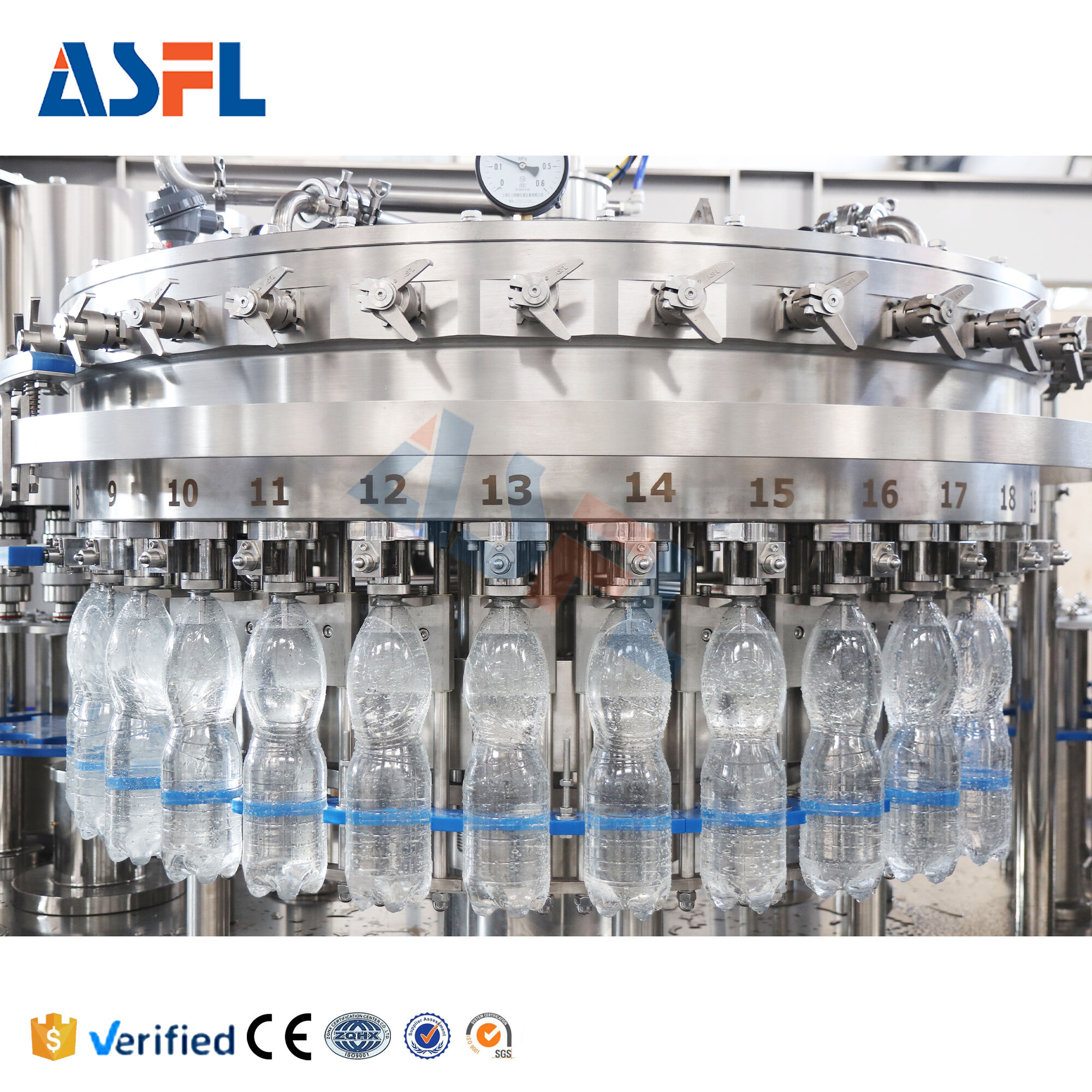
The flow control system in beverage filling equipment works much like the brain controlling body functions, turning erratic liquid movement into exact volume measurements. These systems combine flow meters with electronic valves to hit around 0.1 percent accuracy, which means every container gets filled properly even when thousands are processed each hour. Newer models have what's called closed loop feedback. Basically, sensors keep checking how much liquid is actually flowing against what should be flowing, then make automatic adjustments. This stops situations where bottles get filled too little (which frustrates customers) or too much (which just wastes money on extra product). At really high speed operations above 1000 bottles a minute, this becomes absolutely essential. The calibration process takes care of all sorts of real world issues during production including foam formation and changes in pressure levels, so the machines stay accurate even after running non stop for hours on end.
Liquid properties (e.g., viscosity, temperature) affecting flow control
The properties of fluids really matter when it comes to controlling their flow accurately. Take syrup for instance, which has a viscosity around 1,500 cP compared to just 1 cP for water. Because of this difference, syrup moves through systems about 30% slower, so operators need to adjust how they measure and actually spend more time filling containers to get the right amount. Temperature fluctuations throw another wrench into things too. When temps change by about 10 degrees Celsius, liquid density shifts roughly 0.4%. That means equipment must compensate on the fly when dealing with both cold and room temperature products running through the same line. Carbonated drinks add yet another layer of complexity. The way CO2 expands changes with temperature variations, making pressure assisted filling essential if we want to keep carbonation levels intact during transfers. All these considerations shape what kind of flow meters get chosen for different applications. Magnetic options work great for conductive liquids, whereas Coriolis meters tackle those tough viscous materials and happen to measure density directly as well.
Key Technologies: Flow Meters and Filling Methods in Beverage Production
Flowmeter accuracy and product quality consistency in high-speed lines
Getting accurate flow measurements matters a lot when it comes to keeping product quality consistent during fast-paced beverage manufacturing. The best electromagnetic and ultrasonic flow meters can hit around 0.5% accuracy even when running at speeds of 600 bottles per minute, which cuts down on those annoying fill errors that happen so often in busy production lines. Plus, these systems help meet all those strict regulatory requirements without extra hassle. What makes them really valuable is their ability to spot changes in liquid thickness and temperature as they happen, then tweak the flow rate accordingly to keep every batch tasting the same. Industry reports show that facilities using this kind of technology typically see about a 7% drop in wasted product during large scale operations. That means better yields overall and healthier bottom lines for manufacturers who invest in these smart solutions.
Comparison of filling technologies
Different beverage types require tailored filling approaches:
- Volumetric systems dispense fixed liquid volumes, best suited for low-viscosity drinks like water
- Gravimetric fillers measure by weight, offering superior accuracy for viscous products such as syrups
- Pressure metering controls foam and preserves carbonation, making it ideal for carbonated beverages
- Mag-flow technology uses magnetic fields for non-contact measurement, ensuring hygiene for conductive liquids
When properly calibrated, each method maintains ±1% accuracy. However, mag-flow systems offer 30% faster response during product changeovers, enhancing line efficiency in multi-product facilities.
Density and acoustic transmission for fluid differentiation
Modern multi-product production lines rely on density profiling combined with ultrasonic sensors to recognize and adapt to various drink types during processing. The equipment can actually spot viscosity changes down to about 0.2 grams per cubic centimeter, which makes switching from juice to milk products or fizzy beverages much smoother. What's really interesting is how acoustic transmission works too. By looking at how sound waves move through different liquids, these systems figure out what kind of product they're dealing with, all without touching it. This contact-free approach cuts down on contamination problems and saves manufacturers around 40 minutes per shift when changing between products. Plants that handle over ten different beverage varieties report significant time savings from this technology.
Maintaining Accuracy: Calibration, Hygiene, and Real-Time Monitoring
Calibration of filling machines for precision and long-term reliability
Keeping drink filling machines properly calibrated means they stay within those critical ±0.5% tolerance ranges that manufacturers rely on. When equipment goes out of whack, things get costly fast. Industry research shows uncalibrated systems lead to about 15% extra product being given away for free, plus around 12% spike in customer gripes about underfilled containers. Most experts recommend checking calibration every three months using those official reference weights from the manufacturer. Some advanced systems even compensate automatically for changes in liquid viscosity caused by temperature fluctuations. The really smart ones have built-in sensors that notice when something starts going off track and send alerts to operators before problems actually affect production numbers. These little early warnings save headaches down the line.
Hygienic flowmeter design and CIP (Clean in Place) compatibility
Good sanitary design matters a lot for stopping microbes from growing along fluid paths. The surfaces that come into contact with liquids need to be made either out of 316L stainless steel or materials approved by the FDA for food contact applications. Surface finish needs to stay below 0.8 micrometers Ra measurement so bacteria can't stick around easily. These days, newer sensor designs actually get rid of those pesky dead spots and hidden corners where germs hide. They also have special diaphragms that can handle steam sterilization at temperatures reaching 150 degrees Celsius. Plus these sensors work well with standard Clean-in-Place procedures, meaning facilities don't have to take things apart just to maintain proper cleanliness standards throughout operations.
Preventing overfilling and underfilling through real-time monitoring and automated detection systems
Modern control systems cut down on fill errors by almost 99.7%, thanks to things like laser checks for volume, pressure tests for leaks, and quick rejection when containers don't meet standards. The system watches everything in real time so it can catch problems before they get too far off track, usually stopping issues before they go beyond a 1.5% margin of error. That means fewer whole batches have to be thrown out because of small mistakes. When something goes wrong, the machines automatically shut down until operators fix whatever's causing trouble, which helps cut back on wasted materials and keeps only good products moving forward. Companies report saving around $18k each year on every production line just from cutting down on overfilling and fixing mistakes later.
Economic and Environmental Benefits of Accurate Flow Control
Impact of filling accuracy on product quality and costs
Getting the flow right makes all the difference when it comes to keeping beverages consistent and cutting down on expenses. Small mistakes in volume measurements really matter. Containers that don't have enough liquid frustrate customers, but pouring too much is equally bad because companies end up giving away free product. Just think about what happens at large scale operations: losing even 1% through overfilling could cost hundreds of thousands in wasted ingredients each year. Keeping things within narrow limits, around half a percent variance or better, helps avoid problems with regulations and keeps those expensive recall situations from happening which nobody wants to deal with. Some plants found that bumping up their filling accuracy by something like 0.3% led to almost 18% fewer issues needing fixes later on, plus happier repeat customers. These real world results show why getting precision right matters so much for both profit margins and building consumer confidence.
Reducing waste through precise filling and reduction of product waste during changeover and cleaning
Modern flow control systems help cut down on waste throughout the entire production process, especially when switching between products or running those lengthy sanitation cycles. When changing over from one product to another, automated metering brings down the amount of liquid wasted during purging from around 20 liters per line switch down to just 2-5 liters. That makes a huge difference in operational costs. Cleaning processes become much more efficient too when we get the right mix of cleaning agents and water. Some studies show this can slash resource consumption by about 30%, based on what we see at wastewater treatment facilities. And let's not forget about those pesky overfill incidents that happen all too often in beverage manufacturing plants. Real time monitoring catches these issues before they become problems, preventing spills that cost companies roughly 15% of their annual product losses. All these improvements mean less waste going into treatment plants and lower energy bills for waste processing. Ultimately, this helps factories shrink their carbon footprints while still maintaining high standards of precision in operations.
FAQ
What is flow control in drink filling machines?
Flow control in drink filling machines refers to the systems and technologies used to regulate the flow of liquids to ensure accurate volume measurements in each container, maintaining product quality and reducing waste.
How do flow meters work in beverage production?
Flow meters measure the flow rate of liquid, using technologies like electromagnetic and ultrasonic sensors to maintain accuracy. They adjust flow rate to accommodate variations in liquid viscosity and temperature, ensuring consistent product quality.
Why is calibration important for filling machines?
Calibration is vital to ensure filling machines operate within specified accuracy levels, preventing overfills or underfills which can lead to product waste and customer complaints. Regular calibration maintains machine reliability and production efficiency.
How does flow control benefit the environment?
Accurate flow control reduces waste and resource consumption during production, minimizing environmental impact. Efficient systems decrease liquid waste during product changeovers and reduce overfill incidents, lowering energy and waste processing costs.