EN
EN

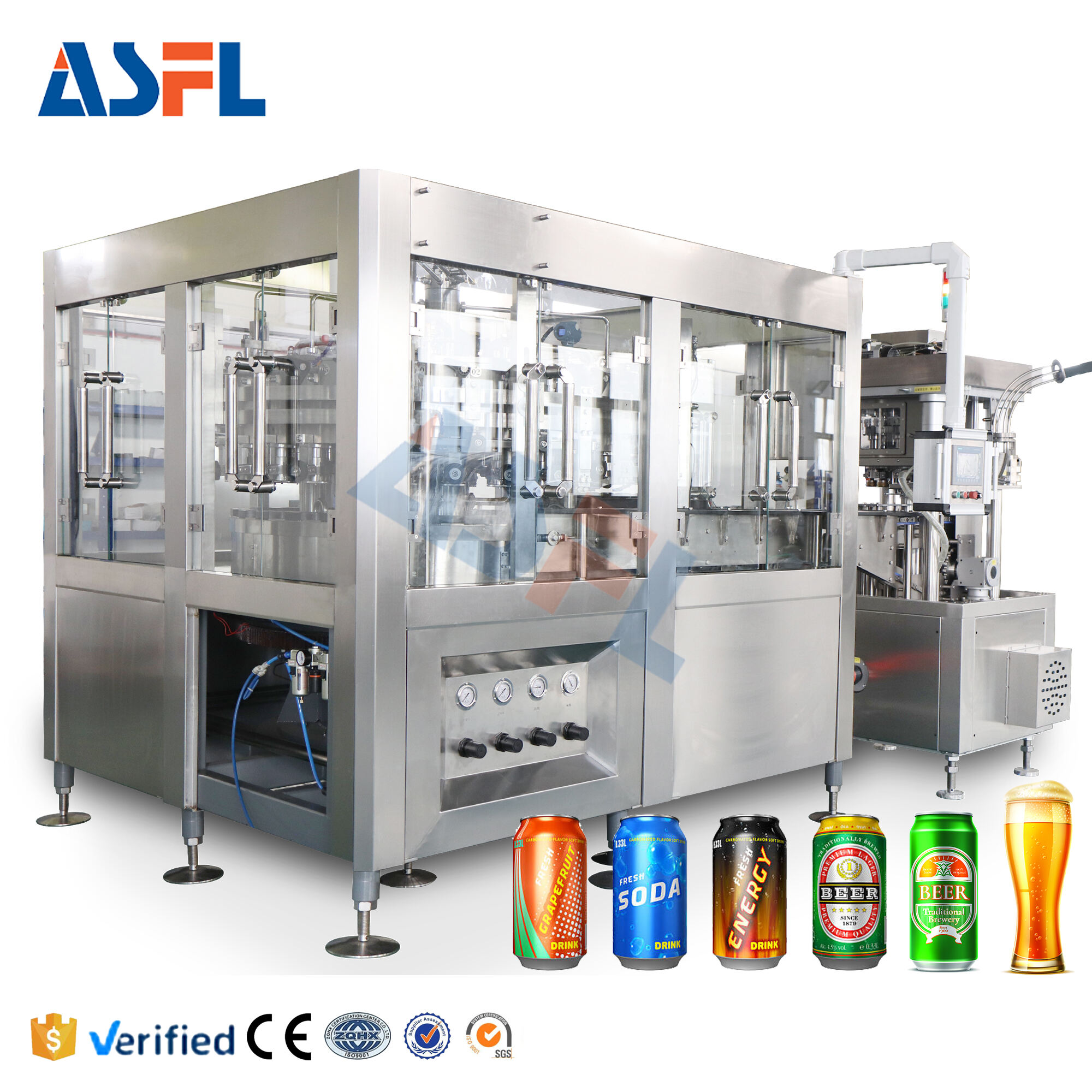
How Can Filling Machines Work: Core Mechanisms and Types
Understanding the operational principles of can filling machines is essential for optimizing beverage production lines. These systems employ distinct mechanisms to achieve precise volumetric filling while maintaining product integrity.
Gravity, Pressure, and Isobaric Filling Principles
When it comes to filling containers, gravity filling relies on the simple force of liquid weight itself. This approach works great for things like fruit juices and other non-carbonated drinks that don't need special handling. For carbonated beverages though, manufacturers typically turn to pressure-based systems instead. These setups use compressed air to actually push the product into cans, which helps maintain those precious CO2 levels that keep sodas fizzy. There's also something called isobaric filling that takes pressure methods one step further. Before transferring the drink, these machines first balance out the pressure between the storage tank and the can. The result? Much less foaming when pouring carbonated drinks, which cuts down on wasted product by around 3 to 5 percent compared to regular pressure techniques as various beverage industry reports have shown. Different viscosity requirements mean different approaches too. Gravity filling handles thinner liquids best, usually anything from 1 to 100 centipoise. Meanwhile pressure systems are built for thicker formulations, capable of managing products all the way up to 10,000 centipoise in viscosity.
Rotary vs. Linear Configurations for High-Speed Production
Linear filling machines work by moving cans one after another along a straight conveyor belt. They're pretty easy to maintain and can handle between 80 to 150 cans each minute, making them good choices for smaller businesses or those growing slowly. On the other hand, rotary systems have their filling heads positioned around what looks like a spinning wheel. This setup allows constant movement and much higher speeds, pushing out anywhere from 300 up to over 1,200 cans per minute. Most big manufacturers go for these rotary models when dealing with fizzy drinks because the speed actually helps keep the bubbles stable during filling. Both types connect right into the seaming equipment that comes next in production, but companies need to remember that rotary systems take up about 15 to 20 percent more room on the factory floor compared to linear ones.
Key Factors When Choosing a Can Filling Machine
Production Volume, Can Size Flexibility, and CIP Compatibility
When choosing between different filling machines, production volume plays a big role. Rotary fillers typically handle around 150 to maybe 300 cans per minute, making them ideal for those high volume production needs. On the flip side, linear models work better when output stays below about 80 cans a minute. Being able to switch between various can sizes from small 8 ounce containers all the way up to 16 ounce ones really cuts down on changeover time and keeps production lines running smoothly without unnecessary stops. Clean-in-place systems have become essential nowadays for maintaining proper hygiene standards while also boosting overall efficiency. These automated cleaning processes eliminate the need to take apart equipment completely, saving anywhere from 30% to almost half the time spent on manual cleaning according to recent industry reports. Getting this right means fewer headaches during daily operations and staying ahead of the curve when it comes to meeting health regulations.
Integration with Seaming, Labeling, and Line Control Systems
When production lines work well together with what comes next, the whole system performs better. Getting the sealing done right away after filling helps keep those bubbles intact and stops oxygen from messing things up. The labeling machines now run along the same line so brands get applied as products move through, which means no need to stop or handle them manually. Everything gets controlled from one central point through these special computer controllers called PLCs. They keep track of how much goes into each container down to about half a percent difference, and spot any jams before they become problems. Operators also have these screens called HMIs that show exactly what's going on when something isn't working right. Putting all these elements together cuts down wasted product by around 15%, and makes sure the conveyor belts match speed perfectly so nothing backs up or gets stuck.
Maximizing Uptime and Precision: Maintenance and Calibration Best Practices
Preventive Maintenance Schedules for Critical Components
Studies in manufacturing show that when companies implement good preventive maintenance programs, they tend to cut down on those frustrating unplanned shutdowns by around 40%. What works? Daily checks on things like seals, valves and sensors are pretty basic but important. Don't forget regular oiling for all those moving parts either. Parts that wear out fast should be swapped before they actually fail, so gaskets get replaced proactively. And after switching products, running complete CIP cycles becomes necessary. Keeping track of everything done during maintenance isn't just paperwork - these records become valuable over time as they help spot patterns and anticipate what might need fixing soon. The whole point is avoiding those surprise breakdowns that nobody wants to deal with.
Calibrating Fill Accuracy and Minimizing Product Waste
Keeping equipment calibrated regularly helps maintain fill volumes around the ±0.5% mark which meets regulations and saves money on the bottom line. Most experts suggest checking against certified weights once a month, running those statistical process control tests during operations, making tweaks when viscosity changes happen, and validating performance after maintenance work. A major soft drink company actually cut down their product giveaway by about 18% after switching to automatic calibration systems. With real time monitoring in place, small issues get flagged right away so production stays accurate throughout entire batches without unexpected surprises later on.
FAQ
What is the principle of gravity filling?
Gravity filling relies on the force of liquid weight and is suitable for non-carbonated drinks such as fruit juices.
How do pressure-based systems help in filling carbonated beverages?
Pressure-based systems use compressed air to push the product into cans, thereby maintaining CO2 levels and reducing foaming.
What is the main advantage of rotary filling machines?
Rotary filling machines provide higher speed and stability for carbonated drinks, handling between 300 to over 1,200 cans per minute.
How does CIP compatibility enhance filling machine efficiency?
CIP systems automate cleaning, saving significant time and ensuring hygiene standards, thus boosting overall efficiency.