EN
EN

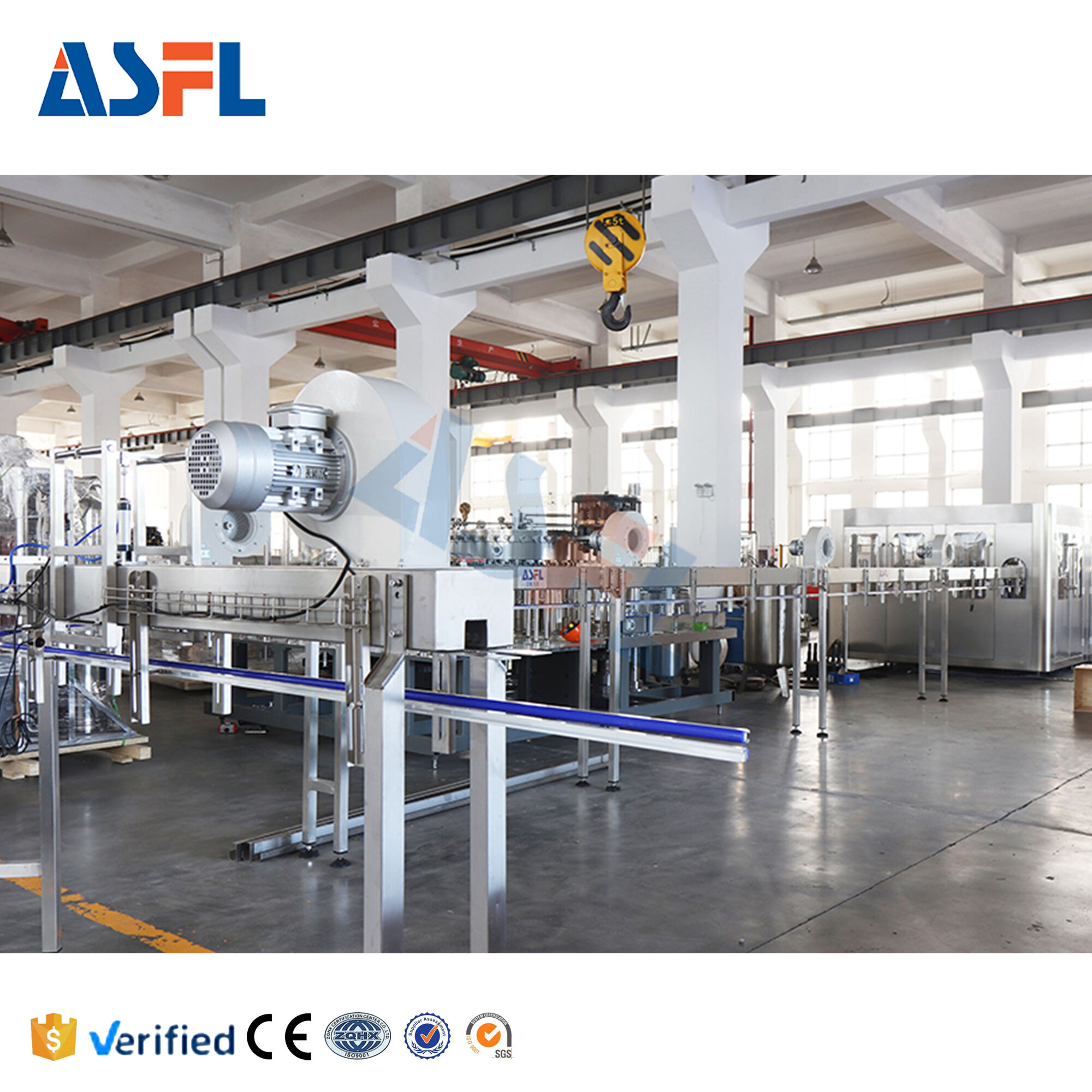
Core Functionality of PLCs in Automatic Filling Machines
Real-Time Deterministic Control for Consistent Dosing and Flow Accuracy
PLCs bring remarkable precision to automatic filling operations by controlling processes in real time with near perfect accuracy. These systems can hit ±0.5% dosing accuracy even when running at impressive speeds of 400 bottles per minute. What makes this possible? Well, PLCs run their programmed instructions so fast they basically eliminate those pesky timing issues that lead to either too much or too little product going into containers. The controllers constantly monitor data coming from flow meters and viscosity sensors then tweak valves and pumps as needed to keep everything on track regardless of pressure shifts or changes in how thick the liquid is. For pharma companies dealing with expensive fluids, this kind of control matters a lot. We're talking about maintaining 99.8% fill consistency according to research from Ponemon Institute which found that just one milliliter off in filling costs manufacturers around $740,000 every year in wasted product. And because these systems follow strict sequences for important steps like retracting nozzles or moving containers along the line, there's much less chance of spills happening and production getting held up.
PLC Scan Cycle, I/O Integration, and Synchronization with Fill Sensors and Valves
In every millisecond scan cycle, programmable logic controllers handle three main tasks at once. First they read data from over 200 input/output points connected to things like photoelectric sensors and pressure transducers. Then they run through those complicated ladder logic programs we all know and love. Finally, they send updated commands out to various actuators in the system. The speed at which these controllers poll for information creates tight timing coordination across different parts of the production line. For instance, when a conveyor belt needs to stop exactly where it should, or when filling operations need to start and stop precisely, these fast response times make a big difference. Compared to older relay based systems, this approach cuts down overall cycle times by around 30%. When integrating such systems, several critical connection points stand out as particularly important for maintaining smooth operation.
- Bottle Presence Detection: Photoelectric sensors signal the PLC to activate filling nozzles only when containers are perfectly aligned
- Analog Feedback Processing: Load cells provide real-time weight data for mid-fill flow rate corrections
- Valve/Pump Coordination: PLCs precisely time solenoid valve openings with pump ramp-up profiles to eliminate hydraulic hammer
The scan cycle’s deterministic nature prevents input/output conflicts—even during high-speed operation—sustaining throughput of 12,000 containers/hour without misfires.
PLC Programming Logic for Robust Filling Process Execution
Sequential Control for Bottle Detection, Fill Triggering, and Capping Coordination
Programmable Logic Controllers run the show on production lines by syncing all the important parts of the filling process. When those photoelectric eyes spot a container coming down the line, the PLC kicks off the filling action via those solenoid valves almost instantaneously. The whole system works like a well choreographed dance where each step has to finish before the next one starts. Take the capping heads for instance they won't engage until the fill head is completely done with its job. Getting rid of those pesky timing mistakes means these machines can keep going strong at around 400 bottles per minute without spilling nearly as much as older relay systems did according to Packaging Digest from last year. And here's something interesting about how they work under the hood: during every scan cycle, the controller checks what all those sensors are reporting against what it was told should happen. If anything gets out of whack by more than half a millimeter, everything stops dead in its tracks. This built-in safety net keeps things running smoothly and saves companies tons of money by preventing jams and wasted product.
Analog Signal Processing and PID Loop Integration for Dynamic Liquid Level Regulation
Programmable Logic Controllers take those analog signals coming from pressure sensors and flow meters and turn them into digital information that allows for real time adjustments to viscosity levels during processing. These systems often employ PID controllers which constantly tweak things like pump speed and valve positioning when dealing with tricky stuff like carbonated drinks or thick syrups. Even when there are pressure changes in the lines, these adjustments keep volume accuracy around plus or minus 0.3%. The whole feedback loop works pretty fast too, reacting to disruptions in just about 50 milliseconds so mass flow stays pretty consistent throughout the actual dispensing process. What makes this system really useful is its ability to tune itself automatically as containers change shape or size without needing someone to rewrite all the programming code. This means better optimized filling cycles and significantly less downtime between product changes in most beverage manufacturing setups, cutting down changeover times by roughly 40% according to industry reports.
Proven Performance: PLC-Driven Accuracy and Efficiency in Beverage Automatic Filling Machines
Case Study: Achieving 99.8% Fill Accuracy at 400 BPM Using Integrated PLC-PID Control
One big name in beverages hit 99.8% fill accuracy running at 400 bottles per minute thanks to their PLC-PID control system setup. What makes this possible? The valves adjust down to the millisecond based on what's happening with viscosity shifts and pressure changes throughout the production line. Switching from old school pneumatic fillers cut down wasted product by around 18% each year, which really boosts their Overall Equipment Effectiveness numbers. Most industry reports show that these PLC controlled fill systems stay within plus or minus 0.5% volume tolerance. That matters a lot for fizzy drinks because if they get too full, containers can actually burst. Getting this kind of precision means companies can crank out more product while still meeting all those regulations and keeping the same quality across every batch.
Scalability and Operational Resilience of PLC-Based Automatic Filling Machines
PLC based automatic filling machines have a modular design that makes scaling production much easier. Manufacturers can simply add extra filling heads or conveyor sections when needed, without having to completely replace existing equipment. Studies indicate this modular approach cuts initial costs around 35% compared to traditional fixed capacity systems. What's more, these machines stay reliable thanks to built in diagnostics that constantly check valves, motors, and even track things like product viscosity changes and temperature fluctuations. The system automatically adjusts itself throughout operation, handling variations in container shapes and compensating for heat related drifts. This keeps fill accuracy within half a percent tolerance even during long continuous runs. For companies dealing with changing market demands or sudden supply chain issues, this combination of flexibility and precision helps maintain consistent output levels without creating production bottlenecks.
FAQ
What is a PLC in the context of automatic filling machines?
A PLC, or Programmable Logic Controller, is a digital computer used in industrial automation to control processes such as filling liquids in containers in a precise and consistent manner.
How does a PLC ensure dosing accuracy?
PLCs achieve dosing accuracy by running programmed instructions rapidly, monitoring data from sensors in real-time, and adjusting valves and pumps to maintain consistency, achieving ±0.5% dosing even at high speeds.
What role do sensors play in PLC-based filling machines?
Sensors provide real-time data on various parameters such as container position and volume, enabling the PLC to make immediate adjustments for precise control during the filling process.
How is scalability achieved with PLC-based systems?
Scalability is achieved through a modular design, allowing manufacturers to easily add additional components like filling heads or conveyor sections without replacing existing equipment.
What benefits do PLC-PID systems offer to beverage companies?
PLC-PID systems offer benefits like high fill accuracy, reduced product wastage, and compliance with regulations while maintaining consistent quality across production batches.