 EN

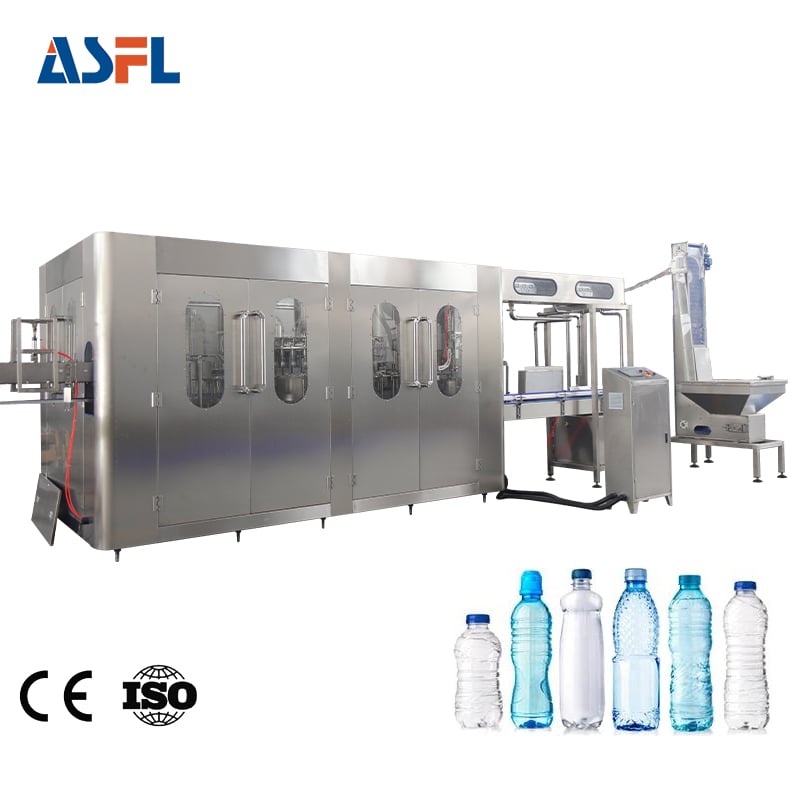
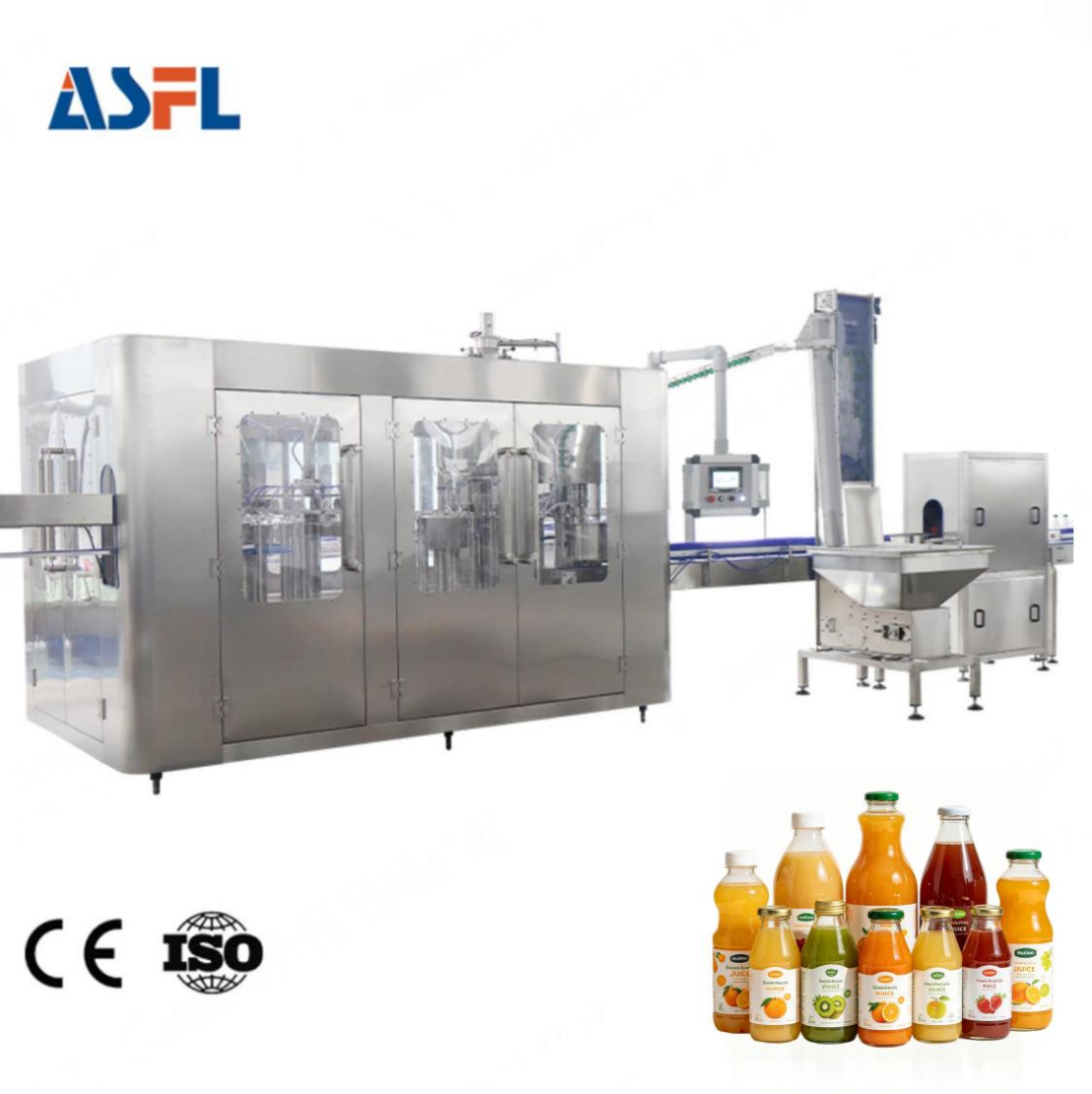
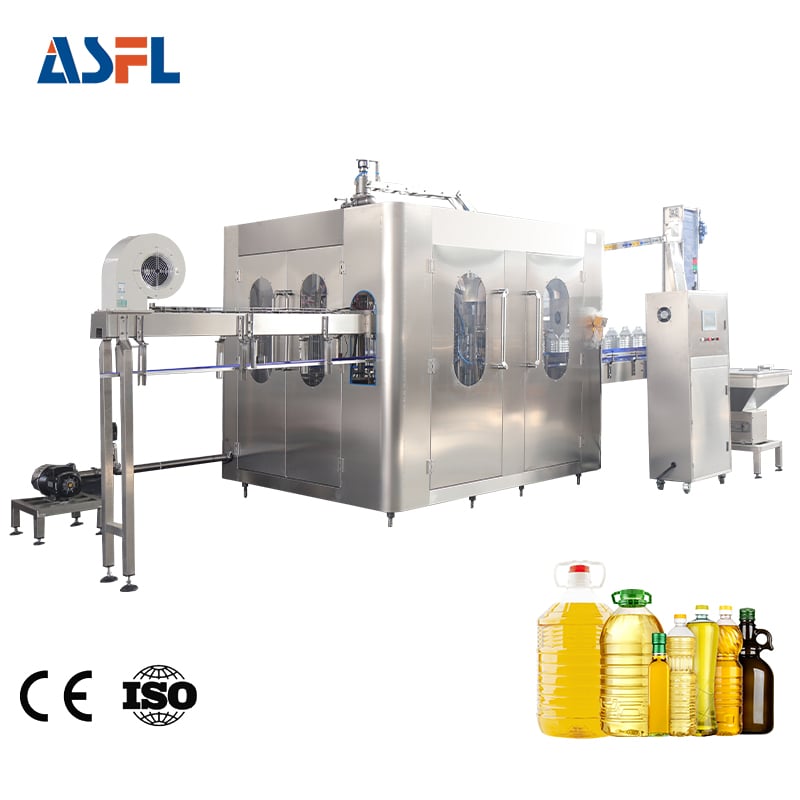
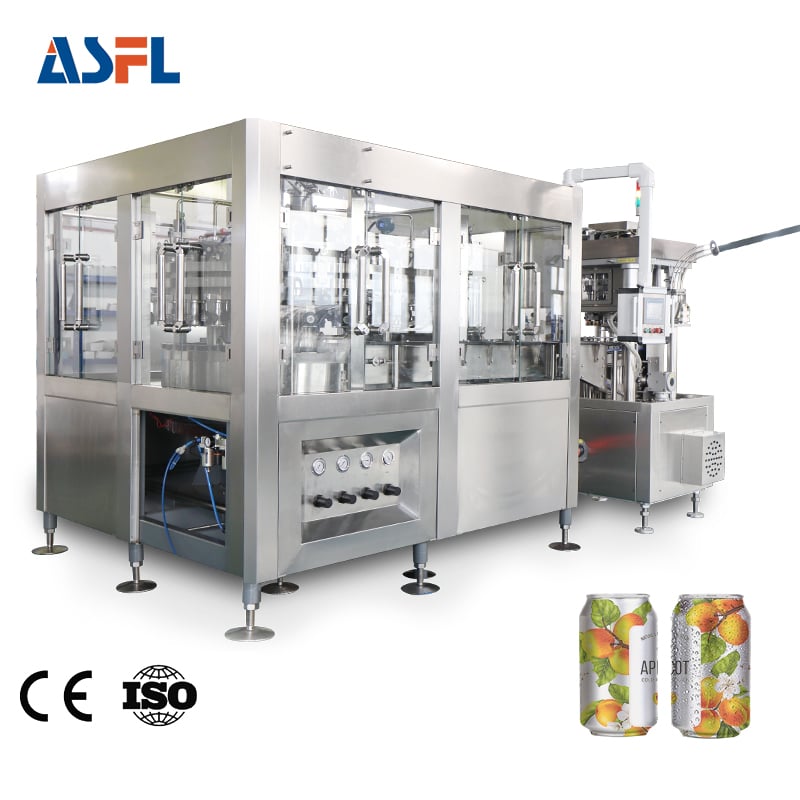
Maintaining uniform fluid fill volume, liquid clarity, and container hygiene across thousands of units per shift is a constant challenge for growing packaging facilities. While the core pillar page at ACE-FILLING provides a broad overview of machinery selection, facility engineering, and equipment sizing, this article addresses a single operational pain point: how upgrading to a fully automatic bottle filling machine eliminates human variance and mechanical instability to achieve strict product consistency.
Relying on semi-automated or legacy filling equipment introduces severe operational bottlenecks, including volume fluctuations caused by operator fatigue, liquid splashing, oxidation, and inconsistent cap seating. By upgrading to a high-precision fully automatic bottle filling machine, beverage, dairy, and liquid condiment processors can standardize every stage of the filling cycle, protecting brand equity and ensuring compliance with international quality directives.
The Root Causes of Volume Variance in Legacy Filling Lines
In non-automated or semi-automated liquid packaging environments, liquid consistency fluctuates due to physical variations in line pressure, temperature, and manual container alignment:
-
Manual Timing Errors: Semi-automatic filling nozzles rely on pedal-actuated timers or mechanical limit switches, leading to overfilling or underfilling whenever container feeding hesitates.
-
Fluid Head Pressure Surges: Gravity and piston systems without real-time pressure regulation experience flow velocity changes as raw material supply tanks drain from full to low levels.
-
Neck-Finish Misalignment: Improper bottle alignment under fixed filling spouts creates air pockets, liquid splashing, and foam formation, which ruins visual liquid level uniformity.
Upgrading to a fully automatic bottle filling machine replaces manual handling with closed-loop sensor networks, ensuring that every container undergoes identical dosing velocity, nozzle diving depth, and pressure equalization.
Key Automation Technologies Ensuring Product Consistency
Modern high-speed packaging lines rely on specialized mechanical and electronic control loops to maintain fluid uniformity across long continuous production runs.
1. Servo-Driven Diving Nozzle Systems
To eliminate surface splashing and air entrainment in foamy liquids, a fully automatic bottle filling machine uses multi-axis servo motors to drive nozzle motion. The spouts submerge to the bottom of the container before liquid discharge begins and rise in precise tandem with the liquid level. This bottom-up fill profile keeps the nozzle tip just above the liquid surface, maintaining constant laminar flow.
2. Closed-Loop Flowmeter Dosing Valves
Rather than relying on mechanical stroke limits, an automatic liquid packaging line engineered by a certified
Technical Parameter Comparison Matrix
The table below highlights how key operational parameters compare across different filling equipment architectures on an automatic bottle filling machine platform:
| Operational Feature | Semi-Automatic Piston Filling | Standard Mechanical Rotary Filler | ACE-FILLING Fully Automatic Servo/Flowmeter |
| Volumetric Accuracy | +/- 1.0% to +/- 2.0% | +/- 0.5% | +/- 0.2% |
| Fill Level Consistency | High visual variance | Moderate variance under thermal shifts | Uniform liquid height across all bottles |
| Dosing Control Type | Mechanical stroke limit | Fixed timer / Pneumatic cam | Closed-loop PLC + Flowmeter Feedback |
| Changeover Time | 30 - 60 minutes (Manual tools) | 20 - 40 minutes (Mechanical adjustments) | Under 10 minutes (HMI Recipe Load) |
| Sanitary Cleanability | Manual teardown required | Standard CIP flush | Automated 5-Stage CIP / SIP Loop |
Quality Assurance, Material Standards, and International Compliance
Achieving product consistency is inseparable from strict hygienic standard compliance. When operating a fully automatic bottle filling machine, all fluid contact channels must resist chemical corrosion and prevent micro-biological contamination over extended operating cycles:
-
Metallurgical Quality: Liquid manifolds, valve bodies, and dosing spouts are constructed from AISI 316L stainless steel with internal electro-polished surfaces (Ra <= 0.4 um) to eliminate bacterial trap sites and bio-film build-up.
-
Sanitary Certification: System designs comply with FDA 21 CFR Part 177 food-contact material guidelines, EHEDG hygienic design criteria, and BRCGS Packaging Materials standards.
-
In-Line Inspection Integration: Automated vision sensors and optical fill-height detectors inspect 100% of finished containers, triggering high-speed pneumatic reject mechanisms to remove under-filled or mis-capped bottles without slowing the main conveyor chain.
Real-World Case Study: Bottled Beverage Producer Cuts Reject Rates by 92%
Operational Challenge
A regional RTD tea and functional beverage producer experienced frequent customer complaints regarding uneven fill levels and inconsistent taste caused by oxidation during filling. Their existing mechanical filler generated a product reject rate of 3.8%, leading to significant liquid giveaway and manual rework costs.
Solution & Results
The producer integrated an ACE-FILLING 24-head fully automatic bottle filling machine monoblock featuring magnetic flowmeter dosing and an automated gas purging unit.
-
Reject Rate Reduction: Container reject rates dropped from 3.8% to under 0.3% within two weeks of commissioning.
-
Fill Accuracy Improvement: Volumetric fill accuracy stabilized at +/- 0.18%, eliminating product overfill giveaway across 18,000 bottles per hour.
-
Shelf Life Extension: Closed-loop filling and nitrogen purging reduced headspace dissolved oxygen, extending product shelf stability from 6 months to 12 months.
Summary & Next Steps for Packaging Line Optimization
Upgrading your plant to a fully automatic bottle filling machine is the most effective investment for securing precise volumetric accuracy, eliminating liquid waste, and upholding consistent product quality bottle after bottle. Combining multi-axis servo motion, dynamic flowmeter feedback, and automated CIP routines allows modern beverage and liquid packaging plants to maximize Overall Equipment Effectiveness (OEE).
To explore comprehensive plant layout engineering, synchronized conveyor systems, and companion machinery (including bottle blow molders, capping turrets, and labeling equipment), explore our main

 Hot News








