EN

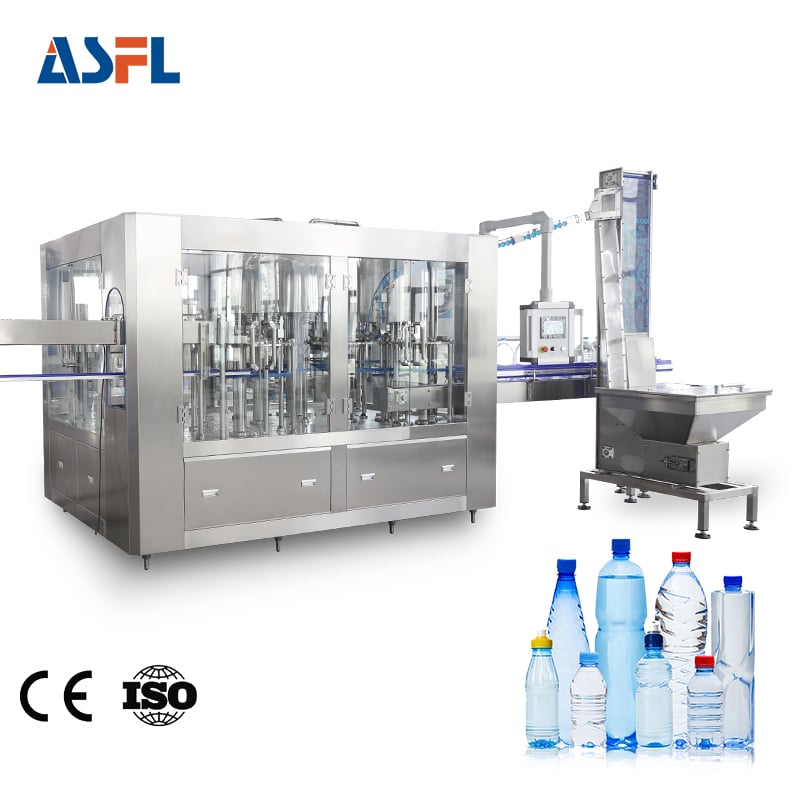
In the modern manufacturing landscape, plant directors and operations engineers constantly seek innovative ways to maximize throughput, minimize unexpected downtime, and reduce operational overhead. Traditional packaging floors relied entirely on localized human supervision and manual PLC checks to detect machine faults. However, as production speeds accelerate, waiting for an operator to identify a mechanical bottleneck or sensor failure directly impacts overall equipment effectiveness. Integrating an automatic water bottle filling system remote monitoring module transforms standard packaging lines into intelligent, data-driven ecosystems capable of real-time performance tracking and predictive maintenance.
Deploying IoT enabled water bottling machine architecture allows engineering teams to oversee critical operational metrics from any location, whether in the plant control room or miles away off-site. By capturing live telemetry data regarding volumetric dosing precision, motor temperatures, pneumatic pressures, and conveyor speeds, smart beverage packaging line control systems provide instant visibility into plant efficiency. This proactive connectivity shifts maintenance strategies from reactive firefighting to predictive intervention, saving thousands of dollars in lost production time.
To explore how advanced engineering architectures integrate cloud connectivity and automation, you can examine our core system portfolio at ACE-FILLING water bottle filling machinery. Aligning your facility with state-of-the-art digital control tools guarantees long-term competitiveness and operational resilience.
Core Architecture and Telemetry Data Points
The backbone of any effective digital monitoring platform is a secure, high-speed industrial network that bridges programmable logic controllers with cloud-based diagnostic dashboards. Remote diagnostics for filling machinery rely on continuous data acquisition from dozens of sensors embedded throughout the rinsing, filling, and capping zones.
Key telemetry parameters monitored via remote modules include:
-
Servo motor torque and current draw variations, which signal premature mechanical binding or gearbox wear before a catastrophic failure occurs.
-
Fill volume accuracy logs captured in real time from downstream checkweighers and flow meters.
-
Pneumatic line air pressure fluctuations that can cause erratic valve actuation or incomplete capping chuck engagement.
-
Clean-In-Place cycle temperature, chemical concentration, and flow velocity profiles confirming absolute sanitization.
Collecting and analyzing these operational data points continuously ensures that engineers can spot micro-trends in equipment performance long before they trigger physical line stoppages.
Comparative Analysis of Traditional Control Versus IoT Monitoring
Transitioning from localized oversight to a cloud-connected digital architecture offers distinct operational advantages for mid-to-large-scale packaging facilities. The matrix below highlights the functional differences between legacy setup methods and advanced smart control networks.
| Operational Feature | Traditional Localized Control | IoT-Enabled Remote Monitoring | Impact on Plant Performance |
| Fault Detection Timing | Reactive; discovered only after machine alarm sounds | Proactive; instant push notifications sent upon anomaly detection | Minimizes downtime and prevents severe mechanical collisions |
| Maintenance Scheduling | Fixed calendar-based intervals regardless of wear | Condition-based predictive maintenance triggered by live telemetry | Optimizes spare parts inventory and reduces labor overhead |
| Vendor Technical Support | Requires on-site technician visit for troubleshooting | Instant secure remote login and live software diagnostics | Resolves software or logic bugs within minutes instead of days |
| Production Data Logging | Manual shift logs or siloed local HMI archives | Centralized cloud dashboards with automated historical analytics | Enhances traceability and supports continuous process improvement |
By adopting intelligent remote oversight platforms, beverage plants eliminate traditional communication barriers between machine operators, plant engineers, and equipment manufacturers.
Real-World Case Study on Downtime Reduction
A compelling example of the value of digital integration involves a regional spring water bottling facility that experienced recurring, unexplained micro-stoppages on their high-speed rotary packaging line. Because the faults were intermittent, local operators struggled to diagnose the root cause during hectic shifts, leading to significant output losses over time.
Upon upgrading their equipment with an automatic water bottle filling system remote monitoring module, the plant connected their PLC data streams directly to an engineering support portal. Within the first week of deployment, the remote diagnostic tool identified a subtle pressure drop in the pneumatic indexing cylinder during high-speed transfer stages—an anomaly completely invisible to standard local alarms.
The measurable results following this targeted digital intervention included:
-
Unscheduled line downtime decreased by forty-two percent within the first quarter of operation.
-
Maintenance engineers resolved recurring mechanical adjustments remotely, eliminating the need for expensive emergency service visits.
-
Overall equipment effectiveness (OEE) improved significantly as micro-stoppages were systematically engineered out of the process.
-
Finished product quality remained consistently stable due to uncompromised synchronization across all filling and capping heads.
Data Security and Compliance in Smart Manufacturing Platforms
While the operational benefits of connected manufacturing infrastructure are undeniable, plant directors must ensure that industrial networks remain secure against unauthorized external access. Integrating smart beverage packaging line control systems requires strict adherence to cybersecurity protocols and industrial networking standards.
Essential security and compliance measures include:
-
Utilizing encrypted Virtual Private Networks (VPNs) and secure MQTT protocols for all data transmissions between the factory floor and cloud servers.
-
Implementing multi-factor authentication and role-based access control for all plant personnel and third-party engineering support teams.
-
Complying with international industrial cybersecurity benchmarks, such as IEC 62443, to protect operational technology networks from cyber threats.
-
Maintaining complete data sovereignty and audit trails to satisfy corporate governance and regulatory compliance mandates.
Balancing high-tech remote connectivity with robust cybersecurity ensures that beverage packaging plants enjoy the full benefits of digital transformation without compromising plant safety or data integrity.
 Hot News