 EN

Why automatic water bottle filling system should integrate remote monitoring module
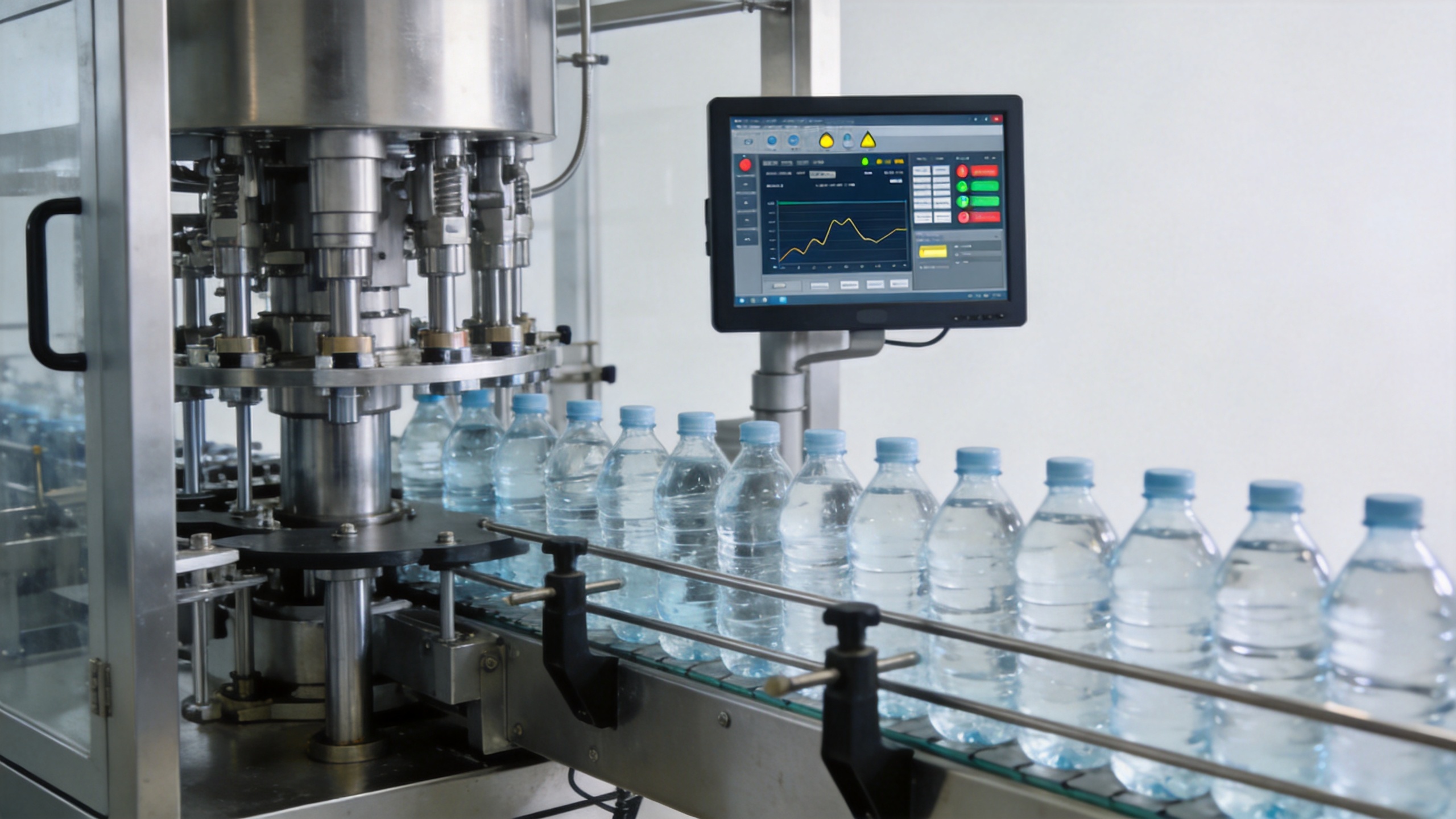
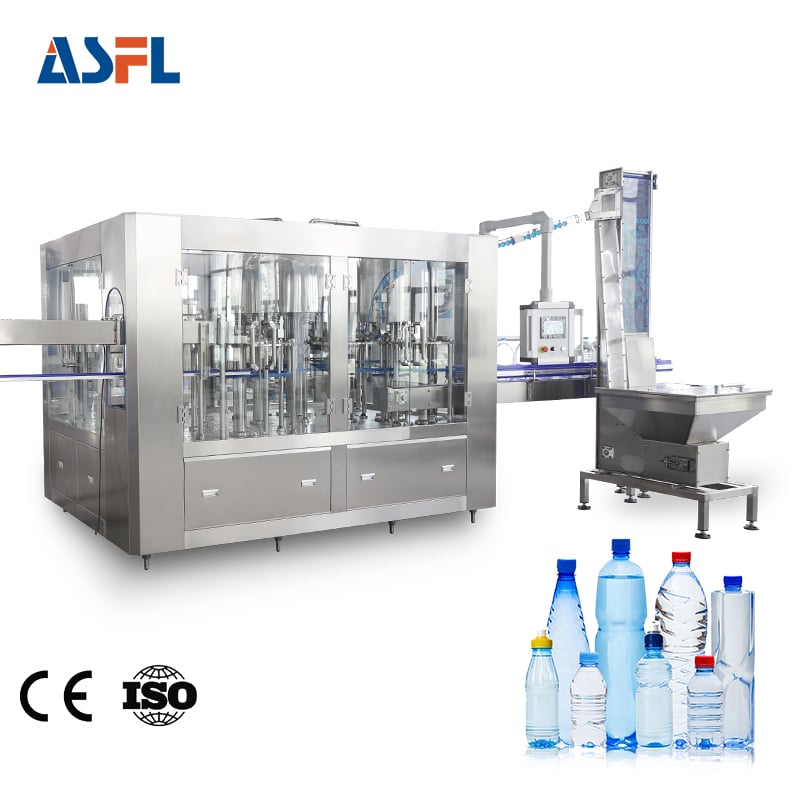
An automatic water bottle filling system is often evaluated by its rated output, filling method, and bottle range. Those matter, but they do not show what is happening when a line slows down, starts producing rejects, or needs support after commissioning. A remote monitoring module turns operating signals into a shared view for production, maintenance, and qualified service personnel. It does not replace on-site checks; it makes those checks more targeted.
From a maintenance-planning perspective, the value of an automated bottling line is not simply that it runs automatically. The useful question is whether its operators can see stable conditions, recognize deviation early, and preserve enough context to investigate it. That is why remote monitoring should be specified as part of the line architecture, not treated as an afterthought.
Remote visibility addresses the gaps that local screens cannot
A local HMI is essential for running the line, yet it is normally visible only beside the machine. If a recurring stoppage happens across shifts, the next team may see the symptom but not the sequence leading to it. Remote monitoring can collect permitted PLC states, alarms, production counters, drive status, fill-level or process signals, and changeover events into a time-stamped history.
This matters because a bottled-water line is an interconnected process. A conveyor hesitation, low incoming bottle pressure, capper mismatch, or unstable product feed can appear at the filler as an unexplained interruption. Remote trend views help a team ask whether the condition is isolated to the filler or linked to an upstream or downstream interface. In other words, the goal is to move from a single alarm message to an evidence-based sequence of events.
Use remote monitoring to protect stable production, not to chase dashboards
For this type of filler, the first monitoring list should be short and connected to operating decisions. Start with signals that answer practical questions: Was the line running, stopped, starved, blocked, cleaning, or changing over? Which alarm repeated? Did actual speed drift from the agreed operating target? Were there repeated manual interventions? A screen full of unprioritized tags rarely helps a maintenance team.
More precisely, a remote module should support a baseline for each product, bottle format, and normal running condition. A change in motor current or cycle time may be normal during a format change and meaningful during steady production. The system should therefore show context alongside the signal, including the selected recipe, run state, and relevant alarm history. This reduces the risk that an automatic water bottle filling system generates avoidable false alerts.
Make maintenance response faster and more deliberate
Remote access can help a service team prepare before an on-site visit. With a connected filling line, a technician may be able to review an alarm timeline, controller status, trend snapshots, and operator notes before recommending the next inspection. That can shorten diagnosis, but remote changes to safety functions, recipes, or sanitation procedures should remain prohibited unless authorized by the plant’s validated procedures.
The maintenance benefit is strongest when the alarm workflow is defined in advance. For example, each alert should identify its severity, the person responsible for acknowledgement, the evidence to check, and the permitted next action. A watch-level alert may call for inspection at the next planned stop; a critical condition may require a controlled stop under the plant’s own procedures. Connecting alert review to a work order or maintenance log makes the history useful rather than merely visible.
Support quality investigations and handovers
A connected filler can produce a large amount of useful process context even when its monitoring platform is not intended as a formal quality-record system. Run states, alarm frequency, and interventions can help supervisors compare an issue with its operating window. That context is particularly valuable at shift handover, when an intermittent fault might otherwise be described only from memory.
If monitoring data will be used for records subject to customer, food-safety, or regulated-process requirements, the buyer should separately define data ownership, user permissions, audit trails, retention, backup, and validation expectations. The relevant controls depend on the facility and intended use. The line should not be represented as compliant merely because it can send data remotely.
Specify the module around the actual line, not a generic feature list
Before approving remote monitoring for this equipment, create a short acceptance checklist:
- Signal scope: identify the PLC, sensors, drives, counters, alarms, and line interfaces that will be exposed.
- Network boundary: agree on plant IT responsibility, remote-access method, authorization, and segmentation before connection.
- Role permissions: distinguish who may view data, acknowledge alarms, export histories, or request changes.
- Alarm logic: set priorities, escalation paths, and suppression rules for cleaning, startup, and format change.
- Service boundary: document which diagnostics can be reviewed remotely and which actions remain on site.
- Commissioning test: simulate selected alarms and confirm that timestamps, notifications, and responsible responses are correct.
This approach keeps the monitoring program focused on usable information. It also reveals early whether a proposed module can work with the plant’s connectivity and service model. More features do not necessarily improve usability; clear responsibility and validated signals usually matter more.
Include remote monitoring in the total operating decision
When comparing an automatic water bottle filling system, buyers should compare more than the initial equipment list. Ask how remote monitoring is licensed, who supports it after handover, how data is exported, what happens when connectivity is unavailable, and how updates are controlled. Also ask whether the supplier can demonstrate the module during a representative run with the intended bottle, line speed, and operating states.
A well-planned bottling system uses remote monitoring to make work more observable: operators see priorities, maintenance sees history, and managers see where to investigate. The module will not eliminate mechanical wear, bottle variation, or process discipline. It can, however, help the team recognize patterns sooner and make maintenance decisions with better context.
Conclusion
An automatic water bottle filling system should integrate a remote monitoring module because stable output depends on timely information as well as mechanical design. Start with a limited, decision-oriented signal set; define access and alarm responsibilities; and test the workflow during commissioning. For each installation, final settings should be verified against the actual bottles, water process, line interfaces, and plant operating procedures.
 Hot News








