EN
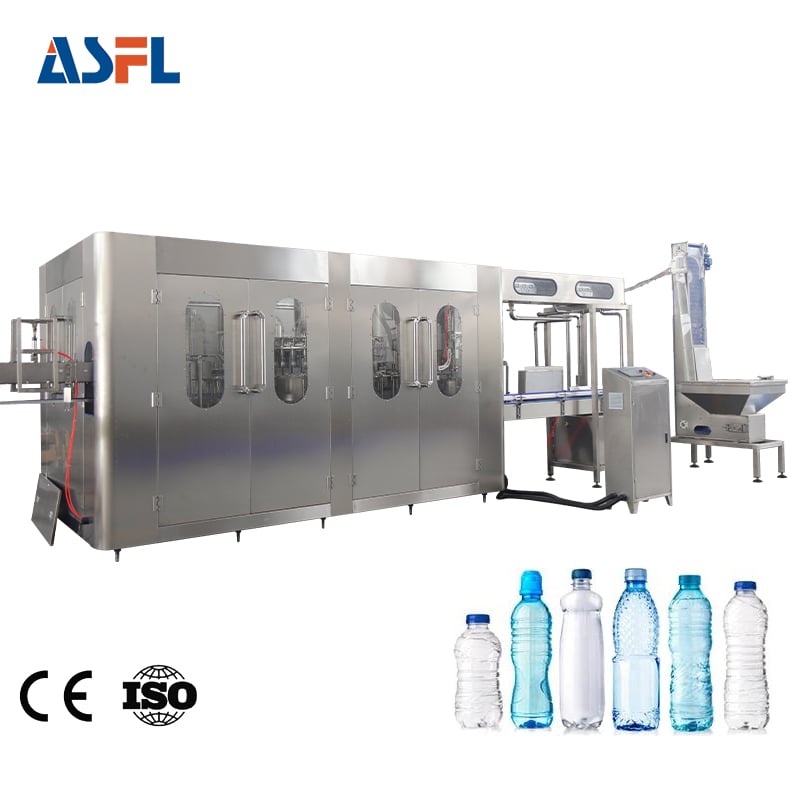
When managing large-format container packaging facilities, plant engineers must understand the physical and mechanical boundaries of heavy-duty machinery. Processing large reusable polycarbonate containers presents challenges distinct from small polyethylene terephthalate bottles. An automatic barrel filling machine for 20 litre water can units must coordinate heavy bottle handling, multi-stage internal washing, chemical sterilization, precise volumetric dispensing, and sanitary capping under tight cycle time constraints. Evaluating the exact operational limits of these systems ensures that commercial water bottling plants avoid unexpected bottlenecks, equipment overload, and premature mechanical wear.
Operating an industrial 5 gallon jug filling equipment setup near its absolute maximum threshold without proper maintenance leads to rapid component fatigue, indexing misalignment, and inconsistent sealing. Plant managers must analyze specific operational constraints—such as maximum hourly throughput, container dimensional tolerances, water pressure requirements, and thermal limitations during washing cycles—to maintain seamless shift performance. Aligning operational habits with manufacturer specifications guarantees prolonged equipment lifespan and consistent product safety.
To explore advanced large-format engineering architectures and turnkey water processing solutions, you can examine our core portfolio at ACE-FILLING water barrel filling machinery. Integrating robust engineering practices from the outset protects capital investment and ensures uncompromised sanitation across every production run.
Throughput Speed and Container Dimensional Tolerances
The primary capacity metric for any heavy duty water barrel washer and filler line is its rated hourly container output, which is directly constrained by mechanical indexing times and washing cycle durations. Unlike high-speed rotary lines for small bottles, large barrel systems typically operate on linear or intermittent rotary indexing tables that require precise container positioning for decapping, internal brushing, washing, filling, and capping.
Operating limits related to throughput and container geometry include:
-
Maximum throughput thresholds: Standard multi-gallon lines range from 150 to 1200 barrels per hour, depending on the degree of automation and the number of washing stations. Exceeding rated speeds causes mechanical slippage and incomplete washing cycles.
-
Neck finish and outer diameter variations: Reusable polycarbonate jugs undergo thermal expansion and physical distortion over dozens of rental cycles. If barrel body width or neck height exceeds strict dimensional tolerances, container jams occur at the starwheel and capper inlets.
-
Weight distribution limits: Unbalanced or heavily warped barrels can destabilize pneumatic lifting platforms during the neck-sealing and filling phase, resulting in incomplete volumetric delivery or liquid splashing.
Adhering to these strict physical parameters prevents mechanical jams and protects sensitive indexing mechanisms from abnormal torsional stress.
Fluid Dynamics, Washing Pressure, and Temperature Thresholds
The sanitation phase of a large container packaging line is subject to stringent thermal and hydraulic limitations. Because 20-litre jugs are returned from diverse commercial and residential environments, they require aggressive washing cycles involving caustic detergents, hot water rinses, and sterilizing solutions. However, pushing these parameters beyond recommended limits can degrade the polycarbonate material or cause structural stress fractures.
The table below outlines the core operational thresholds and safety limits for standard multi-gallon processing equipment.
| Operational Parameter | Recommended Working Range | Absolute Upper Limit | Risk of Exceeding Limit |
| Wash Water Temperature | 60 to 75 degrees Celsius | 85 degrees Celsius | Softens and permanently deforms polycarbonate barrel walls |
| Internal Spray Pressure | 0.3 to 0.5 Megapascals | 0.7 Megapascals | Damages internal spray nozzles and splatters chemicals outward |
| Caustic Solution Concentration | 1.5 to 2.5 percent NaOH | 4.0 percent NaOH | Accelerates stress corrosion on stainless steel valves and seals |
| Capping Insertion Force | 200 to 350 Newtons | 500 Newtons | Cracks barrel neck flanges and damages snap-on cap skirts |
Maintaining fluid parameters within these defined engineering limits ensures thorough sanitization without compromising the structural integrity of the reusable containers.
Real-World Case Study on Bottling Plant Optimization
A practical illustration of these engineering limits involves a regional municipal water bottling plant that experienced frequent line stoppages and container rejections during peak summer demand. The facility was attempting to push their automatic barrel filling machine for 20 litre water can units twenty percent above its rated hourly capacity by shortening the internal washing and rinsing dwell times.
Upon conducting a comprehensive operational audit, the engineering team discovered that reduced dwell times prevented chemical detergents from completely removing stubborn organic residues, while the increased mechanical indexing speed caused frequent starwheel collisions with warped returning jugs.
By recalibrating the line back to optimal manufacturer parameters and introducing a pre-sorting station for deformed barrels, the plant achieved remarkable improvements:
-
Line efficiency and overall equipment effectiveness (OEE) increased by over twenty-two percent within the first month.
-
Container rejection rates due to improper capping or incomplete washing dropped to near zero.
-
Maintenance downtime associated with actuator and indexing gearbox repairs was reduced by half.
-
Finished product microbiological test results consistently met strict national and international health standards.
Regulatory Compliance and Quality Assurance Protocols
Operating large-format container packaging lines requires strict adherence to international food safety and sanitation regulations. Because 20-litre jugs are handled, emptied, and returned by end-users, the cleaning and sanitization protocol must be robust enough to eliminate all potential environmental pathogens before refilling.
Key compliance frameworks governing large container operations include:
-
FDA and regional public health mandates requiring validated cleaning efficacy for multi-use food containers.
-
Automated data logging requirements for wash water temperatures, chemical titration levels, and sterilization contact times.
-
Routine calibration schedules for flow meters, pneumatic pressure regulators, and torque-limiting capping chucks.
Integrating these rigorous compliance measures into daily shift routines ensures effortless regulatory audits and protects brand reputation in competitive beverage markets.
 Hot News