 EN

For a first-time investor, a mineral water plant sale is not simply a machine purchase. It is a decision about process design, bottles, caps, utilities, hygiene, commissioning, and the people who must run the line after handover. A turnkey route can be useful because it covers those items as connected operating conditions rather than a collection of quotations. The right scope still needs scrutiny, but it gives a startup a more integrated path from source-water assessment to packaged product.
That distinction matters when reviewing a mineral water plant sale. A low equipment figure can look attractive until the investor has to coordinate pipework, electrical loads, air supply, bottle transfer, cleaning procedures, and acceptance testing among several parties. The apparent saving can be overtaken by delayed commissioning or unclear responsibility. A turnkey supplier does not remove the need for due diligence; it makes the connections visible early enough to manage them.
What “turnkey” should mean in a mineral water plant sale
In a credible mineral water plant sale, turnkey describes a defined delivery boundary, not a vague promise that everything is included. The proposal should identify the water-process design route, storage and transfer, rinsing, filling, capping, conveying, labeling or secondary packaging where relevant, controls, utilities, installation support, training, and the documents used for handover. Just as important, it should identify exclusions: civil works, permits, laboratory arrangements, site drainage, local electrical work, or consumables may sit outside the supplier’s scope.
For startup investors, that scope discipline is valuable. The team can assign each item to a budget, an owner, and a date. When comparing a mineral water plant sale, ask for a responsibility matrix rather than relying on broad phrases such as “complete line.” The matrix should show who provides each connection, who tests it, and what evidence closes the item.
Why one coordinated scope reduces startup friction
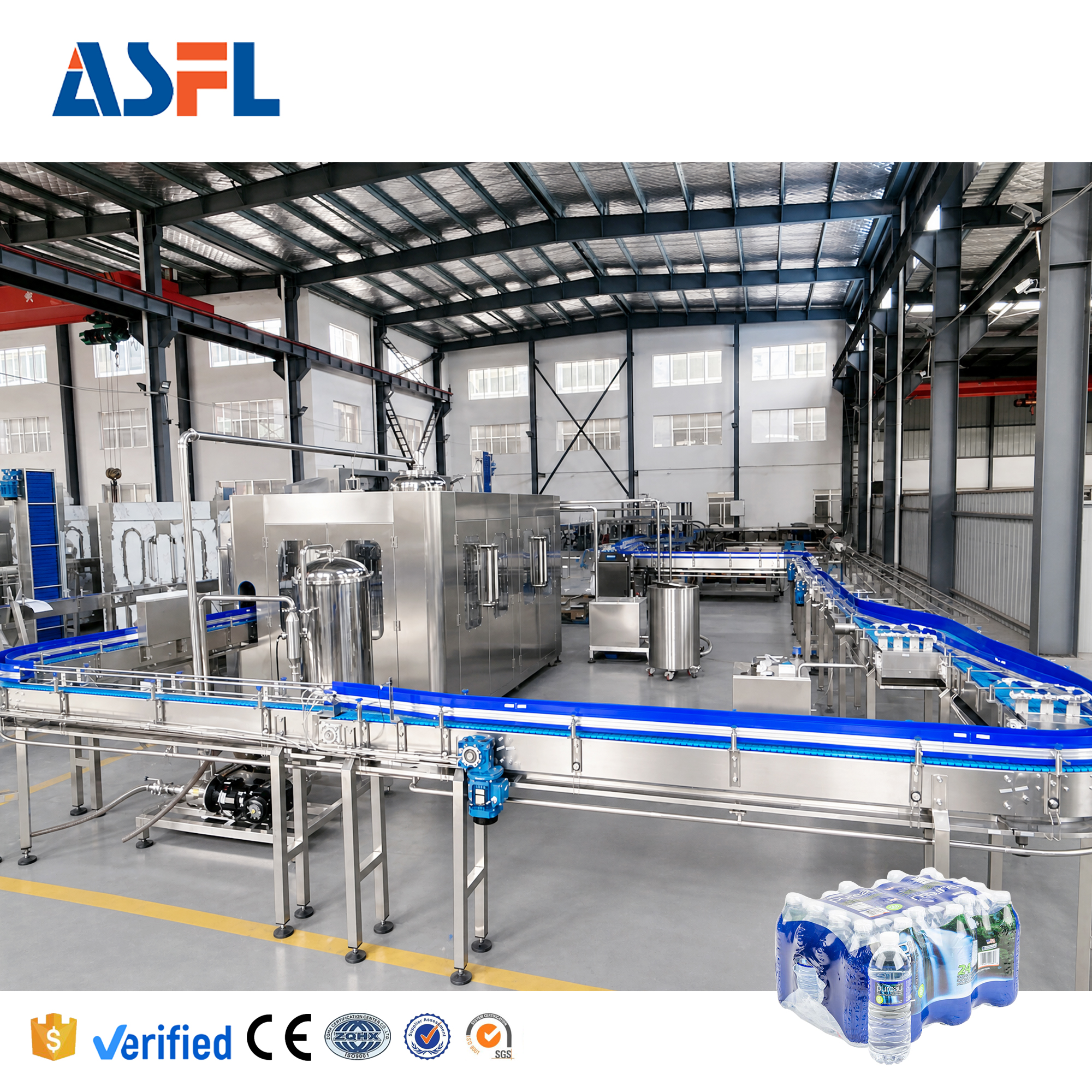
A water plant behaves as a system. The filler cannot maintain stable output if upstream process design, buffer storage, bottle delivery, compressed air, or downstream conveying is not ready. In a fragmented mineral water plant sale, each vendor may optimize its own component while leaving the investor to resolve the gaps. That creates a familiar startup problem: a line can be mechanically installed but unable to run reliably as a production process.
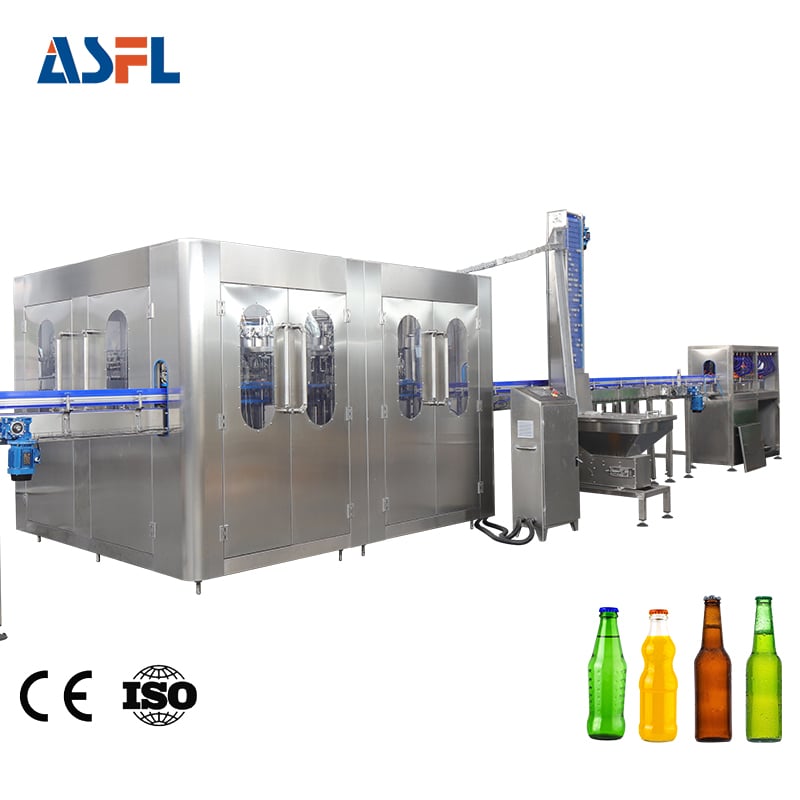
A turnkey water bottling plant is easier to manage when one design basis connects the components. The supplier can size connections around the agreed bottle format, closure, target output, source-water analysis, and sanitation approach. This does not mean every component must come from one factory. It means the delivery team should own the engineering logic that connects them and should document assumptions before fabrication begins.
Start with the water and the market, not the headline capacity
Before choosing a mineral water plant sale, define the water source, intended product description, package sizes, sales channel, and realistic operating schedule. The phrase “mineral water” may carry specific labeling and regulatory meanings in a target market, so the product and source claims should be reviewed locally before packaging artwork or process configuration is fixed. In the United States, for example, bottled-water processing is subject to current good manufacturing practice provisions in 21 CFR Part 129, while 21 CFR 165.110 includes standards of quality for bottled water. Other markets use different requirements.
This is why process design cannot be selected from a generic list. A water analysis, local legal requirements, and the intended product claim determine the process design and verification plan. A sound mineral water plant sale should turn those inputs into a documented design basis, including what must be tested before final acceptance. It is more useful than comparing nominal flow rates in isolation.
Turnkey improves cost control by exposing total project costs
Investors often compare a mineral water plant sale by the purchase price of the central filling machine. That is understandable, yet the commercial outcome depends on the full installed system: preparation work, utilities, installation, commissioning, training, spare parts, sanitation supplies, validation runs, and the time required before sellable output begins. A turnkey quotation can place more of these items in one commercial view.
That visibility helps investors distinguish a lower initial quote from a lower total project cost. It also makes change control practical. If the bottle design changes after layout approval, a coordinated supplier can trace the effect on guides, change parts, cap handling, labels, conveyor timing, and acceptance criteria. In a piecemeal mineral water plant sale, the investor may discover those dependencies only when work is already on site.
Installation and acceptance should be written into the deal
A small-scale water bottling plant still needs a disciplined commissioning plan. The proposal should specify site-readiness conditions, installation responsibilities, dry-run and water-run stages, training participants, safety checks, and the criteria used to accept the line. Avoid an acceptance target that states only bottles per hour. A useful protocol also states the bottle and cap used, product conditions, run duration, defect definitions, utility assumptions, and the method for recording stoppages.
For any mineral water plant sale, ask how the line will be demonstrated at the supplier’s facility and again at the customer site. Clarify whether the supplier provides installation water bottling plant support, how remote troubleshooting works, and what documentation remains with the plant. These details are not administrative extras; they determine whether the operating team can reproduce a stable run after the commissioning engineer leaves.
Use the turnkey proposal as a validation checklist
The strongest reason to prefer a turnkey approach is not that it is automatically cheaper or faster. It is that it creates a framework for asking the right questions before money is committed. Review each mineral water plant sale against a checklist:
- Is the source-water analysis tied to a process design and monitoring plan?
- Are bottle, cap, label, and packaging assumptions stated?
- Does the layout show utilities, hygiene flow, access, and maintenance space?
- Are all mechanical, electrical, and control connections assigned to an owner?
- Are installation, operator training, spares, and post-startup support defined?
- Does the acceptance protocol reflect normal operating conditions rather than a short peak-speed demonstration?
If a supplier can answer these questions clearly, the mineral water plant sale has moved from an equipment offer toward an investable project plan. If answers remain general, reduce the uncertainty before signing rather than assuming the gaps will close during installation.
Choose scope clarity over an attractive headline
For a startup, the practical value of a turnkey solution is coordinated accountability. It helps the investor connect water quality, compliance planning, packaging, equipment connections, commissioning, and operator readiness in one controlled project. Compare each mineral water plant sale on defined scope, verifiable assumptions, and acceptance evidence. That approach supports a more realistic budget and gives the new plant a stronger foundation for its first production runs.

 Hot News








