 EN

Frequent bottle jams are rarely a single-machine fault. In an automatic bottle filling plant, a small mismatch at the infeed, filler, capper, or discharge conveyor can turn into a stopped line within seconds. A practical way to troubleshoot is to find the first bottle that loses control, rather than clearing the pile-up and changing several settings at once.
From a packaging-line engineering perspective, start with the bottle, the guides, and the line rhythm. The filling section may be where the jam becomes visible, but the initiating condition can be upstream or downstream. This matters especially on an automatic bottle filling machine line running at higher output, where accumulation magnifies a minor spacing error.
Start with the first jam point, not the largest pile-up
Stop the line safely and record where the first bottle turns, pauses, rides up, or contacts another bottle. Note whether the event occurs at the infeed screw, a starwheel, under the filling nozzles, the capper transfer, or a conveyor transition. A short video at normal speed and a second one at reduced speed can reveal whether bottles arrive too close together, drift sideways, or hesitate at a transfer.
Then run a small number of bottles through at low speed. If they travel cleanly at low speed but lose spacing as output rises, investigate speed ratios and accumulation. If they catch in the same physical location at every speed, inspect alignment, wear, clearance, or debris at that point.
Common reasons bottles jam in an automatic bottle filling plant
1. Guide rails do not match the current bottle
Guide rails must control the bottle without squeezing it. Rails set too wide may allow light or tall bottles to wobble, rotate, and lean into the next bottle. Rails set too tight can add drag, scuff the container, or create a pinch point. This is particularly important after a bottle-format change: a small difference in shoulder profile, base shape, height, or label panel can alter how bottles behave through curves and transfers.
Check both rail width and rail symmetry. A bottle that is centered at one point can still be pushed off-center if one rail is higher, worn, bent, or poorly supported. Examine the rail surface, fasteners, and transition pieces for rough edges or residue.
2. Conveyor, infeed screw, and starwheel timing are out of step
An automatic bottle filling plant relies on each transfer to hand off a bottle at the correct pitch. If the infeed conveyor pushes faster than the spacing device can accept bottles, they compress before the filler. If the starwheel pocket arrives late or early, the bottle can strike the pocket edge instead of entering cleanly. Repeated impacts usually leave a consistent clue: the same contact point, the same bottle orientation, or a jam only at a certain speed.
Check that the conveyor speed, infeed screw speed, starwheel timing, and filler index agree with the active bottle recipe. Do not correct a timing problem by opening guide rails excessively; that may hide the contact point while creating unstable bottle travel elsewhere.
3. Bottle dimensions or quality vary more than the setup allows
Bottles that are oval, warped, poorly trimmed, wet on the base, or inconsistent in height can be difficult to control. Lightweight containers are also more sensitive to air movement, sudden acceleration, and back pressure. Compare a jammed bottle with a bottle that ran normally. Look at the base, neck finish, shoulder, seams, and label condition, then check whether the issue is tied to one incoming batch or one bottle supplier.
Before restarting an automatic bottle filling machine maintenance procedure, verify the change parts and recipe against the actual bottle. The goal is not merely to make one sample pass; it is to confirm that normal variation in the bottle supply still moves through the line without contact.
4. Accumulation or downstream back pressure reaches the filler
A jam at the filler discharge may begin after filling. A capper, labeler, case packer, or downstream conveyor that slows or pauses can send back pressure upstream. Bottles then crowd together, lose their intended pitch, and arrive at a transfer with too little space. In this situation, the filler is not necessarily the root cause.
Watch the line from discharge back toward the infeed. If bottles are stable until a downstream machine cycles slowly, clear the downstream restriction first. Also inspect conveyor transitions for height differences, gaps, worn transfer plates, or abrupt speed changes. A stable automatic bottle filling machine high-speed setup depends on the slowest reliable section of the line, not the highest speed set on one machine.
5. Sensors, stops, or bottle-control components are not reacting consistently
Photoelectric sensors, pneumatic stops, escapements, and reject controls coordinate bottle movement. Product splash, dust, label fragments, or a shifted bracket can interrupt detection. A delayed signal may release bottles too early, hold them too long, or cause an unexpected stop. Check sensor lenses, mounting, target distance, cable condition, and the actual signal status in the control system while bottles pass.
Mechanical parts deserve the same attention. A worn belt, loose chain, damaged starwheel pocket, or sticking stop can produce an intermittent jam that is hard to reproduce by hand. Inspect with the machine isolated according to site safety procedures.
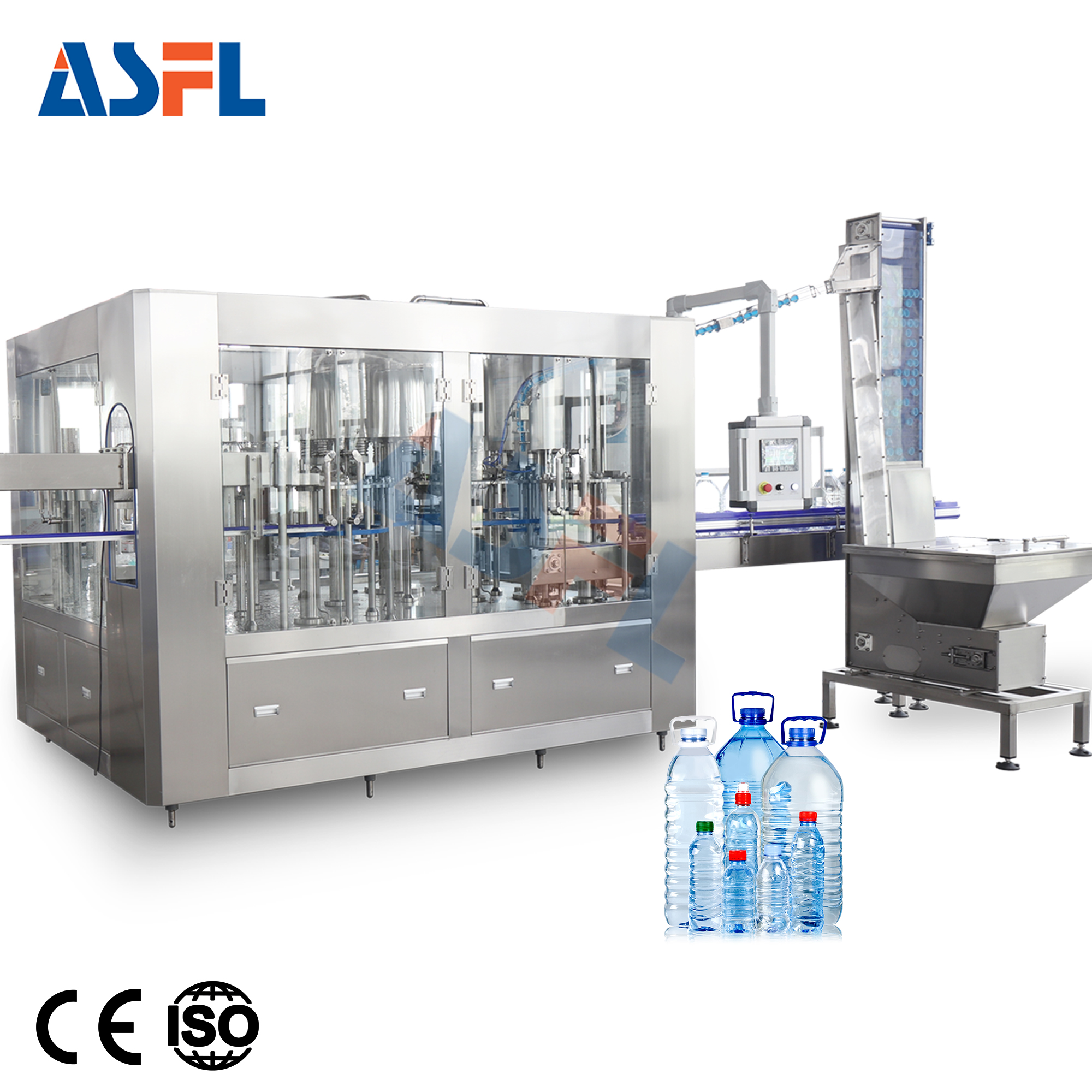
A practical jam-isolation sequence
- Protect people and product. Stop the equipment, isolate energy as required by your site procedure, and clear damaged bottles safely.
- Mark the first contact point. Record the precise station and take photos before adjusting anything.
- Separate upstream from downstream effects. Check whether back pressure is arriving from the capper, labeler, or discharge conveyor.
- Verify the active format. Match bottle dimensions, change parts, guide settings, and timing recipe to the bottles currently on the line.
- Inspect the physical path. Look for rail wear, debris, height changes, damaged transfers, and tight curves.
- Run a controlled trial. Start with a small sample at reduced speed, then raise speed in steps while observing bottle spacing and transfer entry.
- Document the outcome. Record the setting changed, the speed, the bottle lot, and whether the first jam point moved or disappeared.
How to reduce repeat jams after the immediate fix
A repeatable inspection routine is more useful than relying on memory after a stoppage. At each shift or format change, check rail clearance, conveyor cleanliness, transfer plates, bottle-control devices, sensor condition, and the current recipe. During changeover, measure the bottle at the locations that actually guide it instead of relying only on the nominal container drawing.
It also helps to track jam events by station and symptom: tipped bottle, side rub, bottle-to-bottle compression, missed starwheel pocket, or discharge backup. Over several events, this record can show whether the line needs a setup correction, replacement of a worn component, a bottle-quality discussion, or a review of throughput targets. More speed is not automatically more stable; sustainable output depends on controlled transfers throughout the line.
When to involve the machine supplier or line integrator
Ask for technical support when jams persist after basic alignment and cleanliness checks, when the bottle format has changed materially, or when a timing adjustment affects filling, capping, or safety interlocks. Provide photos, short videos, the bottle specification, line speed, active recipe, jam location, and any recent changes to the bottle, product, or downstream equipment. That information gives a service team a more useful starting point than a general report that the line is “jamming.”
Key takeaway
Frequent jams in an automatic bottle filling plant usually come from loss of bottle control at a transfer, guide, or accumulation zone. Begin at the first disturbed bottle, verify physical alignment and line timing, then test changes in a controlled sequence. This approach helps the team distinguish a local filler issue from a full-line coordination problem and supports more reliable operation of an automatic bottle filling machine line.




 Hot News








