 EN

For a new beverage company, buying equipment is rarely just a question of choosing a filler. A juice project has to connect product handling, bottle movement, filling, closure, labeling, packing, utilities, controls, and acceptance testing. That is why founders often begin by researching a water bottling line: it gives them a useful reference for the sequence of equipment, even though juice needs its own process review.
From an engineering-coordination perspective, a turnkey juice line can lower uncertainty because one party designs the interfaces across the line. It does not remove every start-up challenge. It does, however, make responsibilities, handoffs, and test conditions easier to define before production begins.
Turnkey means managing interfaces, not simply supplying more machines
A standalone filler may look like the center of a beverage plant, yet its real performance depends on what arrives before it and what happens after it. Product feed stability, bottle dimensions, cap supply, conveyor accumulation, sensor logic, and downstream packing all influence daily operation. A turnkey scope maps these links before installation.
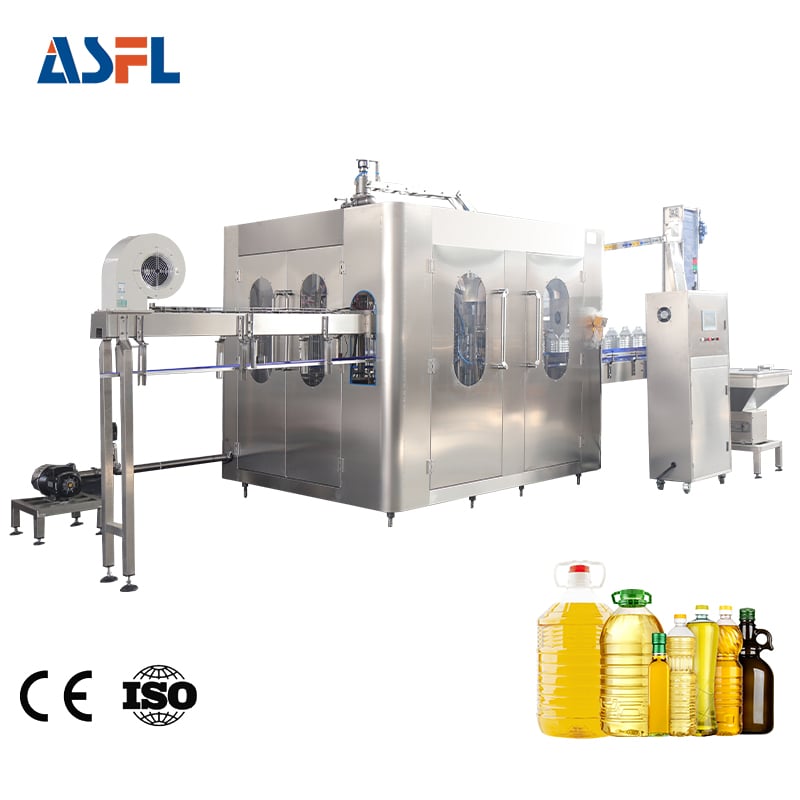
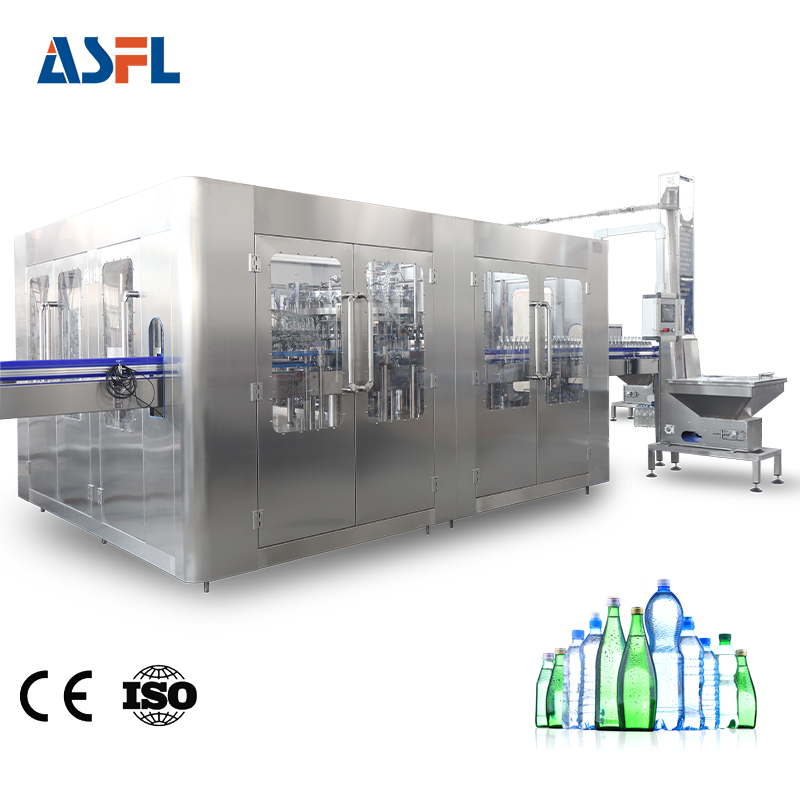
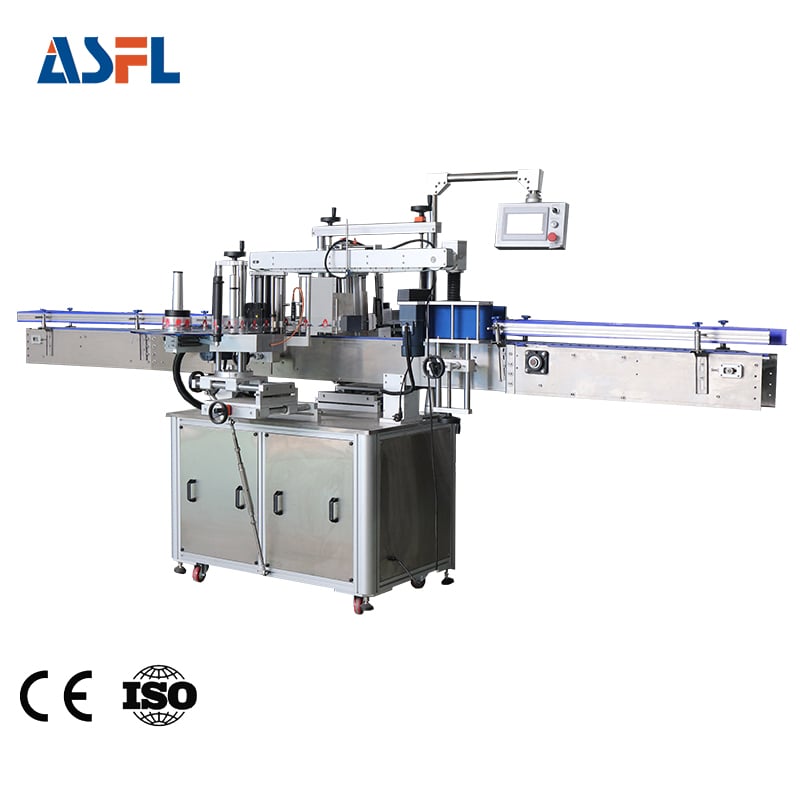
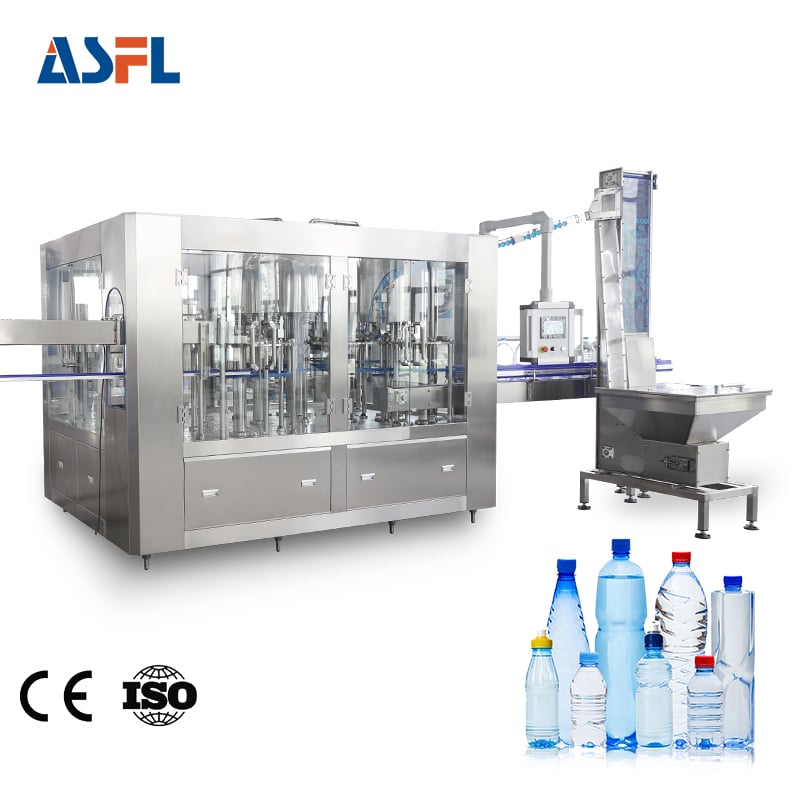
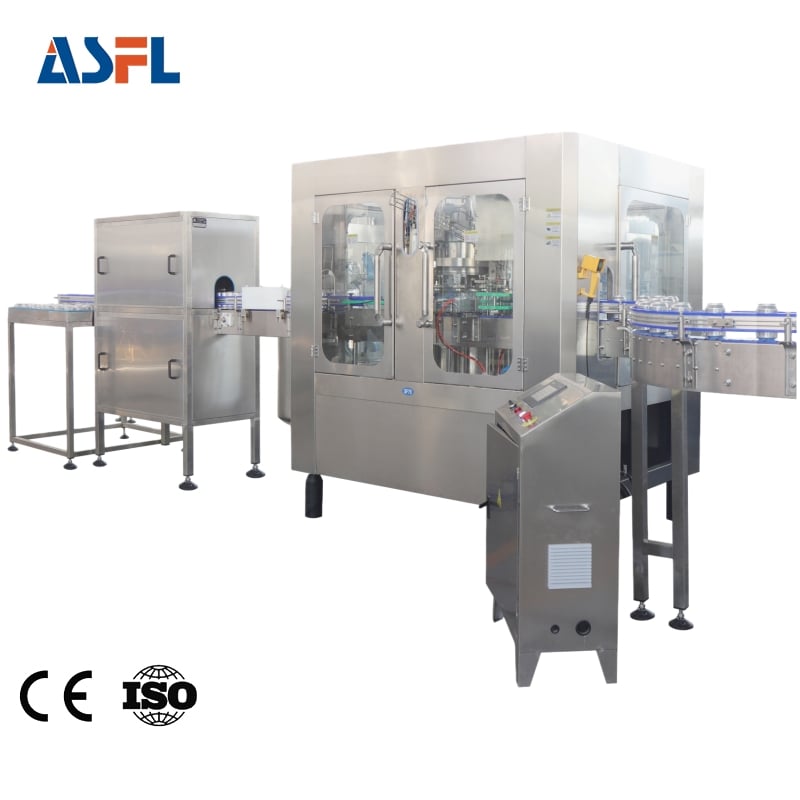
That is one reason a water bottling line is useful as a planning benchmark. It normally makes the chain visible: treatment or preparation, container handling, rinsing where applicable, filling, capping, labeling, coding, and packing. For juice, the corresponding arrangement may also require validation of product temperature, viscosity, particulates, cleaning method, and the chosen preservation process. The point is not that a water bottling line and a juice line are identical. The point is that an integrated layout exposes the interfaces a start-up must control.
Five risks a turnkey line can reduce
1. Scope gaps between suppliers
When several vendors quote separate machines, a start-up can be left to decide who owns a conveyor transfer, electrical signal, bottle guide, or change-part boundary. A turnkey supplier should document those boundaries in the layout, utility list, and control narrative. That gives the buyer a basis for asking where each responsibility starts and ends.
2. Mismatched product and filling conditions
Juice is not a generic liquid. Pulp level, viscosity, foaming tendency, temperature, acidity, and required cleaning practice can affect the fill system and product path. A water bottling line may guide the discussion about line flow, but it cannot by itself confirm juice compatibility. The supplier and buyer should review actual product information and, where appropriate, arrange a trial using representative liquid and packaging.
3. Unplanned commissioning work
Commissioning becomes harder when mechanical installation, utilities, automation, and operator training arrive as unrelated workstreams. A turnkey plan can sequence these tasks and specify pre-start checks. That helps a young company move from installation to supervised trial production with fewer unanswered handoff questions.
4. Packaging changeover surprises
A line must work with the bottles, caps, labels, and cases the company intends to buy, not only with demonstration samples. If the launch plan includes a 5 gallon bottling line alongside smaller formats, it is especially important to separate the workflows and confirm the container-washing, sanitation, and handling requirements. A 5 gallon bottling line is not merely a larger version of a small-bottle operation.
5. Weak acceptance criteria
Speed claims alone are not enough for a new plant. A useful acceptance plan names the product, bottle, closure, target output, rejection handling, quality checks, and test duration. In other words, shift the discussion from an advertised machine rate to the conditions under which the line is expected to run steadily.
Why regulatory and hygiene planning should happen early
For companies serving the United States, juice processing rules provide a concrete reminder that equipment selection and process control are linked. Under 21 CFR Part 120, a covered juice processor’s HACCP controls must consistently achieve at least a 5-log reduction in the pertinent microorganism, subject to the regulation’s conditions and exceptions. This is not legal advice, and local rules may differ. It does show why a start-up should define its process-validation pathway before locking in a line configuration.
Similarly, a water bottling line may have sanitation requirements shaped by its bottle type and water process. For example, U.S. bottled-drinking-water requirements address sanitary facilities, methods, practices, and controls. That comparison is useful because it keeps founders from assuming that one beverage category’s workflow automatically fits another. Ask how product-contact surfaces are cleaned, how cleaning steps are verified, and how the operating procedure matches the actual product.
A practical turnkey verification checklist
Before placing an order for a water bottling line-style beverage system or a dedicated juice line, turn the proposal into a verification list:
- Product definition: Record ingredients, expected viscosity, pulp or particulates, filling temperature, and planned shelf-life approach.
- Packaging definition: Provide bottle drawings, cap samples, labels, cases, and the range of formats expected at launch.
- Line scope: Identify every machine and transfer point, including infeed, accumulation, inspection, coding, and end-of-line handling.
- Utilities: Confirm electrical supply, compressed air, water, drainage, steam or heating needs, and floor layout before shipment.
- Controls: Define alarms, interlocks, stop logic, recipe access, and the handover of electrical and operating documentation.
- Factory and site tests: Agree on what will be tested, which samples will be used, who signs the record, and what happens when a result falls outside the agreed condition.
This checklist is more valuable than comparing a short list of machine names. It helps a founder see whether the proposed water bottling line has been translated into a complete operating system rather than a collection of isolated units.
How to evaluate a supplier’s turnkey proposal
Ask for a process flow, a layout, an equipment list, utility requirements, and a clear list of buyer-supplied items. Then review the assumptions one by one. Are they based on the intended juice and packaging, or are they generic? Does the proposal explain change parts and cleaning procedures? Does it identify what will be demonstrated during a factory acceptance test and during site commissioning?
For a 5 gallon bottling line, add questions about container return condition, washing stages, sanitation validation, bottle inspection, and the separation of reusable-container handling from other packaging activities. For small packaged juice, focus on product-path design, closure integrity, label application, and the link between process settings and the planned quality program.
Start with a controlled launch, not an oversized promise
A turnkey project can reduce risk when it makes the production path testable. The supplier coordinates the interfaces, while the beverage company supplies accurate product, package, market, and compliance requirements. Neither role can be skipped.
New beverage teams can use a water bottling line as a familiar framework for mapping equipment stages, then adapt that framework to their juice process. With a written scope, representative trials, defined acceptance conditions, and operator training, a turnkey juice bottling line becomes a more manageable route from concept to controlled production.

 Hot News








