EN

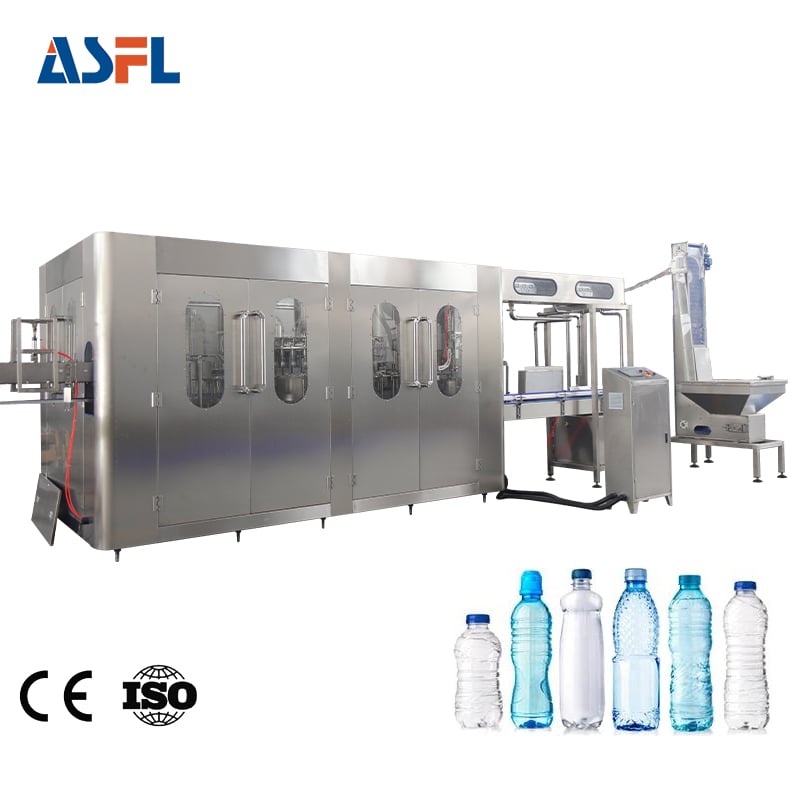
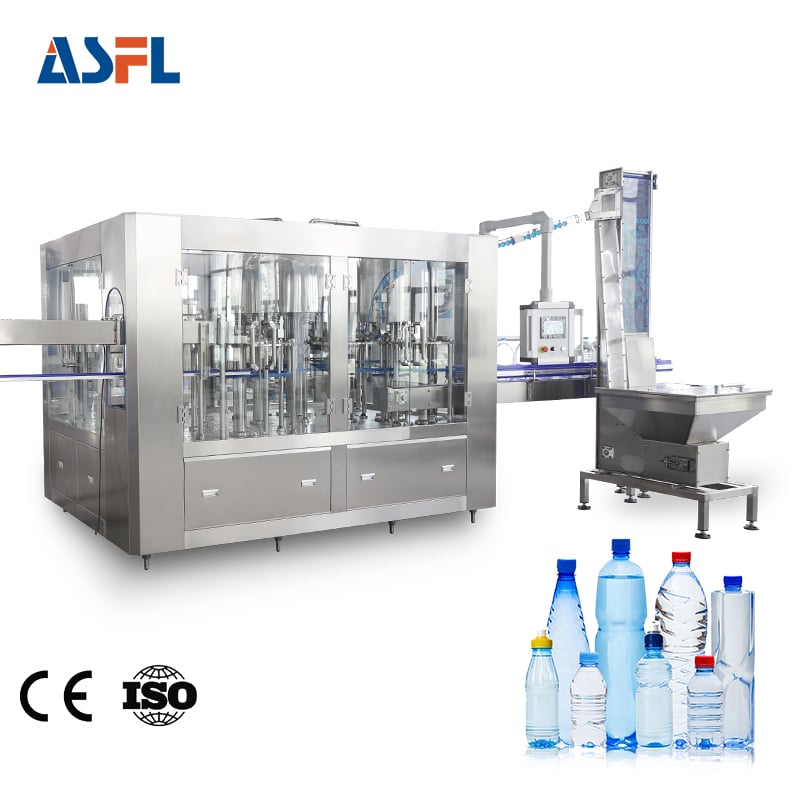
A gravity bottle filling machine is a practical option when a still beverage flows freely and the line needs a repeatable way to transfer that liquid into bottles. Rather than forcing product with high pressure, the gravity bottle filling machine uses the liquid level in a product tank to create a controlled downward flow. For water, diluted juice, tea, and similar non-carbonated products, that straightforward principle can make the filling stage easier to understand and validate.
From a process-fit perspective, the right question is not simply how fast a gravity bottle filling machine can run. The liquid's viscosity, foaming tendency, temperature, solids content, bottle shape, and hygiene plan all matter. In other words, a gravity system is a method for a defined application, not a universal answer for every beverage.
What makes a gravity filling system suitable for still beverages?
A gravity bottle filling machine generally suits low-viscosity, free-flowing liquids that do not need counter-pressure handling. Product enters a raised tank or bowl, remains at a managed level, and travels through product passages to individual filling valves. When a bottle is correctly positioned, the valve opens and gravity provides the driving force. The gravity bottle filling machine then closes the valve after a timer, a level-sensing device, or another selected fill-control method reaches its set point.
This differs from a carbonated beverage filling machine. Carbonated products carry dissolved gas and typically require pressure management to limit foaming and maintain product characteristics. A gravity bottle filling machine for a still product does not replace that counter-pressure process. Keeping the distinction clear during equipment selection avoids applying a suitable still-liquid approach to a product that needs a different filling environment.
The operating sequence: tank to filled bottle
1. Prepare the product path and bottles
Before production, operators confirm that the product-contact path is clean, the beverage supply is ready, and bottle dimensions match the handling parts. A gravity bottle filling machine receives empty bottles from the infeed conveyor or rotary starwheel. Guides, neck supports, or base supports keep each bottle in position beneath its valve. Bottle-mouth position matters because an off-center bottle can affect splash control, drip behavior, and the practical consistency of the fill.
2. Stabilize the liquid level
The product tank is not just a reservoir. In a gravity bottle filling machine, the height of liquid above the valve contributes to the available head pressure. If incoming product supply fluctuates, the liquid level may move and the actual flow behavior can change. For that reason, the feed system, tank level control, and valve setting should be reviewed together. A stable supply helps the gravity bottle filling machine behave more consistently across a production run.
3. Open the filling valve
Once a bottle is in place, the gravity bottle filling machine opens its valve. Liquid flows downward into the bottle because of gravity. The valve and nozzle arrangement should fit the product and bottle opening: a poorly matched nozzle can cause splashing, unnecessary foaming, or contact with the container. For still beverages with modest foaming potential, a lower nozzle approach or a controlled flow setting may be evaluated during trials rather than assumed from a catalogue description.
4. Stop at the selected fill target
A gravity bottle filling machine may use timed filling, level filling, or another configuration-specific control approach. Timed filling relies on a repeatable flow condition over a set interval; level-oriented filling targets a visual liquid level and can accommodate bottles with consistent geometry. The appropriate choice depends on whether the producer is controlling volume, headspace appearance, or a defined package specification. The gravity bottle filling machine should be tested with the actual beverage and bottle, since small changes in liquid behavior can affect the result.
5. Close, discharge, and hand off
After the valve closes, the gravity bottle filling machine releases the filled bottle to the discharge conveyor. The bottle then moves toward capping, inspection, labeling, and packing. Filling and capping need to be reviewed as one handoff: a bottle that leaves the filler unstable, wet, or out of position may create a downstream issue that looks like a filling issue. Conveyor timing can magnify small variations from the infeed, so line observation should follow the bottle beyond the filling carousel or nozzle bank.
Key variables that shape repeatable filling
For a gravity bottle filling machine, four groups of variables deserve attention:
- Liquid behavior: viscosity, temperature, suspended solids, and foam response influence flow through the valve.
- Container geometry: neck diameter, bottle height, shoulder shape, and tolerance influence nozzle clearance and fill-level appearance.
- Flow control: tank level, valve timing, nozzle design, and supply stability affect how the gravity bottle filling machine fills each container.
- Line coordination: infeed spacing, bottle support, capper timing, and changeover settings affect stable production conditions.
It is tempting to focus on the stated output of a gravity bottle filling machine. A more useful commissioning question is whether the line holds its fill target and bottle control across the planned operating window. Higher nominal speed does not automatically mean stable operation. Sample runs should therefore include normal starts, steady running, brief supply variation, and the bottle formats intended for routine production.
Hygiene and maintenance are part of the operating principle
The gravity bottle filling machine only performs as intended when its product path and surrounding handling areas are maintained. For bottled water operations in the United States, 21 CFR Part 129 is one example of a framework that addresses sanitary operations and product-water-contact surfaces. The applicable rules depend on the product and market, but the operational lesson is broad: cleaning procedures, drainage, inspection points, and changeover practices should be designed into the work routine.
When evaluating a gravity bottle filling machine, ask how product-contact parts are accessed, how valves are cleaned, where residual liquid can collect, and how operators confirm reassembly. These questions are especially important when product changeovers are frequent. A compact layout can be useful, but maintenance access and a practical cleaning path also need to be verified.
A practical trial checklist for still beverage projects
Before specifying a gravity bottle filling machine, prepare samples and acceptance conditions. Confirm the beverage formula and temperature range, bottle drawings or samples, target fill specification, expected line rhythm, cap type, cleaning method, and changeover needs. During a trial, observe fill level, splash, drip, bottle transfer, and downstream capping together. The results give a more dependable basis for configuration than a speed number alone.
A gravity bottle filling machine can provide a clear, mechanically simple filling approach for suitable non-carbonated still beverages. The useful boundary is equally clear: validate the liquid, the container, the hygiene plan, and the complete line handoff before deciding the configuration. That is how a gravity bottle filling machine becomes a verified production step rather than just a component on a line layout.
 Hot News