EN
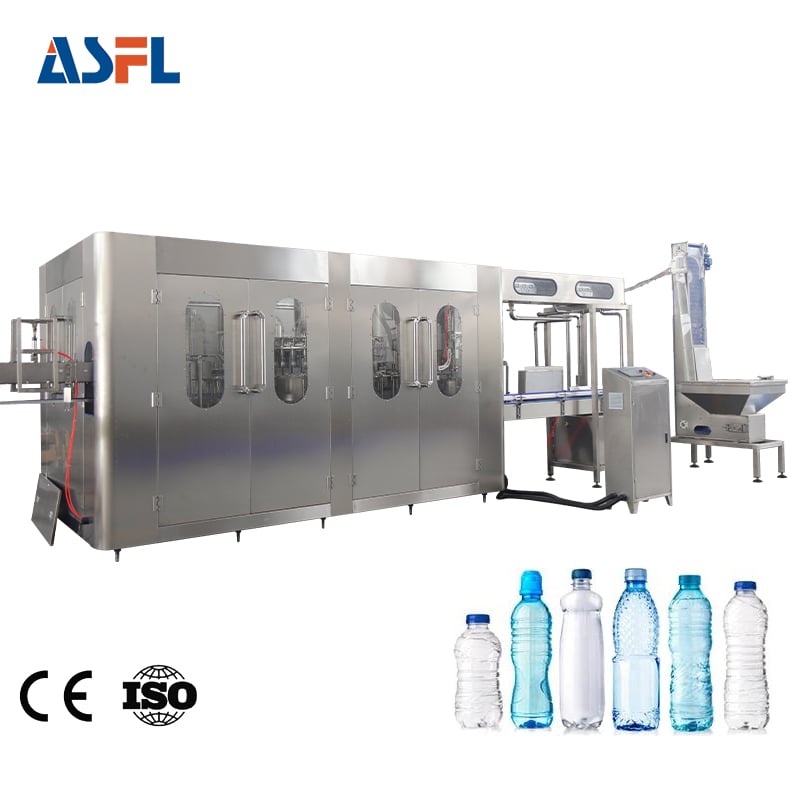
For a large beverage factory, buying a high speed bottle filling machine is not mainly a race for the highest quoted output. The financial case comes from producing more saleable bottles during planned operating time while keeping fill control, sanitation work, changeovers, and downstream handling manageable. From a packaging-line engineering view, the right question is: how many conforming bottles can the whole line ship per shift, and what interrupts that flow?
A high speed liquid filling machine can support that goal when its filling method, bottle handling, and controls fit the beverage and the rest of the line. One distinction matters: speed alone is not profit. A machine that runs quickly in isolation but creates capper queues, labeler stops, or rejects can move losses to another point in the plant.
Profit begins with usable output, not a nameplate rate
Large plants often have enough demand to justify a higher-capacity line, but the return depends on realized output. A useful operating lens is overall equipment effectiveness: availability, performance, and quality. In practical terms, availability shows whether the line is running when scheduled; performance shows whether it is reaching an appropriate operating pace; quality shows how much production passes without rework or rejection. Tracking those three dimensions helps a factory identify whether a high speed bottle filling machine is solving a bottleneck or simply exposing one.
Consider the difference between two projects. One proposal offers a faster filler, but the plant keeps its existing accumulation, cap supply, inspection, and case-packing arrangement. The other starts with a line study: bottle format, beverage behavior, target run length, sanitation routine, capper capacity, and downstream buffer logic. The second project may have a more disciplined specification process, yet it is more likely to convert rated capacity into stable, sellable output.
Where long-term value can come from
1. More production time from fewer recurring interruptions
Minor stops can quietly absorb a meaningful share of a shift. Bottle spacing problems, unstable infeed, cap shortages, false rejects, and poor handoff between machines may each be brief, but their combined effect is costly. A well-matched high speed bottle filling machine should therefore be reviewed with its conveyors, accumulation sections, capping, inspection, labeling, and packing equipment. The objective is not to promise zero downtime; it is to locate predictable interruption points and define how the line will recover.
During supplier discussions, ask for a line balance rather than only a filler speed. The balance should show the intended operating range of each station, the buffer locations, and what happens during a short downstream stop. This lets the factory compare the practical cost of lost minutes against the cost of suitable controls or accumulation.
2. Better fill control can reduce product and packaging loss
Every beverage has its own filling conditions. Viscosity, temperature, carbonation, foaming tendency, particulates, bottle material, and target fill level all influence the suitable filling principle and the achievable operating window. A high speed liquid filling machine should be tested against representative product and containers, not selected from a generic capacity chart.
Stable fill performance may reduce overfill, underfill, rejected bottles, and cleanup demand. These effects should be measured at the factory instead of assumed. Define the acceptable fill range, sampling plan, reject handling, and start-up behavior in the acceptance criteria. That approach turns a broad claim about accuracy into an auditable operating target.
3. Shorter, more repeatable changeovers protect schedule flexibility
Large beverage factories rarely run one stock-keeping unit forever. New bottle sizes, labels, caps, promotional packs, and seasonal products make changeover capability part of the profit calculation. The relevant question is not simply whether a high speed bottle filling machine can process multiple formats. Ask which parts change, who changes them, how settings are recalled, what verification is required, and how many good bottles are needed before production stabilizes.
Format parts and clear work instructions can help, but they must be matched to the actual bottle family. Before ordering, map the current and planned formats, then run a format-change demonstration with the highest-risk containers. This is especially useful when lightweight bottles or unusual shapes are involved.
4. Hygienic design lowers avoidable operating risk
For beverage operations, hygiene is a production issue as well as a compliance issue. In applicable U.S. food operations, current good manufacturing practice rules require water contacting food, food-contact surfaces, or food-packaging materials to be safe and of adequate sanitary quality. The plant’s own regulatory requirements may differ by market, but the operational lesson is consistent: cleanability, access, drainage, and validated sanitation routines deserve attention before capacity claims.
Review the product-contact path, seals, dead-leg risk, cleaning procedure, and post-cleaning restart checks with the technical team. A high speed bottle filling machine that is difficult to clean or verify can lose productive time through longer sanitation windows and cautious restart procedures. The equipment design should support the plant’s documented hygiene program, rather than stand in for it.
How to assess the lifecycle case before purchase
A sensible investment review compares the full operating picture, not only the purchase price. Put the following items into the project model:
- Good-bottle capacity: planned shifts, target output, expected downtime categories, and reject handling.
- Product fit: trials for foam, temperature, viscosity, carbonation, fill volume, and bottle stability.
- Line interfaces: infeed, conveyors, capper, inspection, labeler, packer, controls, and accumulation.
- Changeover load: number of formats, format parts, labor steps, validation needs, and restart waste.
- Service readiness: maintenance access, critical spare parts, training, fault diagnostics, and response arrangements.
- Utilities and hygiene: cleaning method, compressed air, water, power, drainage, and site-specific requirements.
Then use a factory acceptance test and a site acceptance test to confirm the key assumptions. For each target beverage and bottle, agree on the test duration, operating speed range, fill sampling, reject categories, stop log, and downstream conditions. A brief one-time demonstration reveals less than a planned test that captures starts, stops, and recovery.
A practical decision sequence for large plants
- Define the production objective in good bottles per shift, not only bottles per minute.
- List the beverages, bottle formats, cap types, and seasonal changes the line must support.
- Identify the present bottleneck using stop data, reject records, and downstream capacity.
- Specify the high speed bottle filling machine together with upstream and downstream interfaces.
- Set measurable trial and acceptance criteria for fill control, throughput, hygiene procedures, and recovery after stops.
- Build a maintenance and spare-parts plan before commissioning, then review actual operating data after ramp-up.
Conclusion: speed pays when the line can use it
Long-term profit from a high speed bottle filling machine comes from disciplined line engineering. Higher capacity can be valuable, but only when the beverage, container, hygiene routine, operators, and connected equipment allow the factory to sustain it. By judging good output, changeover stability, fill control, sanitation practicality, and serviceability together, beverage manufacturers can make a capacity investment that supports production economics over many operating cycles.
 Hot News