 EN

Why Is Isobaric Filling Necessary for a Carbonated Beverage Filler?
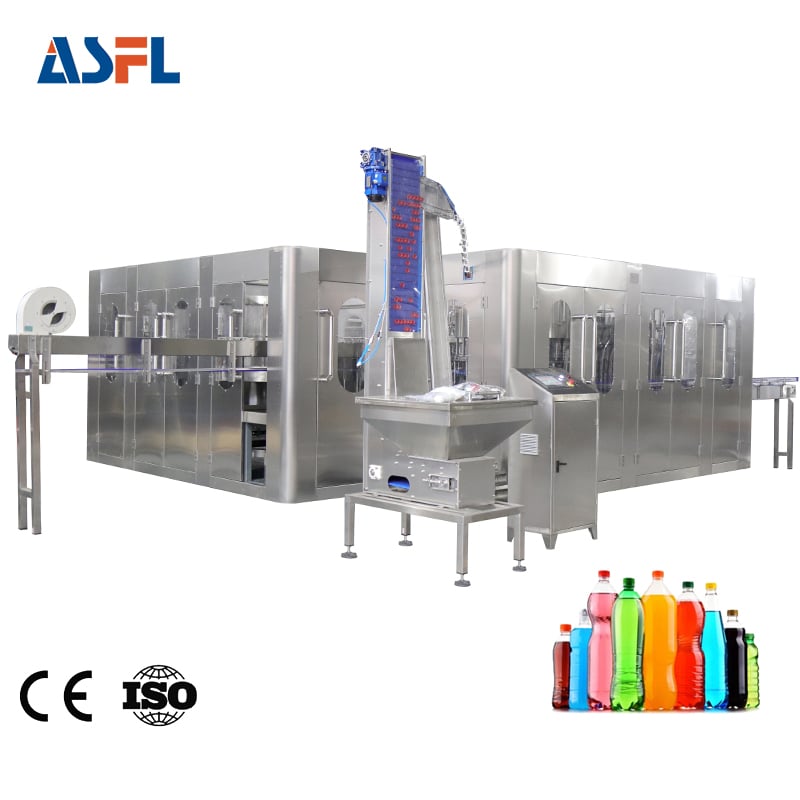
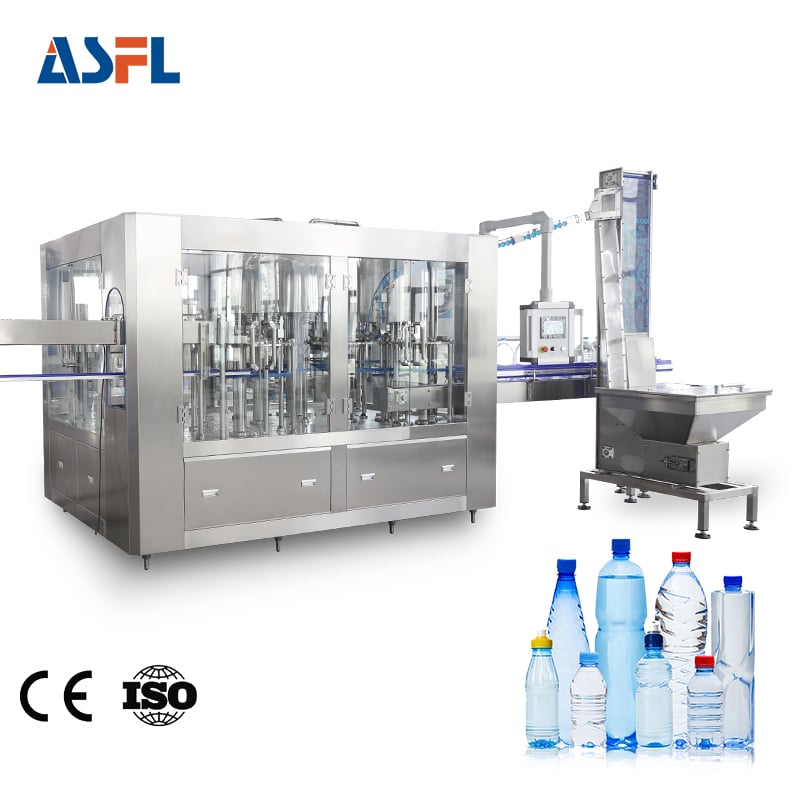
Packaging sparkling water, soda, energy drinks, and beer presents unique physical challenges compared to still water or non-carbonated juices. The primary challenge in carbonated beverage production is maintaining dissolved carbon dioxide (CO2) within the liquid throughout the packaging process. If atmospheric pressure drops suddenly during filling, dissolved gas rapidly breaks out of solution, leading to violent foaming, inconsistent liquid levels, and significant product loss. Incorporating isobaric filling technology into a high-speed carbonated beverage filler solves this physical hurdle by equalizing vessel pressure prior to liquid transfer. Operating as an advanced counter pressure filler, modern isobaric equipment stabilizes carbonation, reduces oxygen pickup, and guarantees precise dosing while complying with strict FDA, BRC, and ISO 22000 beverage safety standards.
Physics of Isobaric Filling: Henry's Law and Carbonation Stability
The core operational principle behind isobaric filling is grounded in Henry's Law of physical chemistry, which states that at a constant temperature, the amount of dissolved gas in a liquid is directly proportional to the partial pressure of that gas above the liquid.
When operating a standard atmospheric filler, liquid exposed to ambient air experiences an immediate drop in partial pressure. For carbonated drinks containing 2.5 to 4.2 volumes of dissolved CO2, this pressure differential forces carbon dioxide gas to escape instantly, producing uncontrollable foam.
An isobaric carbonated beverage filler eliminates this pressure differential through a four-phase mechanical process:
-
Evacuation and Pre-pressurization: The filling valve seals tightly over the container finish. Carbon dioxide gas is injected into the empty bottle until internal pressure matches the storage tank pressure (typically 2.0 to 4.5 bar).
-
Isobaric Liquid Transfer: Once internal bottle pressure and filler bowl pressure reach perfect equilibrium, the liquid valve opens. Liquid flows smoothly down the inner walls of the container driven solely by gravity or gentle mechanical assistance, preventing turbulence.
-
CO2 Venting and Level Balancing: As beverage liquid enters the container, displaced CO2 gas escapes back into the top header tank through a dedicated vent tube, keeping system pressure entirely constant.
-
Controlled Decompressing (Snifting): Before the bottle unseals, pressure inside the headspace is gradually vented down to atmospheric levels through micro-throttling snift valves, preventing sudden foam eruption upon release.
By maintaining constant pressure throughout dosing, the isobaric filling process preserves carbonation levels with absolute consistency, safeguarding flavor profiles and mouthfeel for consumer enjoyment.
Foaming Control and High-Speed Packaging Efficiency
Uncontrolled foaming is the leading cause of downtime and waste in beverage packaging plants. When foam forms inside the neck of a container, it forces the filling valve to close prematurely or leaks over the finish during transfer to the capping turret.
In high-throughput beverage operations running at 6,000 to 36,000 bottles per hour, even minor foaming causes catastrophic efficiency losses. Utilizing an isobaric counter pressure filler resolves foam formation by eliminating velocity spikes during liquid dispersion. According to engineering test data from ACE-FILLING bottling lines, adopting precision multi-stage snifting valves reduces product spillage caused by foaming from 3.2 percent down to less than 0.15 percent.
Furthermore, controlling foam creation allows a soda filling machine to operate at optimal temperatures (typically 2 to 6 degrees Celsius for soft drinks or up to 15 degrees Celsius for ambient carbonated lines using specialized CO2 pressure boosters). Higher filling temperature capability directly reduces refrigeration power consumption across the bottling facility.
Process Parameter Comparison: Isobaric vs. Atmospheric vs. Vacuum Filling
| Technical Parameter | Isobaric Counter Pressure Filling | Atmospheric Gravity Filling | Vacuum-Assisted Filling |
|
Applicable Products |
Carbonated soft drinks, sparkling water, beer, cider |
Still water, non-carbonated teas, juices |
High-viscosity liquids, spirits, non-foaming liquids |
|
Internal Pressure Range |
2.0 bar to 4.5 bar (Controlled CO2 pressure) |
Ambient Atmospheric Pressure (1.0 bar) |
Negative pressure (-0.2 to -0.6 bar) |
|
CO2 Retention Capability |
Extremely High (99.5 percent retention rate) |
Poor (Triggers rapid CO2 degassing) |
Unsuitable (Causes instant gas extraction) |
|
Foaming Risk |
Minimal (Controlled by multi-step snifting) |
Severe for carbonated liquids |
Extreme for dissolved gas liquids |
|
Dissolved Oxygen (DO) Pickup |
Low (< 30 ppb with pre-evacuation) |
High (Exposed to ambient air) |
Moderate |
Dissolved Oxygen Reduction and Shelf-Life Extension
Oxygen is the primary enemy of beverage quality and shelf life. When dissolved oxygen (DO) enters a carbonated beverage during packaging, it accelerates oxidation, degrades natural flavor compounds, causes discoloration, and shortens retail shelf life.
Advanced isobaric carbonated beverage filler designs incorporate double pre-evacuation technology prior to pressurization. Before CO2 is introduced, a high-vacuum pump evacuates 90 to 95 percent of ambient air from inside the bottle. A CO2 flush follows, and a second vacuum cycle removes residual oxygen.
This double-evacuation cycle ensures that total dissolved oxygen pickup during the filling cycle remains well under 30 parts per billion (ppb). Lower oxidation rates directly preserve product fresh taste and allow beverage brands to meet 12-month to 18-month shelf-life stability guarantees mandated by international retail distribution standards.
Factory Quality Control and Valve Calibration Procedures
Ensuring reliable performance from an isobaric soda filling machine requires stringent manufacturing standards and meticulous testing prior to deployment. Because isobaric systems operate under elevated pneumatic pressures, structural integrity and dynamic sealing are critical to preventing gas leakage or valve failure.
At certified machinery manufacturing facilities, every isobaric carbonated beverage filler undergoes intensive quality control steps:
-
Pressure Vessel Hydrostatic Testing: Filler header bowls are pressure-tested at 1.5 times maximum working pressure in compliance with PED and ASME boiler and pressure vessel codes.
-
Dynamic Valve Leakage Testing: Filling valves undergo high-speed pneumatic cycle tests to confirm zero gas or liquid leakage across 500,000 continuous activations.
-
In-Line CIP (Clean-In-Place) Sanitation Verification: Automated CIP cups seal against the filling nozzles to circulate hot caustic and sanitizing solutions at 85 degrees Celsius, verifying 100 percent microbial elimination to satisfy BRC and FDA food contact regulations.
By adhering to rigorous precision engineering standards, equipment suppliers provide beverage producers with reliable counter pressure filler platforms capable of continuous, heavy-duty operation with minimum maintenance overhead.
Conclusion
Isobaric filling is an absolute technical necessity when running a high-speed carbonated beverage filler. By equalizing pressure between the supply tank and the container prior to dosing, an isobaric soda filling machine prevents CO2 degassing, eliminates product foaming, preserves carbonation levels, and protects beverages from oxygen degradation. Whether bottling sparkling spring water, flavored carbonated soft drinks, or craft beer, investing in advanced counter pressure filler technology engineered by industry leaders like ACE-FILLING guarantees maximum line productivity, accurate filling volumes, and uncompromised beverage quality.
 Hot News








