 EN

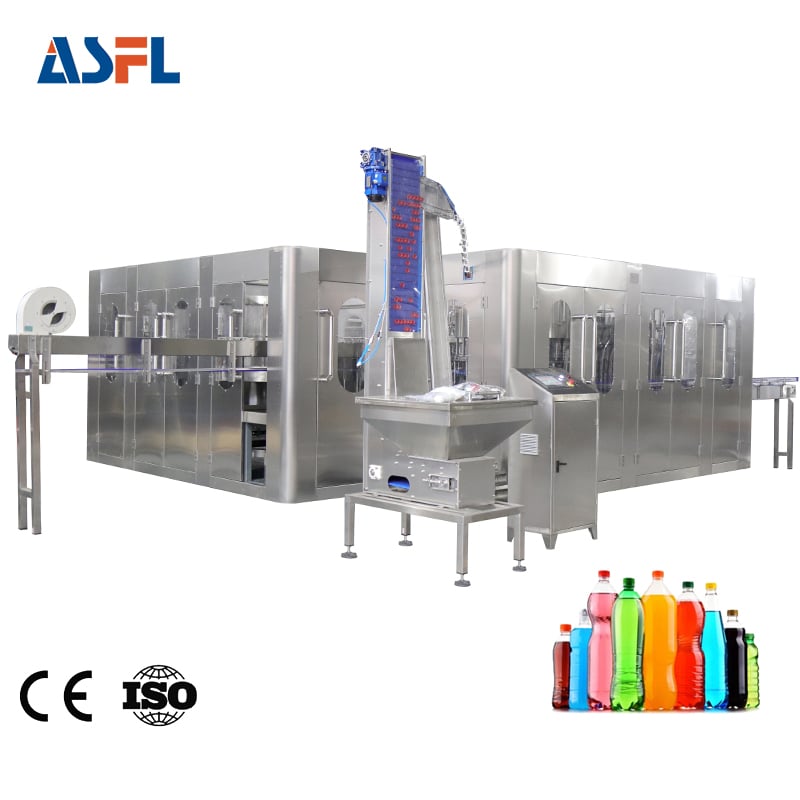
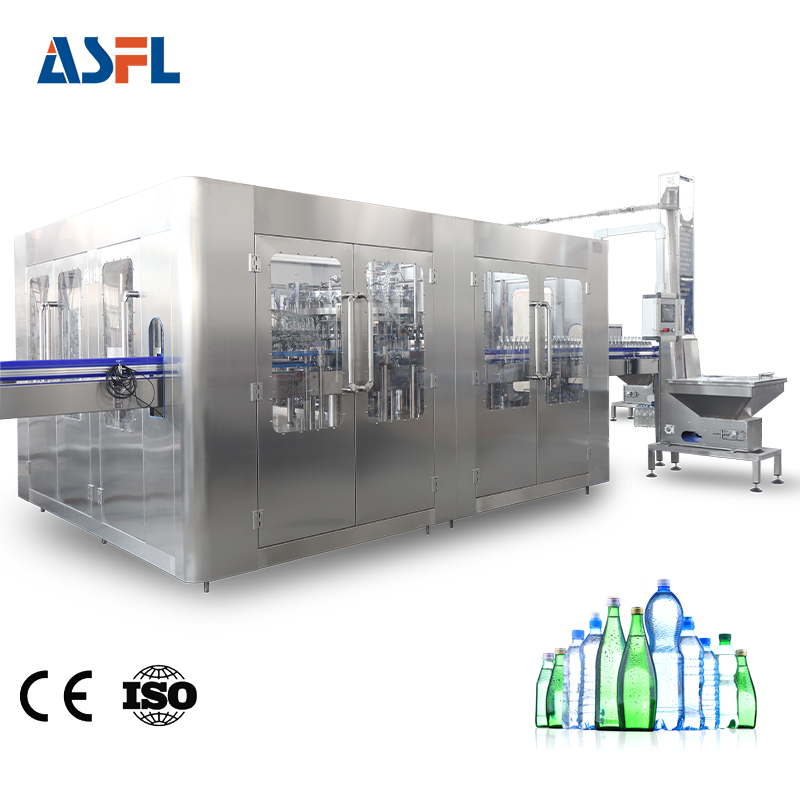
A special beverage formula rarely behaves like a reference sample. A drink may contain pulp, fiber, protein, sweetener systems, acids, carbonation, or heat-sensitive ingredients; its behavior can also change between the holding tank, the filler, and the sealed package. That is why a beverage filling line should be evaluated as a coordinated process, not as a filler chosen only by output rate.
From a packaging-line engineering perspective, the useful starting point is the formula, container, and target production rhythm. A customized beverage filling line can turn those conditions into a defined flow path, filling method, control logic, cleaning approach, and downstream handoff. It is not automatically the right choice for every launch, but it can give a better basis for validation when the product has operating conditions that a standard configuration does not address well.
Special formulas change the job of a beverage filling line
Water-like, still beverages are often relatively straightforward to convey and dose. A specialty drink may be different. Viscosity can affect product flow and fill repeatability. Suspended pieces or fibers can influence valve selection and product routing. Carbonated products may need controlled pressure conditions to manage foam, while oxygen-sensitive or temperature-sensitive recipes can add further process constraints.
These factors do not point to one universal machine. Instead, they create questions a beverage filling line must answer: How is the product supplied to the filler? Which filling principle suits its flow behavior? What liquid-contact parts must be accessible for cleaning? How will the container be positioned and transferred? What happens when the formula, package size, or production schedule changes?
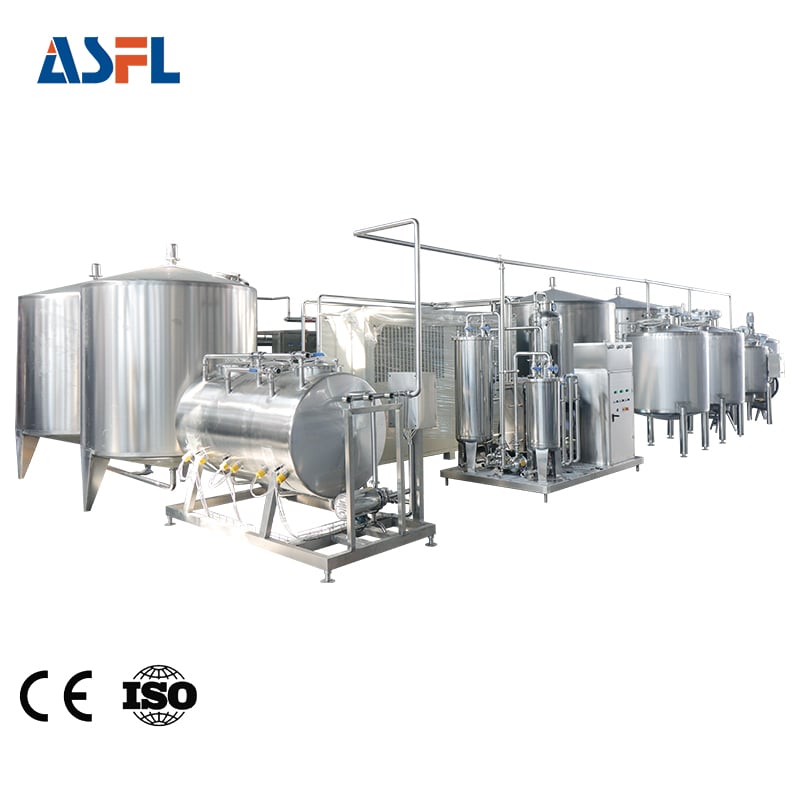
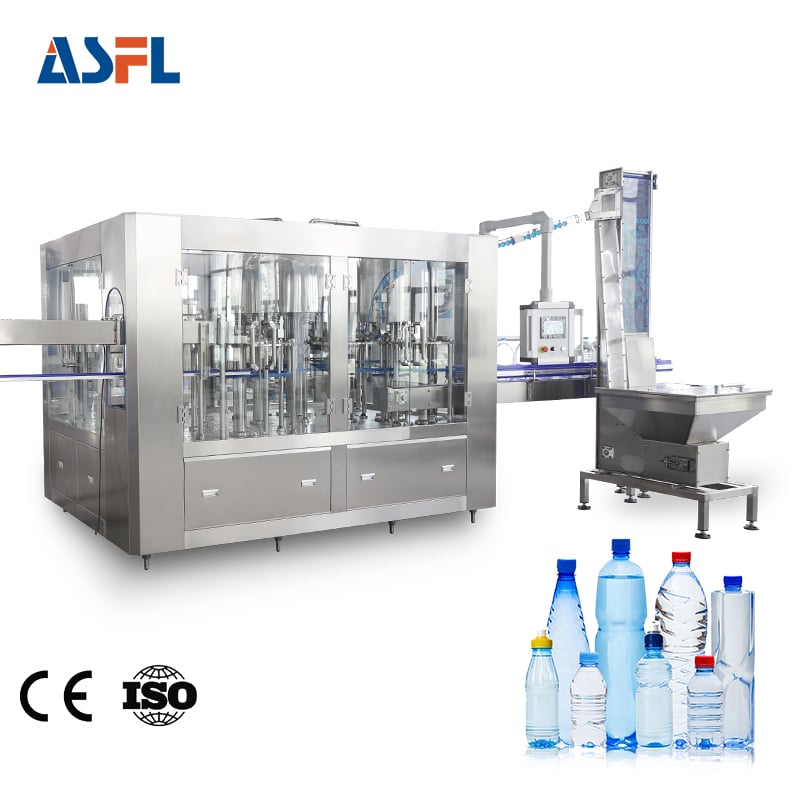
That distinction matters for a liquid filling line machine as well. The machine is part of a broader system that may include product preparation, buffer capacity, filling, capping or seaming, inspection, labeling, and conveying. A mismatch at a handoff point can limit a line even if the filler itself runs well during a short demonstration.
Where customization creates practical value
1. The filling method can match the product behavior
Customization begins with the relationship between the formula and the fill. Depending on the product and package, the engineering discussion may cover volumetric, flow-meter, gravity, piston, or pressure-based approaches. The important point is not to label one method as superior; it is to verify whether the selected approach can handle the product’s viscosity, foaming tendency, temperature, and required fill control under representative conditions.
For example, a line for a beverage with inclusions may need a flow path and valve arrangement that are assessed for the particle size and concentration actually expected in production. A line for a carbonated beverage may need to coordinate product pressure, container handling, and filling conditions. Building those checks into the customized beverage filling line specification is more useful than accepting an untested generic configuration.
2. Product-contact design and cleaning can be specified early
Special formulas often make sanitation and changeover central design questions. For facilities subject to U.S. food rules, 21 CFR 117.40 states that food-processing equipment must be adequately cleanable and maintained to protect against contamination and allergen cross-contact; it also addresses corrosion resistance and suitability of food-contact surfaces for their intended environment. The applicable regulations depend on the market, but the engineering lesson is broadly relevant: cleaning requirements should be considered before the line is built.
A customized beverage filling line can document the points that need review, such as material compatibility, drainability, access to contact areas, cleaning-cycle connections, and the separation of product and utility paths. It should not be assumed that a particular layout satisfies a plant’s compliance program. The buyer and supplier should verify the final design against the formula, cleaning chemicals, local requirements, and the facility’s sanitation procedures.
3. The container and closure become part of the configuration
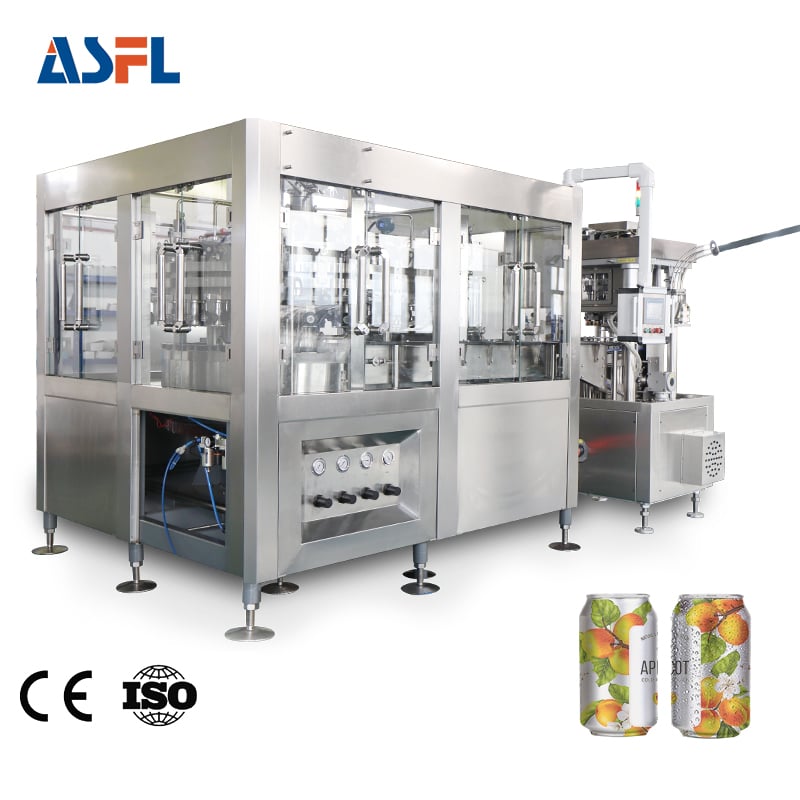
A filler does not work in isolation from the package. Bottle geometry, neck finish, can format, cap or closure type, label placement, and transport stability all affect the line. A customized setup can align guides, starwheels, container supports, closure handling, and inspection points with the real package rather than a nominal sample.
This is especially important when a product range includes multiple formats. Quick-change parts, recipe management, and verification steps may be worth discussing if changeovers are frequent. Conversely, if production is dedicated to one package, the specification can focus more tightly on stable operation for that exact format. In both cases, the objective is a clearer operating boundary, not an unsupported speed claim.
Why line integration matters more than a standalone filler
Search results for beverage filling equipment commonly describe a production line as synchronized equipment, and that is the useful way to frame a purchase. Product supply, container infeed, filling, closure application, inspection, and outfeed movement need compatible timing. A customized beverage filling line lets the project team identify these handoff points before installation.
- Upstream: confirm product temperature, holding time, pump behavior, and the handoff from preparation or treatment equipment.
- At filling: agree the representative formula, package, target fill condition, and acceptable observation criteria for a trial.
- Downstream: check closure, coding, inspection, labeling, accumulation, and conveying against the package and required rhythm.
- Utilities and controls: map cleaning connections, compressed air or gas requirements where applicable, safety interlocks, and data or recipe responsibilities.
Changing the question from “What speed can the filler reach?” to “How do the connected modules behave with this formula and package?” is often the more productive procurement step. It moves the discussion from a catalog comparison to a validation plan.
A practical specification checklist for a liquid filling line machine
Before requesting a proposal, assemble information that allows an equipment supplier to define boundaries rather than guess them. A practical brief for a liquid filling line machine can include:
- Formula profile: viscosity range, particulates or pulp, carbonation, acidity, temperature at fill, foaming behavior, and known sensitivity to shear or air exposure.
- Package details: drawings or samples for every bottle, can, cap, or closure that will run; include the planned format-change frequency.
- Production plan: target output range, batch pattern, shifts, anticipated future variants, and planned accumulation or buffer needs.
- Sanitation requirements: cleaning sequence, contact materials to review, cleaning media, allergen controls where relevant, and documentation expectations.
- Acceptance approach: the representative product, containers, trial duration, observations to record, and the responsible parties for confirming results.
These details help both sides distinguish essential configuration from optional complexity. They also make it easier to plan factory and site tests around meaningful conditions instead of only a water run or an empty-container demonstration.
When a standard configuration may still be suitable
Customization is not a requirement simply because a beverage is new. A standard beverage filling line may be a sensible starting point when the formula has stable, well-understood flow properties, the package is conventional, cleaning needs align with the available design, and the planned operating range is narrow. The key is evidence: match the proposed configuration to documented conditions and test what matters before committing to a final layout.
For special formulas, a custom approach is more persuasive when it addresses a specific source of uncertainty—such as particles, foam, sanitation, package handling, or line integration—and states how that item will be verified. That is a more durable reason to configure a system than adding features without a defined production need.
Conclusion: use customization to make the process testable
A customized beverage filling line is valuable because it can translate the formula and package into an explicit engineering scope. It connects product behavior, contact design, filling method, container handling, cleaning, and downstream timing in one project conversation. For a special beverage formula, that structure can make trials, acceptance criteria, and future changes easier to discuss.
Begin with the product and package data, then ask suppliers to explain the proposed boundaries, open questions, and validation steps. The right configuration is the one that can be checked against the actual beverage and operating conditions—not the one described with the broadest claims.

 Hot News








