EN
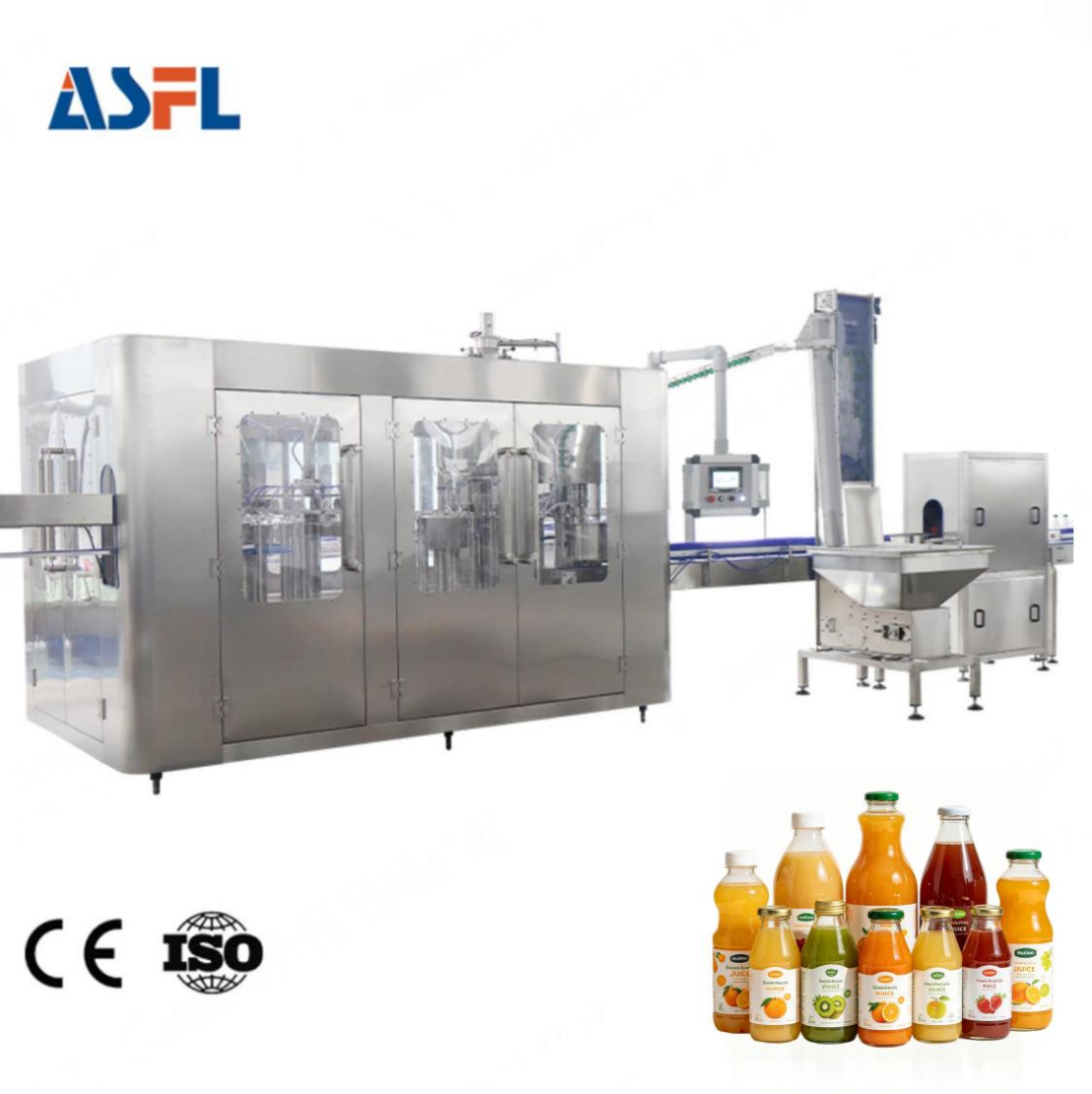
Shipping a beverage filling machine is not the finish line. For a production team, a beverage filling machine has to arrive ready for a disciplined installation, not as a collection of unresolved adjustments. A strict pre-shipment inspection turns the agreed scope into observable evidence: the mechanical build, controls, guards, cleaning access, and operating sequence are reviewed before the beverage filling machine is crated. That work does not replace site commissioning, but it gives both the supplier and buyer a clearer starting point.
From a line engineer’s view, the useful question is not whether a beverage filling machine ran once. It is whether it ran through the agreed checks under conditions that resemble the planned package, liquid, and throughput. This is especially relevant when a project includes a beverage can filling machine, where container transfer, fill control, seaming interfaces, and change parts must work as one process.
QC connects the purchase scope to the machine that ships
A quotation and layout explain intent; QC verifies what was built. Before a beverage filling machine is released, the inspection team can compare the equipment against approved drawings, utility requirements, container details, selected options, and the acceptance checklist. That comparison catches omissions while parts, engineers, and records are still at the factory.
Factory acceptance testing is commonly performed at the manufacturer’s location before shipment. Its practical value is the traceable link between customer requirements, test procedures, observed results, and open items. For a beverage filling machine, a written record avoids relying on memory when the beverage filling machine installation crew later asks why a setting, sensor, or change part was selected.
QC also forces useful distinctions. A dry run may show that drives and interlocks respond; a controlled product or water trial can reveal filling, transfer, drainage, or timing behavior. Neither observation should be described as proof that every future beverage will run at every speed. Instead, the record should state the tested conditions and the limits of the test.
What a pre-shipment beverage filling machine inspection should cover
1. Mechanical build and hygienic access
Inspect the frame, fasteners, weld finish where applicable, guards, adjustable guides, and access points before a beverage filling machine is packed. Check that components expected to be removable for service can be reached without creating an impractical maintenance task. Look at product-contact paths, seals, valves, hoses, and fittings against the approved configuration rather than assuming similar-looking parts are interchangeable.
This focus reflects a broader food-equipment principle in 21 CFR Part 117: equipment should be adequately cleanable and maintained, and food-contact surfaces should suit their intended environment and cleaning procedure. It is not a statement that any particular beverage filling machine meets a regulation. It is a reason to inspect cleanability, surface condition, drainage, and the accessibility of areas that operators will need to clean.
2. Functional sequence, controls, and safety devices
A useful test follows material flow. Confirm the sequence from infeed through beverage filling, discharge, and any downstream handoff. On a beverage filling machine, review sensor response, no-container/no-fill logic where specified, fault indication, emergency stops, guarding interlocks, manual controls, and reset behavior. The goal is not simply to make lamps turn on; it is to document that the specified sequence responds in a sensible and repeatable way.
For a beverage can filling machine, include beverage filling machine interfaces that can affect can handling: guides, starwheels or transfer devices where supplied, timing coordination, and the expected relationship with the closing or seaming section. If a downstream system is outside the supply boundary, note that boundary in the report. Clear scope language saves time during startup.
3. Filling performance under stated conditions
Run each beverage filling machine with an agreed test medium and package where feasible. Record the product type or test medium, container format, nominal fill target, test duration, line conditions, and samples taken. Review visible leaks, splashing, unstable container movement, and repeatability of measured results. Any speed shown during the trial should be tied to those conditions, since viscosity, carbonation, temperature, container geometry, and upstream supply can change real production behavior.
It is tempting to look only at the highest displayed speed. That is a common procurement trap. A beverage filling machine that is stable, accessible, and documented at the agreed test condition can be a more useful handover than one that briefly reaches a headline rate without a clear record of how it did so.
4. Electrical, pneumatic, and utility checks
Before shipping a configured beverage filling machine, verify that labels, cable routing, connectors, terminal identification, air preparation components, and utility connection points match the project documentation. Check for loose fittings, obvious air leaks, abrasive cable edges, or unprotected connections that could be damaged in transport. The inspection report should identify the power, air, water, or other utility assumptions the buyer must prepare on site.
Documentation makes QC usable after delivery
Photos and a signed checklist make a completed beverage filling machine inspection more useful to people who were not present. The package can include the equipment configuration, test conditions, instruments used for any recorded measurements, open-item list, electrical documentation, manuals, spare-parts information, and crating photos. These records support receiving inspection and make it easier to distinguish a shipping issue from a pre-existing adjustment item.
Open beverage filling machine open items should not disappear because shipment dates are close. For each item on a beverage filling machine, identify the issue, owner, target action, and whether it must be closed before dispatch or can be managed at site acceptance. A transparent list is more credible than a vague statement that everything is ready.
How buyers can participate without slowing the project
Give the beverage filling machine supplier a concise acceptance protocol early: package formats, beverage characteristics, target operating window, required utilities, safety expectations, and the people who may witness the test. Ask for the QC agenda before each beverage filling machine trial, then review the evidence against the agreed scope. Remote witnessing can work for selected checks when travel is impractical, provided videos, readings, and records are captured clearly.
For a beverage can filling machine, confirm early which can dimensions, lids, and handoff equipment are available for the trial. A test is most informative when the materials and boundaries are explicit. If actual packaging materials are unavailable, document the substitute materials and what remains to be verified at site.
A shipment decision based on evidence
Strict QC does not promise a frictionless commissioning phase. Site utilities, beverage filling machine operator training, product variation, and upstream or downstream integration still matter. What it does provide is a disciplined evidence trail before any beverage filling machine leaves the factory. That trail helps the buyer plan installation, helps the supplier close known items, and gives the commissioning team a shared reference when the beverage filling machine line arrives.
Before approving beverage filling machine shipment, ask a simple final question: does the beverage filling machine have documented results for the agreed scope, clearly assigned open items, and transport protection appropriate to its beverage filling machine components? If the answer is unclear, the most efficient time to resolve it is before the crate is sealed.
 Hot News