 EN

Why automatic liquid packaging machine needs dust proof design for beverage workshop
In a beverage workshop, an automatic liquid packaging machine does more than dose and close containers. It sits where open containers, caps, conveyors, operators, utilities, and cleaning activity meet. That makes dust-proof design a practical part of controlling contamination risk, protecting electrical components, and keeping cleaning work manageable. For a buyer comparing an automatic liquid packaging machine, the useful question is not whether a cover looks enclosed. It is whether the enclosure, seams, cable entries, ventilation, and service doors can support the actual hygiene plan for the room.
From a process-adaptation perspective, the answer depends on the beverage, the packaging format, and the workshop layout. A carbonated drink line, a juice line, and a water line may share some concerns, yet their exposure points and cleaning routines can differ. The following framework explains why dust-proof design deserves attention before a liquid packaging machine is specified.
Dust is a production-control issue, not only a housekeeping issue
Dust can originate from cartons, cap handling, label stock, floor traffic, dry ingredients in nearby areas, building works, and air movement around the line. When it settles on exposed surfaces, guards, sensors, or electrical cabinets, it can add cleaning time and obscure areas that operators need to inspect. Where packaging materials or product-contact zones are exposed, the issue becomes more serious: airborne particulate can become one of several sources that a site must assess in its contamination controls.
For example, the U.S. food CGMP framework in 21 CFR Part 117 calls for adequate ventilation or control equipment to minimize dust where it may contaminate food, packaging materials, or food-contact surfaces. That does not mean one enclosure design automatically satisfies every site or market requirement. It does show why dust control should be connected to a plant risk assessment rather than treated as cosmetic equipment trim.
In practice, a well-considered automatic liquid packaging machine helps the production team separate easy-to-clean exterior areas from guarded or enclosed areas that need planned access. The aim is to reduce avoidable accumulation and make inspection more repeatable.
Where dust-proof design matters on an automatic liquid packaging machine
1. The filling and container-transfer area
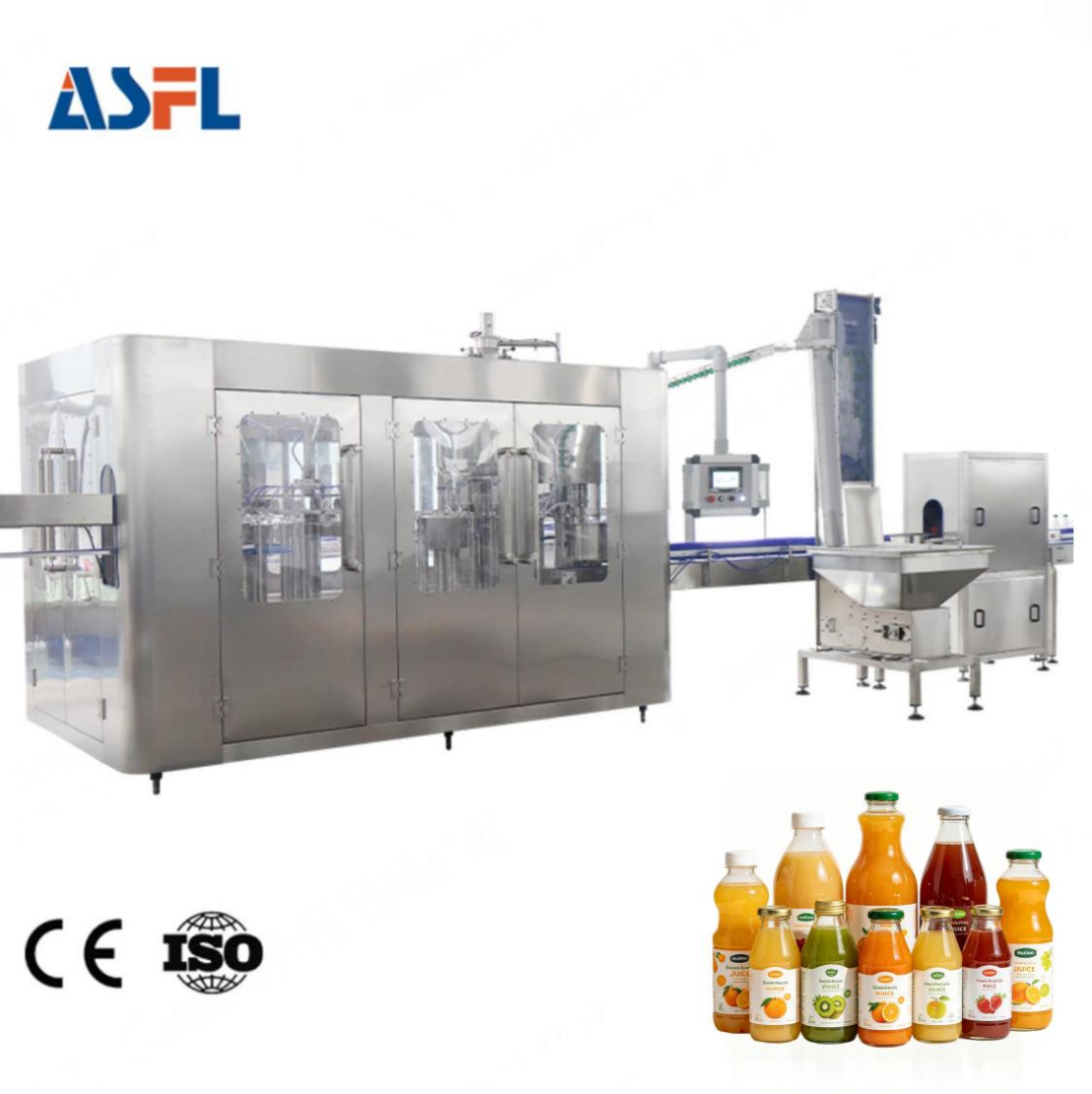
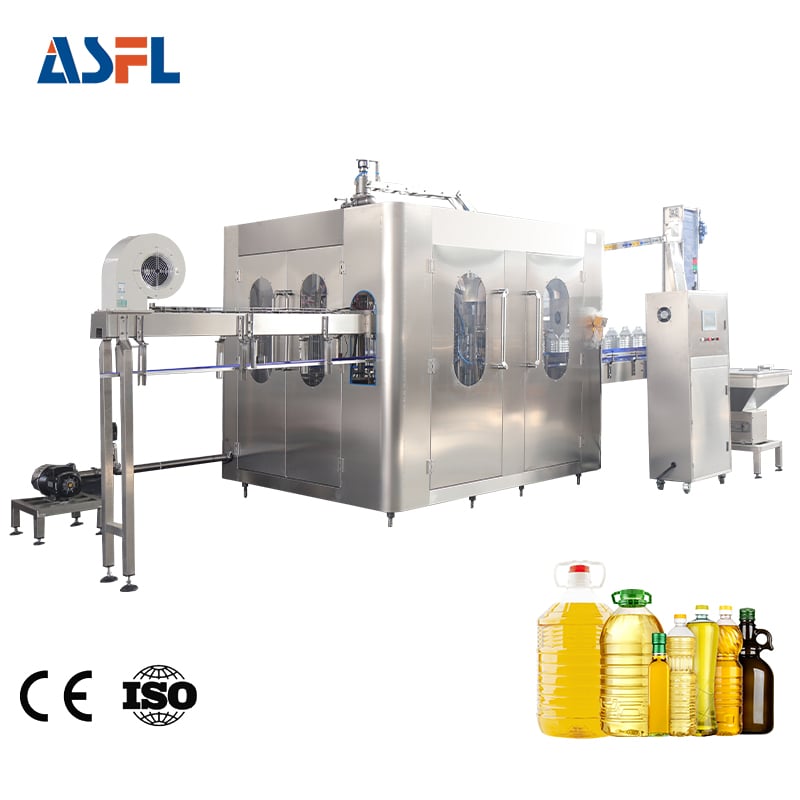
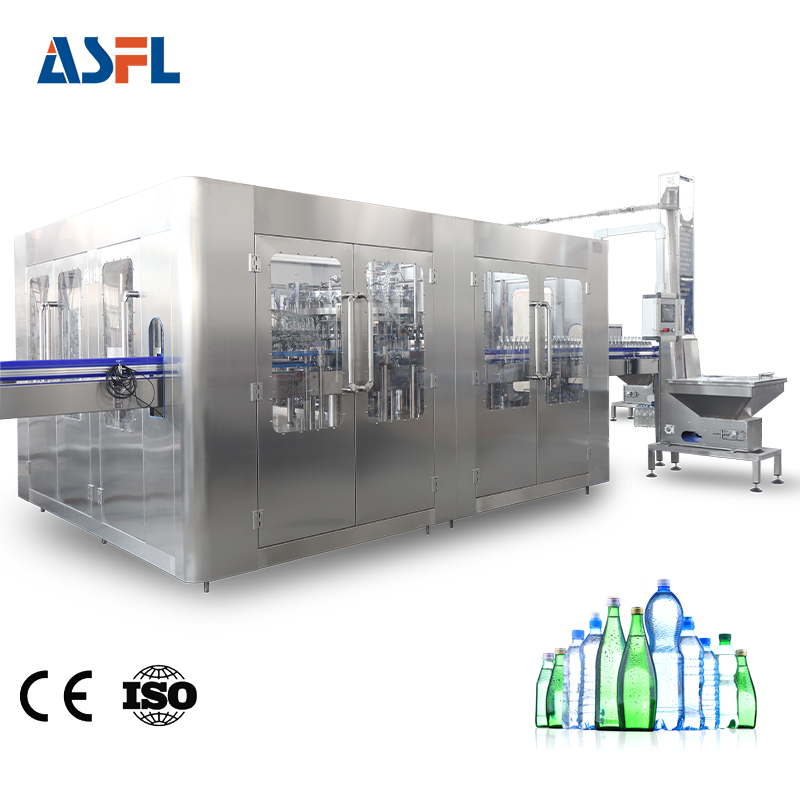
A filling zone may need shielding from overhead fallout and from dust carried by nearby movement, while still allowing safe observation of bottle transfer and nozzle operation. The right degree of guarding depends on the process. A completely closed solution is not automatically better if it makes cleaning, drainage, or access difficult. More precisely, buyers should ask which areas are protected, how they open, and what must be removed or cleaned between runs.
2. Electrical cabinets, sensors, and cable entries
Photoelectric sensors, drives, terminals, and connectors are vulnerable to a dusty environment even when they are outside the product path. A dust-proof cabinet arrangement, properly selected seals, and protected cable entry points can reduce nuisance faults and make fault finding less chaotic. For an automatic liquid packaging machine, ask how service staff inspect filters, gaskets, door seals, and cable glands. A sealed cabinet that cannot be serviced predictably may shift rather than solve the maintenance problem.
3. Conveyors and interfaces
Dust control should not stop at the filling enclosure. Conveyor transitions, cap feeds, rinser interfaces, and discharge points can move debris toward the machine. This is why an automatic liquid packaging machine should be reviewed as part of the line rather than as an isolated unit. A useful site walk follows the route of both bottles and airborne dust, then identifies where covers, extraction, partitioning, or revised traffic routes could reduce exposure.
Cleanability is the test of a good dust-proof design
Food equipment guidance consistently emphasizes cleanability and maintenance. Under 21 CFR Part 117, equipment used to manufacture, process, pack, or hold food must be designed and constructed so that it can be adequately cleaned and maintained to protect against contamination. For a beverage workshop, that principle turns into straightforward design questions:
- Are outer panels smooth enough to wipe down without trapping residue at sharp overlaps?
- Can operators reach behind guards, below frames, and around conveyor legs without unsafe disassembly?
- Do door edges, hinges, fasteners, and gasketed joints avoid creating hidden dust ledges?
- Can the line be cleaned without directing water or chemicals into electrical areas?
- Are access doors positioned so a technician can inspect a sensor or mechanism without opening unrelated zones?
Here it helps to separate two issues: hygienic construction is one, and dust exclusion from non-product electrical spaces is another. Both matter, but the final automatic liquid packaging machine design should be matched to the cleaning method, water exposure, product type, and local compliance obligations. Stainless steel alone is not an answer; the location of joints, the condition of surfaces, and the cleaning path matter as much as the material name.
Operational benefits beyond hygiene
Dust-proof design can also support steadier routine operation. Cleaner optical surfaces may make inspection easier. Protected controls can simplify preventive maintenance. Clearly defined access zones can reduce the tendency to open a large guard for a small adjustment. These are potential benefits; outcomes depend on the installation and operating conditions: they depend on installation, operator training, utilities, and maintenance discipline.
The same point applies to a liquid packaging machine that runs in a workshop with frequent format changes. If panels are difficult to remove, or if access is too restricted, rushed changeovers can create new cleanliness or safety problems. It is usually better to turn dust-proof expectations into an acceptance checklist than to rely on a broad request for “fully enclosed” equipment.
A buyer checklist for dust-proof configuration
Before selecting an automatic liquid packaging machine, prepare the following information for the supplier and review it together during technical discussions:
- Map the room: identify dry-material zones, carton handling, traffic paths, air supply and return points, and any construction dust sources.
- Define exposure: state when containers, closures, product-contact parts, or packaging materials are open to the room environment.
- Describe cleaning: clarify dry wipe-down, foam cleaning, rinse-down, or other methods, plus the expected cleaning frequency.
- Request access details: review drawings or demonstrations of doors, removable covers, cable entries, panel joints, and service clearances.
- Set test conditions: include visual cleanliness, accessibility, sensor inspection, and normal changeover tasks in the factory or site acceptance discussion.
This approach shifts the conversation from a single feature to an operating condition. An automatic liquid packaging machine should be evaluated alongside its upstream and downstream interfaces, because conveyor rhythm and room airflow can amplify problems that do not begin at the filler.
Choose a dust-proof design that can be verified
For beverage workshops, dust-proof design is valuable when it supports controlled exposure, practical cleaning, protected controls, and routine maintenance. It should not be sold as a universal guarantee against contamination or downtime. Instead, buyers can use a structured review of the automatic liquid packaging machine, the surrounding line, and the cleaning process to define a configuration that can be inspected and tested.
If you are planning a liquid packaging machine project, start by documenting the beverage, container, target output, cleaning method, and workshop dust sources. With those inputs, an equipment discussion can focus on verifiable covers, access points, enclosure boundaries, and maintenance tasks rather than on vague claims about protection.
 Hot News








