 EN

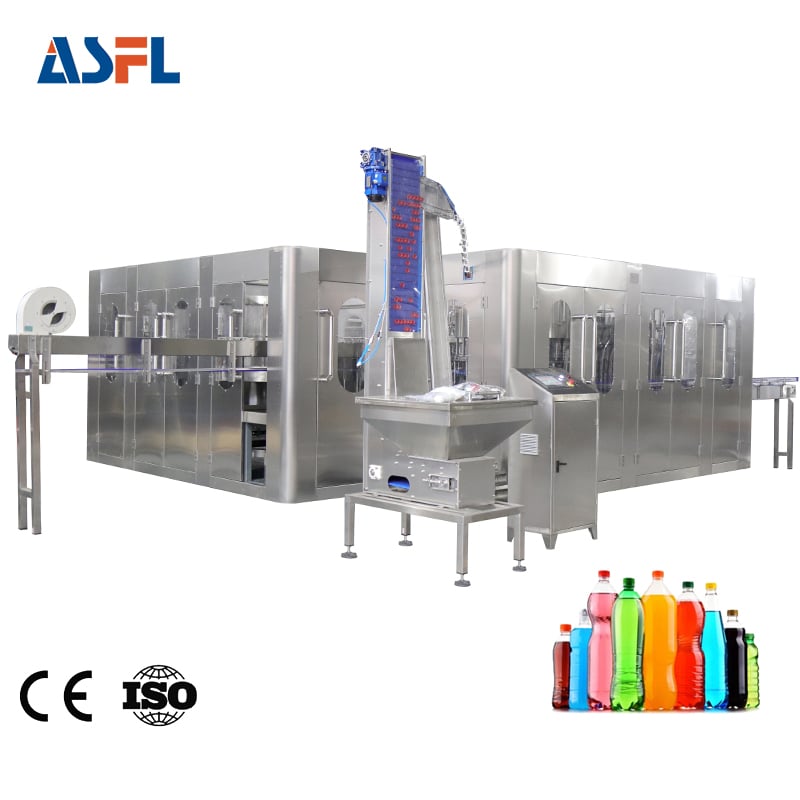
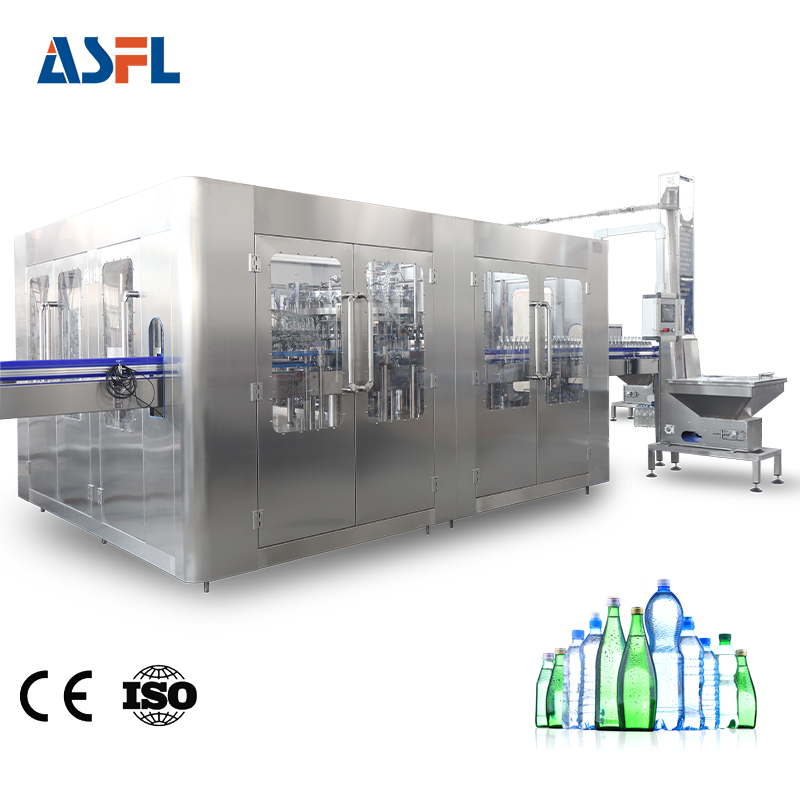
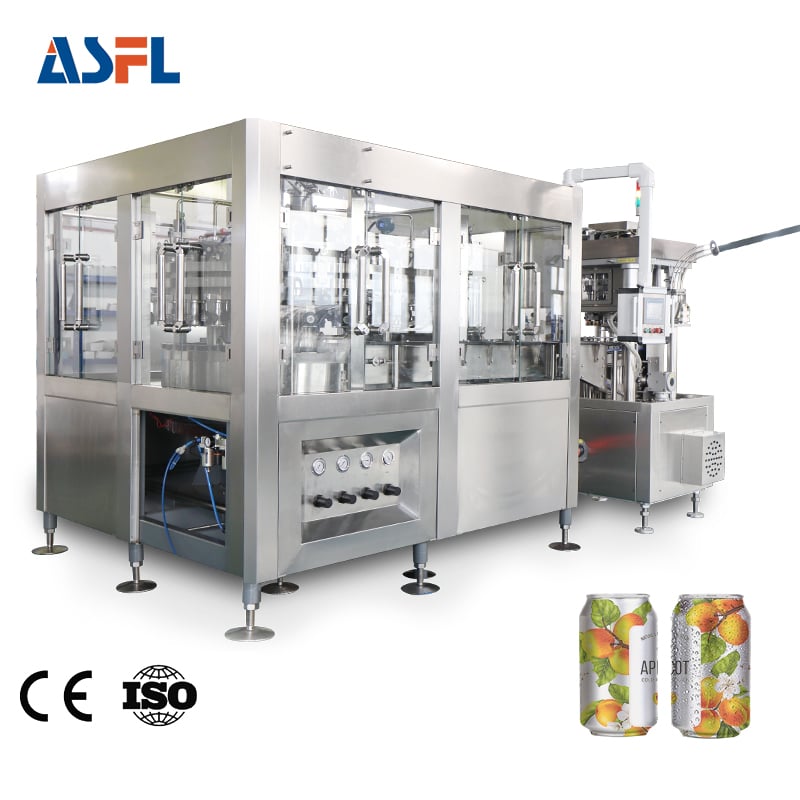
Producing stable carbonated soft drinks, sparkling waters, and craft sodas requires absolute mastery over thermodynamic equilibrium and fluid pressurization. When operating a high-speed soda filling and capping machine, one of the most frequent operational challenges plant engineers face is managing variable carbon dioxide (CO2) levels across different product formulations. If the counter-pressure inside the filling bowl and container headspace is incorrectly calibrated for a specific CO2 volume, the results are catastrophic: massive liquid fobbing (foaming) during filling, severe product giveaway, and under-carbonated retail bottles that fail consumer expectations. Industrial engineering specialists at
Understanding Henry Law and Carbonation Equilibrium
The fundamental science governing carbonated beverage packaging relies on Henry Law, which states that the amount of gas dissolved in a liquid is proportional to the partial pressure of that gas above the liquid in equilibrium. In a commercial bottling facility, carbonated water or syrup-blend beverages are chilled to low temperatures (typically between 2 degrees Celsius and 4 degrees Celsius) to maximize CO2 solubility.
When a container enters the filling zone of a soda filling and capping machine, the internal pressure of the container must match the saturation pressure of the liquid product before the fluid valve opens. If there is a pressure differential, gas will instantly break out of solution, triggering violent effervescence. Therefore, selecting the correct CO2 pressure settings requires establishing a precise balance between liquid temperature, filling bowl pressure, and saturation curves. Operators must never rely on guesswork; they must calculate required pressures using standardized carbonation charts to ensure consistent quality across every production shift.
Pressure Calibration Guidelines for Variable CO2 Volumes
Different beverage categories demand vastly different carbonation intensities, ranging from lightly sparkling flavored waters to highly effervescent energy drinks and club sodas. Each CO2 volume tier requires specific adjustments to the pressure settings on your carbonated beverage equipment.
-
Low Carbonation Tier (1.5 to 2.2 Volumes): Common in certain ciders, flavored teas, and light sparkling waters. These products require lower bowl pressures (approximately 0.15 MPa to 0.20 MPa) because lower gas volumes exert less breakout tendency during the filling cycle.
-
Medium Carbonation Tier (2.5 to 3.2 Volumes): Standard for colas, citrus sodas, and mass-market carbonated soft drinks. This tier requires balanced bowl pressures ranging from 0.22 MPa to 0.28 MPa to maintain steady liquid transfer without triggering premature fobbing.
-
High Carbonation Tier (3.5 to 4.5+ Volumes): Utilized for specialty seltzers, tonic waters, and high-energy beverages. These formulations demand elevated counter-pressures (0.30 MPa to 0.38 MPa) and chilling temperatures near freezing point to keep CO2 fully dissolved during high-speed dosing.
Failing to adjust CO2 pressure settings when switching product recipes on a soda filling and capping machine will cause either excessive gas loss or uncontrolled foaming that fouls container threads and prevents proper capping torque engagement.
Comparative Parameter Matrix of Carbonation Levels and Pressures
To assist plant operators and quality control technicians in establishing standard operating procedures (SOPs), the parameter matrix below outlines the recommended pressure configurations across different carbonation profiles.
| Carbonation Level Tier | Target CO2 Volumes | Product Temperature | Required Bowl Pressure | Snift Relief Ramp Time |
| Low Carbonation | 1.5 to 2.2 Volumes | 4.0 to 6.0 Deg C | 0.15 to 0.20 MPa | 0.5 to 0.8 Seconds |
| Standard Carbonation | 2.5 to 3.2 Volumes | 2.5 to 4.0 Deg C | 0.22 to 0.28 MPa | 1.0 to 1.5 Seconds |
| Ultra-High Carbonation | 3.5 to 4.5+ Volumes | 1.0 to 2.5 Deg C | 0.30 to 0.38 MPa | 2.0 to 2.8 Seconds |
As illustrated in the matrix, higher CO2 volumes require not only higher initial counter-pressures but also slower, more gradual snift pressure relief ramps to allow dissolved gas to settle peacefully within the container headspace.
Tuning Snift Valves and Managing Pressure Let-Down Phases
Even with perfect counter-pressure initialization, improper pressure release during the snift phase of a soda filling and capping machine can ruin an entire batch. The snift valve is responsible for transitioning the pressurized container back to atmospheric pressure after liquid transfer is complete.
If the snift sequence is executed too rapidly, the sudden drop in pressure causes carbon dioxide molecules to nucleate instantly around microscopic imperfections on the inner container wall, creating a geyser of foam that overflows the bottle neck. Modern carbonated beverage equipment incorporates multi-stage programmable snift channels and precision mechanical cams that bleed off headspace pressure in controlled, progressive steps. Fine-tuning these pressure let-down ramps ensures that the liquid meniscus stabilizes instantly, leaving a clean, dry sealing surface ready for immediate crown cork or screw cap application.
Quality Assurance Protocols and Regulatory Compliance
Maintaining tight control over carbonation parameters is also a vital requirement for meeting international food safety and quality frameworks, such as ISO 22000, FDA regulations, and HACCP guidelines. Automated pressure transducers and inline digital carbonation meters integrated into advanced systems continuously monitor bowl pressure and dissolved CO2 in real time.
If pressure fluctuations exceed preset tolerance limits, the control system logs the deviation and triggers automated corrective actions, preventing defective, under-carbonated products from reaching secondary packaging. Transparent data logging ensures full traceability, making third-party facility audits straightforward and protecting the brand from costly commercial recalls.
Conclusion and Expert Engineering Support
Mastering the selection of CO2 pressure settings on a soda filling and capping machine is essential for maximizing production yield, eliminating liquid fobbing, and delivering consistent beverage quality to retail markets. By understanding the thermodynamic principles of carbonation, calibrating counter-pressures to match specific gas volumes, and optimizing snift release profiles, plant managers can achieve seamless operational efficiency. To explore advanced carbonated beverage equipment solutions, custom rotary filling turrets, and expert engineering support tailored to your facility, consult the specialists at
 Hot News








