 EN

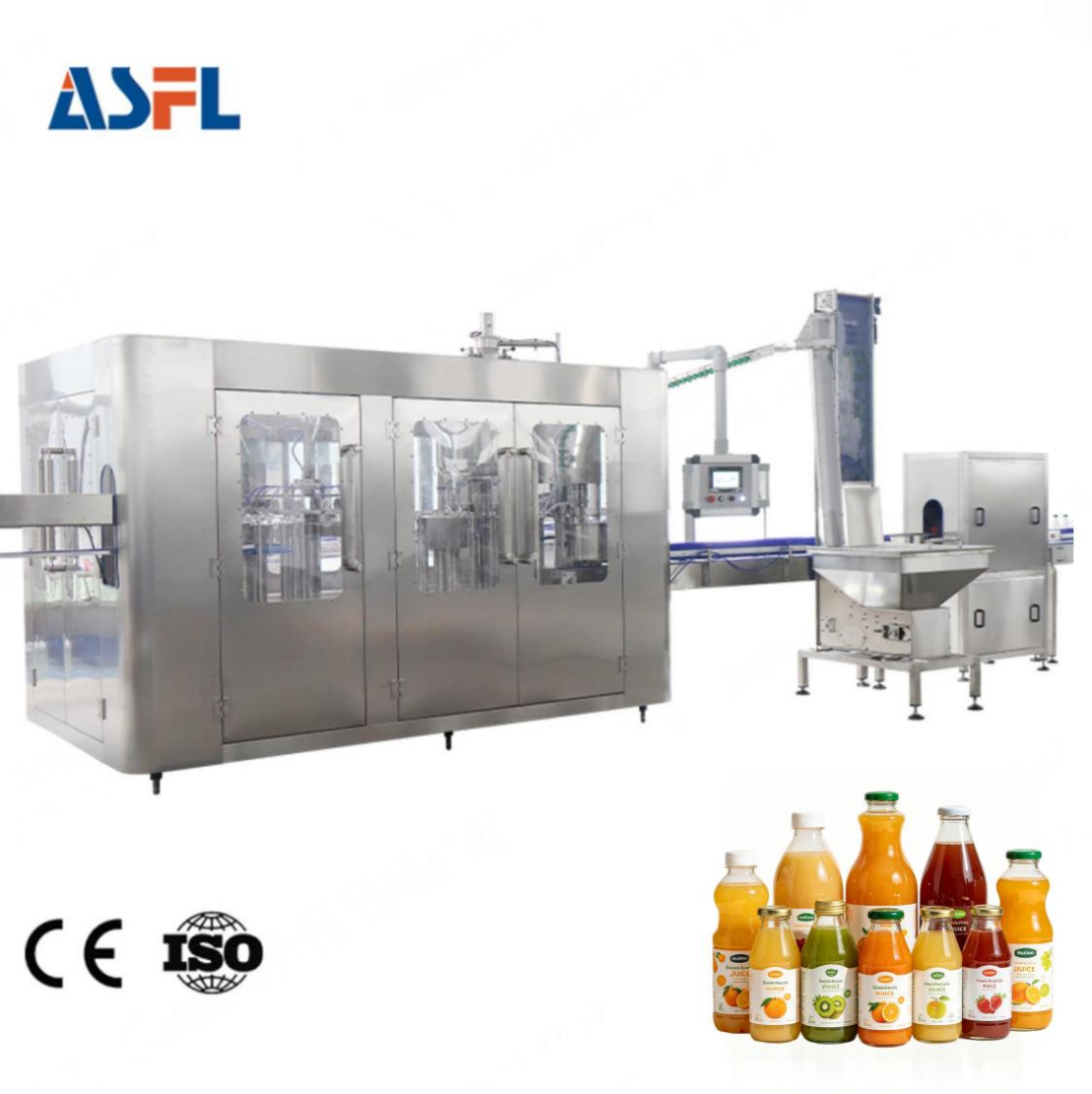
Selecting the ideal juice bottle filling machine requires evaluating fluid rheology, thermal sterilization requirements, container geometry, and sanitation compliance. Unlike clear water packaging, juice processing involves variable pulp viscosity, natural acids, and heat-sensitive vitamin retention. Installing inappropriate juice filling equipment leads to volumetric inaccuracies, seal degradation, thermal distortion of PET bottles, and excessive downtime during clean-in-place (CIP) cycles. Factory managers must align mechanical dosing mechanisms with product shelf-life requirements to achieve a reliable operational framework. Investing in a robust juice packaging machine ensures long-term operational productivity while safeguarding taste profile and microbiological safety.
This technical buyer guide breaks down the critical engineering factors, fluid mechanics, material standards, and operational parameters necessary to select the right juice bottle filling machine for commercial processing facilities.
Product Characteristics: Viscosity, Pulp, and Thermal Regimes
The chemical and physical properties of the liquid serve as the baseline criteria for specifying a juice bottle filling machine. Juice formulations range from low-viscosity clarified apple juice to dense pulpy orange juice and viscous mango nectars.
-
Fluid Viscosity and Particle Size: Standard gravity valves struggle with suspended fibers and pulp particles above 0.5 mm, which cause nozzle clogging and dripping. High-pulp formulations require plunger-actuated piston valves or magnetic flowmeter valves in your juice filling equipment to maintain precise volumetric accuracy without crushing pulp sacs.
-
Hot Filling vs. Cold Aseptic Filling: Hot filling requires dosing liquid at 85°C to 92°C to achieve commercial sterility inside the container. This thermal regime demands specialized heat-resistant SUS316L valve assemblies and thermal-expansion-compensated seals within the juice packaging machine. Conversely, cold aseptic lines operate at ambient temperatures but demand isolator enclosures and sterile air filtration systems.
For comprehensive architectural strategies regarding full plant integration and multi-line layouts, review our foundational [Liquid Packaging Line Pillar Guide].
Machine Specification Matrix: Technology Comparison
Selecting an optimal juice bottle filling machine depends on matching valve technology to specific production requirements. The comparative matrix below outlines key engineering trade-offs across common filling valve mechanisms used in commercial juice filling equipment.
| Technical Selection Metric | Magnetic Flowmeter Filling Valve | Mechanical Piston Filling Valve | Gravity / Pressure Overflow Valve |
| Primary Juice Application | Clear Juices, Low-Pulp Blends | Thick Nectars, High-Pulp Juices | Clarified Juices (Non-Pulp) |
| Volumetric Accuracy | Very High (+/- 0.2%) | High (+/- 0.5%) | Moderate (+/- 1.5 mm fill level) |
| Pulp Handling Capacity | Up to 3.0 mm Fiber Length | Up to 10.0 mm Pulp Sacs | Zero Pulp (Clear Liquid Only) |
| Thermal Compatibility | Up to 95°C (Hot Fill Ready) | Up to 90°C (Requires High-Temp Seals) | Up to 85°C |
| CIP / SIP Integration | Fully Automated (No Moving Wear Parts) | Manual Disassembly or Assisted CIP | Semi-Automated CIP |
| Capital Investment Level | Premium / High Efficiency | Medium to High | Cost-Effective / Entry Level |
Selecting an advanced juice packaging machine configured with flowmeter technology eliminates physical valve contact with the bottle neck, reducing container breakage and wear on mechanical components.
EEAT Compliance, Sanitary Construction, and Material Standards
Food safety regulations require beverage manufacturers to adhere to strict hygienic manufacturing practices. A commercial juice bottle filling machine must comply with international standards such as FDA Title 21 CFR, EHEDG sanitary guidelines, and ISO 22000 food safety management protocols.
1. Metallurgy and Contact Surface Finishes
Acidic juice beverages (pH 2.5 to 4.2) accelerate metal corrosion if low-grade stainless steel is utilized. All liquid contact components in high-performance juice filling equipment manufactured by ACE-FILLING utilize food-grade SUS316L stainless steel with internal surface roughness Ra < 0.4 µm. This smooth mirror finish prevents pulp entrapment, micro-biological bio-film accumulation, and citric acid pitting corrosion over decades of continuous operation.
2. Automated CIP / SIP Sanitation Cycles
Minimizing batch changeover time requires automated Clean-In-Place (CIP) recirculation loops. An advanced juice packaging machine features automated CIP dummy cups that clamp over filling nozzles during wash cycles. Caustic wash solutions at 85°C, followed by peracetic acid sanitizing rinses, circulate through all fluid channels at velocity rates exceeding 1.5 m/s to guarantee total sterile assurance.
3. Container Integrity and Thermal Panel Handling
During hot fill applications, PET containers experience thermal softening. A professionally engineered juice bottle filling machine uses neck-handling starwheel transfer grids and synchronized capping heads to prevent axial crushing. Additionally, integrating an inverted bottle tipping conveyor sterilizes the cap liner before bottles enter the cooling tunnel.
To learn how thermal stabilization and cooling tunnel zoning boost overall line OEE, read our focused technical guide on [How to Optimize Efficiency Across an Automated Juice Filling Line].
Upstream and Downstream Equipment Integration Factors
A juice bottle filling machine cannot operate in isolation; it functions as the central node of an integrated bottling architecture. Unsynchronized line speed creates thermal fluctuations and product loss.
-
Upstream Pasteurizer Interlocking: The juice filling equipment must maintain real-time signal exchange with the tubular pasteurizer or UHT unit. If bottle feed jams occur downstream, the filler automatically initiates a low-flow thermal bypass mode to prevent juice scorching in the heat exchanger holding tube.
-
Container Versatility and Quick-Change Starwheels: Modern plants process multiple bottle sizes (e.g., 250 mL to 1.5 L) and container materials (PET, Glass, HDPE). Selecting a juice packaging machine with tool-less starwheel change parts and motorized filler bowl height adjustment reduces changeover downtime from hours to under 20 minutes.
-
Downstream Labeling Compatibility: Hot-filled PET bottles exhibit subtle neck dimensions and vacuum panel flex after cooling. Ensure the filler delivers dry, moisture-controlled bottle exteriors so downstream roll-fed sleeve labelers achieve perfect label placement.
Conclusion: Making the Right Equipment Investment
Choosing the correct juice bottle filling machine requires balancing fluid rheology, sanitary material selection, thermal pasteurization parameters, and line-wide automation control. By selecting state-of-the-art juice filling equipment constructed with SUS316L fluid channels, electromagnetic flow valves, and automated CIP loops, beverage producers safeguard product taste and compliance with global FDA standards. Investing in a high-precision juice packaging machine ensures minimal product giveaway, maximum uptime, and long-term profitability across high-demand beverage production lines.

 Hot News








