 EN

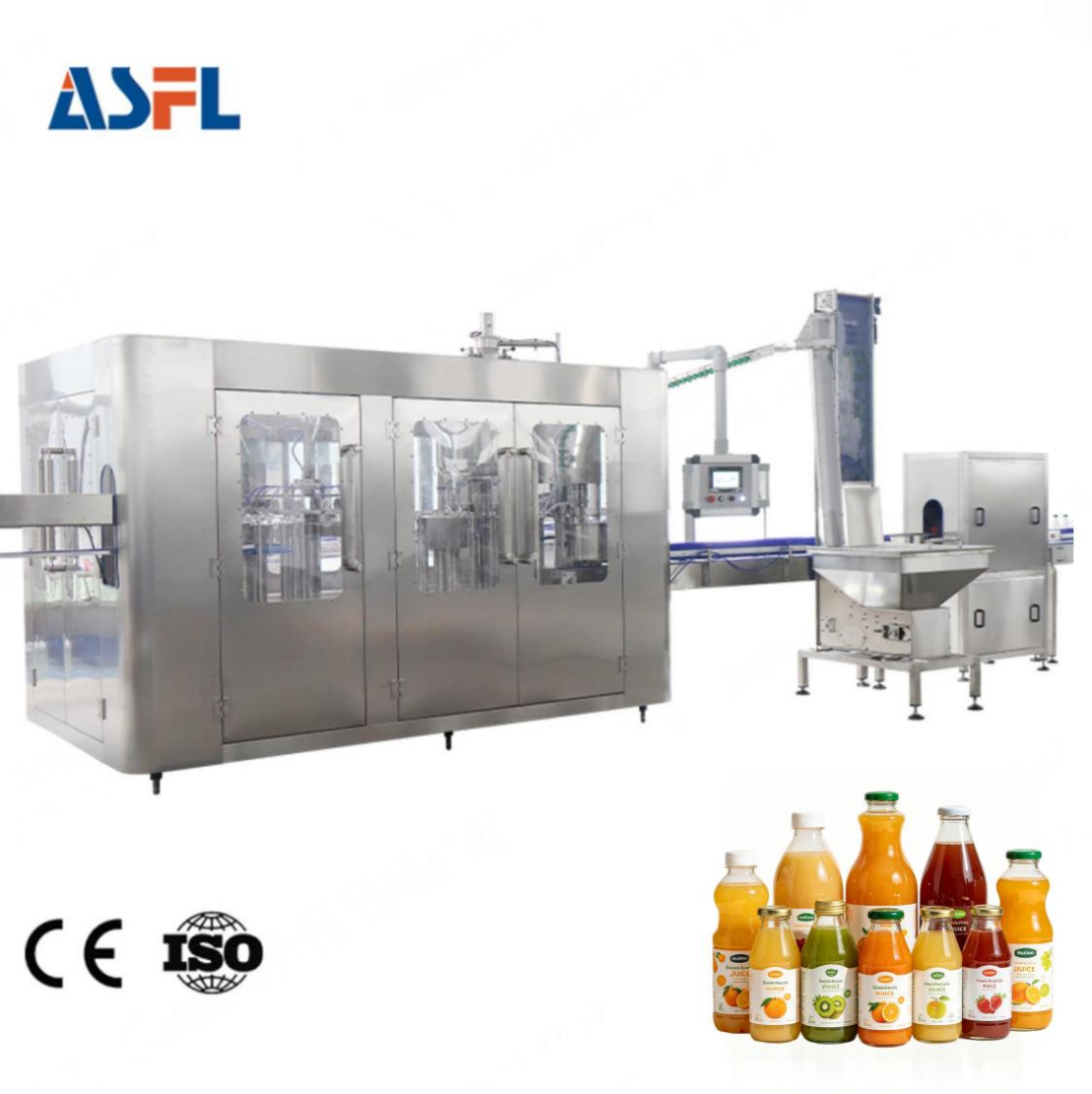
Maintaining peak Overall Equipment Effectiveness (OEE) across a high-speed automated juice filling line requires precise control over thermal dynamics, fluid viscosity shifts, sanitation intervals, and container transfer stability. Juice processing presents unique engineering challenges compared to standard water packaging due to pulp content, micro-biological pasteurization requirements, and thermal shrinkage risks in PET containers. When plant engineers upgrade a juice bottling machine, focus must shift from pure mechanical speed to integrated line balancing and line-wide bottleneck reduction. Operating a modern hot fill juice packaging setup demands strict adherence to thermal holding zones, automated CIP integration, and coordinated sensor feedback loops to prevent costly product waste and unscheduled downtime.
This technical guide analyzes real-world operational bottlenecks and provides actionable engineering strategies to optimize efficiency across an automated juice filling line while maintaining regulatory product safety standards.
Understanding Thermal Dynamics and Viscosity Bottlenecks
Thermal holding stability is the primary variable affecting efficiency on a high-temperature juice bottling machine. Most hot-fill juice products require dosing temperatures between 85°C and 92°C to ensure commercial sterility within the container without relying on chemical preservatives.
-
Temperature Loss Mitigation: If the product temperature drops below 85°C during a momentary line pause, an automated 3-way diversion valve must redirect the juice back to the pasteurizer balance tank. While this prevents unpasteurized product from reaching bottles, frequent recirculation cycles degrade product flavor, consume extra heating energy, and lower overall throughput across the automated juice filling line.
-
Viscosity Variations in Pulpy Juices: Citrus juices with pulp fibers or heavy nectar blends alter fluid friction within filling valves. Utilizing a non-contact magnetic flowmeter or positive displacement valve within your juice bottling machine ensures volumetric fill precision regardless of pulp distribution, eliminating fill-level variation and secondary manual adjustments.
Engineers seeking broader equipment sizing strategies across multi-product beverage factories can consult our overarching [Liquid Packaging Line Pillar Guide].
Key Operational Parameters Comparison
Optimizing an automated juice filling line involves balancing speed, pasteurization safety, and container integrity. The parameter matrix below outlines standard benchmark parameters for high-efficiency hot fill juice packaging configurations compared to lower-speed conventional filling systems.
| Line Performance Metric | High-Efficiency Automated Juice Filling Line | Standard Conventional Juice Packaging |
| Filling Temperature Range | 85°C - 92°C (Precision PID controlled) | 70°C - 80°C (Requires preservatives) |
| Target Line OEE Benchmark | 88% - 94% Operational Uptime | 65% - 75% Operational Uptime |
| Container Handling Compatibility | Heat-resistant PET / Glass / HDPE | Standard PET / Light-weight Glass |
| Sanitation Protocol | Automated 3-Stage CIP / SIP (Sterilization-in-Place) | Semi-automated / Manual Rinse |
| Vacuum Panel Compensation | Integrated Inverted Bottle Tipping & Cooling Tunnel | External Spray Cooling Only |
| Fill Level Accuracy | +/- 1.0 mL via Electromagnetic Flow Valve | +/- 3.0 mL via Mechanical Vent Tube |
Correctly configuring your juice bottling machine based on these operational parameters ensures continuous high-speed performance across all shift cycles.
EEAT Sanitation Standards and CIP Efficiency Protocols
Maintaining commercial sterility across a hot fill juice packaging facility requires rigorous compliance with international food safety frameworks, including FDA Title 21 CFR Part 114 for acidified foods and BRCGS global standards for food packaging. Hygienic machine construction and automated Clean-in-Place (CIP) execution directly impact both product shelf life and daily line availability.
1. Automated Clean-in-Place (CIP) Optimization
Sanitation downtime directly reduces line output. ACE-FILLING implements advanced 3-stage CIP systems with automated dummy cup positioning on every automated juice filling line. By automating the attachment of CIP return cups over the filling nozzles, operators eliminate 30 to 45 minutes of manual setup per sanitation cycle. Utilizing caustic wash steps at 80°C followed by ozone or peracetic acid sanitizing rinses ensures complete bio-film elimination inside the juice bottling machine manifold without degrading fluid seals.
2. Thermal Inversion and Container Vacuum Control
In hot fill juice packaging, the neck finish and cap interior must be sterilized by the hot liquid itself immediately after capping. Integrating an automated cap-sterilizing tipping mechanism tilts the container by 90 degrees for 15 to 30 seconds. This step guarantees that the hot juice contacts all inner cap surfaces, eliminating mold spores without requiring chemical sprays.
Following thermal inversion, bottles enter a multi-stage cooling tunnel. Gradual temperature reduction prevents thermal shock in glass and mitigates panel deformation in heat-set PET containers. Precise temperature zoning in the cooling tunnel preserves internal vacuum levels while keeping line speeds balanced.
For a deeper dive into cold aseptic filling versus thermal pasteurization methods, read our comparative technical article on [Aseptic vs Hot Fill Juice Packaging].
Preventing Line-Wide Mechanical Bottlenecks
An efficiency breakdown on an automated juice filling line rarely originates solely from the central filler. Upstream blow molding and downstream labeling or shrink wrapping equipment must operate in synchronized electronic pitch.
-
Variable Frequency Drive (VFD) Synchronization: Utilizing centralized PLC controls with optical sensors allows upstream conveyors to auto-adjust speed based on filler bowl levels. If the downstream roll-fed labeler encounters a reel-change pause, the juice bottling machine automatically ramps down smoothly rather than stopping abruptly, preventing thermal fluid shock in the filling manifold.
-
Anti-Foaming Valve Nozzle Design: High-speed juice filling can induce micro-foaming if fluid velocity creates air entrainment. Implementing bottom-up filling nozzles with screens optimized for hot fill juice packaging prevents air entrapment, allowing instant capping without waiting for surface foam to settle.
-
Pneumatic Air Handling in Bottle Feeds: PET containers designated for hot filling possess heavier neck finishes and rigid base panels. Maintaining positive pressure HEPA air filtration channels during bottle feeding stops airborne particulate contamination before containers enter the rotary rinsing turret of the automated juice filling line.
Conclusion: Achieving Sustainable Line Efficiency
Maximizing operational efficiency across an automated juice filling line requires integrating precise thermal controls, automated CIP sanitation, and seamless conveyor synchronization. By upgrading to a state-of-the-art juice bottling machine equipped with electromagnetic flow valves and automated bottle tipping mechanisms, beverage manufacturers can maintain rigorous hot fill juice packaging standards while driving OEE metrics beyond 90%. Aligning robust mechanical engineering with international sanitary protocols ensures long-term container integrity, zero microbiological recalls, and optimal return on investment for your production facility.
 Hot News








