 EN

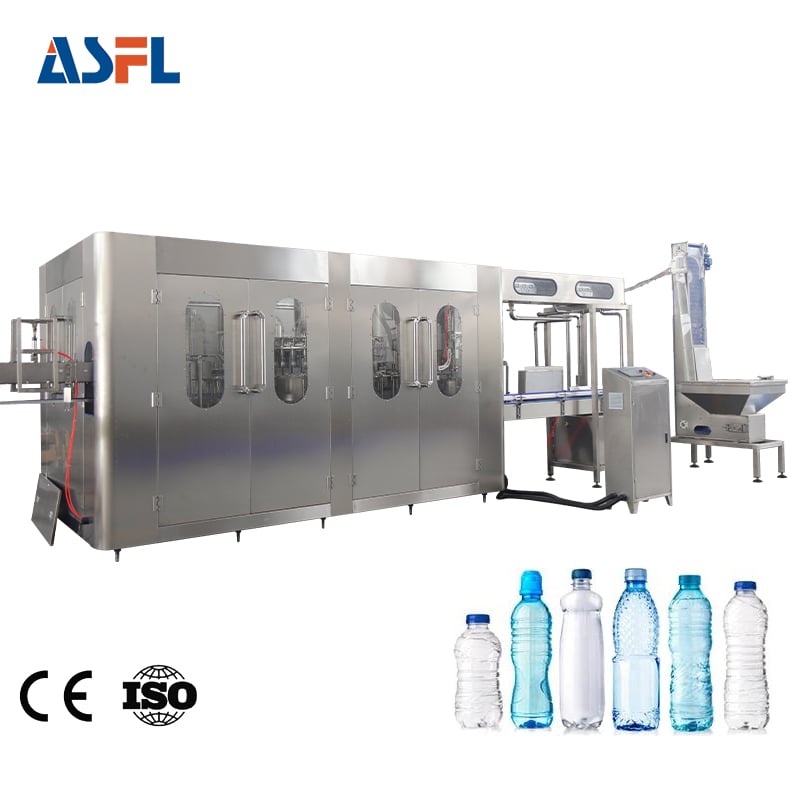
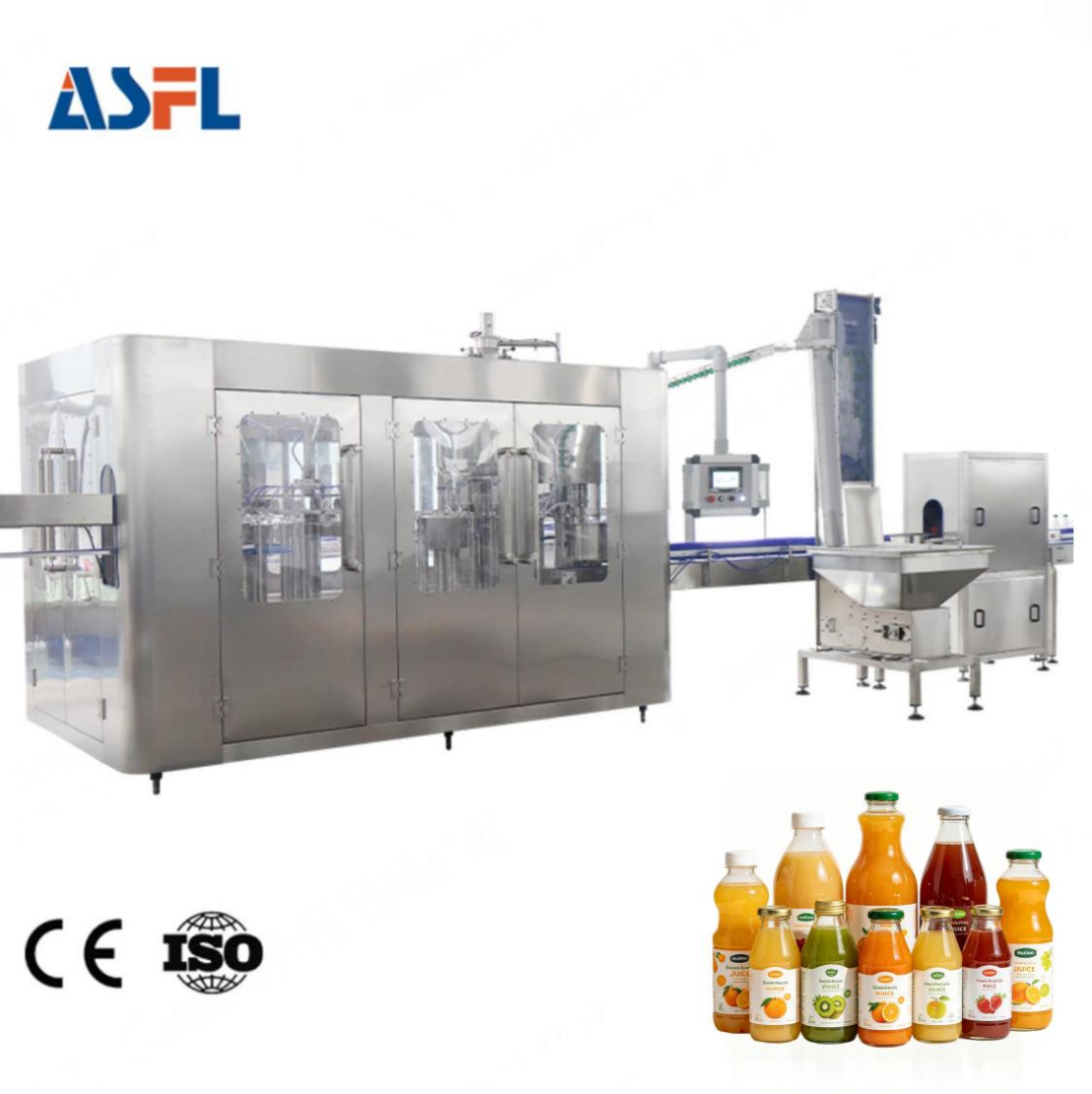
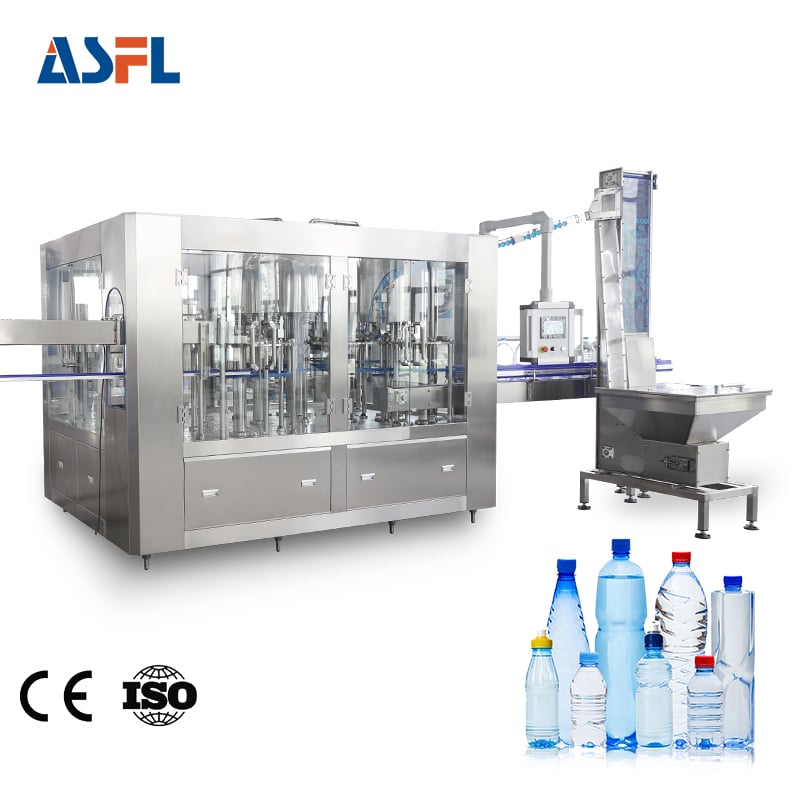
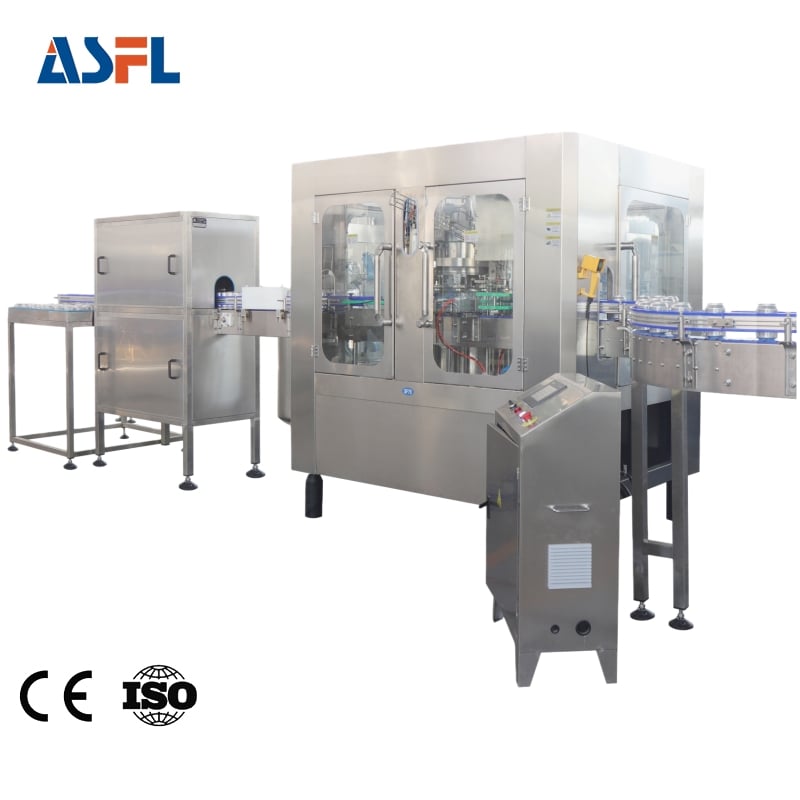
Transitioning from semi-automated machinery to a fully integrated automatic bottle filling plant represents one of the most impactful capital investments a beverage or liquid processing facility can make. To achieve a high bottle filling line ROI, factory leadership must calculate direct labor reductions, waste mitigation, energy optimization, and overall equipment effectiveness (OEE) gains. Modern high-speed packaging environments demand precise fluid dosing, minimal product giveaway, and seamless integration with blow molding, labeling, and end-of-line secondary packaging machinery. Deploying an advanced automated liquid packaging line eliminates manual contamination risks, lowers per-unit operating costs, and enables commercial beverage manufacturers to expand daily production throughput sustainably.
This financial and technical breakdown analyzes the operational variables, cost-reduction drivers, sanitary compliance metrics, and pay-back calculations essential to maximizing your investment in an automatic bottle filling plant.
Strategic Financial Drivers of Bottling Line Automation
The primary metric evaluating the financial feasibility of an automatic bottle filling plant is the acceleration of the payback period through structural cost reductions.
-
Product Giveaway and Dosing Precision: Manual and semi-automatic liquid filling methods exhibit volume variances of up to +/- 3.0%. In high-volume facilities, overfilling by just 2 mL per bottle translates into tens of thousands of liters of wasted raw material annually. A modern automated liquid packaging line equipped with electromagnetic flowmeters or net-weight load cells reduces fill variance to under +/- 0.2%, directly converting raw material savings into measurable bottle filling line ROI.
-
Direct Labor Elimination: Operating a high-speed bottling operation manually requires multiple technicians for bottle loading, filling supervision, capping alignment, and packing. Implementing a fully connected automatic bottle filling plant reduces line headcount from 8-10 operators per shift down to 1-2 system supervisors, driving significant recurring labor savings.
For a thorough analysis on machine motion architectures that influence initial machinery costs and footprint, consult our guide on [Linear vs Rotary Liquid Filling Machine Comparison].
ROI Financial Impact Comparison Matrix
Evaluating the multi-year economic returns of a high-speed automatic bottle filling plant requires benchmarking key financial and operational indicators against traditional semi-automated packaging lines.
| Financial & Operational Indicator | High-Efficiency Automatic Bottle Filling Plant | Legacy / Semi-Automated Bottling Setup |
| Capital Payback Period | 12 to 18 Months (Driven by volume savings) | 36+ Months (High recurring labor overhead) |
| Volumetric Dosing Precision | +/- 0.2% (Flowmeter / Mass-flow valves) | +/- 2.5% to 3.0% (Mechanical overflow) |
| Line Operating Speed (PET/Glass) | 6,000 to 36,000+ Bottles / Hour | 800 to 2,000 Bottles / Hour |
| Product Giveaway Loss Rate | < 0.05% Total Liquid Volume | > 2.0% Total Liquid Volume |
| Sanitation Downshift Efficiency | Automated 3-Stage CIP (45-min cycle) | Manual CIP Disassembly (3-4 hour cycle) |
| Overall Line OEE Benchmark | 88% to 94% Operational Availability | 55% to 65% Operational Availability |
Upgrading to an automated liquid packaging line converts fixed labor overhead into variable machinery depreciation, protecting manufacturing margins during demand fluctuations while accelerating your total bottle filling line ROI.
EEAT Compliance, Sanitary Standards, and Yield Protection
Safeguarding profitability requires strict adherence to international sanitary standards, including FDA 21 CFR Part 114, ISO 22000, and BRCGS global packaging certifications. Unscheduled product recalls or batch contamination events instantly destroy operational profitability.
1. Metallurgical Hygiene and Corrosion Prevention
An automatic bottle filling plant engineered by ACE-FILLING uses food-grade SUS316L stainless steel across all liquid manifolds and filling valves. Internal channel surfaces undergo electro-polishing to achieve a smooth finish of Ra < 0.4 µm. This sanitary design prevents bio-film buildup and citric acid pitting corrosion, extending equipment service life beyond 15 years and maximizing your long-term bottle filling line ROI.
2. Automated Clean-In-Place (CIP) Efficiency
Sanitation cycles directly consume productive machine hours. Installing a fully automated liquid packaging line with pneumatic dummy cup manifolds enables automated high-velocity CIP wash cycles at 85°C. Automating cleaning cycles reduces sanitation downtime by up to 70%, returning valuable production hours to the daily manufacturing schedule.
3. Bottle Breakage and Rejection Protection
During high-speed rotary transfers, glass breakage or PET deformation causes immediate line stoppages. An advanced automatic bottle filling plant incorporates automated bottle-burst flushing mechanisms and torque-limiting starwheels. If a damaged container fails under pressure, high-pressure water jets clear shattered glass fragments instantly while the PLC rejects the affected container, keeping the remaining line operational without manual intervention.
To explore full plant layout strategies, upstream pasteurization interlocking, and turnkey packaging line architectures, explore our primary [Liquid Packaging Line Pillar Guide].
Avoiding Hidden Costs in Line Automation Projects
Achieving maximum bottle filling line ROI requires anticipating common engineering and supply chain pitfalls during project execution.
-
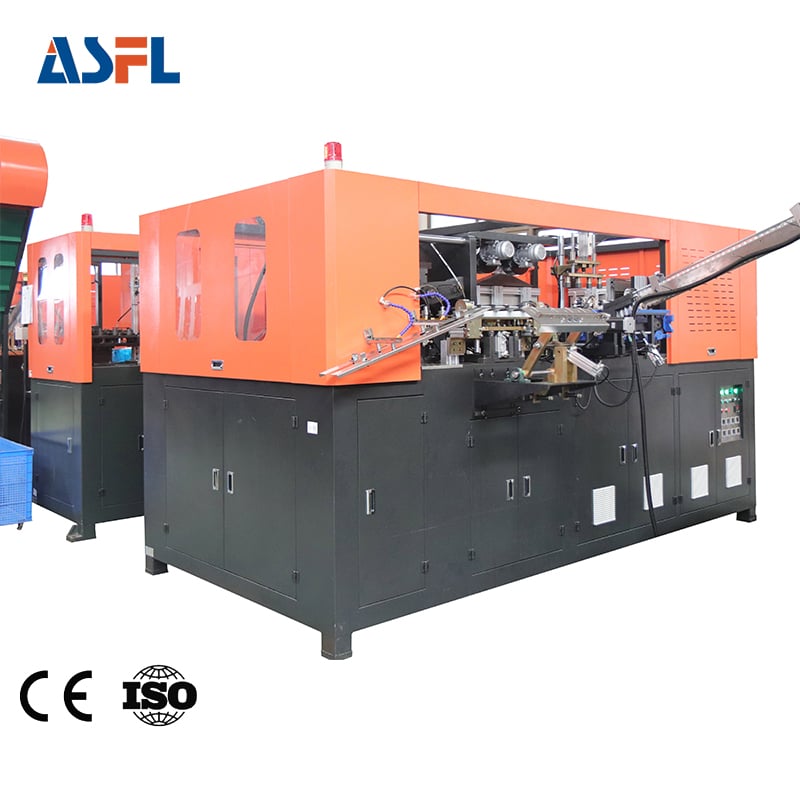
Unsynchronized Upstream/Downstream Speeds: Installing a high-speed automatic bottle filling plant without matching the capacity of the upstream blow molder or downstream roll-fed labeler creates conveyor backpressure jams. Utilizing centralized PLC network interlocks adjusts conveyor speeds dynamically, ensuring continuous container flow across the entire automated liquid packaging line.
-
Ignoring Utilities and Compressed Air Quality: High-speed pneumatic valves require dry, oil-free compressed air certified to ISO 8573-1 standards. Moisture in pneumatic lines causes valve actuation delays, leading to inaccurate dosing and unexpected maintenance expenses.
-
Inadequate Spare Part Planning: Sourcing non-standard electrical components or customized valves leads to prolonged line stoppages during component replacement. Opting for standardized, globally available PLC platforms and valve seals ensures rapid spare parts availability and protects overall operational uptime.
Conclusion: Capitalizing on Bottling Automation
Investing in a high-performance automatic bottle filling plant is a strategic decision that drives significant long-term bottle filling line ROI through labor reduction, dosing precision, and minimized product waste. Transitioning to a state-of-the-art automated liquid packaging line protects liquid purity, satisfies strict international FDA and ISO food safety frameworks, and unlocks high-speed production output. By aligning robust stainless-steel mechanical design with automated CIP protocols and synchronized line controls, liquid manufacturers build a resilient, highly profitable production ecosystem capable of supporting sustained business growth.

 Hot News








