Deploying a compact table top liquid filling machine offers specialized pharmaceutical laboratories, R&D centers, and pilot beverage facilities an agile dosing platform for preliminary trial runs. When conducting small scale formula validation, using an industrial-scale inline system causes excessive product loss during line priming and prolonged cleaning downtime between recipe changes. Integrating a benchtop liquid filler resolves these operational constraints by delivering high volumetric precision within a minimal cleanroom footprint. Whether verifying syrup viscosity, testing micro-dosing accuracy, or running pilot packaging studies, executing small batch liquid filling on a specialized tabletop platform reduces liquid waste, eliminates cross-contamination risks, and accelerates product commercialization timelines.
This technical article analyzes the engineering advantages, fluid contact metallurgy, sanitary cleaning protocols, and operational workflows that make a table top liquid filling machine essential for laboratory testing environments.
Laboratory workstations and R&D pilot facilities operate under strict cleanroom spatial constraints and stringent contamination control protocols.
Minimal Footprint and Mobility: A compact table top liquid filling machine occupies less than 0.5 square meters of bench space, allowing laboratory technicians to move the unit easily inside laminar flow hoods or biological safety cabinets. In contrast to fully automated rotary lines, a benchtop liquid filler requires no permanent floor anchoring, pneumatics, or complex conveyor channels.
Minimal Dead-Volume Fluid Channels: During formulation testing, trial ingredients can be extremely costly or limited in volume. A specialized table top liquid filling machine utilizes shortened peristaltic tubing or compact ceramic piston pumps that reduce internal liquid hold-up to less than 5 mL. This short fluid path prevents valuable chemical or active ingredient waste during small batch liquid filling trials.
For broader plant expansion strategies transitioning from lab-scale units to high-speed commercial production, review our primary [Liquid Packaging Line Pillar Guide].
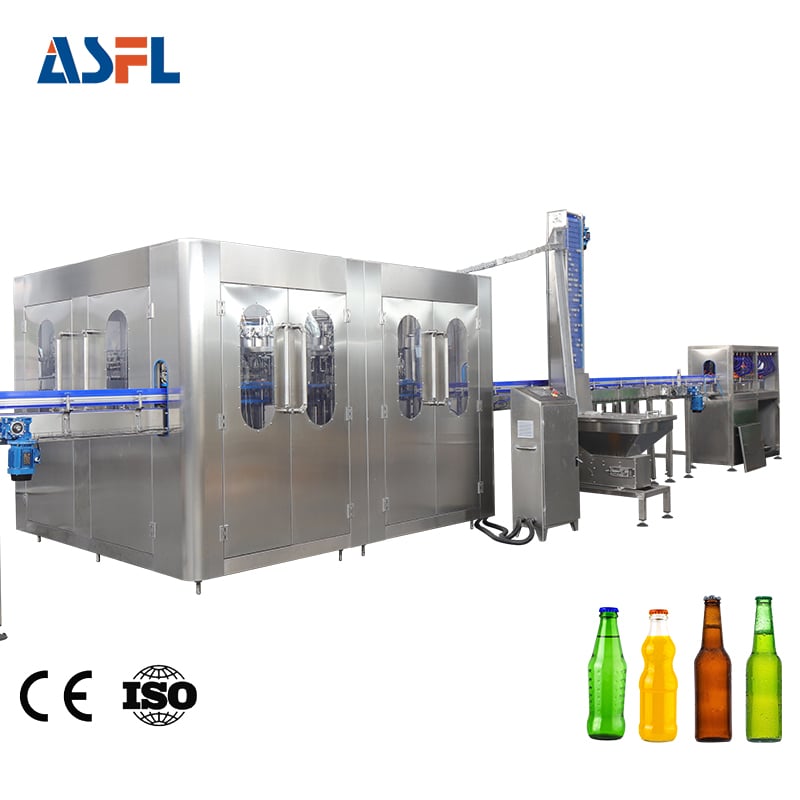
Understanding the functional boundaries between laboratory testing equipment and full-scale factory automation allows engineers to scale formulations smoothly. The comparative matrix below outlines key technical metrics when evaluating a benchtop liquid filler against commercial inline machinery.
| Operational & Engineering Metric | Lab Table Top Liquid Filling Machine | Industrial Inline Bottling Line |
| Daily Production Volume | 10 to 2,000 Units / Day | 20,000 to 300,000+ Units / Day |
| Dosing Precision Standard | High Precision (+/- 0.1% to 0.2%) | Standard High (+/- 0.5%) |
| Fluid Dead Volume Loss | Minimal (< 5 mL per batch) | Moderate (500 mL to 2,000 mL in manifolds) |
| Changeover & Cleaning Time | Rapid (3 to 5 Minutes) | Extended (45 to 90 Minutes for full CIP) |
| Dosing System Options | Peristaltic / Micro-Ceramic Piston | Electromagnetic Flowmeter / Isobaric / Gravity |
| Equipment Footprint | Benchtop (< 0.5 m²) | Floor Mounted (15 m² to 100+ m²) |
Deploying a table top liquid filling machine for initial product verification guarantees precise volumetric data without incurring the heavy utility and fluid consumption of large-scale systems.
Laboratory equipment utilized for pharmaceutical testing, food supplement sampling, or cosmetics trial batches must conform strictly to global health regulations, including FDA 21 CFR Part 11, USP Class VI plastic compliance, and GMP cleanroom standards.
Fluid-contact components on a laboratory-grade benchtop liquid filler engineered by ACE-FILLING utilize high-grade SUS316L stainless steel or pharmaceutical-grade zirconia ceramic pumps. Internal surfaces are electro-polished to Ra < 0.2 µm, preventing chemical adhesion and cross-batch contamination. For aggressive acid or solvent testing, specialized PTFE or platinum-cured silicone tubing circuits ensure non-reactive small batch liquid filling performance.
In multi-product R&D laboratories, changing recipes multiple times a day requires rapid sanitation. Utilizing a peristaltic table top liquid filling machine allows technicians to swap the entire fluid-path tubing set in under two minutes. By employing pre-sterilized, single-use fluid circuits, laboratories eliminate time-consuming Clean-in-Place (CIP) validation steps and completely prevent batch-to-batch cross-contamination during small batch liquid filling tests.
Unlike simple timer-based liquid pumps, a modern benchtop liquid filler incorporates micro-stepper or servo motor drives. These precision drives allow operators to calibrate dosing volumes digitally down to 0.1 mL increments via an intuitive touchscreen HMI, ensuring repeatable fill accuracy required for analytical laboratory standards.
To compare how linear indexing architectures scale once pilot testing transitions into mid-volume production, explore our comparative analysis on [Linear vs Rotary Liquid Filling Machine Comparison].
Operating a table top liquid filling machine in a laboratory or pilot testing environment requires avoiding specific technical mistakes that compromise testing integrity.
Incorrect Tubing Durometer Selection: When using peristaltic small batch liquid filling units, using soft silicone tubing under high pumping speeds causes tube wall fatigue and volumetric drift. Technicians should specify calibrated, high-durometer peristaltic tubing to maintain constant internal cross-sectional dimensions during extended testing runs.
Ignoring Fluid Viscosity Dynamics: Cold trial liquids exhibit higher viscosity than heated production formulations. Testing a cold liquid on a benchtop liquid filler without factoring in operational temperature shifts leads to inaccurate volumetric projections during full-scale manufacturing trials.
Siphoning and Dripping Irregularities: For low-viscosity liquids, gravitational head pressure in the supply vessel can cause passive dripping after nozzle shutoff. Equipping your table top liquid filling machine with automated anti-drip pneumatic nozzles or reverse-suckback servo pump profiles eliminates tailing and maintains clean container necks.
A high-precision table top liquid filling machine is an essential asset for laboratories, pharmaceutical R&D units, and beverage pilot plants seeking to perform accurate formulation trials with minimal product waste. By combining a sanitary benchtop liquid filler with modular single-use fluid paths and precision servo calibration, research engineers can validate dosing variables while satisfying strict FDA and GMP sanitary guidelines. Investing in specialized small batch liquid filling equipment establishes a seamless, risk-free bridge between preliminary laboratory testing and full-scale commercial production.
 Hot News
2026-10-20
2026-10-20
2026-10-20
2026-10-20
2026-10-20
2026-10-20
 EN