 EN

Technical Scope and Neck Finish Compatibility Foundations
Selecting a filling capping machine bottle neck sizes configuration requires matching specific thread geometries, neck ring dimensions, and cap materials to the equipment drive system. In modern beverage packaging, bottle neck profiles vary significantly across product categories, ranging from lightweight 26mm PCO 1881 finishes for carbonated soft drinks to 38mm wide-mouth neck finishes for cold-press juices and sports beverages. An improper match between the capper chuck and the bottle neck finish leads to thread stripping, mis-capping, micro-leakage, and premature seal degradation.
Optimal beverage bottle neck capping selection depends heavily on establishing strict mechanical tolerance parameters during equipment design. Modern high-speed monoblock systems rely on neck-handling starwheels and anti-rotation neck grippers to stabilize PET or glass containers throughout the capping cycle. Evaluating capping machine neck finish compatibility prevents operational bottlenecks, reduces container deformation, and optimizes overall production efficiency. Factories designed by ACE-FILLING integrate modular changeover parts to ensure that an automatic bottle neck capper configuration handles multiple bottle neck finishes seamlessly without sacrificing torque precision.
Establishing facts around standard neck standards—such as ISBT PCO 1810, PCO 1881, 29/25, and 38mm 3-start threads—helps technical teams determine whether a fixed-chucks capping turret or a quick-change magnetic torque capping system is necessary. Correct beverage bottle neck capping selection reduces downtime when transitioning between distinct neck diameters on shared production lines.
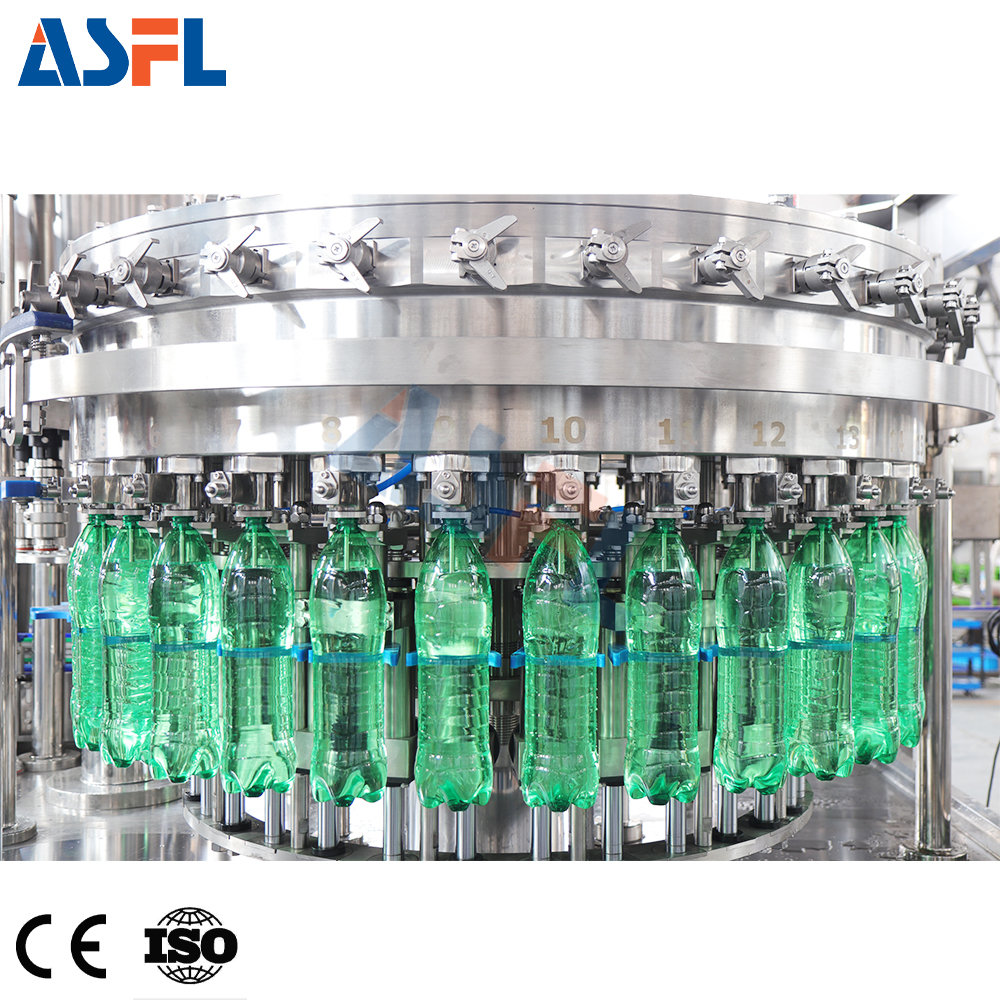
Neck Dimension Standards and Chuck Engineering Matrix
Different beverage products dictate specialized bottle neck finishes to satisfy internal pressure limits, pouring ergonomics, and seal integrity standards certified under ISO 22000 and FDA guidelines. Matching the filling capping machine bottle neck sizes specifications against container geometries requires precise calibration of capping chuck diameters, magnetic hysteresis torque limits, and vertical spindle stroke distances.
-
Lightweight CSD Finishes (PCO 1881): Requires high-precision top-load alignment and anti-rotation neck clamps to prevent thin-walled PET bottle necks from twisting under capping torque.
-
Still Water Finishes (29/25 & 1881 Short Neck): Demands shallow-thread torque control to avoid stripping short plastic caps during high-speed rotation.
-
Wide-Mouth Beverage Finishes (38mm & 48mm): Requires larger diameter capping chucks with increased contact surface area to apply uniform downward seal force without crushing the bottle neck finish.
-
Glass Bottle Crown Finishes (26mm Crown Cap): Utilizes pneumatic or mechanical crimping heads rather than rotational torque chucks to achieve an airtight hermetic seal around the outer neck glass lip.
| Bottle Neck Standard | Nominal Diameter | Typical Beverage Application | Capping Chuck & Head Specification | Impact on Capping Machine Neck Finish Compatibility |
| PCO 1810 | 28 mm Standard | Carbonated Soft Drinks, Sparkling Water | Magnetic Torque Chuck with Serrated Inserts | Ensures steady torque application for robust thread profiles |
| PCO 1881 | 28 mm Short Neck | Carbonated Soft Drinks, Juices | Lightweight Aluminum Chuck with Precision Grippers | Supports filling capping machine bottle neck sizes optimization by reducing cap weight |
| 29/25 Neck Finish | 29 mm Ultra-Short | Still Mineral Water, Purified Water | Low-Torque Hysteresis Chuck | Optimizes beverage bottle neck capping selection to prevent neck collapse on ultra-light PET |
| 38mm 3-Start | 38 mm Wide Mouth | Dairy, Functional Drinks, Cold Brew | Large-Diameter Rubber-Lined Pneumatic Chuck | Enhances capping machine neck finish compatibility across wide-mouth container lines |
| 26mm Crown Finish | 26 mm Outer Lip | Craft Beer, Premium Glass Soda | Hardened Tool Steel Crimping Die | Provides structural security for rigid automatic bottle neck capper configuration setups |
Torque Control Mechanics and Changeover Optimization
A key factor governing filling capping machine bottle neck sizes flexibility is the torque control mechanism. Capping heads must apply exact rotational torque to achieve an airtight seal without damaging plastic cap threads or snapping safety tamper-evident bands.
Magnetic hysteresis capping heads provide stepless torque adjustment, eliminating the mechanical friction wear associated with legacy spring-loaded clutches. When reconfiguring an automatic bottle neck capper configuration for wider bottle neck finishes, operators adjust magnetic alignment scales to increase applied application torque proportionally to the increased cap surface area.
-
Tool-Less Quick Changeover: Utilizing quick-release capping chucks and tool-free starwheel plates reduces line changeover times between different filling capping machine bottle neck sizes from hours to under 15 minutes.
-
Positive Neck Handling: Suspended neck-clip conveyance systems hold PET bottles by the neck ring, allowing a single automatic bottle neck capper configuration to run various bottle heights while maintaining constant neck elevation.
-
Cap Feeding Elevation Systems: Mechanical cap sorters and rotary elevators feature adjustable chute rails to accommodate variations in cap height and diameter without jamming cap transfer channels.
Quality Control Inspection and Factory Verification Protocols
To verify beverage bottle neck capping selection accuracy and seal integrity prior to equipment dispatch, ACE-FILLING subjects every filling capping machine to thorough quality testing procedures aligned with international packaging standards.
-
Torque Testing and Removal Verification: Digital torque meters measure application and removal torque across sample bottles to confirm compliance with ISBT industry guidelines for cap retention.
-
High-Pressure Leak Detection: Sealed bottles undergo pressurized underwater bubble testing and vacuum decay inspection to confirm zero micro-leakage around the neck seal lip.
-
Optical Vision Inspection Systems: Integrated high-speed cameras check cap application straightness, cap height clearance, and intact tamper-evident security rings at full operating speeds.
-
Dynamic Cap Chuck Alignment Testing: Dial indicators verify concentricity between the capping spindle axis and the bottle neck neck ring to prevent off-axis cap cross-threading.
For comprehensive technical documentation, customized neck tooling diagrams, and equipment integration options, explore the official





 Hot News








